 Summer Offers!


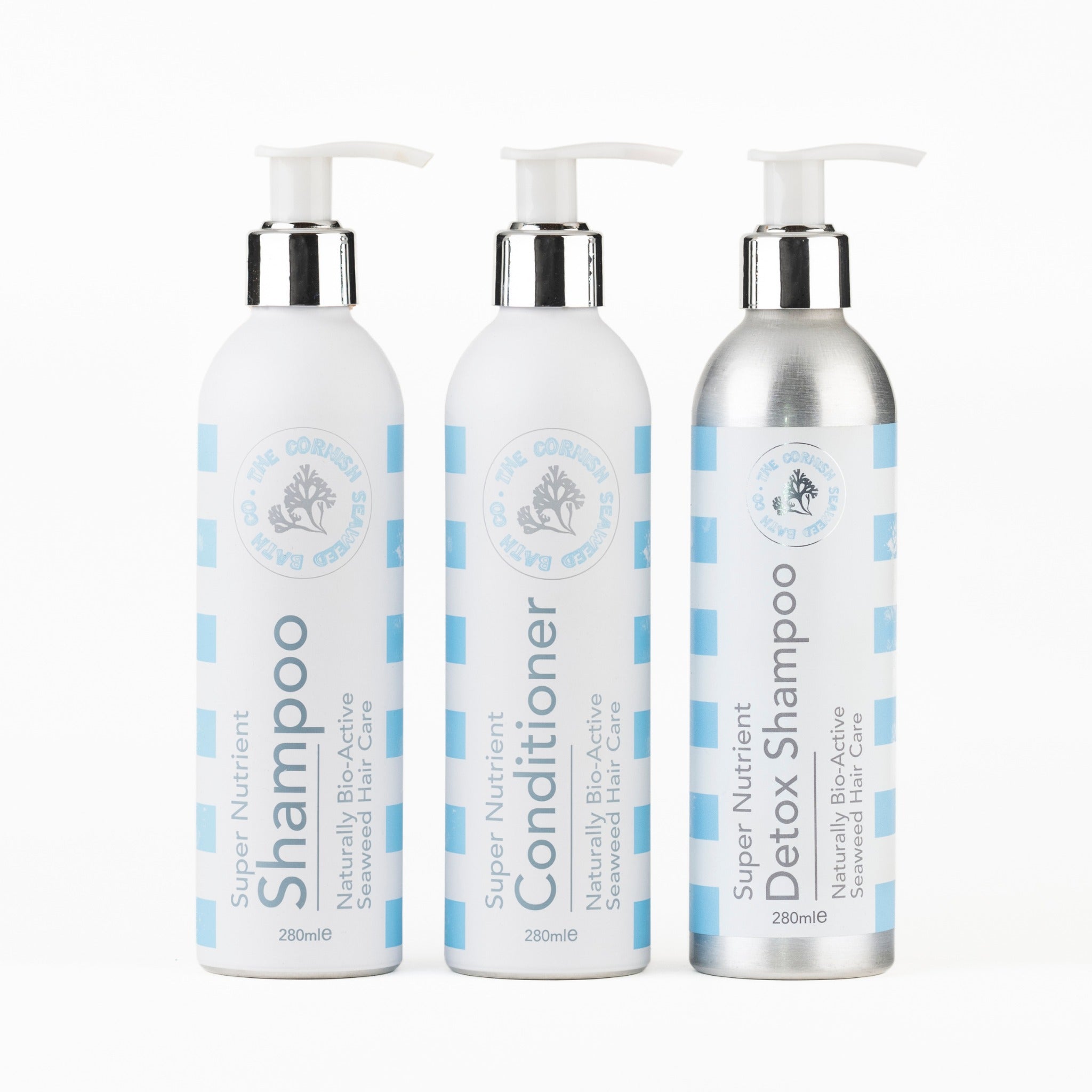
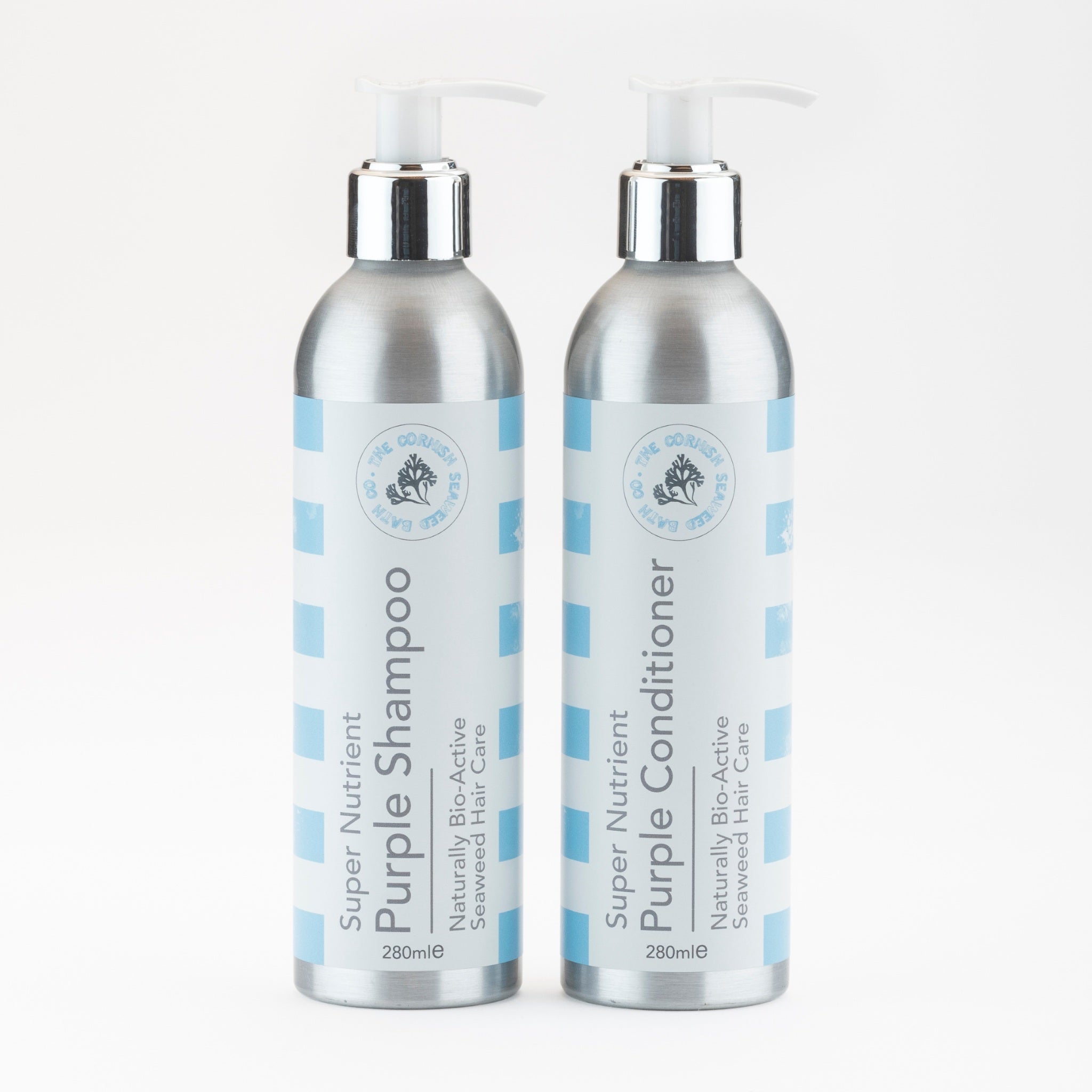



face cleanser for breakouts
Navigating skincare can sometimes feel like a daunting task, especially when you're searching for solutions to persistent breakouts. The quest for a face cleanser for breakouts that truly works, without leaving your skin feeling tight, irritated, or stripped, is a common one. We understand this journey, and we believe that achieving clearer, calmer skin doesn't have to involve harsh chemicals or overly complicated routines. It's about understanding what your skin needs and finding gentle, effective ingredients that work in harmony with your skin's natural balance. Let's explore what causes those unwelcome blemishes and how to choose the right allies for your complexion.
Key Takeaways
- A gentle face cleanser can effectively address breakouts without stripping the skin of its natural moisture.
- Choosing natural ingredients like Cornish seaweed helps maintain your skin’s balance while calming irritation.
- Understanding your skin’s specific needs is the first step toward a clearer, healthier complexion.
- Avoiding harsh chemicals in your cleansing routine reduces the risk of further aggravating blemishes.
- Simpler skincare routines with targeted, soothing ingredients often deliver the best results for acne-prone skin.
At The Cornish Seaweed Bath Company, we look to the ocean's bounty, particularly the remarkable seaweed found along our shores, for inspiration. Nature often holds the most elegant answers, and we're here to guide you through the world of effective cleansing, focusing on ingredients that nurture rather than assault your skin. Let's explore what causes those unwelcome blemishes and how to choose the right allies for your complexion.
Why Breakouts Occur and How to Recognise Your Acne Type
Understanding the root causes of your breakouts is the first, most empowering step towards clearer skin. Rather than simply treating symptoms, we can address the underlying imbalances that lead to blemishes.
Breakouts, or acne, are a common concern affecting millions, and their origins are multifaceted. At their core, they often stem from a combination of four key factors: excess sebum production, clogged pores, the presence of bacteria (specifically Propionibacterium acnes), and inflammation. Our skin naturally produces sebum, an oil that helps keep it moisturised and protected. However, when this production becomes excessive, it can mix with dead skin cells and debris, creating a perfect environment for blockages. These blockages, known as comedones, can then become inflamed, leading to the red, sore spots we commonly associate with acne. Recognising these culprits helps us approach treatment with a more targeted strategy, moving beyond a one-size-fits-all solution.
The appearance of acne can vary significantly, and identifying your specific type can offer valuable clues for selecting the right care. You might notice non-inflammatory types like whiteheads (closed comedones) and blackheads (open comedones), where pores are blocked but not significantly inflamed. Then there are inflammatory lesions, which are often red and tender. These include papules, which are small, red, tender bumps; pustules, similar to papules but with a pus-filled tip; and more severe forms like nodules and cysts, which are deeper, larger, and more painful bumps beneath the skin's surface. Understanding whether your skin tends towards oily congestion, redness, or deeper spots will inform the type of ingredients and cleansing action that will best support your skin's journey to balance.
Why understanding your acne type helps choose the right cleanser: A cleanser designed for oily, congested skin might be too drying for sensitive, inflamed acne, potentially exacerbating redness. Conversely, a very gentle cleanser might not be sufficient to manage excess sebum and pore blockages in highly oily skin. By identifying your dominant acne concerns. Be it excess oil, redness, or frequent deep spots. You can make a more informed choice about the active ingredients and formulation that will best support your skin's unique needs and promote a healthy, clear complexion.
Key Acne-Fighting Ingredients in Cleansers: A Side-by-Side Look

When seeking an effective face cleanser for breakouts, understanding the active ingredients is paramount. While the market offers a plethora of options, a few key players consistently stand out for their efficacy in managing acne. It is helpful to compare them, not just for their power, but for how they might suit different skin types and concerns, ensuring you find a balance between treatment and skin health.
Two of the most common and potent acne-fighting ingredients are salicylic acid and benzoyl peroxide. Salicylic acid, a beta-hydroxy acid (BHA), is oil-soluble, meaning it can penetrate deep into pores to dissolve sebum and dead skin cells, helping to prevent and clear blackheads and whiteheads. It also offers mild anti-inflammatory properties. Benzoyl peroxide, on the other hand, is a powerful antibacterial agent that works by killing P. acnes bacteria and helping to shed dead skin cells. It is often recommended for inflammatory acne but can be more potent and potentially drying or irritating for some individuals. Choosing between them often depends on whether your primary concern is pore congestion (salicylic acid) or bacterial overgrowth and inflammation (benzoyl peroxide), and your skin's tolerance for stronger actives. Many dermatologists suggest starting with lower concentrations or using them less frequently to assess skin response.
Salicylic Acid
- Oil-soluble: penetrates pores to exfoliate and dissolve clogs.
- Effective for blackheads and whiteheads.
- Mild anti-inflammatory properties.
- Generally gentler than benzoyl peroxide.
Salicylic Acid
- Can cause mild dryness or peeling.
- May not be potent enough for severe inflammatory acne.
Benzoyl Peroxide
- Potent antibacterial agent, kills acne-causing bacteria.
- Effective for inflammatory acne (papules, pustules).
- Helps shed dead skin cells.
- Available in various strengths (e.g., 4% is a common OTC concentration, as seen in products like the CeraVe Acne Foaming Cream Cleanser).
Benzoyl Peroxide
- Can be drying, irritating, and cause redness or peeling.
- May bleach fabrics (towels, pillowcases).
- Less effective for non-inflammatory comedones.
Beyond these primary actives, other ingredients play a supportive role in creating a balanced cleansing experience. Niacinamide, a form of Vitamin B3, is celebrated for its ability to calm inflammation, reduce redness, regulate sebum production, and improve skin barrier function without clogging pores. Ceramides are essential lipids naturally found in the skin barrier; their inclusion in cleansers helps to replenish and strengthen this barrier, which is often compromised by acne treatments. Hyaluronic acid, a powerful humectant, draws moisture to the skin, ensuring that even acne-fighting cleansers leave your skin feeling hydrated rather than parched. These supporting ingredients are important for maintaining skin health and preventing the dryness and irritation that can sometimes accompany acne treatment, ensuring your skin feels comfortable and looks balanced.
For those seeking a more natural approach or experiencing sensitivity to conventional actives, several botanical ingredients offer remarkable benefits. Seaweed, rich in vitamins, minerals, and antioxidants, is known for its soothing, hydrating, and anti-inflammatory properties, making it an excellent choice for breakout-prone skin. Green tea contains potent antioxidants like EGCG, which can help calm inflammation and combat oxidative stress. Aloe vera is renowned for its cooling, soothing, and healing capabilities, providing relief to irritated skin. Tea tree oil, while potent and best used diluted, possesses natural antimicrobial properties that can help manage bacteria on the skin. These natural alternatives offer a gentler pathway to clear skin, working with your skin's inherent healing processes rather than against them. They are particularly valuable when searching for a gentle face cleanser for breakouts that prioritises skin barrier integrity.
| Ingredient | Primary Action | Best For | Potential Downsides |
|---|---|---|---|
| Salicylic Acid (BHA) | Exfoliates inside pores, dissolves sebum and dead skin cells. | Blackheads, whiteheads, oily skin, mild inflammation. | May cause dryness or mild peeling. |
| Benzoyl Peroxide | Kills acne-causing bacteria, reduces inflammation. | Inflammatory acne (papules, pustules), moderate to severe acne. | Can be drying, irritating; may bleach fabrics. |
| Niacinamide (Vitamin B3) | Calms inflammation, regulates sebum, strengthens barrier. | Redness, sensitivity, oily skin, improving overall skin health. | Generally well-tolerated; rare sensitivity. |
| Hyaluronic Acid | Attracts and retains moisture. | All skin types, especially when using drying treatments. | None when used in rinse-off cleansers. |
| Seaweed Extract | Soothes, hydrates, provides minerals and antioxidants. | Sensitive, inflamed, or dry acne-prone skin; barrier support. | Generally well-tolerated; highly beneficial. |
| Tea Tree Oil | Antimicrobial, anti-inflammatory. | Spot treatment or in diluted formulations for bacterial acne. | Can be irritating if used undiluted; strong scent. |
Why Seaweed? Nature’s Nourishing Solution for Clear, Balanced Skin
When we seek effective solutions for breakout-prone skin, it is easy to be drawn to potent chemical actives. However, nature often provides profoundly effective alternatives that work in harmony with our skin’s delicate ecosystem. Here in Cornwall, the tide brings us a treasure trove of marine botanicals, none more remarkable than seaweed. We believe that harnessing the gentle power of seaweed offers a pathway to clearer, calmer skin, supporting its natural balance rather than disrupting it. It is a different kind of care, one that nurtures long-term skin health.
Seaweed is a powerhouse of skin-loving nutrients. Its rich profile of vitamins (like A, C, and E), essential minerals (including zinc and magnesium), and potent antioxidants works to calm inflammation, a common driver of breakouts. Furthermore, its unique polysaccharides can help support the skin’s natural barrier function, retaining moisture and protecting against environmental stressors. This marine superfood offers a holistic approach to skin health, promoting resilience and a clearer complexion from within.
At The Cornish Seaweed Bath Company, our philosophy centres on gentle, effective cleansing that respects your skin’s integrity. We understand the frustration of using harsh treatments that leave skin feeling tight, dry, or irritated, which can paradoxically worsen breakouts. Our approach is to provide a face cleanser for breakouts that cleanses thoroughly without stripping away essential natural oils. We select marine ingredients known for their soothing and balancing properties, ensuring that your skin feels refreshed, hydrated, and comfortable after each use. This mindful formulation aids in restoring balance, which is key to managing acne-prone skin effectively.
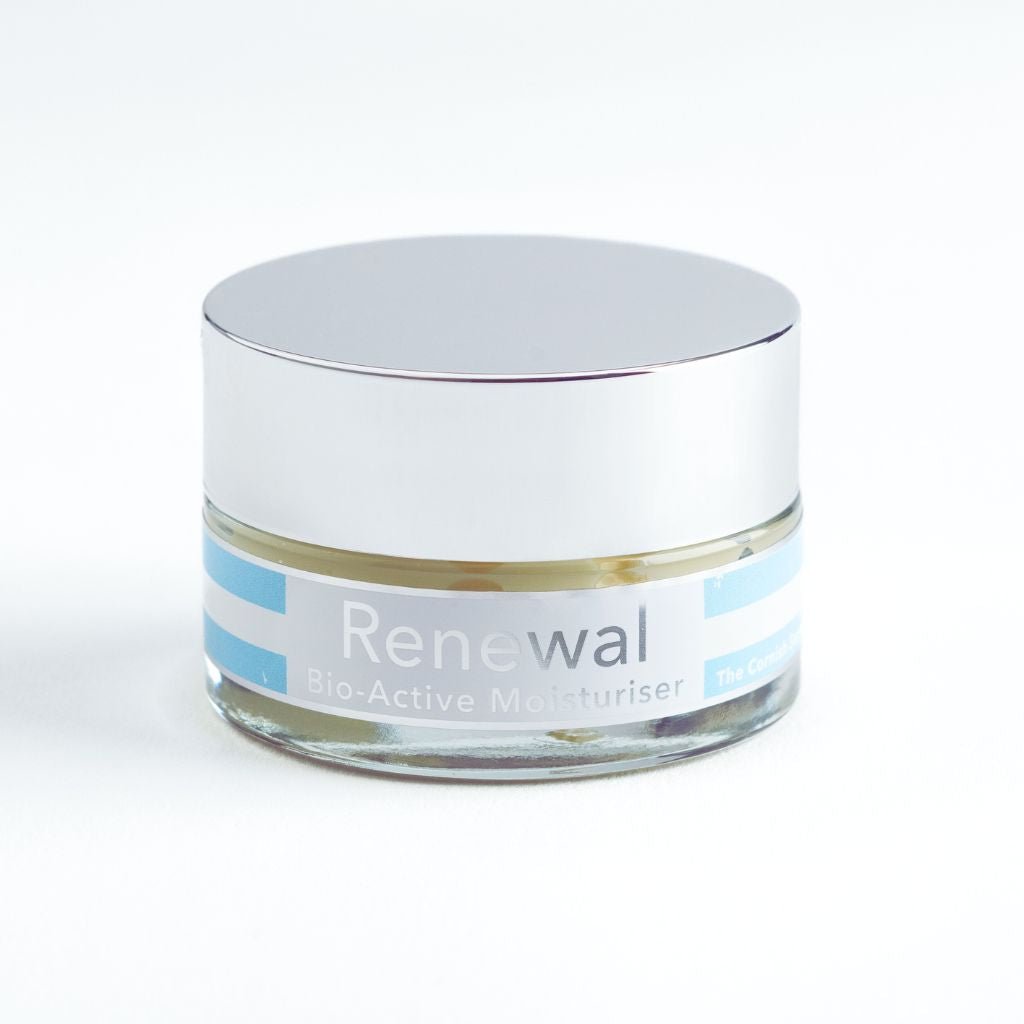
Our signature Renewal Facial Cleanser embodies this nurturing ethos. It features Fucus Serratus seaweed, celebrated for its skin-conditioning benefits. This is complemented by jojoba oil, which closely mimics the skin’s natural sebum, helping to balance oil production without clogging pores. We also include frankincense and lavender essential oils, known for their calming and purifying properties. This thoughtful blend works to lift impurities and makeup gently, leaving your skin feeling clean, soft, and revitalised. It is a testament to how natural ingredients can provide a superior cleansing experience, supporting skin health with every wash.
We often hear from our customers how the gentle yet effective nature of our cleansers makes a real difference. For example, Sarah from Bristol shared, "I’ve struggled with sensitivity and breakouts for years. Most cleansers either made me red and sore or didn't feel like they were cleansing properly. The Renewal Facial Cleanser is a revelation! My skin feels so clean and calm, and my breakouts have visibly reduced. It’s like my skin can finally breathe." Testimonials like these affirm our belief in the power of nature’s gentle touch for achieving healthy, clear skin.
Choosing a cleanser that supports your skin barrier is fundamental, especially when dealing with acne. Harsh surfactants and stripping agents can compromise this protective layer, leading to increased sensitivity, redness, and even more breakouts as the skin tries to compensate. Our formulations, rich in nourishing oils and sea-derived goodness, aim to fortify and replenish. This focus on barrier health is what sets our approach apart, offering a sustainable solution for those seeking an effective face cleanser for breakouts that cares for your skin’s long-term well-being.
A Step-by-Step Morning and Evening Cleansing Routine for Breakout-Prone Skin
Establishing a consistent and mindful cleansing routine is one of the most impactful steps you can take for managing breakout-prone skin. It is not just about the product you use, but also *how* and *when* you use it. We advocate for a gentle, two-pronged approach. One for the morning to prepare your skin for the day, and another for the evening to thoroughly cleanse away impurities accumulated over hours. This structured ritual helps maintain skin balance and prevent congestion that can lead to blemishes.
Your Daily Cleansing Ritual
-
Morning Routine: Gentle Wake-Up Call
Start your day by gently cleansing your face. The aim here is to remove any residual oil or impurities that may have surfaced overnight and to prepare your skin for the day ahead. Use lukewarm water and a small amount of a mild cleanser. We recommend our Renewal Facial Cleanser for this step, as it provides a delicate cleanse without stripping. After rinsing thoroughly, gently pat your skin dry with a clean towel. Follow with a hydrating toner if you use one, and then apply a lightweight, non-comedogenic moisturiser to hydrate and protect your skin throughout the day. This routine ensures your skin is clean, balanced, and ready to face daily environmental challenges.
-
Evening Routine: Deep Cleanse & Reset
Your evening routine is important for removing the day’s accumulated grime, pollution, and makeup. We highly recommend a double cleansing method for breakout-prone skin. Begin with an oil-based cleanser or micellar water to dissolve makeup, SPF, and excess sebum. This first cleanse breaks down oil-soluble impurities. Rinse this off, then follow with a water-based cleanser, like our Renewal Facial Cleanser. This second step ensures all remaining residue is washed away, leaving your pores clear. This thorough cleansing is essential for preventing blockages and allowing your skin to breathe and repair overnight. It is a foundational step in managing acne and maintaining a healthy complexion.
Beyond topical care, lifestyle factors play a significant role in skin health, particularly for those prone to breakouts. Your diet can influence inflammation and sebum production. While individual triggers vary, many find that reducing processed foods, excessive sugar, and dairy can be beneficial. Staying adequately hydrated by drinking plenty of water is also key to overall skin function and clarity. Managing stress is equally important, as stress hormones can exacerbate acne. Simple practices like deep breathing exercises, gentle yoga, or spending time outdoors can make a difference.
Hygiene habits, often overlooked, are also paramount. Regularly changing your pillowcases, ideally every few days, helps prevent the transfer of bacteria and oil back onto your skin. Avoid touching your face unnecessarily throughout the day, as your hands can carry dirt and microbes. When cleansing, always use clean hands and a soft, clean towel. These seemingly small habits contribute significantly to creating an environment where your skin can heal and remain clear. By integrating these practices into your daily life, you create a holistic approach to managing your skin, complementing the effectiveness of a good face cleanser for breakouts.
Holistic Skin Health: Achieving and maintaining clear skin is a journey that involves more than just skincare products. It is about understanding your body’s signals and supporting its natural processes. A balanced diet rich in antioxidants, adequate hydration, effective stress management techniques, and diligent hygiene practices all work synergistically with a targeted cleansing routine. By addressing these interconnected elements, you empower your skin to find its natural equilibrium, leading to a healthier, more radiant complexion. This comprehensive approach ensures that your efforts to combat breakouts are supported from multiple angles.
How to Choose the Right Face Cleanser for Your Skin Type

Selecting the perfect face cleanser for breakouts is not a one-size-fits-all endeavour. Your skin's unique characteristics. Whether it leans towards oily, dry, sensitive, or a combination. Play a significant role in determining which formulations will be most beneficial. Understanding these individual needs allows us to move beyond generic advice and pinpoint cleansers that will truly support your skin's health and clarity. By tailoring your choice to your specific skin type, you can ensure effective cleansing without causing irritation or exacerbating existing concerns, paving the way for a more balanced and comfortable complexion.
The goal is always to cleanse effectively while respecting your skin's natural barrier. A cleanser that strips away too much oil can trigger further oil production or lead to dryness and irritation, while one that is not potent enough might leave impurities behind, contributing to breakouts. Identifying your skin type is the essential first step in this personalised approach to skincare.
Oily Skin: Look for Gel or Foaming Cleansers with Salicylic Acid or Seaweed
If your skin tends to be oily, you might find yourself battling excess shine, enlarged pores, and a greater propensity for blackheads and whiteheads. The ideal cleanser for this skin type will effectively remove excess sebum without completely stripping the skin, which can cause a rebound effect of increased oil production. Gel-based or foaming cleansers are often excellent choices as they provide a thorough cleanse, lifting away impurities and oil from the skin's surface. Look for formulations containing salicylic acid, a beta-hydroxy acid that is oil-soluble and can penetrate pores to dissolve clogs. Natural ingredients like seaweed are also wonderfully beneficial, offering minerals and antioxidants that can help to balance oil production and soothe the skin. Our own Renewal Facial Cleanser, while gentle, effectively cleanses impurities, making it a suitable option for those seeking a less stripping experience.
Dry Skin: Opt for Cream or Oil-Based Cleansers with Hydrating Ingredients
For those with dry skin, the primary concern is often maintaining hydration and preventing that tight, uncomfortable feeling after cleansing. Harsh foaming agents and stripping ingredients are best avoided. Instead, opt for cream-based or oil-based cleansers. These formulations are richer and more emollient, cleansing the skin gently while depositing moisture and essential lipids. Ingredients like jojoba oil, hyaluronic acid, and glycerin are excellent additions, as they help to attract and retain moisture, leaving your skin feeling soft, supple, and hydrated. While not specifically for breakouts, maintaining a healthy, hydrated skin barrier is fundamental for all skin types, including those prone to occasional blemishes, as a compromised barrier can lead to increased sensitivity and irritation.
Sensitive and Combination Skin: Prioritise Non-Comedogenic, Fragrance-Free Formulas
Sensitive skin requires a gentle touch, meaning ingredients that are known irritants or allergens should be avoided. This often includes synthetic fragrances, harsh sulphates (like SLS/SLES), and potent alcohols. Non-comedogenic formulas are also key, ensuring that the product will not clog pores. For combination skin, which typically presents with oily areas (often the T-zone) and drier or normal areas elsewhere, the challenge is to find a cleanser that addresses both concerns without over- or under-treating. A balanced, mild cleanser that effectively removes impurities without stripping or over-hydrating can be perfect. Ingredients like ceramides, niacinamide, and gentle botanical extracts, such as those found in our seaweed-enriched formulations, can help soothe sensitivity and support overall skin balance. Prioritising simplicity and known gentle ingredients is the most reliable path for these skin types.
When selecting a cleanser, always check the ingredient list. Look for terms like 'non-comedogenic', 'hypoallergenic', and 'fragrance-free' if sensitivity is a concern. For oily or acne-prone skin, ingredients such as salicylic acid or seaweed extracts are beneficial, while dry or sensitive skin will benefit more from nourishing oils and humectants. The face cleanser for breakouts you choose should ultimately leave your skin feeling balanced, comfortable, and clean, never stripped or irritated. Understanding these distinctions empowers you to make the best choice for your unique skin needs.
References
Frequently Asked Questions
What causes breakouts and acne?
Breakouts are caused by a combination of excess sebum production, clogged pores, bacteria, and inflammation. When oil mixes with dead skin cells, it can block pores and lead to blemishes. Understanding these factors helps you choose a face cleanser for breakouts that addresses your specific concerns.
How can I tell what type of acne I have?
Acne types include whiteheads, blackheads, papules, pustules, nodules, and cysts. Non-inflammatory types like whiteheads and blackheads are clogged pores without redness, while inflammatory types like papules and pustules are red and tender. Identifying your acne type guides you to the right face cleanser for breakouts.
What is the difference between salicylic acid and benzoyl peroxide in a cleanser?
Salicylic acid is oil-soluble and penetrates pores to dissolve clogs, making it effective for blackheads and whiteheads. Benzoyl peroxide kills acne-causing bacteria and is better for inflammatory acne, but it can be more drying. Choosing between them depends on whether your main concern is congestion or redness.
How do I choose a face cleanser for breakouts without irritating my skin?
Look for a gentle formula with calming ingredients like niacinamide or seaweed, which can soothe inflammation while cleansing. Avoid harsh detergents and start with lower concentrations of active ingredients to see how your skin responds. A balanced face cleanser for breakouts should treat acne without stripping your skin.
Why is it important to match a cleanser to your acne type?
A cleanser designed for oily, congested skin might be too drying for sensitive, inflamed acne, worsening redness. Conversely, a very gentle cleanser may not manage excess oil in highly oily skin. Matching your face cleanser for breakouts to your acne type ensures effective treatment without causing additional irritation.
Can natural ingredients like seaweed help with breakout-prone skin?
Yes, natural ingredients such as seaweed can support skin health by providing gentle cleansing and soothing properties. Seaweed is rich in minerals and can help calm inflammation without harsh chemicals. A face cleanser for breakouts that includes seaweed offers a nurturing approach to managing blemishes.