 Spring Sale!



Key Takeaways
- Your skin naturally maintains a mildly acidic surface with a pH between 4.5 and 6.5.
- This acidity supports the skin’s protective barrier and promotes beneficial microorganisms.
- Quality cleansers are designed to preserve the skin’s natural pH balance.
- A face toner provides gentle support rather than acting as an emergency repair for the skin.
Table of Contents
- What Is a Face Toner – And Do You Actually Need One?
- Types of Face Toners and How They Work Differently
- How Face Toner Interacts With Your Skin's Natural Balance
- Choosing the Right Face Toner for Your Skin Type and Concerns
- How to Use Face Toner Step by Step (Hands, Cotton Pads, and Real Routines)
- Face Toner vs Other Liquid Skincare: What's the Difference?
Face Toner: A Calm, Practical Guide to Whether You Really Need One
What Is a Face Toner – And Do You Actually Need One?
A clear, modern definition of face toner
A face toner is a light, water-based liquid applied after cleansing to support your skin's comfort and balance. Unlike the harsh, alcohol-heavy astringents of decades past, today's toners focus on hydration, gentle exfoliation, or soothing rather than stripping your skin bare.
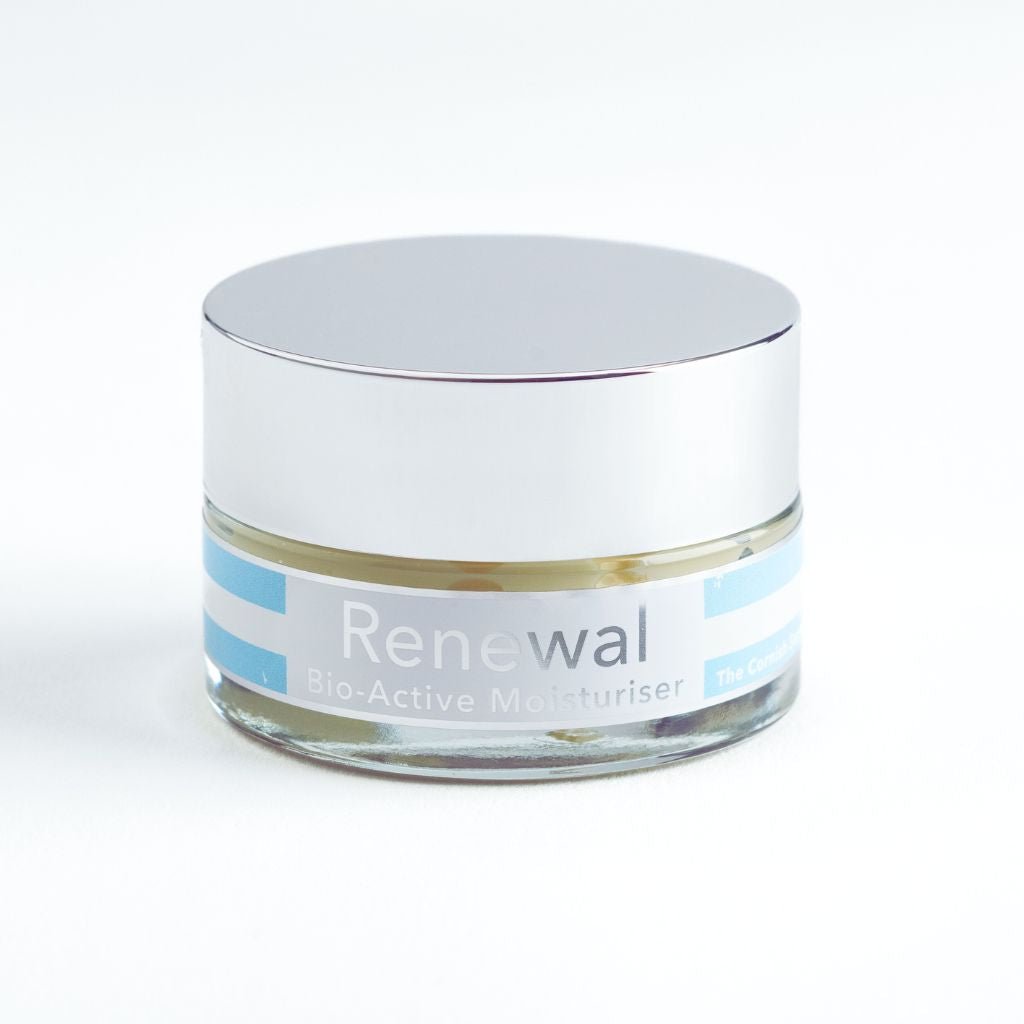
Modern formulations work as a bridge between cleansing and moisturising, helping your skin feel settled rather than tight or reactive. Think of toner as a thoughtful extra step rather than an essential requirement – helpful for many, but not universally necessary. If you’re looking to upgrade your routine, consider pairing your toner with the Renewal Facial Cleanser for a gentle cleanse, or follow up with the Renewal Bio-Active Moisturiser to lock in hydration.
What face toner does for your skin (beyond marketing)
A well-chosen toner can rehydrate your skin within 1-3 minutes after cleansing, especially if your cleanser leaves things feeling slightly tight. It also catches any lingering traces of makeup, sunscreen, or cleanser that might cling around your hairline or nose creases.
Quality toners support your skin's natural barrier function without promising miraculous transformations. They work quietly in the background, helping the next steps in your routine – whether that's a facial oil or moisturiser – feel more comfortable and effective.
Where toner fits in a simple routine
The classic order flows: cleanse → toner → facial oil or moisturiser → eye care (optional) → SPF in the morning. This sequence allows each product to work without interference from the previous step.
For a minimalist approach, try cleanser + toner + moisturiser. Those wanting slightly more support might use cleanser + toner + facial oil + moisturiser. The key principle remains consistent: one well-chosen toner serves you better than cycling through multiple formulas simultaneously.
Types of Face Toners and How They Work Differently

Hydrating toners
Hydrating toners feel light and water-like, focusing purely on adding moisture and comfort after cleansing. They're particularly valued by those with dry, dehydrated, or tight-feeling skin who want that immediate sense of relief.
Most people pat these toners in gently and follow within a few minutes with their chosen moisturiser or facial oil, creating a layered approach to hydration that feels more substantial than either step alone.
Exfoliating toners (AHA/BHA/PHA)
Acid-based toners encourage surface cell turnover, helping to address dullness, uneven texture, or clogged pores over time. These contain alpha-hydroxy acids (AHAs), beta-hydroxy acids (BHAs), or gentler poly-hydroxy acids (PHAs) that work gradually to refine skin texture.
Unlike daily hydrating toners, exfoliating versions are typically used a few evenings per week rather than twice daily. Start slowly – some initial flaking or mild tingling is normal, but persistent stinging suggests the formula or frequency isn't right for your skin.
Clarifying/balancing toners
These formulas feel refreshing and help oily or combination skin manage excess shine, particularly around the T-zone. They often contain mild astringent or mattifying ingredients that create a cleaner, less greasy feeling throughout the day.
Clarifying toners work well for those who find their skin feels heavy or congested, especially during warmer months or after wearing makeup for long periods. If you want to take care of your combination skin, explore our range of combination skin solutions.
Soothing / calming toners
Comfort-focused toners prioritise gentleness for redness-prone or easily reactive skin. These formulas typically avoid strong actives in favour of ingredients that feel cooling and settling on contact.
If your skin flushes easily, pay attention to fragrance levels and essential oil content – some sensitive skin types prefer very simple formulas with minimal scent and shorter ingredient lists.
| Type | Main Focus | Typical Frequency | Best Suited To | Warning Signs |
|---|---|---|---|---|
| Hydrating | Moisture & comfort | Once or twice daily | Dry, tight-feeling skin | No noticeable change after 6 weeks |
| Exfoliating | Surface renewal | 2-3 times per week | Dull, uneven texture | Persistent stinging, excessive flaking |
| Clarifying | Oil control & freshness | Once daily | Oily, combination skin | Increased tightness, shiny rebound |
| Soothing | Calm & comfort | Once or twice daily | Sensitive, reactive skin | Redness, burning sensation |
How Face Toner Interacts With Your Skin's Natural Balance
Toner and your skin's pH
Your skin maintains a mildly acidic surface (around pH 4.5-6.5) that supports its protective barrier function. This natural acidity helps beneficial microorganisms thrive while discouraging harmful bacteria from taking hold. Most quality cleansers today are already formulated to respect this delicate balance, so a face toner serves more as gentle support rather than emergency repair.
When you choose a well-formulated toner, it works alongside your skin's existing systems rather than fighting against them. The goal isn't to dramatically alter your skin's pH, but to provide a comfortable transition between cleansing and moisturising that feels soothing rather than disruptive. For more on how cleansers affect your skin, read our article on cleanser choices and their impact on skin health.
Barrier support vs over-stripping
Strong astringent toners can leave skin feeling temporarily tight and looking shiny, but this often signals that the barrier has been compromised rather than improved. Over time, this cycle can make skin more reactive and sensitive, requiring increasingly gentle care to restore comfort.
Supportive toners, by contrast, should feel refreshing without causing lasting tightness. Within 5-10 minutes of application, your skin should feel comfortable and ready for the next step in your routine. Any burning, persistent tightness, or unusual shininess suggests the formula may be too strong for your current skin condition.
Essential oils and fragrance in toners – a balanced view
Scented toners can transform a functional routine into a more enjoyable ritual, and many people find that pleasant fragrances help them maintain consistent skincare habits. Natural essential oils often provide this sensory pleasure while contributing their own skin-supporting properties.
However, your skin's response matters more than any ingredient list. Redness, stinging, or lasting heat are clear signals to step back, regardless of whether the fragrance comes from synthetic or natural sources. Listen to your skin's feedback over the first few uses, and don't hesitate to switch to a gentler option if needed.
Choosing the Right Face Toner for Your Skin Type and Concerns
Start with skin type: oily, dry, combination, normal, sensitive
For dry or tight-feeling skin, look for hydrating, comforting toners that add moisture rather than remove it. Avoid very strong, tingly exfoliating formulas for daily use, as these can worsen the tight sensation you're trying to address. If you need extra nourishment, the Mini Renewal Bio-Active Moisturiser is a great option for travel or trial.
Those with oily or combination skin often benefit from balancing or clarifying options that feel light and non-greasy. Focus on formulas that provide T-zone support without over-drying the entire face, as this can trigger increased oil production in response. For targeted hydration, try the Sea Organic Facial Oil for a lightweight finish.
Sensitive or reactive skin typically responds better to simpler formulas with shorter ingredient lists. Introduce any new face toner slowly, starting with every other day rather than twice daily, to allow your skin time to adjust.
Then layer in your main concern
For acne and clogged pores, gentle exfoliating toners used a few evenings per week can support clearer skin when paired with a non-stripping cleanser. The key is consistency and patience rather than aggressive daily use.
Dullness and uneven tone often improve with regular, mild exfoliation combined with hydrating support. This dual approach helps surface cells turn over naturally while maintaining comfort and moisture.
If you're dealing with redness and easily flushed skin, prioritise soothing toners with lower fragrance levels. Always patch test new products and introduce them gradually to avoid triggering additional sensitivity.
Reading the back of the bottle without feeling overwhelmed
When scanning toner labels, look for these helpful indicators:
- Skin-feel words like "soothing", "comforting", or "hydrating" suggest gentler formulations
- Claimed strength percentages or words like "intense" or "strong" – steer towards milder claims if you're new to acid-based toners
- Alcohol-based versus alcohol-free formulations – alcohol-free options typically feel less drying on most skin types
When in doubt, keep it simple
A single, gentle toner to face application is often more effective than cycling through several different formulas at once. Your skin benefits more from consistent use of one well-chosen product than from constantly changing approaches. For more on the importance of moisturising, see our article on moisturiser and its role in skin health.
Consider someone with combination skin choosing one balancing toner and using it once or twice daily for at least 4-6 weeks. This timeframe allows you to properly assess whether the product suits your skin's needs without the confusion of multiple variables.
How to Use Face Toner Step by Step (Hands, Cotton Pads, and Real Routines)

The basic order and timing
For your evening routine with toner:
- Cleanse for 30-60 seconds, rinse thoroughly, then gently pat until skin is damp but not dripping
- Apply face toner within 1-3 minutes while skin retains some moisture
- Follow with moisturiser or facial oil while skin still feels slightly moist from the toner
Your morning routine follows the same pattern, finishing with SPF as your final step. This timing helps each product work more effectively, as slightly damp skin absorbs subsequent products more readily.
Application methods – hands vs cotton pad
With hands: Pour 4-6 drops into your palms, then press gently over face and neck for 10-20 seconds. This method feels gentler and wastes less product, making it ideal for daily use with hydrating formulas.
With cotton pads: Saturate one pad without letting it drip, then sweep over your face from centre outwards, including the jawline and around ears. This approach effectively catches residue and works well if you wear heavier makeup or sunscreen.
Choose your method based on your skin's sensitivity and the thoroughness needed. Cotton pads provide more cleansing action, while hands offer gentler, more economical application. For more on the benefits of a good face wash, check out our article on face wash routines.
How often to use toner (without rigid rules)
Gentle hydrating toners can typically be used daily, with your comfort level and skin's oiliness guiding frequency rather than strict rules. Pay attention to how your skin feels 10-15 minutes after application.
For exfoliating toners, start with 1-2 evenings per week, leaving several days between uses. Gradually adjust based on your skin's response over 4-6 weeks of consistent use.
Reduce frequency if you notice increased tightness, rough patches, or stinging that lasts more than a minute. These signs suggest your current routine may be too intensive for your skin's current condition.
Small but meaningful techniques
Use approximately 4-8 drops or one saturated cotton pad rather than repeatedly reapplying. More product doesn't necessarily mean better results and can sometimes overwhelm your skin.
Pause 30-60 seconds after toner to face application before adding your next product, especially with exfoliating formulas. This brief wait allows your skin to settle and reduces the risk of irritation from layering too quickly. For a nourishing finish, try the Sand Organic Facial Oil as your final step.
Eye Area Guidance: The bony eye area is more delicate than the rest of your face. Follow individual product instructions regarding eye contact, and always avoid getting toner directly into your eyes during application.
Face Toner vs Other Liquid Skincare: What's the Difference?
Toner vs cleanser and micellar water
Cleansers and micellar water focus on lifting away sunscreen, makeup, and daily grime before being rinsed or wiped away. Their primary job is removal and cleansing action.
Face toner stays on your skin after application, providing ongoing support for comfort, clarity, or gentle exfoliation. It works with what remains rather than removing what's already there. For a deeper dive into whether toners are necessary, see this authoritative resource on facial toners.
Toner vs essence and facial mist
Essences often contain more concentrated active ingredients and target specific skin concerns with higher potency formulations. They occupy a similar routine step but with more intensive treatment focus.
Facial mists primarily offer momentary refreshment and are frequently used over makeup or throughout the day. Toner typically sits after cleansing and before more concentrated serums or oils in your routine structure.
Toner vs serum and moisturiser
Serums deliver targeted, active-rich formulations in small, pea-sized amounts. They address specific concerns with concentrated ingredients designed for particular skin needs.
Moisturisers and facial oils focus on comfort and preventing water loss from your skin's surface. A well-chosen toner to face application can improve how comfortable and effective these later routine steps feel. For further reading, you may find this external overview of what toner does helpful.
| Product Type | Rinsed Off? | Main Purpose | Typical Texture | When Used |
|---|---|---|---|---|
| Cleanser | Yes | Remove impurities | Gel, cream, oil | Morning/evening first step |
| Micellar Water | Sometimes | Gentle cleansing | Clear liquid | Quick cleanse or makeup removal |
| Toner | No | Support and preparation | Light liquid | After cleansing |
| Essence | No | Concentrated treatment | Viscous liquid | Before serum |
| Serum | No | Targeted concerns | Lightweight gel/liquid | After toner/essence |
| Moisturiser / Facial Oil | No | Comfort & hydration | Cream, oil | After serum |
Frequently Asked Questions
Is a facial toner really necessary?
A facial toner is not strictly necessary if your cleanser maintains your skin’s natural pH balance and leaves your skin feeling comfortable. However, it can provide gentle support by enhancing hydration, soothing the skin, and removing any residual traces after cleansing. Think of it as a thoughtful addition rather than an essential step in your skincare routine.
A picture tells a thousand words: out of necessity, some images in this blog post have been created using artificial intelligence models. This is to help us bring to life & more comprehensively express the written content within this post. We only using artificially generated images when we don’t have a suitable image available to us.