 Spring Bank Holiday Sale!

 Bank Holiday Weekend = Free Skincare!





Key Takeaways
- A foaming cleanser for face transforms from liquid or gel into airy bubbles when mixed with water.
- It uses gentle surfactants to lift impurities without harsh detergents.
- Foaming formulas create microscopic bubbles that trap oil, dirt, and makeup particles.
- These cleansers rinse away cleanly without leaving residue on the skin.
- Foaming cleansers differ from traditional cream cleansers by relying on bubbles instead of emollients.
Table of Contents
- What Is a Foaming Cleanser for Face and Why Consider One?
- Benefits of Foaming Cleansers for Face – Especially for Everyday Balance
- Foaming Cleanser for Face vs Other Cleansers: Key Differences
- Ingredients That Make Foaming Cleansers for Face Gentle and Effective
- How to Use a Foaming Cleanser for Face – Step-by-Step for Best Results
- Choosing the Best Foaming Cleanser for Face – Match to Your Skin Type
- Troubleshooting Common Issues with Foaming Cleansers for Face
- Why Our Renewal Facial Cleanser Fits as Your Natural Foaming Choice
What Is a Foaming Cleanser for Face and Why Consider One?
A foaming cleanser for face transforms from liquid or gel into airy bubbles when mixed with water, using gentle surfactants to lift impurities without harsh detergents. Unlike traditional cream cleansers that rely on emollients, foaming formulas create microscopic bubbles that trap oil, dirt, and makeup particles, then rinse away cleanly without leaving residue on your skin.
The science lies in how surfactants work, these cleansing agents reduce water's surface tension, allowing the foam to penetrate deeper into pores whilst maintaining a light touch on your skin's protective barrier. This makes foaming cleansers particularly effective for normal-to-oily skin types that benefit from thorough cleansing without the heaviness of cream-based alternatives.
Is a foaming cleanser good for oily skin? Yes, it effectively controls excess sebum while supporting skin balance, ideal if your face feels shiny by midday or after exercise.
For optimal results, test the lather consistency on your hand first to gauge gentleness, choose sulphate-free formulations if you're prone to tightness, and use foaming cleansers during your morning routine for effective oil control throughout the day. If you’re looking for a value bundle, the 3 for 2 - Renewal Facial Cleanser is a great way to stock up on your daily essentials.
Benefits of Foaming Cleansers for Face – Especially for Everyday Balance

Foaming cleansers excel at removing daily pollutants and environmental debris without disrupting your skin's natural moisture levels. The foam's unique structure allows it to reach deeper into pores than flat liquid cleansers, supporting long-term skin clarity through gentle yet thorough cleansing action.
Different skin types respond particularly well to specific foaming benefits. Oily and combination skin types thrive on the oil-controlling properties, whilst sensitive skin benefits from mild, plant-based foaming formulas that cleanse without aggravation. The key lies in the foam's ability to trap sebum and impurities whilst rinsing completely clean.
The cleansing mechanism works through foam expansion, as bubbles form, they create more surface area to capture debris, making the process more efficient than traditional flat cleansers. This expanded reach means you need less product whilst achieving more thorough results. For a deeper dive into the science and benefits, see our foaming cleanser blog for additional insights.
- Pore decongestion: Foam expands to lift debris from deeper layers (apply pea-sized amount, massage for 30 seconds)
- Oil balance: Traps excess sebum without stripping natural oils (particularly effective post-exercise)
- Gentle refresh: Maintains skin barrier integrity (pat dry within one minute of rinsing)
For best results, pair your foaming cleanser with lukewarm water rather than hot to preserve hydration, focus massage on your T-zone for 20 seconds, and follow with toner within 60 seconds. Our Renewal Facial Cleanser offers similar gentle lathering through saponified oils combined with seaweed (Fucus Serratus) for additional nourishment during cleansing.
Foaming Cleanser for Face vs Other Cleansers: Key Differences
Understanding cleanser differences helps you select the right formula for your daily routine. Foaming cleansers distinguish themselves through texture, rinse-ability, post-cleanse skin feel, and effectiveness for oil and makeup removal, each offering unique advantages depending on your skin's needs.
Compared to gel cleansers, foaming formulas add airiness for a lighter feel on your skin, whilst gels provide denser consistency for targeted application on specific areas. The lathering action of foaming cleansers makes them particularly effective for morning refreshment when you need quick, thorough cleansing.
Cream cleansers offer more emollient residue but require longer rinse times, making foaming alternatives ideal for efficient morning routines. Oil cleansers excel at makeup removal but work best in evening double-cleanse routines, whereas foaming cleansers suit quick morning refreshment.
| Cleanser Type | Lather Speed | Oil Control | Dry Skin Suitability | Rinse Time |
|---|---|---|---|---|
| Foaming | Fast (10 seconds) | High | Moderate (with hydrating formula) | 20 seconds |
| Gel | Minimal | Medium | High | 15 seconds |
| Cream | None | Low | High | 30 seconds |
| Oil | None | High (emulsifies) | Low | 45 seconds |
Natural foaming cleansers use plant-derived surfactants like saponified oils rather than synthetic detergents, providing gentler cleansing action whilst maintaining effectiveness. Switch to foaming if gel cleansers leave residue (test for three days), use oil cleansing first followed by foaming for thorough double-cleanse routines, and measure by pump, one to two pumps typically suffices for full face cleansing. For more on the basics of facial cleansing, you may find our what is cleanser for face guide helpful.
Ingredients That Make Foaming Cleansers for Face Gentle and Effective
The gentleness and effectiveness of foaming cleansers for face depend entirely on their ingredient composition, particularly the balance between cleansing agents and nourishing actives. Plant-derived surfactants create mild foam whilst supporting your skin's protective barrier, making them superior to harsh synthetic detergents that can strip natural oils.
Quality foaming formulations combine gentle cleansing with skin-supporting ingredients, ensuring you achieve thorough cleansing without compromising hydration or comfort. The key lies in selecting products that prioritise botanical ingredients over aggressive chemicals.
Saponified Plant Oils (Olive, Coconut, Jojoba)
These naturally derived cleansing agents create mild, creamy foam whilst delivering nourishment during the cleansing process. In our Renewal Facial Cleanser, saponified olive, coconut, castor seed, and jojoba oils work together to provide gentle yet effective cleansing without the harshness of synthetic surfactants.
Seaweed (Fucus Serratus)
This mineral-rich marine botanical supports skin nourishment during cleansing, helping maintain balance whilst impurities are removed. Our Renewal Facial Cleanser incorporates Fucus Serratus seaweed alongside frankincense for a calming, supportive cleansing experience.
Essential Oils (Frankincense, Rose Geranium, Lavender)
These botanical extracts provide gentle aromatherapeutic benefits whilst supporting skin comfort during cleansing. Our formulation includes frankincense, rose absolute, rose geranium, lavender, and ho wood for a balanced, soothing cleanse.
When selecting your foaming cleanser for face, scan ingredient lists for "saponified" oils over synthetic sulphates, patch-test new ingredients on your inner arm for 24 hours, and choose formulations with five or more nourishing actives to ensure adequate hydration support. For those with sensitive skin, consider exploring our plant-based options for sensitive skin to find a gentle match.
How to Use a Foaming Cleanser for Face – Step-by-Step for Best Results

Proper application technique maximises your foaming cleanser's effectiveness whilst protecting your skin's natural barrier. Morning routines benefit from a 30-second gentle cleanse for refreshment, whilst evening cleansing requires 45 seconds for thorough removal of daily accumulation and makeup.
The optimal amount for face cleansing is pea-sized (approximately 0.5ml), which provides sufficient foam coverage without waste. Timing matters, massage for 30-60 seconds depending on your skin's needs, allowing the foam to work effectively without over-cleansing.
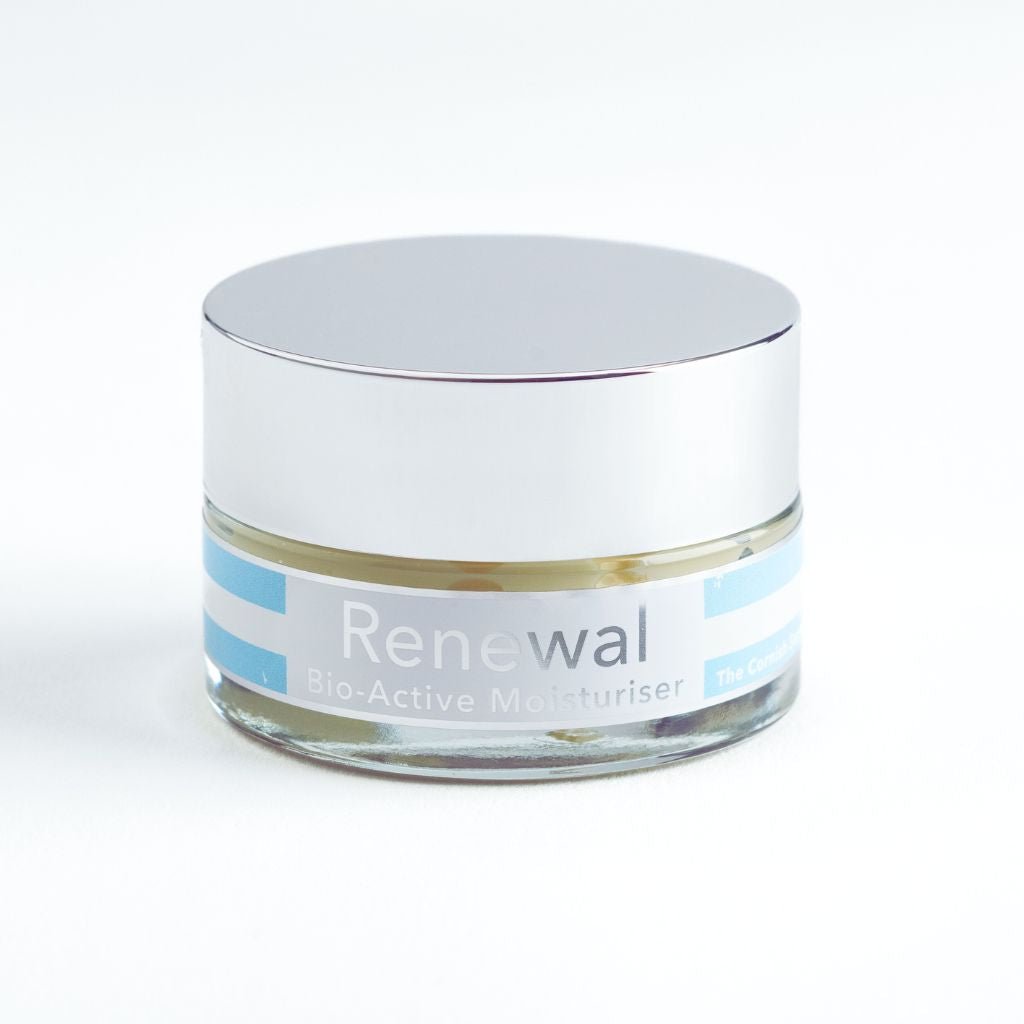
Integrate foaming cleansers into your complete routine following this sequence: cleanse, tone, serum, moisturiser, then sun protection during daytime. This order ensures each product penetrates effectively whilst building protective layers. For a nourishing finish, try pairing your cleanser with our Renewal Bio-Active Moisturiser to lock in hydration after cleansing.
Complete Cleansing Method
- Wet face with lukewarm water (10 seconds) – Prepares skin and opens pores gently
- Dispense pea-sized amount onto palm (5 seconds) – Rub between hands to create initial foam
- Massage upwards from chin (30 seconds) – Focus on T-zone where oil accumulates
- Rinse with cool water, pat dry (20 seconds) – Cool water closes pores, patting preserves moisture
- Apply follow-up products within 3 minutes – Maintains hydration momentum
For advanced cleansing, particularly when removing SPF or makeup, use double-cleanse technique: oil cleanser first to dissolve makeup, followed by your foaming cleanser for thorough purification. Enhance effectiveness with a soft cloth for gentle micro-exfoliation, avoid eye contact (rinse immediately if contact occurs), and store your cleanser upright to prevent product waste through pump malfunction.
Choosing the Best Foaming Cleanser for Face – Match to Your Skin Type
Selecting the right foaming cleanser for face requires assessing your skin's oil production, sensitivity level, and preference for natural formulations. Oily skin benefits from higher-lathering formulas, whilst sensitive skin requires minimal-ingredient formulations to prevent irritation.
Natural plant-based options like our Renewal Facial Cleanser offer gentle effectiveness through seaweed and frankincense, supporting skin balance without synthetic additives. These formulations suit those seeking botanical alternatives to conventional foaming cleansers. If you have combination skin, explore our combination skin collection for more tailored solutions.
| Skin Type | Ideal Traits | Usage Frequency | Key Focus |
|---|---|---|---|
| Oily/Combination | High lather, oil control | Twice daily | T-zone management |
| Normal | Balanced formula, gentle foam | Once daily (evening) | Maintenance cleansing |
| Dry | Hydrating ingredients, minimal foam | Every other day | Gentle refresh |
| Sensitive | Fragrance-free, plant-based | As needed | Irritation prevention |
Assess your skin's oil production using the blot test, press tissue to your T-zone one hour after cleansing. If oil appears, choose higher-lathering formulas. Prioritise products labelled "non-drying" and always trial new foaming cleansers for seven days before committing to full-size purchases. For more on how cleansers interact with the skin microbiome, see this authoritative dermatology resource.
Troubleshooting Common Issues with Foaming Cleansers for Face
Even well-formulated foaming cleansers can cause problems when used incorrectly or when they don't match your skin's needs. Most issues stem from over-cleansing, inadequate rinsing, or choosing formulations too strong for your skin type.
Dryness typically results from prolonged contact time or harsh ingredients, whilst breakouts often indicate incomplete product removal. Residue problems suggest insufficient massage time, and irritation points to ingredient sensitivity or compromised skin barrier.
Common Problems & Solutions
- Skin feels tight or dry? Switch to hydrating formulas and apply moisturiser within one minute of cleansing
- Experiencing breakouts? Ensure complete rinsing with cool water for 30 seconds, focusing on hairline and jaw
- Product leaves residue? Extend massage time to 45 seconds and pat skin dry rather than rubbing
- Irritation or redness? Choose fragrance-minimal formulations like plant-based options with gentle essential oils
Adjust usage frequency based on your skin's response, once or twice daily depending on oil production and environmental factors. Advanced users can test product pH using strips (aim for 5.5-6.5), but consult a skincare professional if problems persist beyond two weeks of adjusted usage. For further reading on the science of cleansers, see this peer-reviewed article on cleanser effects.
Why Our Renewal Facial Cleanser Fits as Your Natural Foaming Choice

Our Renewal Facial Cleanser combines the gentle effectiveness of saponified olive, coconut, castor seed, and jojoba oils with Cornwall's mineral-rich Fucus Serratus seaweed and calming frankincense. This botanical formulation creates mild, nourishing foam that supports skin balance whilst thoroughly removing daily impurities. If you prefer a travel-friendly option, try our Mini Renewal Bio-Active Moisturiser as a perfect companion for on-the-go hydration.
The blend of frankincense, rose absolute, rose geranium, lavender, and ho wood provides aromatherapeutic benefits during your cleansing ritual, making it particularly suitable for normal-to-oily skin seeking natural alternatives. Simply dispense a pea-sized amount, create gentle lather, massage for 30-45 seconds, and rinse thoroughly, experience the calm that comes from connecting with Cornwall's coastal botanical wisdom in your daily routine. For more tips on moisturising after cleansing, check out our moisturisers for face blog.
Frequently Asked Questions
How does a foaming cleanser work differently from traditional cream cleansers?
A foaming cleanser transforms into airy bubbles when mixed with water, using gentle surfactants to lift impurities without relying on emollients like traditional cream cleansers. This bubble structure traps oil, dirt, and makeup particles, rinsing away cleanly without leaving residue on the skin.
Is a foaming cleanser suitable for oily and combination skin types?
Yes, foaming cleansers are particularly effective for oily and combination skin as they help control excess sebum while supporting skin balance. Their light, airy texture cleanses thoroughly without the heaviness of cream-based alternatives.
What ingredients make foaming cleansers gentle yet effective for sensitive skin?
Gentle surfactants derived from plant oils, such as olive, coconut, and castor oils, create a soft foam that cleanses without harsh detergents. Ingredients like seaweed (Fucus Serratus) and soothing essential oils help support and nourish sensitive skin while maintaining a calm complexion.
What is the best way to use a foaming cleanser to achieve optimal skin balance?
For best results, gently work the cleanser into a lather with water before applying to your face, then rinse thoroughly to avoid residue. Testing the foam’s gentleness on your hand first and choosing sulphate-free options can help maintain your skin’s natural moisture and balance.
A picture tells a thousand words: out of necessity, some images in this blog post have been created using artificial intelligence models. This is to help us bring to life & more comprehensively express the written content within this post. We only use artificially generated images when we don’t have a suitable image available to us.