 Spring Sale!



hair thinning during perimenopause
Hair thinning during perimenopause affects roughly half of women over 50, yet many feel unprepared for this visible shift. As oestrogen levels fluctuate and eventually decline, they take with them their protective effect on your hair cycle. Androgens, though not necessarily rising in absolute terms, gain a stronger foothold. The result? More strands resting, fewer actively growing, and a noticeable change in density that can feel both frustrating and isolating.
The good news? Many women experience temporary telogen effluvium, which often improves after menopause. Understanding what's happening beneath the surface helps you respond with clarity rather than panic, and mineral-rich, natural care can support your scalp through this transition without harsh stripping or irritation.
Why Hair Thins During Perimenopause
The Role of Declining Oestrogen
Oestrogen extends the anagen (growth) phase of your hair cycle, keeping individual strands on your scalp for longer. As production fluctuates during perimenopause, this protective effect weakens. Follicles shift more quickly into telogen--the resting phase--meaning more hairs shed simultaneously and fewer remain actively growing. You're not imagining the increased hair in your brush.
How Androgens Shift the Hair Growth Cycle
Whilst absolute androgen levels may not rise dramatically, their relative influence increases when oestrogen falls. Dihydrotestosterone (DHT), a potent androgen metabolite, binds to follicle receptors and miniaturises them over time. This shortens the growth phase and produces finer, shorter hairs, particularly around the crown and part line. It mimics male-pattern thinning but typically in a diffuse pattern.
Telogen Effluvium: Temporary Shedding Explained
Hormonal turbulence often triggers telogen effluvium, a condition in which a larger proportion of follicles enter the resting phase at once. You'll notice increased shedding two to three months after a stressor or hormonal shift. This form of hair loss is usually reversible once hormone levels stabilise, though recovery takes patience and consistent scalp support.
Other Contributing Factors Beyond Hormones
Iron deficiency, thyroid dysfunction, inadequate protein intake, and chronic stress can compound hormonal thinning. Sleep disruption and inflammation, both common during perimenopause, further compromise follicle health. Addressing these variables alongside hormonal changes creates a more supportive environment for regrowth.
Recognising the Symptoms and Patterns
Common Signs of Perimenopause-Related Thinning
You may notice more hair in your brush, a wider parting, or reduced ponytail thickness before visible bald patches appear. Shedding often increases during washing or styling, and regrowth feels slower or finer than before. These changes typically unfold gradually over months.
Where Hair Loss Typically Appears
Women usually experience diffuse thinning across the crown and central scalp rather than a receding hairline. The temples and sides often remain relatively preserved, though some notice reduced density around the face. This pattern helps distinguish perimenopause-related loss from other causes.
How Texture and Appearance Change
Individual strands may become finer, drier, or more brittle as sebum production declines. Reduced elasticity increases breakage, and grey hairs--which lack melanin and some structural proteins--can feel coarser. These textural shifts amplify the visual impact of thinning even when follicle count remains stable.
Will Your Hair Grow Back? What the Evidence Shows
Reversibility of Telogen Effluvium
Telogen effluvium typically resolves within six to twelve months once the triggering factor stabilises. Follicles remain intact and capable of producing new growth, though the timeline varies. Consistent scalp nourishment and stress reduction support this natural recovery process. For more detailed scientific insights on reversible hair loss mechanisms, refer to the reversibility of telogen effluvium.
Female Pattern Hair Loss and Long-Term Outlook
Androgenetic alopecia, or female pattern hair loss, is progressive and less likely to reverse fully without intervention. Follicle miniaturisation advances gradually. Complete baldness is rare, but density may continue to decline. Early, sustained care can slow progression and maintain existing hair quality.
Nourishing Your Scalp and Hair Naturally
Why Scalp Health Matters During Perimenopause
A well-nourished scalp supports resilient follicles. Inflammation, dryness, and poor circulation compromise hair growth, and perimenopause often makes these concerns more noticeable. Mineral-rich, antioxidant-dense formulations support the scalp environment without stripping natural oils or irritating sensitised skin.
Seaweed, Minerals and Antioxidants for Follicle Support
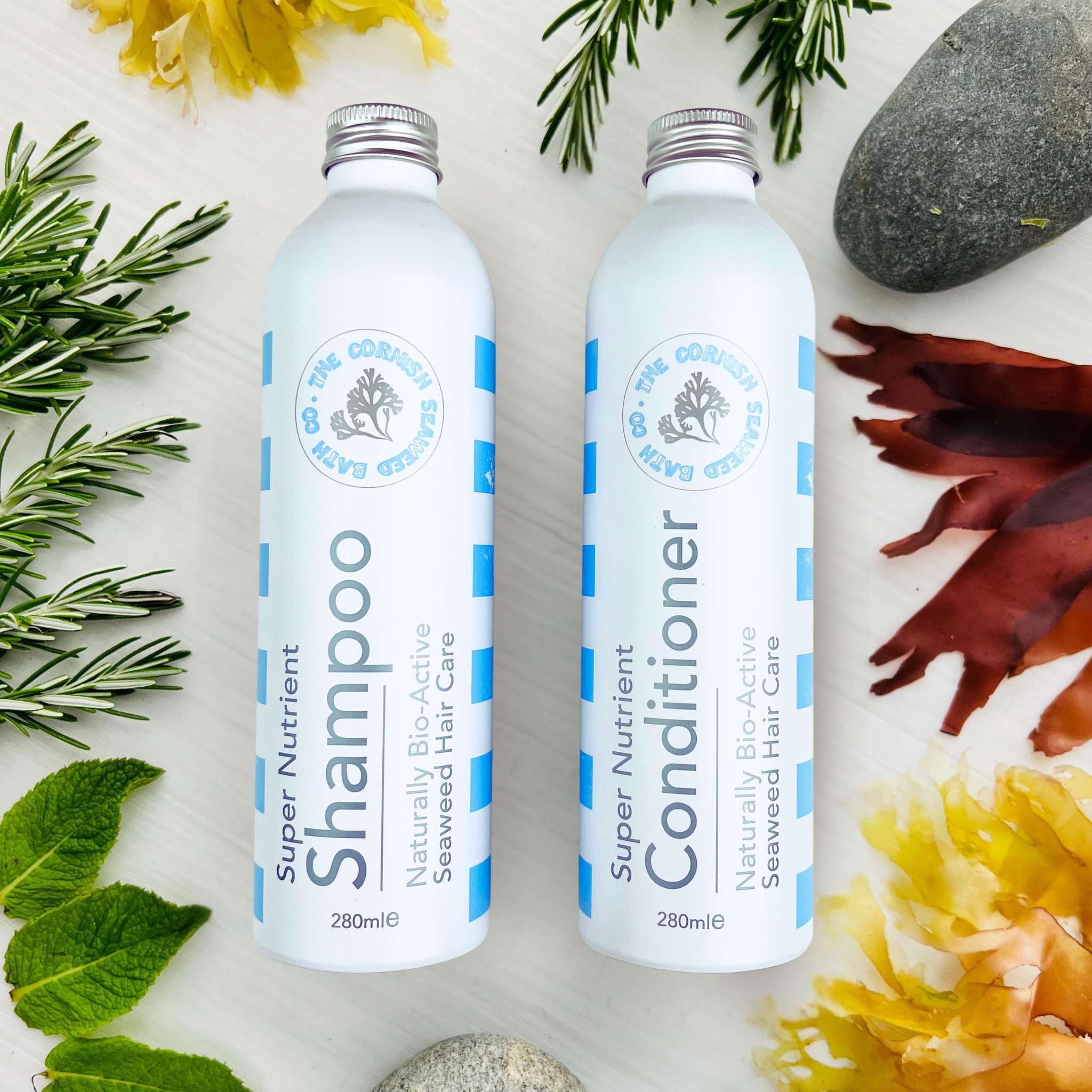
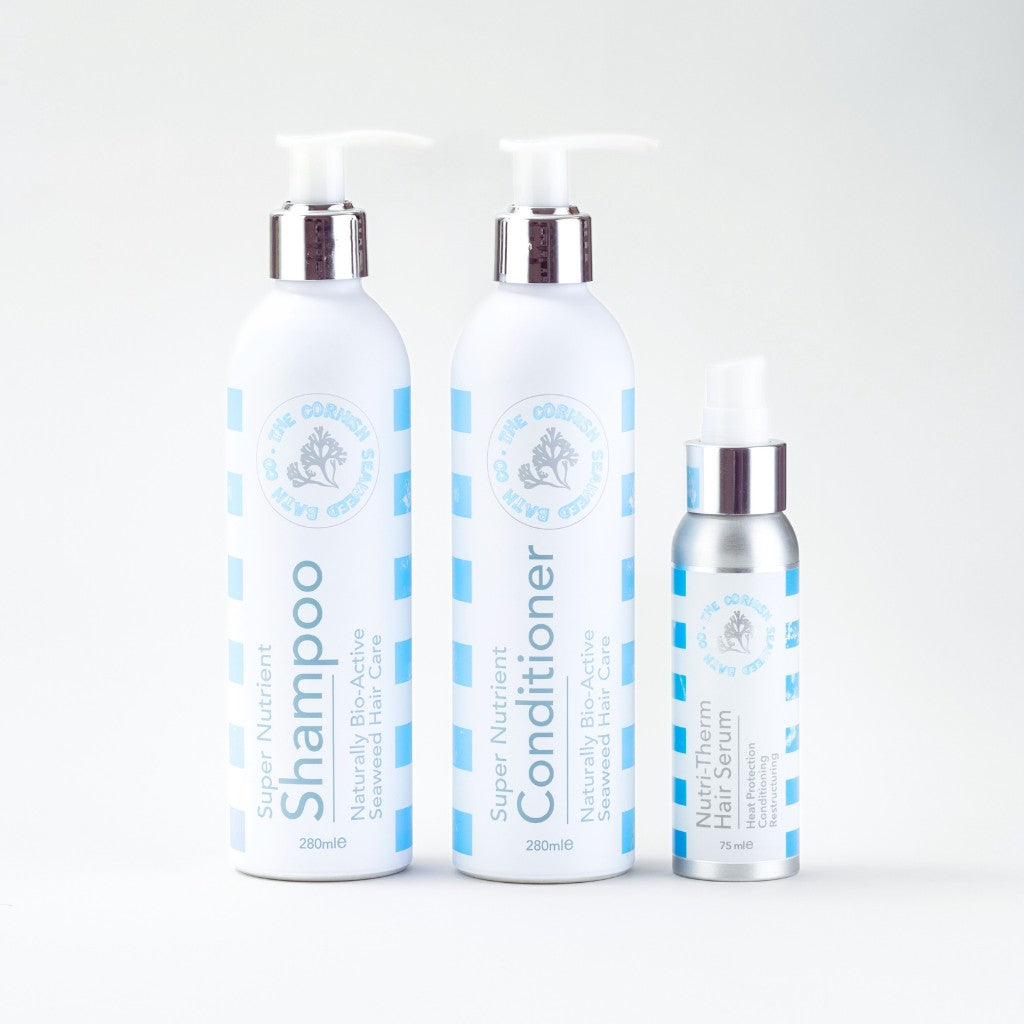
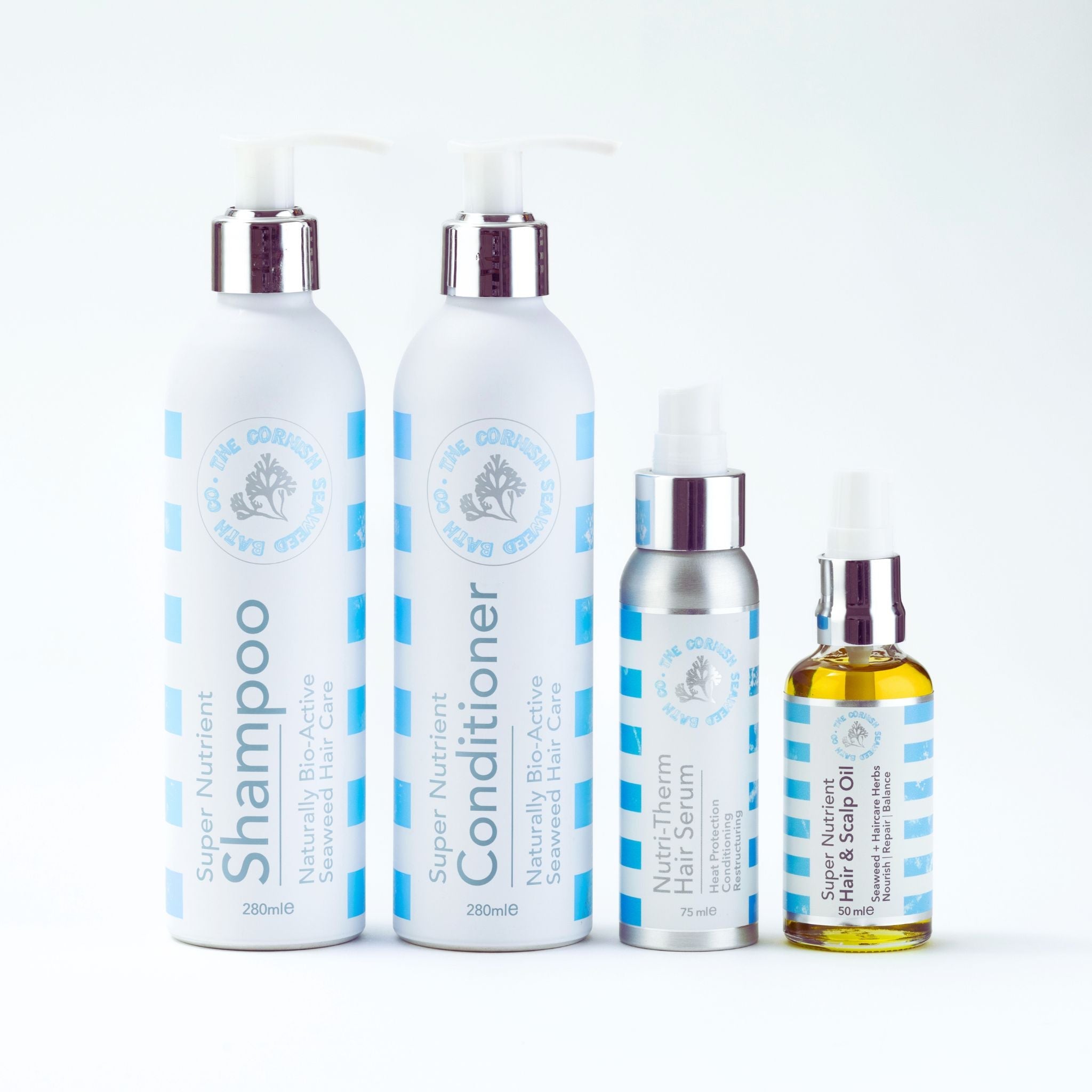
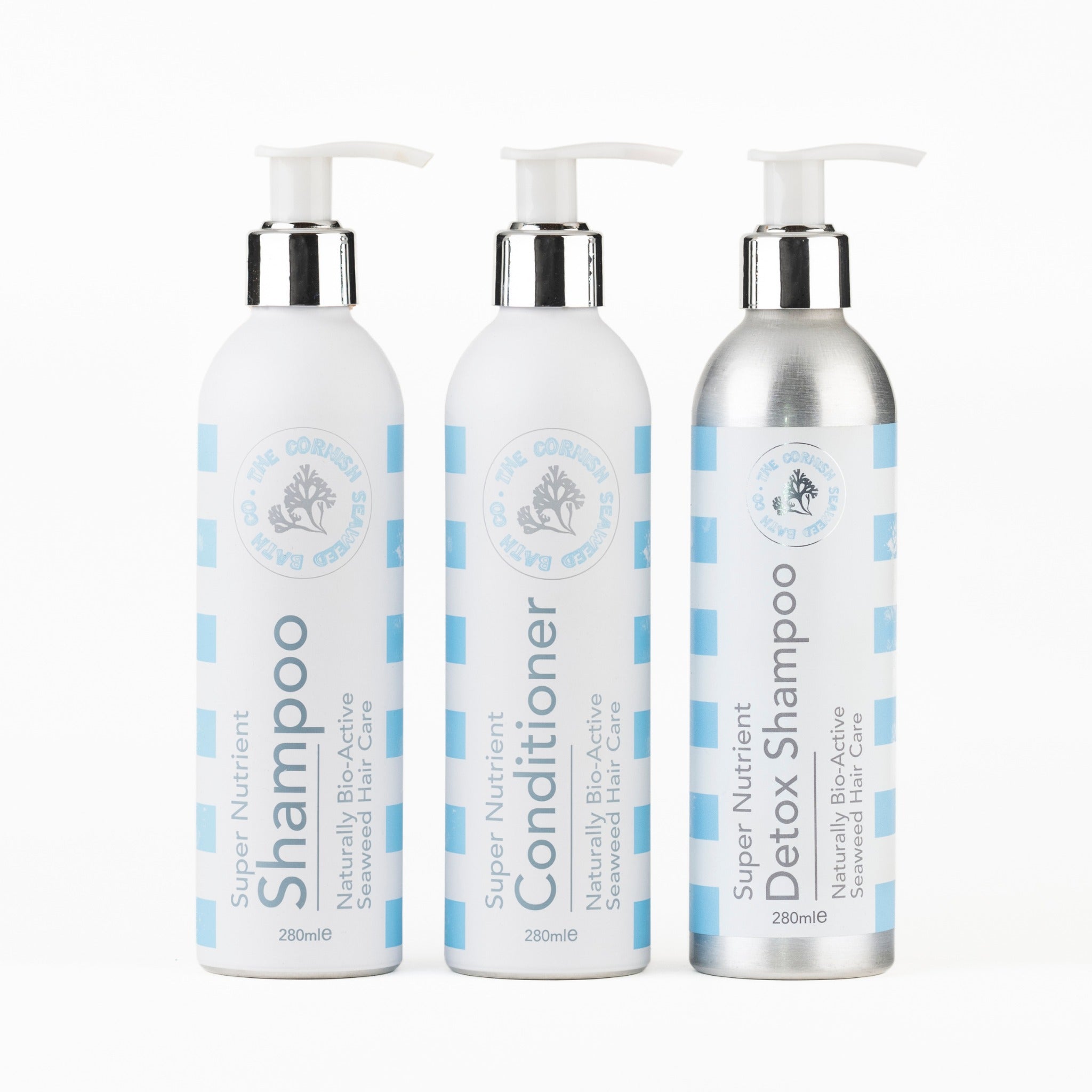
Wild Cornish seaweed delivers trace minerals, amino acids, and polysaccharides that support scalp hydration and cellular function. Our Super Nutrient Shampoo and Super Nutrient Conditioner combine Fucus serratus seaweed with tuber fleeceflower root, Angelica sinensis, and frankincense to nourish the scalp and support hair strength. Argan oil and oat kernel oil provide essential fatty acids, whilst D-panthenol improves moisture retention.
Building a Gentle, Consistent Routine
Wash your hair when it feels necessary rather than adhering to rigid schedules. Over-washing strips protective oils, whilst under-washing allows build-up that can irritate the scalp. Apply a small amount of our Super Nutrient Shampoo to wet hair and scalp, massaging gently to encourage circulation without aggressive scrubbing. Follow with the Super Nutrient Conditioner, applying to mid-lengths and ends and leaving for 1-3 minutes before rinsing thoroughly with lukewarm water to preserve moisture and minimise stress on fragile strands.
For targeted scalp support, our Super Nutrient Hair & Scalp Oil combines oat kernel oil, jojoba oil, and broccoli seed oil with tuber fleeceflower root, eucommia bark, and Fucus serratus seaweed. Pump onto the scalp and comb through the lengths. Leave on for 20 minutes or overnight, then shampoo and condition. This pre-wash treatment helps restore scalp comfort and soften dry hair whilst supporting a healthier-looking finish.
Lifestyle and Complementary Approaches
Nutrition, Stress and Sleep: The Supporting Pillars
Adequate protein intake--roughly 1.2 grams per kilogram of body weight daily--provides the amino acids required for keratin synthesis. Iron, zinc, and B vitamins support cellular metabolism within follicles, whilst omega-3 fatty acids may help calm inflammation. Chronic stress elevates cortisol, which disrupts the hair cycle and increases telogen effluvium. Prioritising seven to eight hours of sleep per night supports recovery and steadier hormone regulation.
Scalp Massage and Circulation
A daily five-minute scalp massage with fingertips (not nails) increases local blood flow and may support the anagen phase. Use gentle, circular motions across the entire scalp, focusing on areas of thinning. Pairing massage with our Hair & Scalp Oil turns it into a calming ritual that supports both physical and emotional wellbeing.
When to Seek Professional Guidance
Consult a healthcare professional if shedding persists beyond six months, you notice sudden bald patches, or hair loss occurs alongside unexplained fatigue or weight changes. Blood tests can identify thyroid dysfunction, anaemia, or nutritional deficiencies that may require medical treatment. Natural care complements professional support rather than replaces it.
Integrating Natural Care into Your Wellbeing Ritual
Treating hair thinning during perimenopause as part of broader self-care reduces anxiety and fosters patience. Establish a weekly scalp-nourishing routine alongside practices that support hormonal balance, such as moderate exercise, mindful eating, and stress reduction. Our seaweed-based haircare range offers a sensory way to honour your body's transition whilst supporting the scalp with mineral-rich, plant-derived ingredients. Consistency matters more than perfection. Small, sustained actions add up over months.
Complementary Scalp Support Tools
Light Hold Hair Mousse for Volume
Our Light Hold Hair Mousse adds body and texture without weighing down fine strands. Fucus serratus seaweed pairs with broccoli seed oil, bamboo, eclipta, aloe vera, and panthenol to help coat the hair shaft, creating the appearance of fuller coverage whilst supporting moisture retention. Dispense 1-2 pumps into your palm and apply through damp hair--roots for lift, mid-lengths and ends for definition--then style as usual. The non-aerosol, non-sticky formula provides natural hold and movement, avoiding stiffness that can draw attention to sparse areas, and it helps with frizz control.
Nutri-Therm Hair Serum for Heat Protection
Heat styling can weaken already fragile perimenopausal hair. Our Nutri-Therm Hair Serum forms a protective layer with seaweed (Fucus serratus), bamboo leaf, eclipta, broccoli seed oil, and plant proteins, helping to reduce thermal damage whilst supporting the cuticle. Apply a small amount to damp or towel-dried hair before heat styling, distributing through mid-lengths and ends. This lightweight leave-in conditioner and natural heat protector helps preserve hair quality and reduce breakage that can make thinning appear more pronounced.
Realistic Expectations and Patience
Timeline for Visible Improvement
Hair grows approximately one centimetre per month, meaning regrowth after telogen effluvium often takes three to six months to become noticeable. Follicle miniaturisation linked with androgenetic alopecia responds more slowly, with stabilisation often taking around twelve months of consistent care. Track progress with photographs rather than daily mirror checks, which can increase anxiety and mask gradual change.
Managing the Emotional Impact
Hair changes during perimenopause carry emotional weight beyond appearance. If you're grieving a sense of youthfulness or confidence, you're not alone. Acknowledge these feelings without judgement, and consider support from trusted friends, a therapist, or moderated online communities if distress persists.
When Natural Care Is Sufficient
Mild to moderate diffuse thinning, particularly when linked to temporary telogen effluvium, often responds well to nutrient-rich scalp care, stress management, and dietary optimisation. If you notice steady improvement over six months and hair loss doesn't undermine day-to-day confidence, natural approaches may offer adequate support without medical intervention.
Considering Medical Options
Topical minoxidil remains the most researched option for female pattern hair loss, with evidence showing stabilisation or modest regrowth in many users. Hormone replacement therapy may benefit some women, though effects on hair vary. Discuss options with a healthcare professional who can assess your hormone profile, health history, and treatment goals. Natural scalp care sits alongside medical approaches by supporting scalp condition and hair quality. Recent advances and research in pharmacology offer promising insights into these treatments, as detailed in this pharmacological review.
Long-Term Hair Health Strategy
Hair thinning during perimenopause reflects broader physiological changes that often respond best to steady, multi-layered care. Start with a simple baseline routine using our Super Nutrient Shampoo and Super Nutrient Conditioner, then add weekly Hair & Scalp Oil treatments. Monitor your response over three to six months, adjusting frequency or adding supportive products such as the Light Hold Hair Mousse if you want more volume. Pair topical care with adequate protein intake, good iron and zinc status, and stress support to help keep telogen shedding in check.
Complete restoration to pre-perimenopausal density may not always be realistic, particularly if androgenetic alopecia is part of the picture. Focus instead on keeping existing hair in good condition whilst creating a supportive environment for regrowth. Our seaweed-based formulas offer mineral-rich nourishment without harsh detergents, which suits a gentle, long-term approach to scalp comfort.
Perimenopause is a transition, not an ending. Responding with informed, compassionate care helps you feel steadier during hormonal shifts whilst supporting the hair you have.
Frequently Asked Questions
How to stop perimenopausal hair loss?
While completely stopping perimenopausal hair loss can be complex due to hormonal shifts, you can certainly support your hair and scalp through this transition. Focusing on gentle, nutrient-dense scalp care, managing stress, and maintaining realistic expectations creates a nurturing environment for your hair. Products like our Super Nutrient Shampoo and Conditioner, enriched with wild Cornish seaweed, offer mineral-rich support to the scalp.
What does low estrogen hair loss look like?
Hair thinning linked to declining oestrogen often appears as a diffuse reduction in density across the crown and central scalp. You might notice a wider parting, a thinner ponytail, or more hair shedding during washing or brushing. Individual strands can also become finer, drier, or more brittle.
Does perimenopause cause thin hair?
Yes, perimenopause is a common time for women to experience hair thinning. The natural decline in oestrogen levels and a relative increase in androgen activity alter the hair's growth cycle. This shift can lead to increased shedding and reduced hair density, affecting roughly half of women over 50.
What vitamins help with perimenopause hair loss?
Addressing underlying nutrient deficiencies, such as iron or protein, can certainly support overall hair health during perimenopause. Beyond specific vitamins, focusing on mineral-rich scalp care provides a supportive environment for follicles. Our Super Nutrient Shampoo and Conditioner, featuring wild Cornish seaweed, deliver trace minerals and amino acids to nourish the scalp.
How to thicken hair in perimenopause?
Supporting your hair's strength and appearance during perimenopause involves a gentle, consistent approach to scalp care. Nourishing your scalp with mineral-rich formulations can help create a healthy foundation for existing hair. Our Super Nutrient Shampoo and Conditioner, with Fucus serratus seaweed and botanicals, are crafted to nourish the scalp and support hair strength, helping to maintain its quality.