 Spring Sale!

 Spring Sale + Free Extra Skincare!



itchy scalp relief menopause
Understanding Itchy Scalp During Menopause
Persistent scalp itching during menopause often traces back to one underlying cause: falling oestrogen levels. As oestrogen declines, the scalp's natural oil production slows, leaving skin drier, more reactive, and quicker to irritate. Targeted, gentle care with soothing botanicals supports moisture balance without aggravating already sensitive skin.
During perimenopause and beyond, hormonal shifts affect sebaceous gland activity across the whole body -- and the scalp is no exception. The result is often tightness, flaking, or itching that worsens with stress or cooler weather. This isn't something to dismiss; it's a legitimate physiological response that deserves thoughtful attention.
Worth knowing: Scalp skin and facial skin share the same hormonal sensitivity. The same dryness affecting your face during menopause is very likely affecting your scalp, too.
Why Consistent Scalp Care Matters at This Stage
Addressing scalp comfort consistently -- rather than reactively, once the itch becomes unbearable -- helps prevent the itch-scratch cycle that compounds skin barrier damage over time. A calmer scalp also creates a healthier environment for hair follicles, which can already be under pressure from hormonal hair thinning during this period.
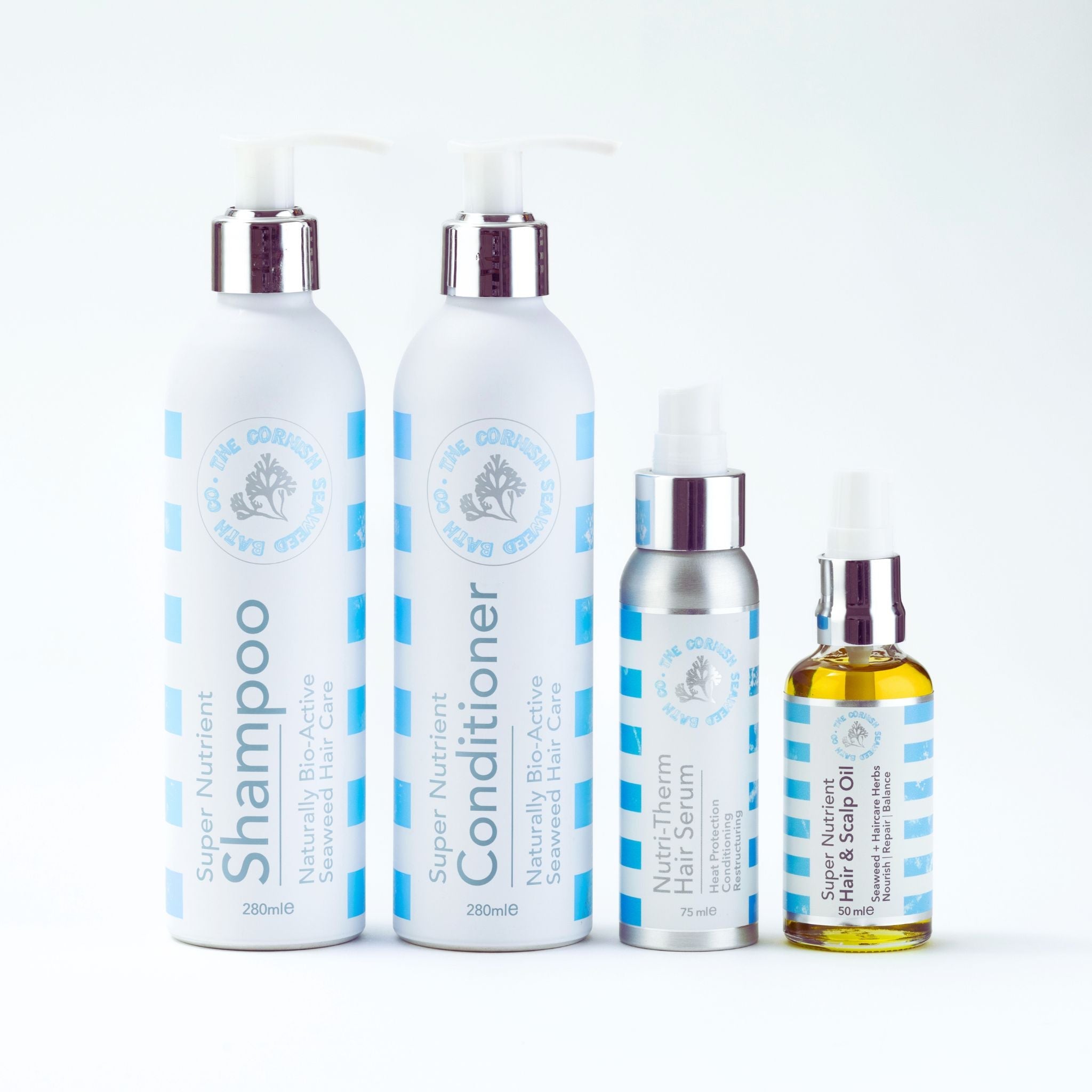
Formulations built on naturally soothing botanicals, rather than synthetic fragrance or harsh surfactants, lower the risk of further irritation on sensitised skin. Our Super Nutrient Hair & Scalp Oil takes exactly this approach, combining seaweed (Fucus serratus), oat kernel oil, and jojoba oil to soothe without stripping.
How to Choose the Right Scalp Relief Approach
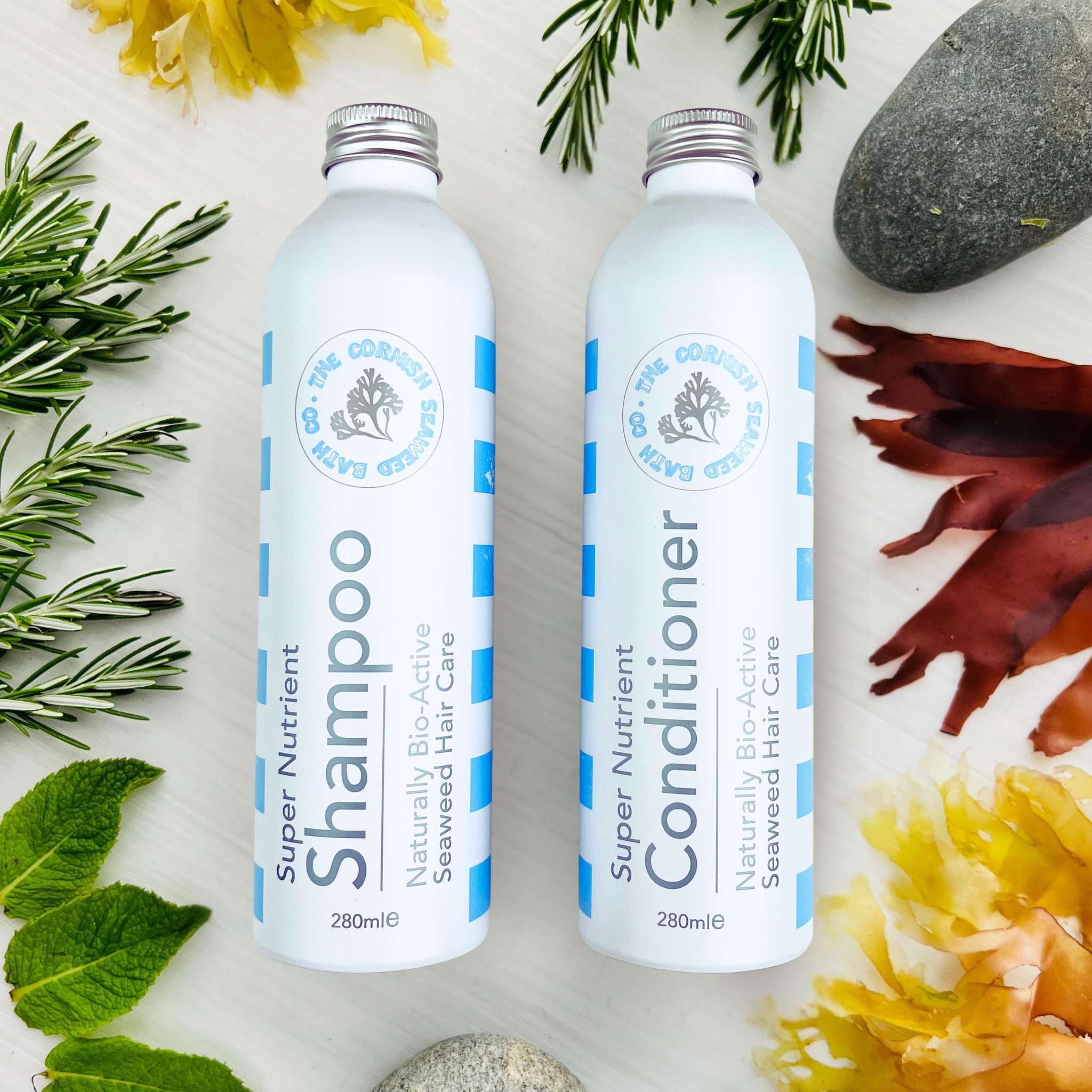
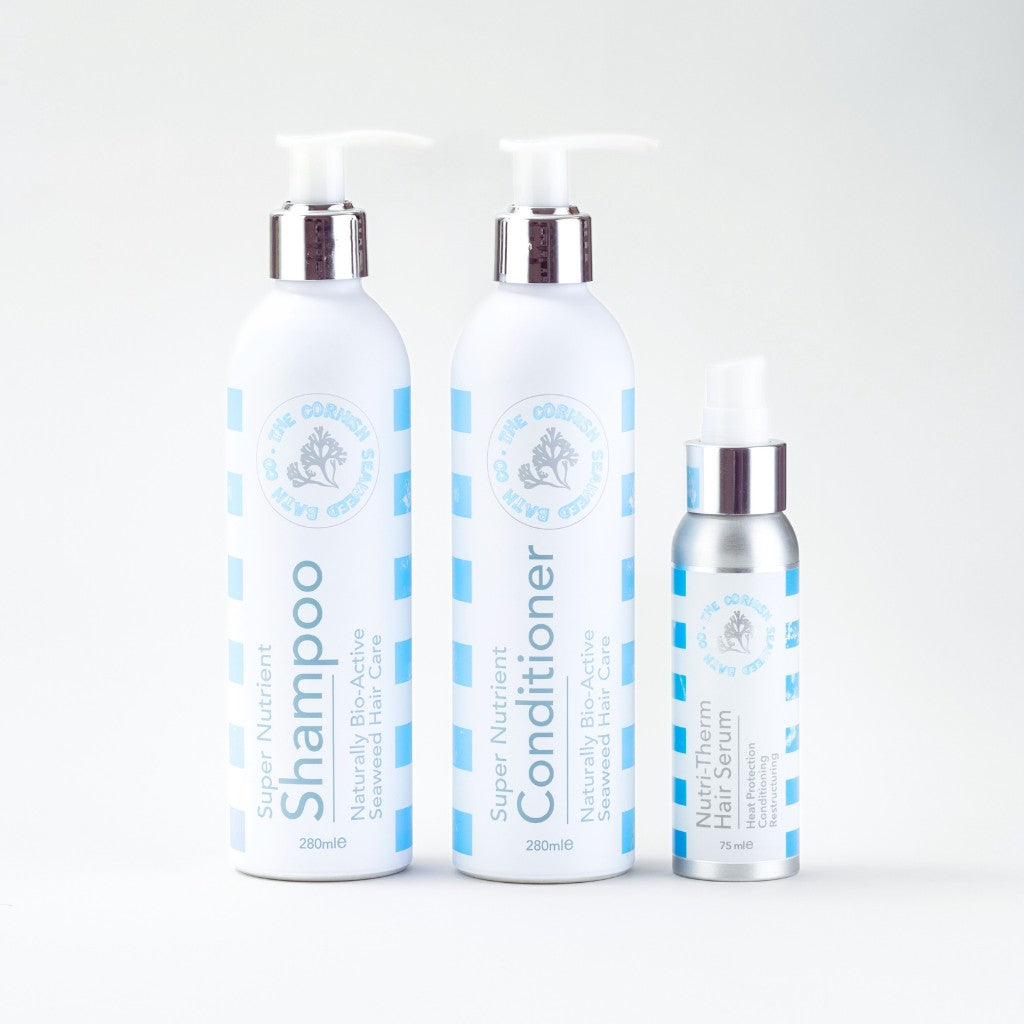
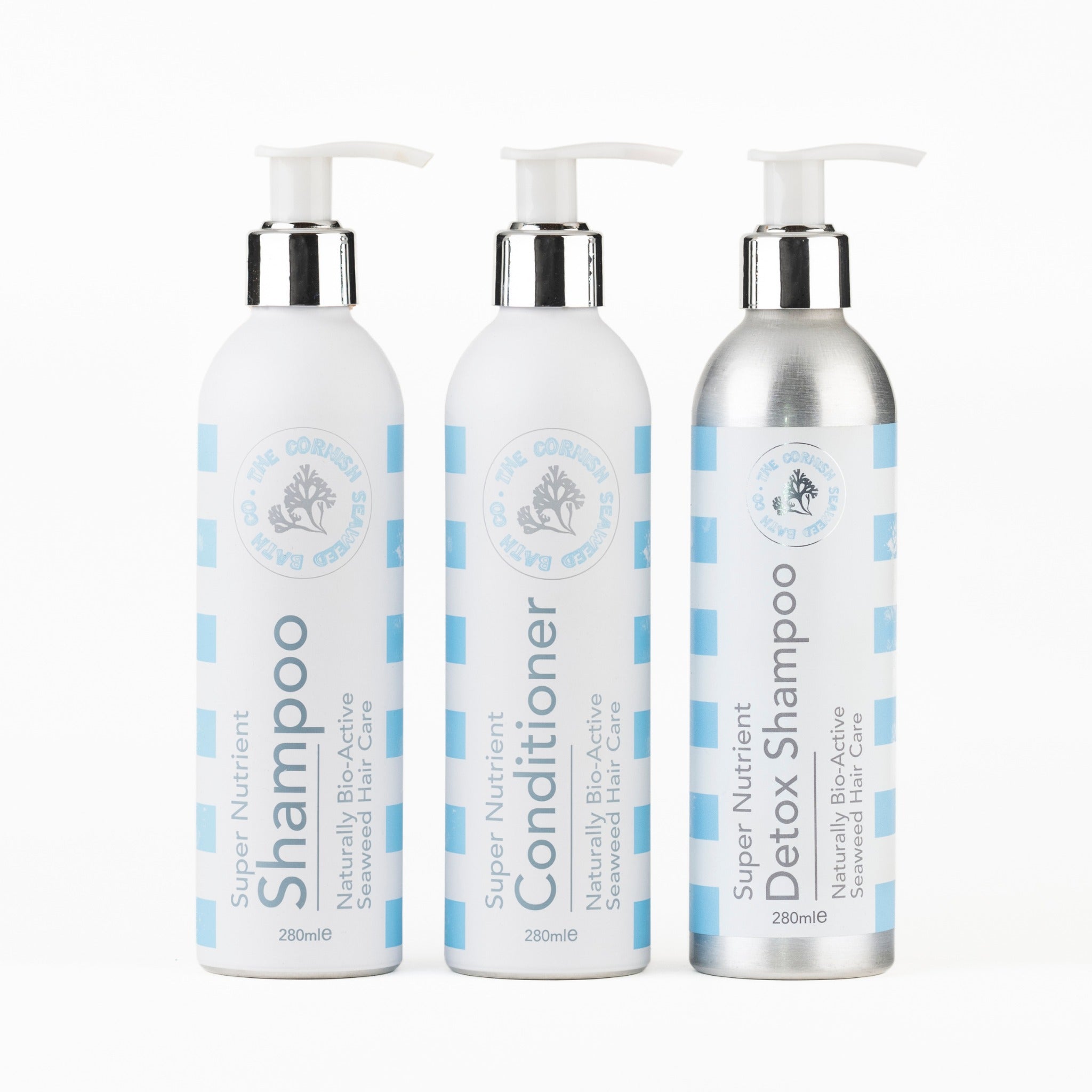
Start with a sulphate-free cleanser. Our Super Nutrient Shampoo and Super Nutrient Detox Shampoo both use natural, sulphate-free cleansers alongside seaweed to support scalp condition without over-stripping -- the key difference being that the Detox Shampoo uses stronger natural cleansers for those needing a deeper cleanse.
For targeted relief between washes, our Super Nutrient Hair & Scalp Oil works as a pre-wash treatment: pump it onto the scalp, comb through to the lengths, and leave for at least 20 minutes -- or overnight -- before shampooing out and conditioning. Wash frequency is personal; scalp oiliness, activity levels, and product use all factor in, so follow what suits you rather than a fixed rule.
Cooler water temperatures when washing may also help reduce scalp inflammation and preserve the natural oils that hot water strips. Small habits -- correct product dosage, recycling packaging -- add up too.
Frequently Asked Questions
Why does my scalp become itchy during menopause?
Declining oestrogen can reduce sebaceous gland activity, leaving the scalp drier and more reactive. This hormonal shift can affect skin barrier function across the body, and the scalp is particularly susceptible given its density of follicles and oil glands.
Which ingredients are most soothing for a menopausal scalp?
Sulphate-free cleansers, seaweed (Fucus serratus), oat kernel oil, and jojoba oil are well-regarded for supporting scalp moisture without stripping. Our Super Nutrient Hair & Scalp Oil combines several of these to soothe the scalp and soften dry hair as a pre-wash treatment.
Can a scalp oil genuinely help with itching?
Applied directly to the scalp, a well-formulated oil can support the skin barrier and reduce tightness between washes. Our Super Nutrient Hair & Scalp Oil uses jojoba oil, oat kernel oil, and seaweed (Fucus serratus) for this purpose. Use it as a pre-wash treatment: pump onto the scalp, comb through the lengths, leave it for 20 minutes or overnight, then shampoo it out and condition.
Does water temperature affect scalp irritation?
Yes. Cooler water may help reduce scalp inflammation and preserve natural oils that hot water can deplete. Adjusting temperature is one of the simplest, most immediate steps towards a more comfortable scalp during menopause. Scalp inflammation studies support this approach.
How often should I wash my hair during menopause?
There is no single correct answer. Wash frequency depends on scalp oiliness, activity levels, and individual preference. Focus on using a gentle, sulphate-free shampoo suited to a sensitised scalp rather than adjusting frequency based on general rules.
Building a Routine That Lasts
Effective scalp care during menopause isn't about finding a single miracle product -- it's about building consistent, gentle habits that your scalp can rely on. A sulphate-free shampoo, a targeted pre-wash scalp oil, and cooler washing temperatures form a solid, unfussy foundation. Our Super Nutrient Hair & Scalp Oil and Super Nutrient Shampoo work well together as anchors for this kind of routine.
A note on realistic expectations: Scalp skin responds gradually. Give any new routine four to six weeks before assessing whether it is genuinely helping, rather than switching products at the first sign of slow progress.
Ingredient transparency matters more when skin is reactive. Formulations built around seaweed (Fucus serratus), oat kernel oil, jojoba oil, and natural cleansers give you a clearer picture of what's actually touching your scalp -- reassuring at a time when sensitivity can shift without warning.
Hair changes during menopause can be frustrating, but understanding what's driving them makes a real difference to how you manage them. For more on hair changes during menopause and treatment, this resource offers valuable context. And to explore our full haircare selection for sensitive scalps, visit our haircare collection.
Frequently Asked Questions
What helps itchy scalp during menopause?
Finding comfort for an itchy scalp during menopause often begins with understanding the body's natural shifts. Gentle, consistent care using products with soothing botanicals, like seaweed and oat kernel oil, can help support the scalp's moisture balance. Also, washing with cooler water can be a simple yet effective step towards reducing irritation.
How can I treat my scalp during menopause to relieve itching?
Treating your scalp during menopause involves a thoughtful, gentle approach. Consider using sulphate-free cleansers, such as our Super Nutrient Shampoo, to clean without stripping natural oils. For targeted soothing, our Super Nutrient Hair & Scalp Oil, with jojoba oil and seaweed, can be applied as a pre-wash treatment to nourish the scalp.
How do you find relief from menopausal itching on the scalp?
Finding relief from menopausal scalp itching is about breaking the itch-scratch cycle and nurturing your scalp. Consistent use of products formulated for sensitive skin, avoiding harsh ingredients, can make a real difference. Focusing on calming and hydrating the scalp helps create a healthier environment for comfort.
Can hormonal changes cause an itchy scalp during menopause?
Yes, hormonal changes, particularly falling oestrogen levels during menopause, are a common cause of an itchy scalp. Reduced oestrogen can lessen the scalp's natural oil production, leading to dryness, increased sensitivity, and a predisposition to irritation. This is a physiological shift that deserves gentle attention.
Does a lack of oestrogen contribute to an itchy scalp?
Absolutely. A decrease in oestrogen, which is typical during menopause, directly impacts the scalp's health. This reduction can lead to drier skin and diminished sebaceous gland activity, making the scalp more sensitive and prone to persistent itching and flaking.
Why is consistent scalp care important during menopause?
Consistent scalp care during menopause is key to preventing the itch-scratch cycle, which can further compromise the scalp's skin barrier. A regular, gentle routine helps maintain a calmer, more balanced scalp. This thoughtful attention also supports a healthier environment for hair follicles, which can be under additional pressure from hormonal shifts.