 Spring Sale!



natural remedies for menopause hair loss
Natural Remedies for Menopause Hair Loss
When hair thins or changes texture during menopause, the shift can feel unsettling. Falling oestrogen levels affect the hair-growth cycle, often leading to finer strands, slower regrowth, and increased shedding. Natural remedies for menopause hair loss focus on nourishing the scalp, eating protein-rich foods, managing stress through scalp massage, and using mineral-rich seaweed haircare. Most women see improvement within three to six months when combining these approaches.
Understanding Hair Loss During Menopause and Perimenopause
Hormonal Changes and Their Impact on Hair
Declining oestrogen during perimenopause and menopause shortens the anagen (growth) phase of each hair follicle, while androgens remain relatively stable. This hormonal imbalance makes follicles shrink, producing finer, shorter strands that shed more readily. The scalp often becomes drier, affecting the environment where hair grows.
Common Symptoms: Thinning, Frizz, and Volume Loss
You might notice a widening parting, less density at the crown, or strands that feel coarser and more prone to frizz. Hair loss and menopause often appear together as increased shedding in the shower or on your brush. Texture changes—dryness, wiry regrowth—reflect shifts in the hair shaft's structure as hormone levels fluctuate.
Will Your Hair Grow Back?
Will hair loss from menopause grow back? Yes, though regrowth may be finer or slower. Follicles remain viable; they simply produce thinner strands. Nourishing the scalp, reducing inflammation, and ensuring adequate protein and micronutrients can encourage follicles to return to a more active growth phase.
Natural Remedies from Diet and Lifestyle

Nutrient-Rich Foods to Support Hair Health
Hair follicles need protein, iron, zinc, and B vitamins to function well. Include eggs, oily fish, lentils, leafy greens, and nuts in your meals. Vitamins for hair loss menopause often focus on biotin, vitamin D, and omega-3 fatty acids, which encourage keratin production and help calm scalp inflammation. A balanced plate matters more than isolated supplements.
Stress Reduction and Scalp Massage Techniques
Chronic stress raises cortisol, which pushes more follicles into the resting (telogen) phase. Gentle scalp massage for five minutes daily stimulates blood flow, bringing oxygen and nutrients to the roots. Use fingertips in small circular motions, working from the hairline to the crown—ideally before washing or while applying oil.
Hydration and Gentle Daily Habits
Drink enough water to keep the scalp supple, and avoid tight hairstyles that strain follicles. Limit heat styling and harsh chemical treatments, which worsen brittleness. Pat hair dry rather than rubbing vigorously, and choose a wide-toothed comb to minimise breakage on damp strands.
Seaweed-Based Haircare for Nourishing the Scalp
Why Minerals from Seaweed Support Scalp Balance
Seaweed, particularly Fucus serratus harvested from Cornish waters, contains iodine, magnesium, and trace minerals that help maintain a balanced scalp environment. These minerals fortify the skin's natural moisture barrier, which often becomes compromised during hormonal shifts, providing a nourishing foundation for healthier-looking hair.
Our Super Nutrient Shampoo and Conditioner
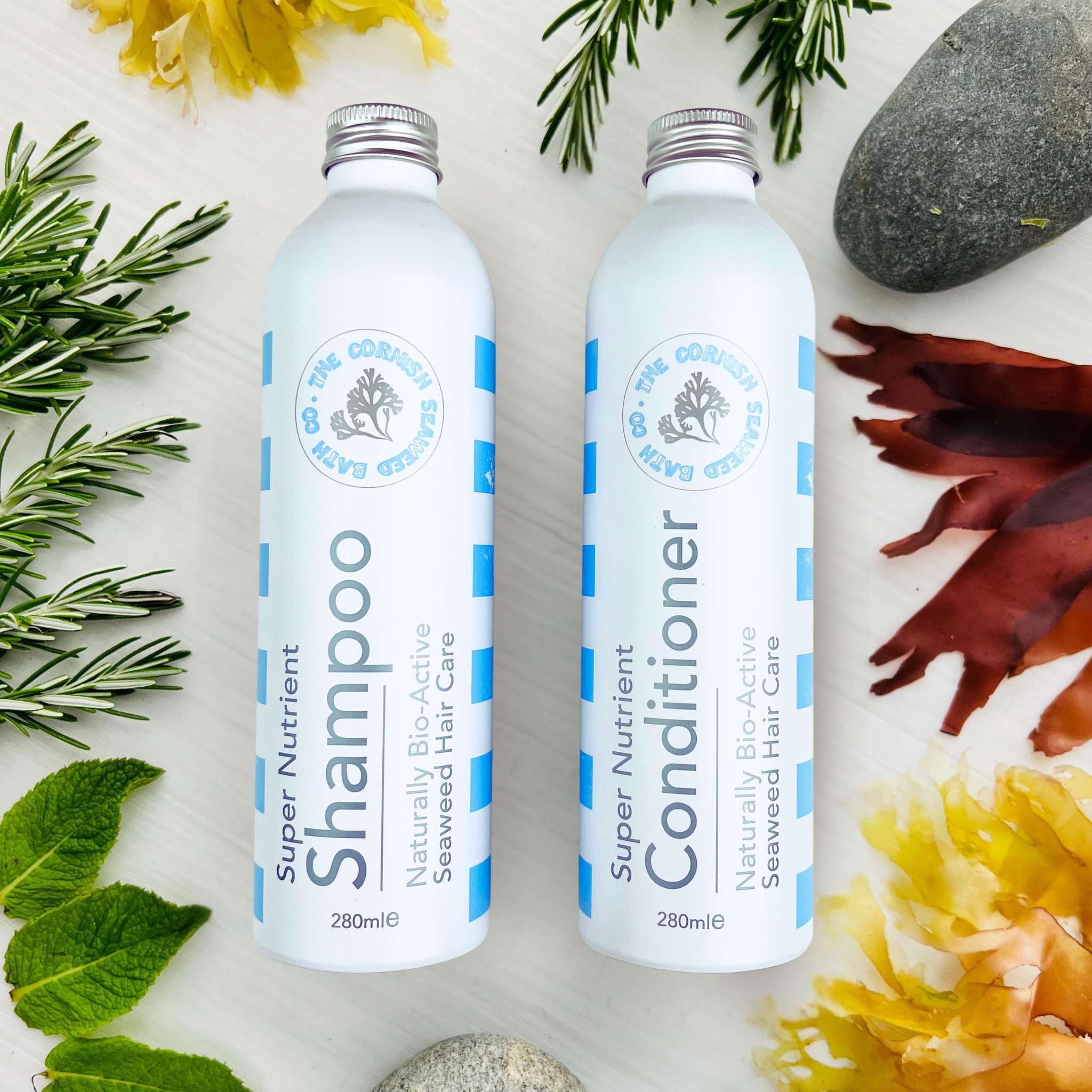
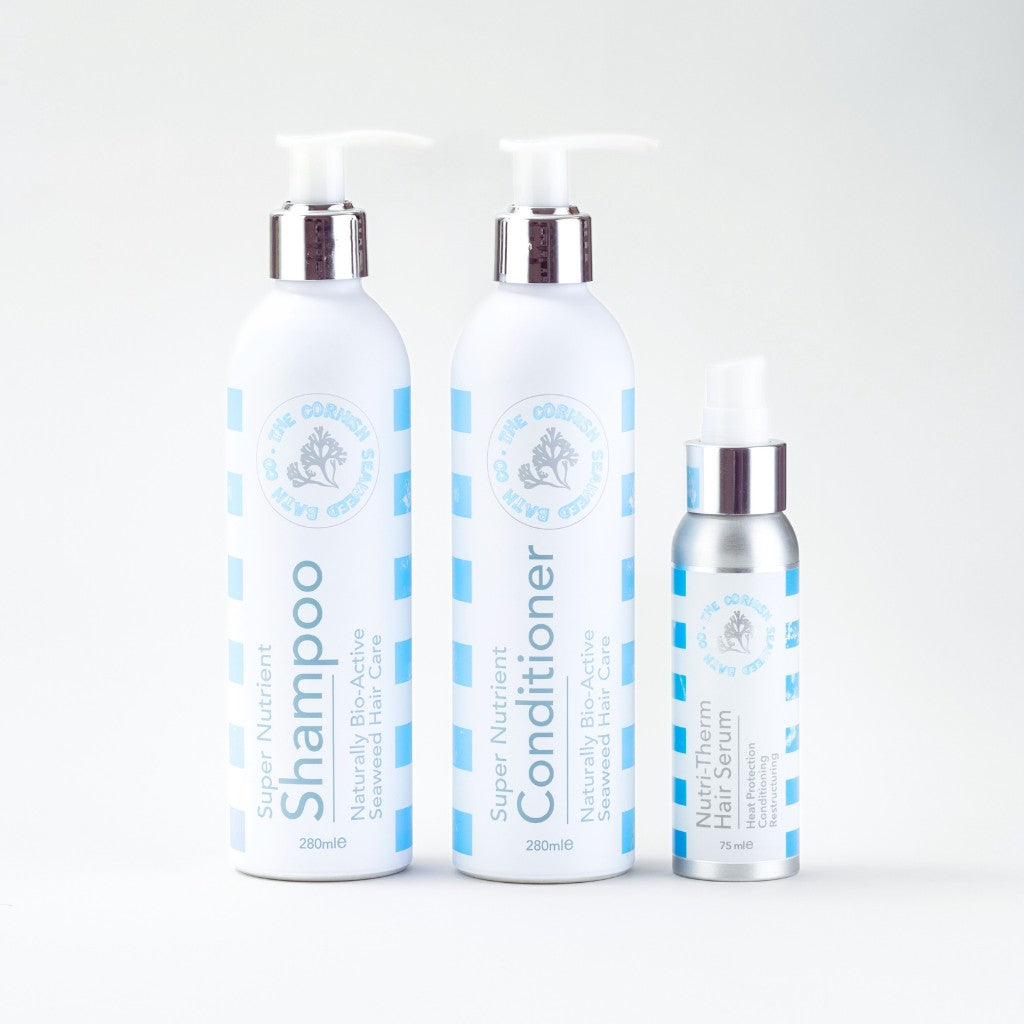
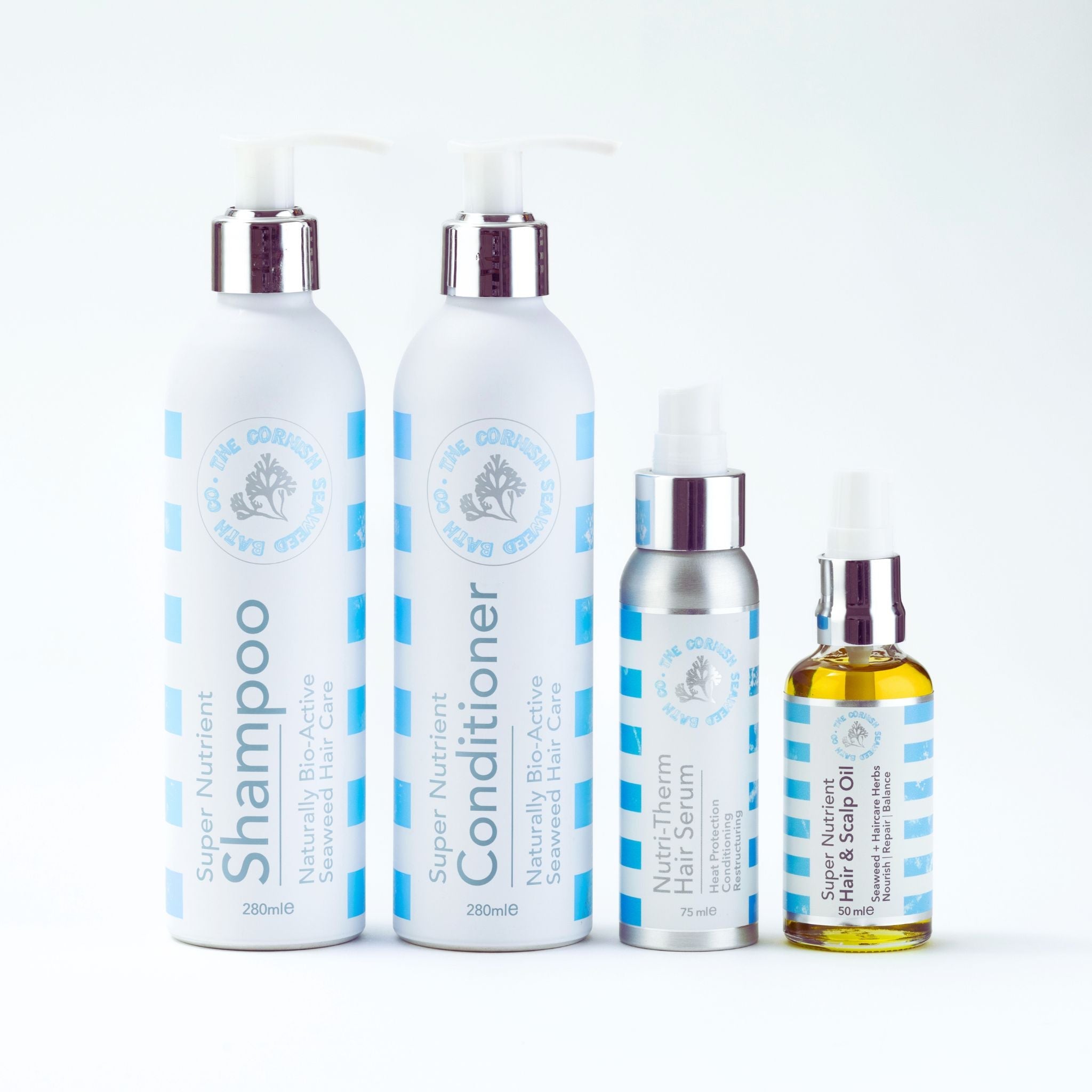
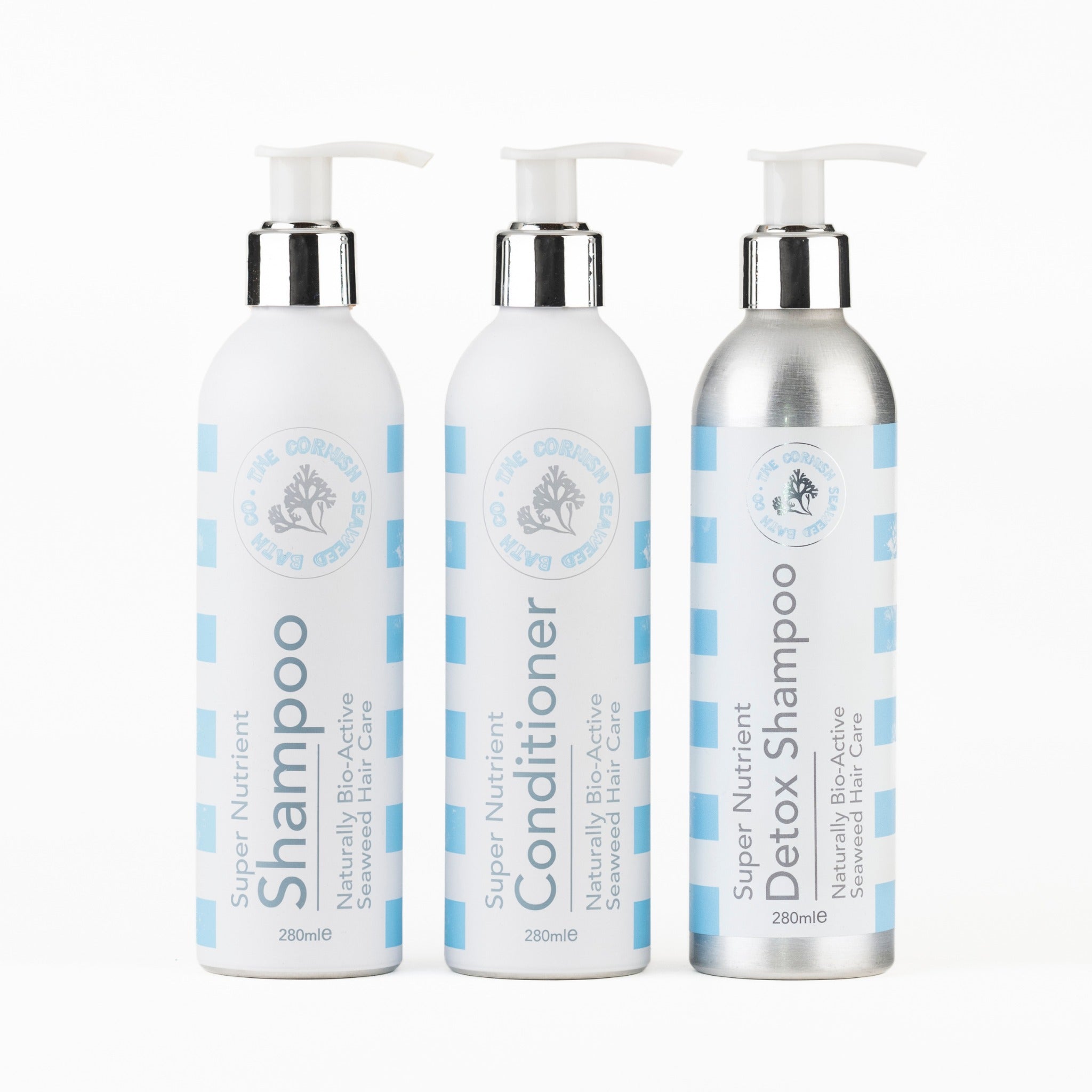
Our Super Nutrient Shampoo combines seaweed with frankincense, argan oil, and oat oil to cleanse gently without stripping natural oils. The Super Nutrient Conditioner delivers lightweight hydration without weighing hair down. Both are sulphate-free; the conditioner is also silicone-free. Use as needed, depending on your scalp's oiliness and personal preference. Discover our full natural haircare collection designed for scalp and hair health.
Super Nutrient Hair & Scalp Oil for Pre-Wash Care
This pre-wash treatment blends seaweed, oat kernel oil, broccoli seed oil, and jojoba oil to nourish the scalp and smooth the hair shaft. Pump onto the scalp and comb through the lengths. Leave on for 20 minutes or overnight, then shampoo and condition as usual. Regular use restores scalp balance, softens dry hair, and reduces dryness.
Additional Natural Hair Supports: Oils and Serums
Benefits of Targeted Hair Serums and Mousses
Serums and styling products address specific menopausal hair concerns without weighing down fine strands. Our Nutri-Therm Hair Serum smooths the cuticle and offers seaweed-enriched protection against heat stress—helpful when managing menopause frizzy hair treatment needs. Apply a small amount to damp or towel-dried hair before heat styling, distributing through mid-lengths and ends. It works as a leave-in, too.
The Light Hold Hair Mousse offers natural light hold and volume without stiffness. It adds texture and shine whilst controlling frizz. Dispense 1–2 pumps into your palm, apply through damp hair (roots for lift or mid-lengths and ends for definition), then style as usual.
Managing Frizz and Texture Changes
Menopause frizzy hair treatment relies on restoring moisture and sealing the cuticle. Use lukewarm water for rinsing, as hot water raises the cuticle and increases frizz. After conditioning, finish with a cool rinse to help the cuticle lie flatter. Pat hair gently with a microfibre towel, and let strands air-dry partially before applying any heat.
Best Treatment Approach: The best treatment for menopausal hair loss combines internal nourishment (protein, vitamins, stress management) with external care (gentle cleansing, oils, scalp massage). A simple routine maintained over three to six months yields visible improvement in density and texture.
Building a Gentle Haircare Routine for Menopause

Step-by-Step Guide to Daily and Weekly Care
Start with our Super Nutrient Shampoo as needed, adjusting frequency based on scalp oiliness and activity level. Follow with Super Nutrient Conditioner, applying to wet hair and focusing on mid-lengths and ends; leave for 1–3 minutes, then rinse. Once weekly, massage our Super Nutrient Hair & Scalp Oil into the scalp and comb through the lengths for 20 minutes (or overnight) before washing. On styling days, use the Nutri-Therm Hair Serum or Light Hold Hair Mousse to protect and add volume. Browse our haircare sets ideal for menopause-related hair concerns.
Personalising for Your Scalp and Hair Needs
If your scalp feels dry or tight, increase oil treatments to twice weekly. For oilier scalps, focus shampoo application on the roots and use conditioner only on lengths. Women experiencing significant shedding benefit from daily scalp massage with fingertips, even without product, to stimulate circulation. Adjust product amounts based on hair density: fine, thinning hair often needs less conditioner to avoid limpness, whilst coarser, drier strands suit a more generous application.
Sustainability Tips for Long-Term Nourishment
Use the right amount of product to avoid waste: a small amount of shampoo suffices for most hair lengths, and a small amount of oil covers the scalp effectively. Shorter showers with cooler water reduce environmental impact whilst protecting hair from heat damage. Recycle bottles through local schemes, and consider our soaps for body care to reduce packaging.
When to Seek Professional Advice
Natural remedies for menopause hair loss work well for many women, but sudden or patchy hair loss warrants a GP visit to rule out thyroid disorders, iron deficiency anaemia, or autoimmune conditions. If you notice bald patches, scalp inflammation, or shedding that worsens despite six months of care, a blood test can identify underlying deficiencies or hormonal imbalances that need medical attention.
Your doctor may recommend iron supplementation if ferritin levels fall below optimal ranges, or vitamin D if blood tests reveal a deficiency. Some women benefit from topical minoxidil or hormone replacement therapy; discuss these options with your clinician if natural methods alone don't restore hair density after several months.
Realistic Expectations and Timeline for Results
Hair grows approximately one centimetre per month, and follicles need time to shift from the resting phase back into active growth. Most women notice reduced shedding within six to eight weeks of starting a nutrient-rich diet and gentle haircare routine, but visible regrowth takes three to six months. New strands may appear finer at first, gradually thickening as the follicle strengthens.
Patience matters. Hormonal shifts during perimenopause and menopause don't resolve overnight, and hair responds slowly to internal changes. Track progress with monthly photographs rather than daily mirror-checking, which amplifies anxiety and stress levels that further disrupt the hair cycle. Celebrate small improvements: less hair in the shower drain, smoother texture, or a healthier-looking scalp all signal that your routine is working.
Consistency Over Perfection: A simple routine maintained faithfully outperforms an elaborate regimen followed sporadically. Choose two or three products that suit your hair type, use them as directed, and give your scalp at least twelve weeks to respond before changing course.
Long-Term Hair Health Beyond Menopause

Once you've established a routine that helps your hair through perimenopause, maintaining those habits protects against further thinning as hormone levels stabilise post-menopause. Continue prioritising protein at meals, managing stress through daily movement or mindfulness practices, and using mineral-rich seaweed haircare to keep the scalp balanced. Hair may never return to pre-menopausal thickness, but consistent care preserves density and improves overall hair quality.
Adjust your approach as your hair evolves. If strands become drier with age, increase conditioning treatments or add an extra weekly application of our Super Nutrient Hair & Scalp Oil. If volume remains a concern, the Light Hold Hair Mousse provides lift without stiffness. Pay attention to how your hair responds seasonally and after periods of stress or illness, tweaking frequency and product choice to match current needs rather than sticking rigidly to a fixed routine.
Natural remedies for menopause hair loss work best as part of a broader commitment to self-care. Sleep, hydration, gentle movement, and nourishing food all contribute to scalp health and hair resilience. The same practices that help your hair also benefit skin, energy levels, and emotional wellbeing—a holistic approach to this life stage that honours your body's changing needs with respect and patience.
Frequently Asked Questions
What natural approaches help with hair loss during menopause?
During menopause, supporting your hair means nourishing your scalp and body from within. Focusing on protein-rich foods, managing stress with gentle scalp massage, and choosing mild, mineral-rich haircare can make a significant difference. Our Super Nutrient Shampoo and Conditioner, with Cornish seaweed, are crafted to support scalp balance and encourage healthier-looking hair.
Does hair loss from menopause typically grow back?
Yes, in many cases, hair loss experienced during menopause can grow back, though it might be finer or slower at first. Follicles usually remain viable, simply producing thinner strands. Encouraging scalp health and ensuring you have enough protein and micronutrients can help follicles return to a more active growth phase over several months.
What vitamins are important for menopausal hair loss?
For menopausal hair loss, key nutrients include protein, iron, zinc, and B vitamins, which are essential for follicle function. Biotin, vitamin D, and omega-3 fatty acids are also often highlighted for supporting keratin production and calming scalp inflammation. A balanced diet filled with eggs, oily fish, lentils, and leafy greens is often more beneficial than isolated supplements.
What natural supplements are good for menopausal hair loss?
While a balanced diet is paramount, supplements like biotin, vitamin D, and omega-3 fatty acids can offer additional support for menopausal hair loss. These can help with keratin production and soothe the scalp. Always consider how supplements fit into your overall nutrient intake from food.
What nutrients might I be lacking if my hair is thinning during menopause?
If your hair is thinning during menopause, it's often linked to a need for specific nutrients like protein, iron, zinc, and B vitamins. Hormonal shifts can also increase the demand for biotin, vitamin D, and omega-3 fatty acids. Focusing on a diet rich in these elements, alongside gentle hair care, can be very supportive.
How can seaweed-based haircare support hair health during menopause?
Seaweed, especially varieties like Fucus serratus from Cornish waters, is rich in iodine, magnesium, and trace minerals that help maintain a balanced scalp environment. These minerals support the scalp's natural moisture barrier, providing a nourishing foundation for healthier-looking hair. Our Super Nutrient Shampoo, Conditioner, and Hair & Scalp Oil all feature this wonderful ingredient.