 Earth Day Sale!



best gentle shampoo for menopausal scalp
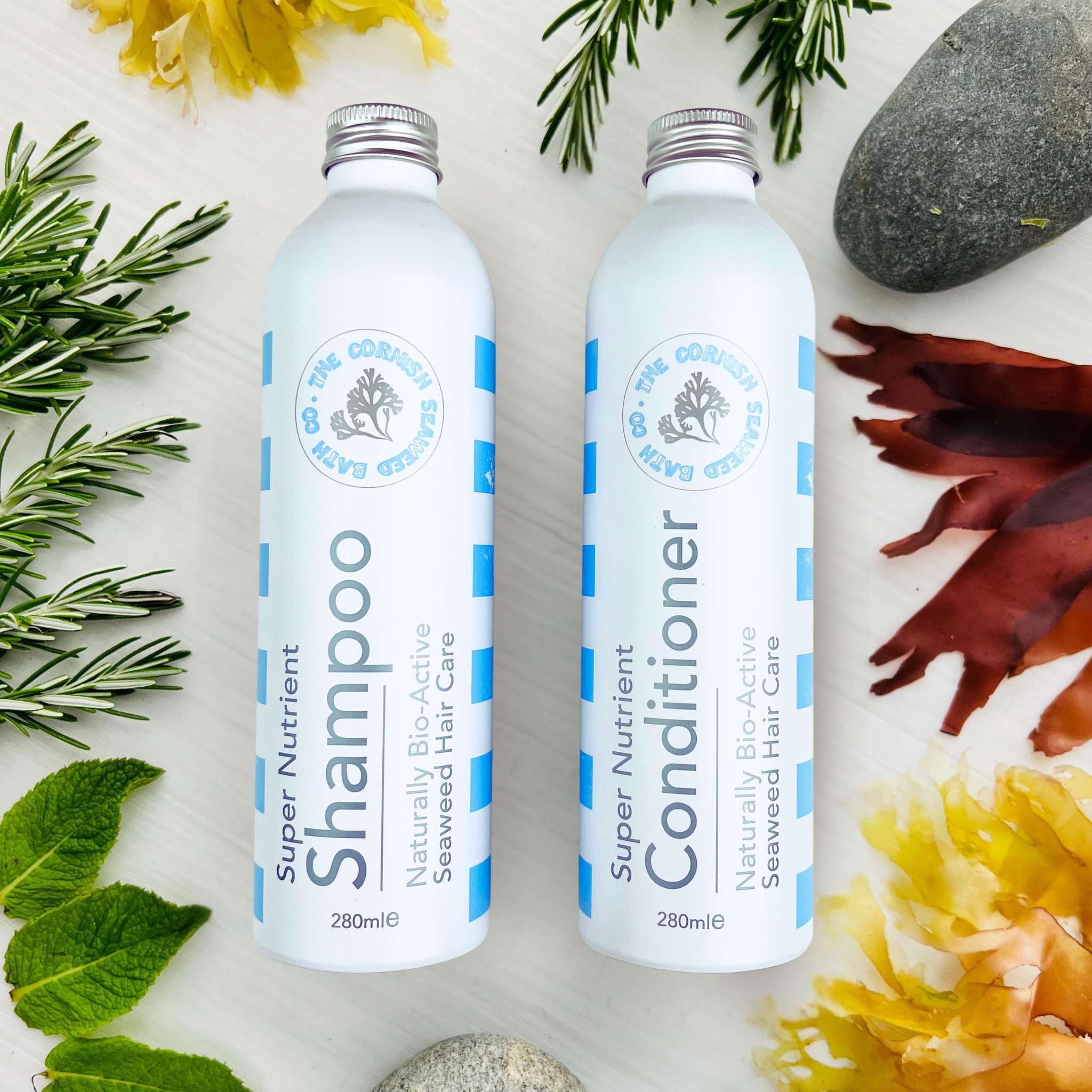
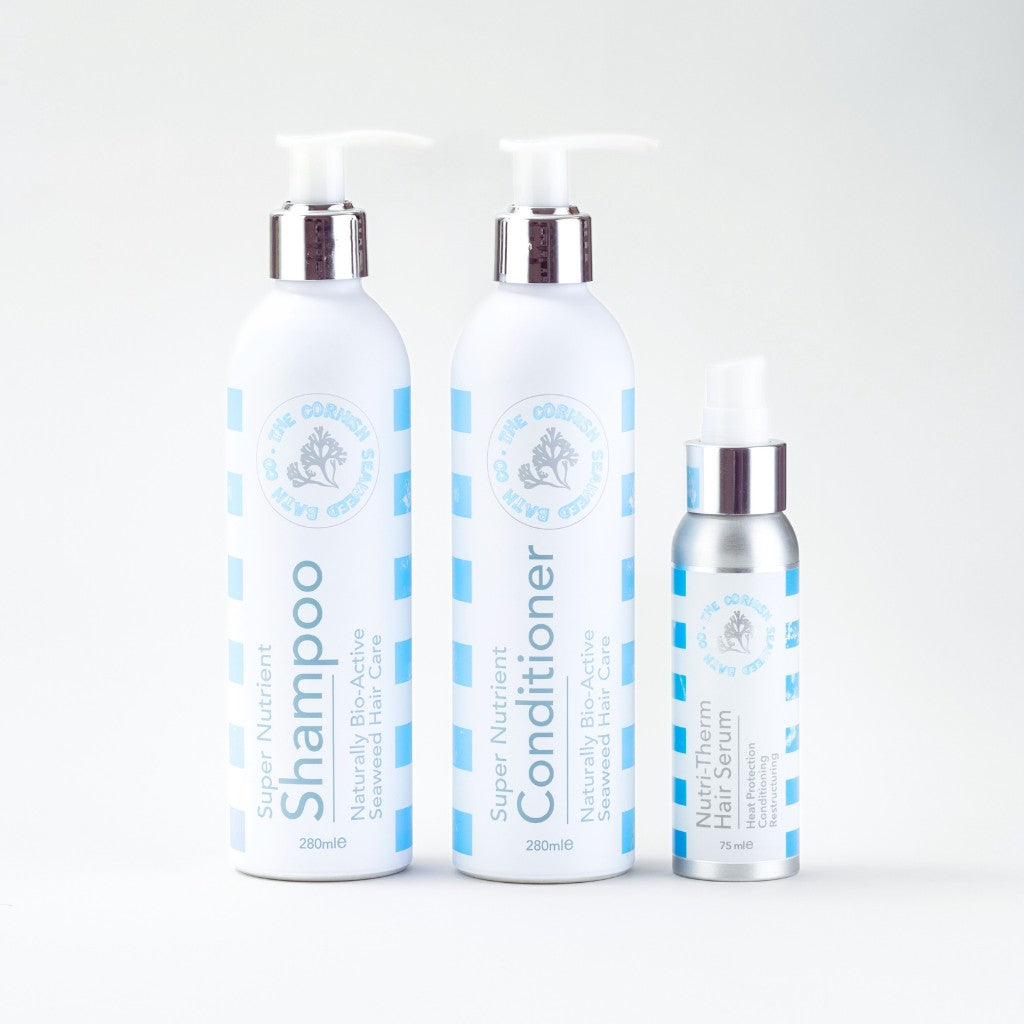
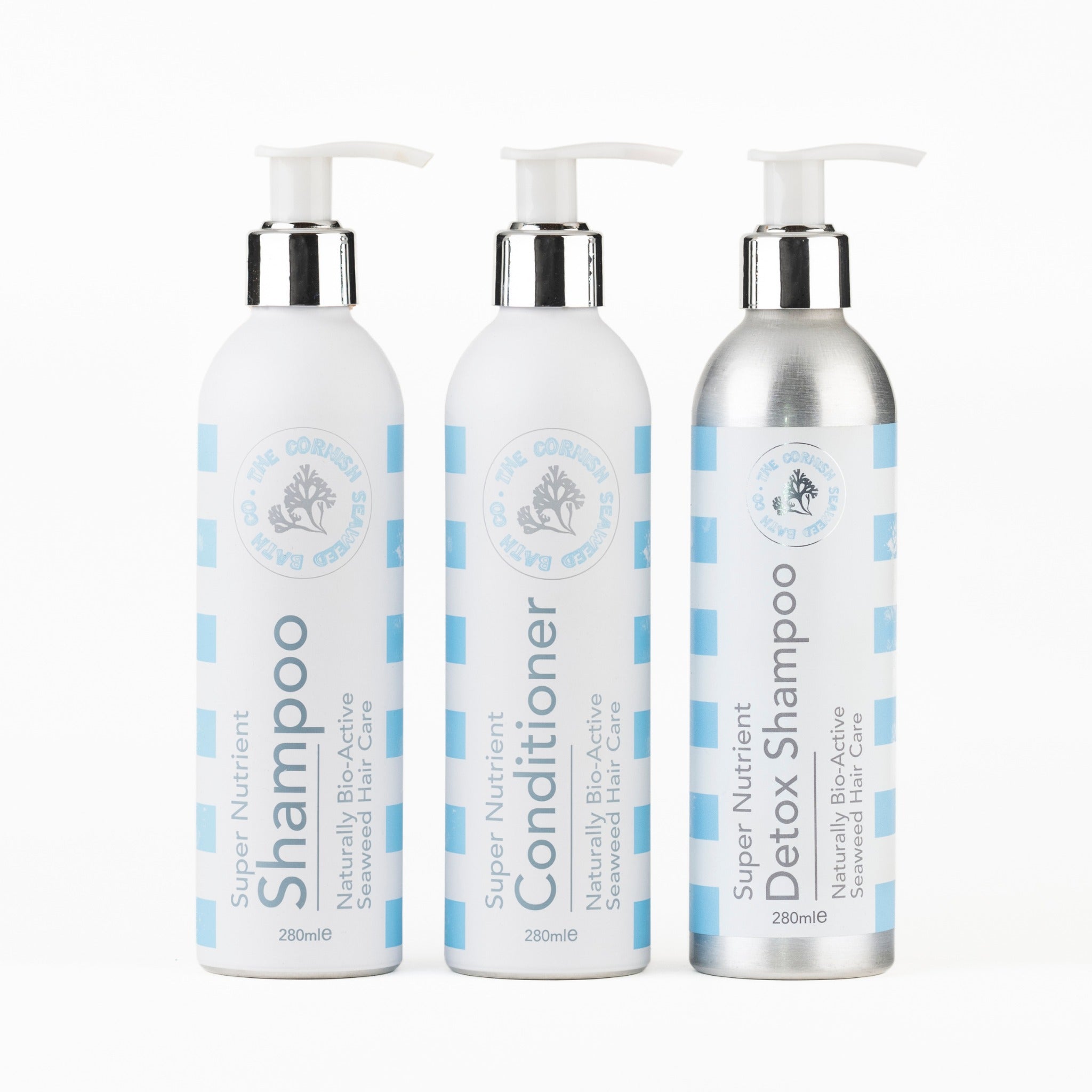
The best gentle shampoo for menopausal scalp contains nourishing seaweed extracts and natural plant oils, whilst avoiding harsh sulphates that worsen hormonal dryness. Our Super Nutrient Shampoo offers gentle, seaweed-enriched cleansing with Fucus serratus that soothes sensitive scalps experiencing menopausal changes.
How Menopause Affects Your Scalp
Declining oestrogen levels during menopause reduce your scalp's natural oil production. It's not just dryness. Your scalp becomes more sensitive too. This hormonal change affects collagen production, making scalp skin thinner and more prone to irritation from products you previously tolerated well.
What You're Likely Experiencing: Dryness, Itching, and Sensitivity
Many women notice persistent itching, flaking, and tightness that regular shampoos actually make worse. You might find yourself suddenly reactive to fragrances and chemicals you've used for years. Your scalp's pH can shift during menopause too, becoming more alkaline and vulnerable to bacterial imbalance that triggers irritation.
Did You Know? Many menopausal women report that their usual products suddenly feel too harsh, even though nothing's changed about the formulation. It's your scalp that's different now.
What Makes a Shampoo Truly Gentle
Sulphate-free formulations protect a compromised scalp barrier whilst still cleansing effectively. Natural, plant-based cleansers work thoroughly without stripping essential moisture that changing hormones already reduce.
The best gentle shampoo for menopausal scalp combines seaweed extracts with supportive botanicals. Fucus serratus seaweed contains natural polysaccharides that form a protective film on the scalp, helping lock in moisture whilst delivering essential minerals.
Why Cornish Seaweed Works for Menopausal Scalps
Our Super Nutrient Shampoo uses seaweed's humectant properties to attract moisture to your scalp. We combine this with tuber fleeceflower, Angelica sinensis, and mint for additional scalp comfort.
Angelica sinensis is traditionally used in botanical care to support healthy-looking scalps during hormonal transitions. Mint provides cooling relief when warmth and flushing affect your scalp, whilst frankincense offers the soothing properties it's known for in skincare.
Your Menopausal Scalp Care Routine
The Right Way to Wash Sensitive Scalp
Start with a gentle fingertip massage to support circulation. Use lukewarm water. Hot water dries you out further. Apply a small amount of shampoo to wet hair and scalp, massage gently, then rinse thoroughly.
Here's what matters: pat your scalp dry with a soft towel rather than rubbing vigorously. Menopausal scalp skin feels more delicate than before, so treat it that way.
Gentle Care Tip: If your scalp feels tight after washing, you're probably using too much product or water that's too hot. Less is often more with sensitive skin.
What Comes Next: Conditioning and Beyond
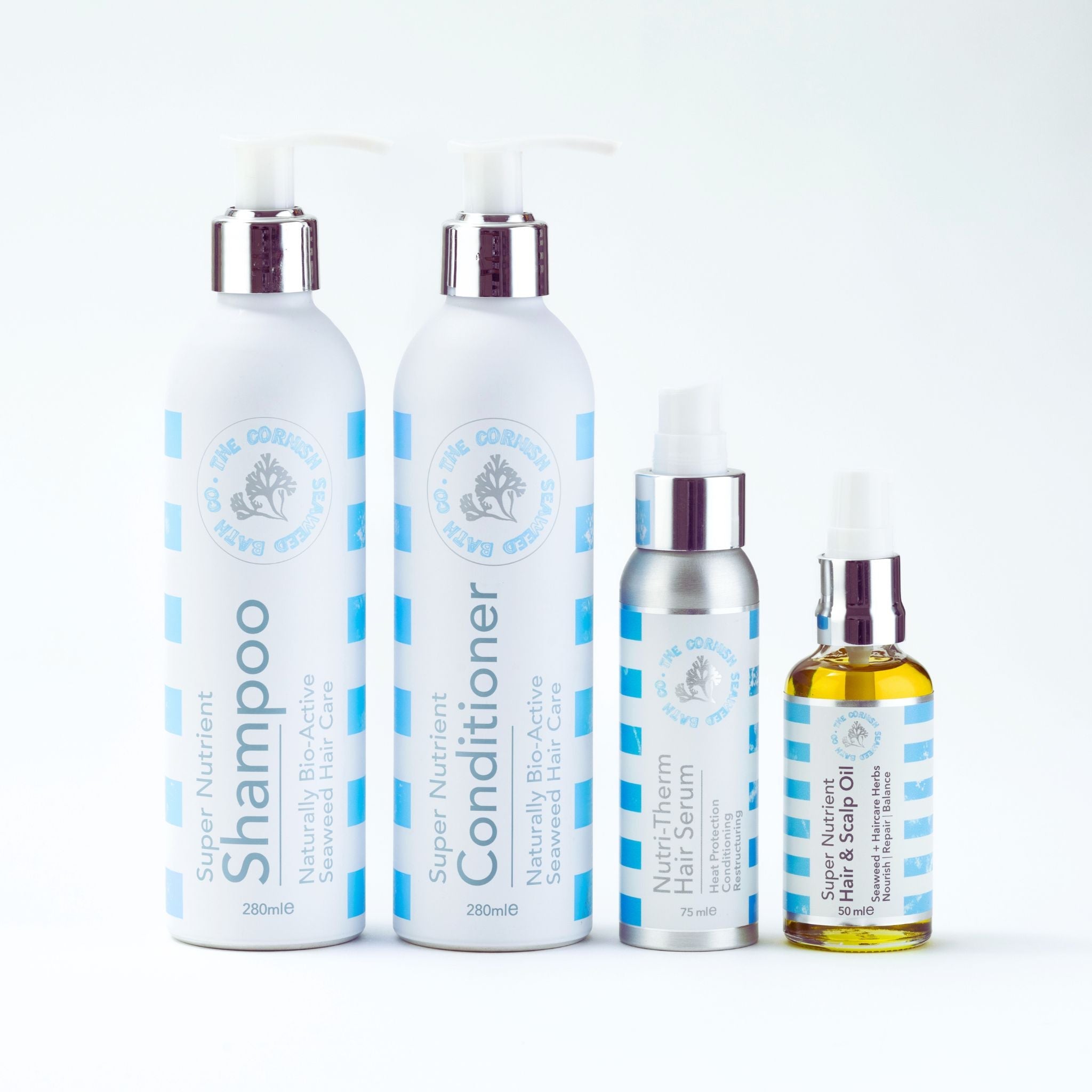
Follow with our nourishing conditioner on mid-lengths and ends. If dryness persists, consider adding an occasional scalp oiling step to your routine.
How to Choose Your Ideal Gentle Shampoo
When selecting the best gentle shampoo for menopausal scalp, look for seaweed-enriched options designed to cleanse gently whilst supporting a comfortable scalp barrier. Don't rely on generic "sensitive" labels. Check the actual ingredients.
Your Ingredient Checklist
Seek These Ingredients
- Fucus serratus seaweed for moisture support
- Natural plant oils (oat kernel oil, argan oil) to help support the scalp barrier
- Angelica sinensis (a traditional botanical ingredient)
- Frankincense (commonly used for a soothing feel)
- Sulphate-free cleansing agents
Avoid These Components
- Sodium lauryl sulphate and harsh detergents
- Synthetic fragrances and parabens
- High-alcohol formulations
- Very alkaline formulas (around pH 7 and above)
- Overly strong clarifying ingredients that leave the scalp feeling tight
Long-Term Scalp Health Through Menopause
Adapting Your Routine as Changes Progress
Your scalp needs shift throughout different menopausal stages. Early perimenopause may need lighter moisture, whilst post-menopause often suits richer nourishment. Many people find washing every other day, rather than daily, feels more comfortable. Listen to what your scalp tells you.
Winter heating and summer sun can affect menopausal scalps more intensely than before hormonal changes. A consistent, gentle formula helps buffer against these everyday stressors.
Long-term Success: Consistency beats perfection every time. Regular use of gentle, seaweed-enriched formulations supports comfort as your scalp adapts through hormonal transitions.
A Natural Approach to Scalp Wellness
Menopause is often when women reassess their scalp care priorities, moving away from harsh formulas towards supportive botanical care. Natural ingredients work alongside your changing needs, focusing on comfort and balance rather than fighting against your body's changes.
Finding the best gentle shampoo for menopausal scalp is about listening to your body's signals and choosing products that feel kind to your scalp. With a thoughtful routine, you'll support both day-to-day comfort and long-term scalp wellbeing through this significant life transition.
Frequently Asked Questions
What is the best shampoo for menopause hair?
For menopausal hair, a gentle, sulphate-free shampoo is often the kindest choice. Look for formulations enriched with nourishing seaweed extracts, like Fucus serratus, and natural plant oils to support your scalp's comfort. Our Super Nutrient Shampoo, for example, offers this gentle, seaweed-enriched approach to help soothe sensitive scalps experiencing menopausal changes.
How can I keep my scalp healthy during menopause?
Maintaining a healthy menopausal scalp involves a gentle, consistent care ritual. Begin with gentle washing techniques, using lukewarm water and patting your scalp dry with a soft towel. Following with a nourishing conditioner on your mid-lengths and ends, and perhaps an occasional scalp oiling, can also support comfort.
Can menopause cause a sensitive scalp?
Yes, the hormonal shifts during menopause, particularly declining oestrogen, can certainly lead to a more sensitive scalp. This can reduce natural oil production, making the scalp drier, and even affect collagen, leaving the skin thinner and more prone to irritation. You might also notice increased sensitivity to products you once used without issue.
How can I soothe an itchy scalp during menopause?
To help calm an itchy menopausal scalp, choosing a gentle, sulphate-free shampoo is a wonderful first step. Look for formulations that include soothing ingredients such as seaweed extracts, which provide minerals and amino acids to support scalp comfort. Botanicals like mint can also offer a lovely cooling sensation.
What ingredients should I look for in a shampoo for menopausal scalp?
When choosing a shampoo for your menopausal scalp, seek out sulphate-free cleansing agents and nourishing natural plant oils, such as jojoba or argan, to help restore moisture. Ingredients like Fucus serratus seaweed are excellent for moisture support, while botanicals like Angelica sinensis and frankincense can offer a calming feel.