 February Favourites




Key Takeaways
- Tea tree shampoo contains tea tree oil, known for its purifying effects on the scalp.
- It originates from Australia and is appreciated for balancing scalp oiliness.
- The shampoo supports scalp comfort without the use of harsh synthetic ingredients.
- It is especially popular among those looking for natural alternatives to conventional hair care products.
Table of Contents
- Understanding Tea Tree Shampoo and Why You Might Seek Gentler Options
- Key Benefits of Tea Tree Shampoos for Scalp and Hair – And Seaweed's Parallel Strengths
- Ingredients in Tea Tree Shampoos vs. Our Seaweed-Powered Formulas
- Step-by-Step: How to Use Tea Tree Shampoo Effectively
- Tea Tree Shampoo vs. Alternatives: When to Switch for Gentler Care
- Troubleshooting Common Tea Tree Shampoo Issues with Proven Solutions
- Building a Scalp-Care Routine Beyond Tea Tree – Featuring Seaweed Nourishment
- Making the Right Choice: Tea Tree vs. Seaweed for Your Scalp Needs
Understanding Tea Tree Shampoo and Why You Might Seek Gentler Options
Tea tree shampoo is a liquid cleanser featuring tea tree oil (Melaleuca alternifolia), prized for its purifying properties on the scalp. Drawing from Australian origins, it's valued for balancing oiliness and supporting scalp comfort without harsh synthetics, making it particularly appealing to those seeking natural alternatives to conventional formulations.
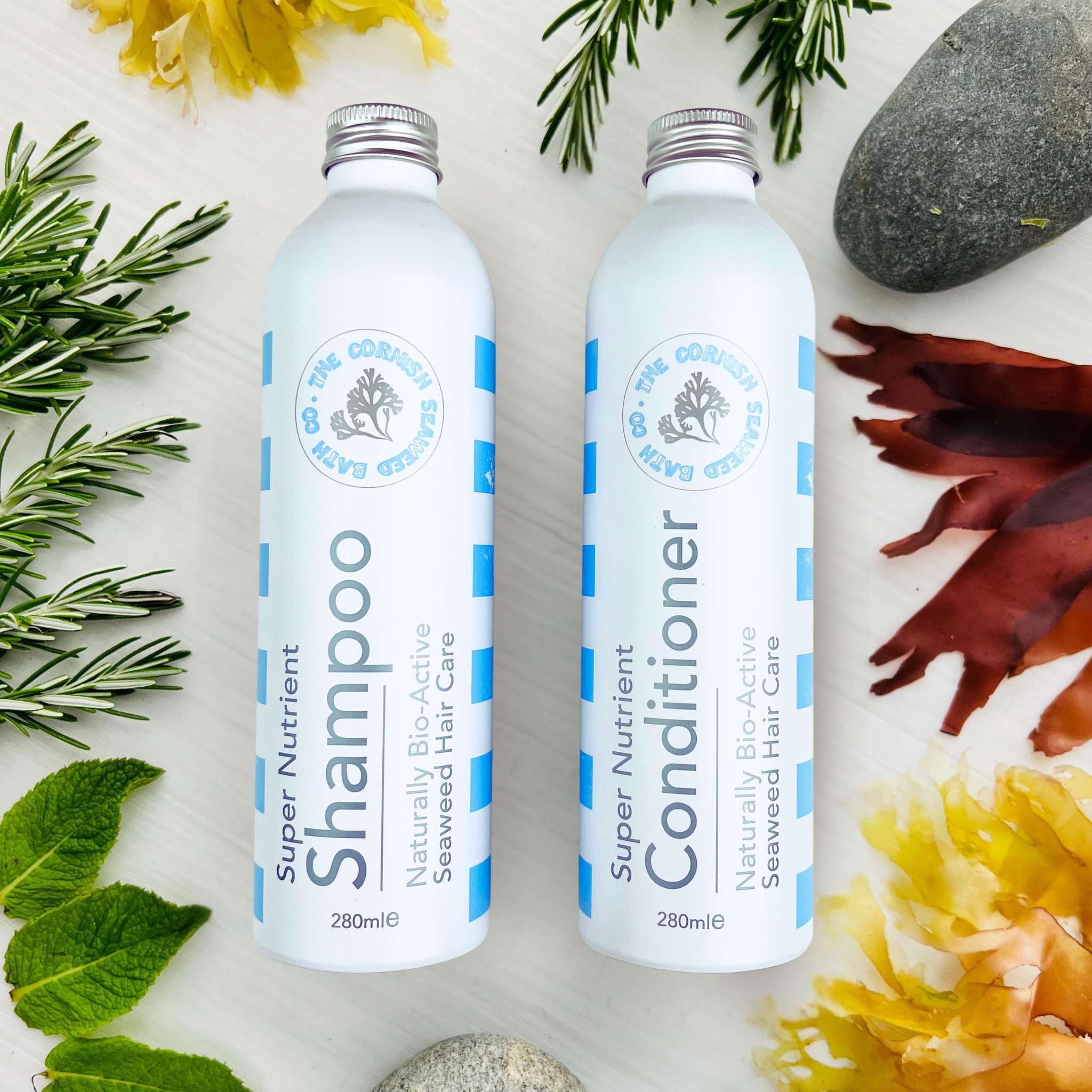
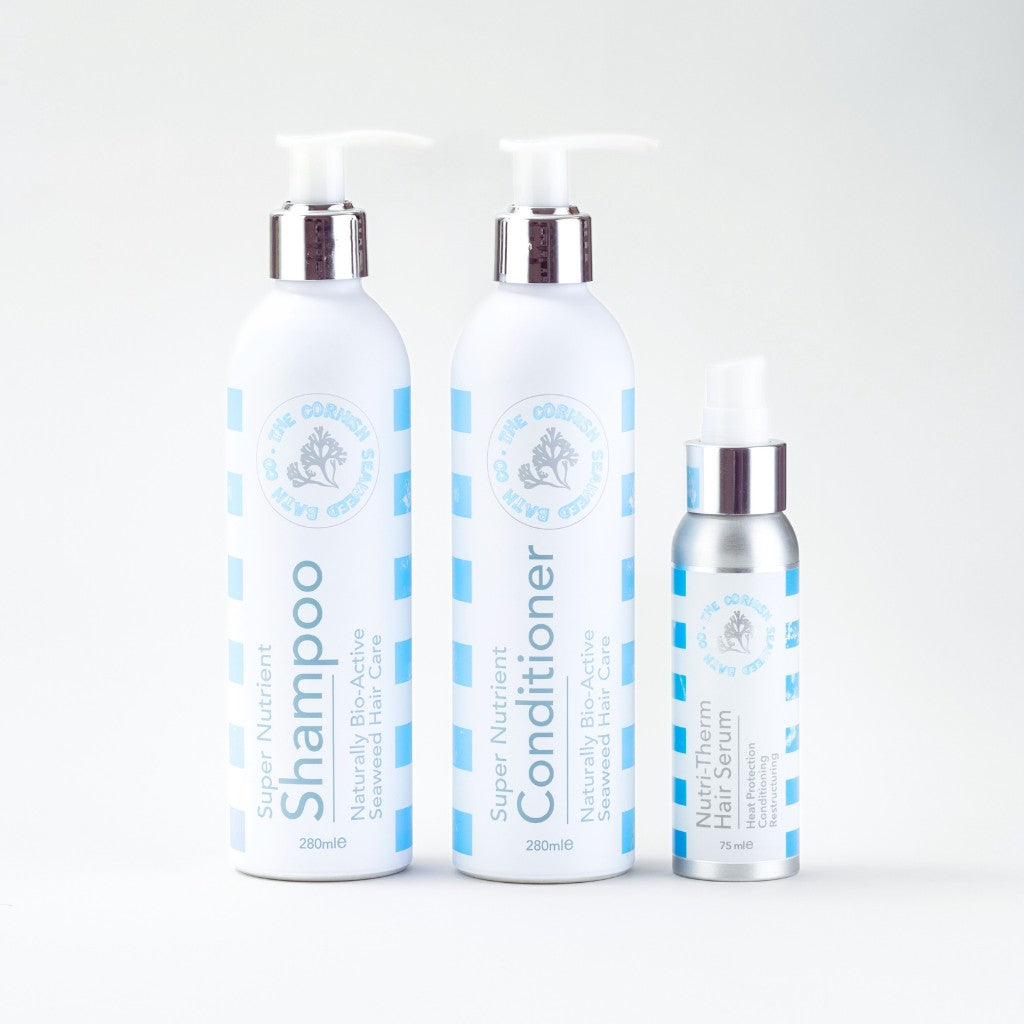
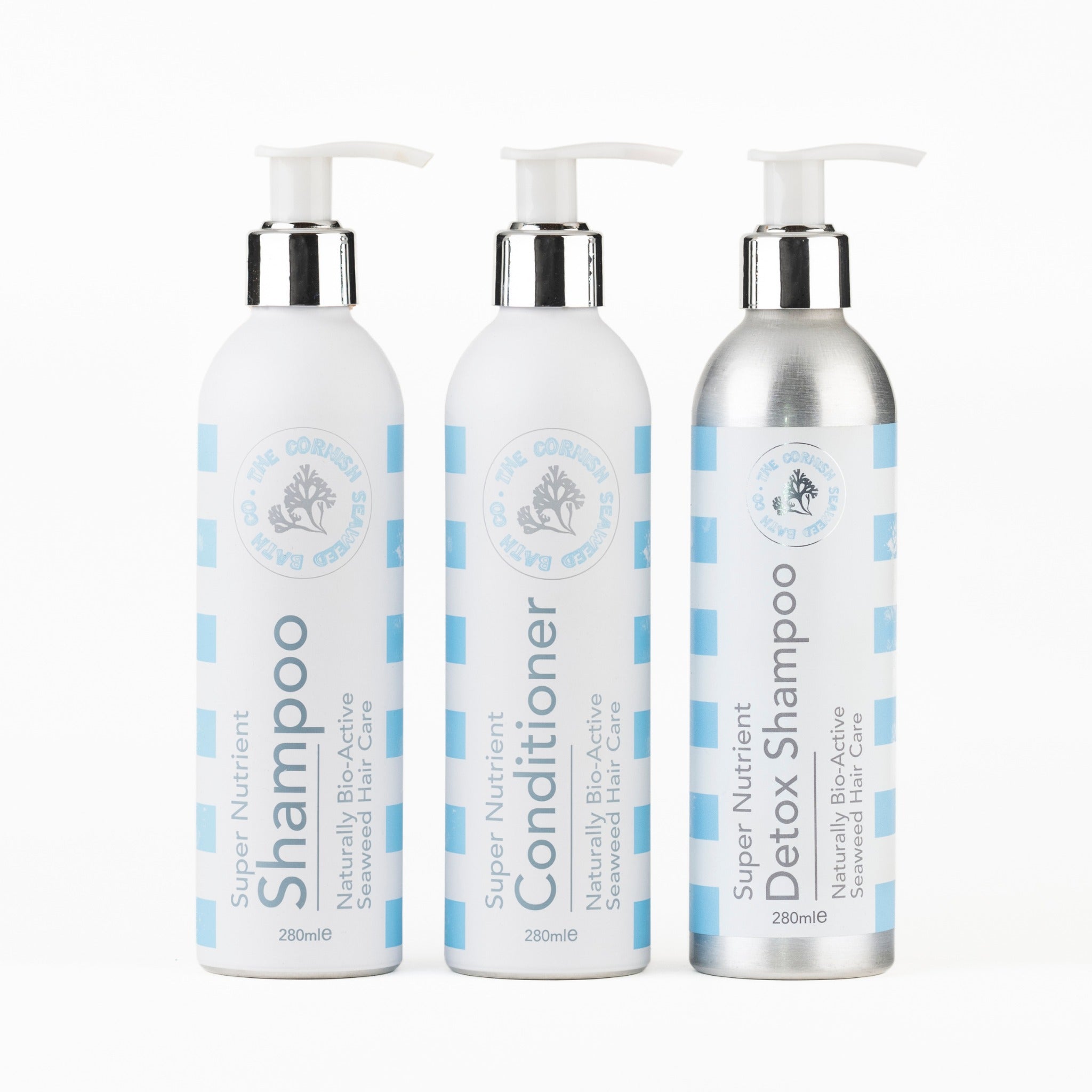
However, if irritation arises from strong essential oils, seaweed-based shampoos like our Super Nutrient Shampoo offer a soothing, nutrient-rich alternative. Enriched with seaweed (Fucus Serratus), frankincense, and mint leaf, it delivers scalp support through Cornish coastal minerals rather than intense botanical oils. For sensitive scalps, this gentler approach often proves more sustainable for daily care.
If you're considering making the switch to a more natural hair care routine, you may want to learn about transitioning to a natural shampoo and the detox process to better understand what to expect during the adjustment period.
Key Benefits of Tea Tree Shampoos for Scalp and Hair – And Seaweed's Parallel Strengths

Tea tree shampoo excels at scalp purification by removing excess sebum and buildup through natural compounds, typically reducing itchiness over 2–4 weeks with thrice-weekly use. The volatile oils penetrate scalp pores, creating a cooling sensation that many find refreshing, particularly when paired with peppermint in formulations.
For hair health support, tea tree oil invigorates follicles and may ease flakiness from dryness or mild conditions. Key benefits include:
- Balances oil: Disrupts bacterial overgrowth without stripping natural moisture
- Cooling relief: Provides immediate sensation of freshness
- Natural purification: Addresses buildup without synthetic detergents
- Follicle stimulation: Encourages healthy scalp circulation
Our Super Nutrient Shampoo mirrors these benefits through seaweed (Fucus Serratus), frankincense, and oat kernel oil, delivering minerals that nourish rather than stimulate. This approach suits sensitive scalps seeking balanced care without the intensity of essential oils.
Scalp-Specific Relief: Dandruff, Itch, and Oil Balance
Tea tree shampoo aids mild dandruff by supporting a balanced scalp environment, whilst effectively managing sebum for oily types. Most users notice itch relief within 1–2 weeks, with oil balance improving over 3–4 weeks of consistent use.
| Scalp Concern | Tea Tree Response Time | Best Application |
|---|---|---|
| Itchy scalp | 1–2 weeks | Focus on affected areas |
| Oily buildup | 2–3 weeks | Root massage technique |
| Mild dandruff | 3–4 weeks | Gentle, consistent use |
Ingredients in Tea Tree Shampoos vs. Our Seaweed-Powered Formulas
Tea tree oil's core strength lies in its antimicrobial and antifungal traits from terpinen-4-ol, comprising up to 40% concentration in pure form. Common pairings include peppermint for coolness and aloe for hydration, though sensitivity may arise with higher doses or frequent use.
When comparing natural actives for scalp health, we focus on purity source, ingredient synergy, sensitivity risk, and sustainability. Our seaweed-based approach provides vitamins and minerals for barrier support without the intensity that some find overwhelming.
| Aspect | Tea Tree Typical | Our Super Nutrient |
|---|---|---|
| Primary Active | Tea tree oil (purifying) | Seaweed (nourishing minerals) |
| Cooling Agent | Peppermint | Mint Leaf |
| Oil Balance | Sebum disruption | Gentle support via Frankincense |
| Sensitivity | May tingle intensely | Soothing for daily use |
For more insight into how different cleansers work for your scalp and hair, you may find our article on cleanser helpful.
Step-by-Step: How to Use Tea Tree Shampoo Effectively
For optimal results with tea tree shampoo, particularly post-workout or with oily scalp concerns, proper technique maximises absorption whilst minimising potential irritation. The key lies in focused application and gentle technique. Begin with thoroughly wetted hair using lukewarm water to avoid stripping natural oils, then dispense a pea-sized amount, approximately 5ml, and emulsify between your palms before application.
The massage phase proves crucial: use fingertips to work the lather into your scalp using circular motions for 2–3 minutes, stimulating circulation whilst allowing the tea tree compounds to penetrate effectively. Follow with a thorough rinse using cool water for at least one minute, repeating if heavy product buildup exists. Complete with conditioner applied from mid-lengths to ends, avoiding the scalp if sensitivity occurs.
- Wet thoroughly: Lukewarm water opens cuticles without damage
- Emulsify first: Prevents concentrated contact with sensitive areas
- Focus on roots: Where oil accumulation and scalp concerns typically occur
- Time the massage: 2–3 minutes ensures proper absorption
- Cool rinse finish: Seals cuticles and enhances the refreshing sensation
For optimal results with our Super Nutrient Shampoo, follow the same technique whilst enjoying the gentler action of Seaweed (Fucus Serratus) and Mint Leaf, which provide scalp invigoration without potential irritation.
Tea Tree Shampoo vs. Alternatives: When to Switch for Gentler Care

Choosing between tea tree shampoo and alternatives depends on your scalp's specific needs and sensitivity levels. Tea tree excels for acute oiliness and immediate purification but may cause dryness with prolonged use, whilst seaweed-based formulations offer sustained nourishment without intensity. Athletes with consistently oily scalps often benefit from tea tree's strong sebum control, whereas individuals with sensitive skin typically find better results with mineral-rich, calming alternatives.
| Aspect | Tea Tree Shampoo | Regular Shampoo | Our Seaweed Formula |
|---|---|---|---|
| Dandruff Support | Strong purifying action | Minimal targeted benefit | Gentle, supportive soothing |
| Daily Use Safety | Possible irritation risk | Generally neutral | Designed for gentle daily use |
| Oil Control | Excellent short-term | Basic cleansing only | Balanced, long-term support |
| Natural Complexity | Essential oil focused | Varies by brand | Mineral-rich with botanicals |
Consider switching if tingling sensations persist beyond one week of use, or if your scalp feels increasingly tight after washing. Our Super Nutrient Shampoo provides effective cleansing through Frankincense and Tuber Fleeceflower whilst Oat Kernel Oil maintains moisture balance, making it suitable for those seeking tea tree's benefits without potential harshness.
Troubleshooting Common Tea Tree Shampoo Issues with Proven Solutions
Dryness and irritation rank as the most frequent concerns with tea tree shampoo, typically resulting from over-use or individual sensitivity to concentrated essential oils. If your scalp feels tight or shows redness, reduce usage to twice weekly and ensure thorough rinsing. For persistent issues without improvement after two weeks, consider whether your hair type matches the product's intensity level.
No visible results often indicate incorrect application technique or unrealistic expectations. Tea tree shampoo supports scalp health gradually over 2–4 weeks rather than providing instant transformation. For colour-treated hair, choose sulphate-free formulations to maintain vibrancy, though always patch-test 24 hours before full application.
- Excessive dryness: Apply conditioner immediately post-shampoo and consider a pre-wash oil treatment using 1 teaspoon of carrier oil
- Persistent scalp irritation: Switch to our Super Nutrient Detox Shampoo for stronger yet naturally gentle cleansers including Angelica Sinensis
- Over-drying hair lengths: Limit application to roots only with shorter contact time of one minute maximum
- Environmental responsibility: Reduce shower duration and use correct dosage, approximately one dime-sized amount suffices
If you struggle with dryness, you may also find our guide on dryness shampoo helpful for additional tips and solutions.
Building a Scalp-Care Routine Beyond Tea Tree – Featuring Seaweed Nourishment
An effective scalp-care routine balances cleansing, conditioning, and occasional targeted treatments without overwhelming your hair's natural processes. Focus on single-product efficacy rather than complex layering, allowing each formulation to perform its intended function. The key lies in consistency and choosing products that complement rather than compete with each other's actions.
Three Proven Routine Approaches:
-
Beginner maintenance
- Beginner routine: Shampoo and conditioner three times weekly, allowing scalp recovery between washes
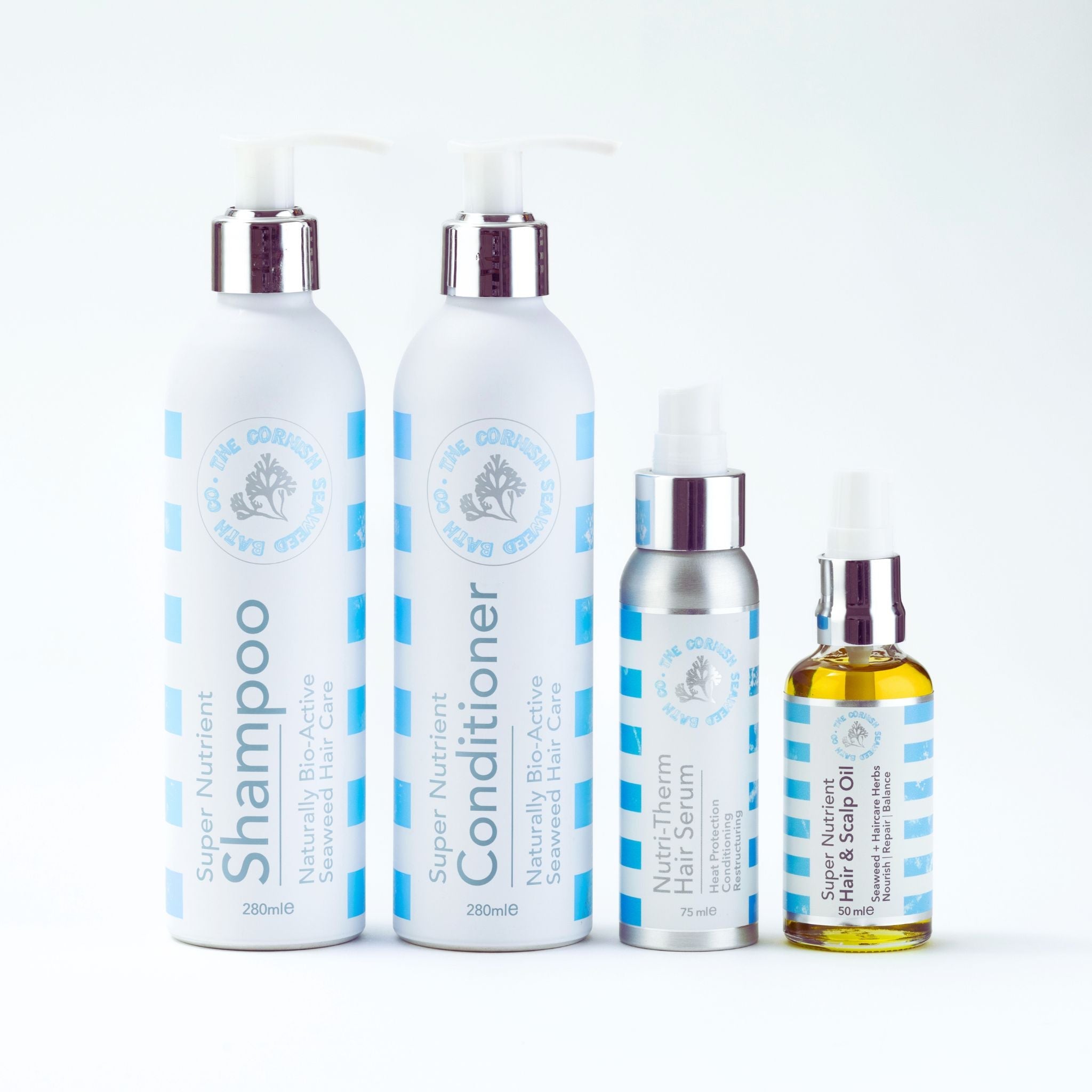
- Oily scalp management: Alternate our Super Nutrient Detox Shampoo with Super Nutrient Shampoo for balanced cleansing without over-stripping
- Weekly maintenance: Apply our Super Nutrient Hair & Scalp Oil post-wash using 3–5 drops combed through damp hair for sustained nourishment
Discover how seaweed's mineral complexity supports long-term scalp health through our Super Nutrient range, designed for those seeking effective cleansing without the intensity that tea tree shampoo sometimes brings to sensitive scalps.
For more tips on effective shampooing habits, see our article on shampooing for healthy hair routines.
Making the Right Choice: Tea Tree vs. Seaweed for Your Scalp Needs

Your scalp's current condition and long-term health goals determine whether tea tree shampoo or seaweed-based alternatives serve you better. Tea tree shampoo excels for immediate oil control and acute scalp concerns, making it valuable for those experiencing sudden changes in sebum production or seasonal scalp issues. However, sustained scalp wellness often benefits from gentler, mineral-rich formulations that support your skin's natural barrier function.
Our Super Nutrient Shampoo addresses the same scalp concerns through Seaweed (Fucus Serratus), Frankincense, and Mint Leaf, providing purification without potential sensitivity. The Argan Oil and Oat Kernel Oil maintain moisture balance whilst Tuber Fleeceflower and Angelica Sinensis offer botanical support for scalp comfort. For those requiring stronger cleansing action, our Super Nutrient Detox Shampoo delivers enhanced purification through natural, sulphate-free cleansers.
Key Insight: Seaweed's mineral complexity provides sustained scalp nourishment without the intensity peaks that can accompany essential oil-based formulations, making it ideal for daily use and sensitive scalps seeking consistent results.
Consider your washing frequency, scalp sensitivity, and whether you prefer immediate sensation or gradual improvement. Tea tree shampoo suits those who enjoy its distinctive tingle and have resilient scalps, whilst seaweed formulations serve individuals prioritising gentle effectiveness and long-term scalp health. Both approaches support clean, comfortable scalps, the difference lies in methodology and daily experience.
Frequently Asked Questions
What are the main benefits of using tea tree shampoo for oily and itchy scalps?
Tea tree shampoo is valued for its ability to balance scalp oiliness and provide a refreshing sensation that can soothe itchiness. Its natural compounds help support scalp comfort without relying on harsh synthetic ingredients, making it a popular choice for those seeking gentler, more natural hair care.
How does tea tree shampoo compare to seaweed-based shampoos in terms of scalp care and sensitivity?
Tea tree shampoo offers a purifying effect with a cooling sensation, which some may find intense, especially on sensitive scalps. Seaweed-based shampoos, like our Super Nutrient Shampoo, provide a gentler, nutrient-rich alternative that supports scalp health through minerals and soothing botanicals, often better suited for daily use on sensitive scalps.
What should I expect during the transition period when switching from conventional shampoos to natural options like tea tree shampoo?
During the transition, your scalp may adjust as it adapts to the absence of synthetic ingredients, which can involve a temporary change in scalp oiliness or texture. This period varies individually, but understanding this adjustment helps set realistic expectations for embracing a natural hair care routine.
How often should I use tea tree shampoo to see improvements in scalp oiliness and itchiness?
Using tea tree shampoo around two to three times per week is commonly recommended to support scalp balance and reduce itchiness. Consistent use over a few weeks typically allows time to notice its calming and oil-regulating effects.
A picture tells a thousand words: out of necessity, some images in this blog post have been created using artificial intelligence models. This is to help us bring to life & more comprehensively express the written content within this post. We only using artificially generated images when we don’t have a suitable image available to us.