 Spring Sale!



Key Takeaways
- All skincare products used on your skin eventually enter the ocean environment.
- Marine conservation and skincare are interconnected and impact each other.
- Using skin products that are safe for the ocean helps protect marine life.
- Choosing nourishing skincare should also involve considering its environmental effects.
Table of Contents
- Why Marine Conservation and Skincare Are Inseparable
- Understanding Seaweed as a Marine Conservation Tool
- The Science of Marine Ingredients and Skin Health
- Making Informed Choices, How to Identify Sustainable Skincare
- Practical Steps, Building a Marine-Conscious Skincare Routine
- The Bigger Picture, Your Role in Ocean Conservation
- Seaweed as a Bridge Between Self-Care and Ocean Care
Why Marine Conservation and Skincare Are Inseparable
Every drop of water that touches your skin eventually finds its way back to our oceans, carrying with it traces of whatever products you've used. This simple reality makes marine conservation and skincare two sides of the same coin, what nourishes your skin should also protect the waters that sustain all marine life. Sensitive skin can particularly benefit from gentle, ocean-safe formulations that support both personal and environmental wellbeing.
The skincare industry contributes an estimated 14,000 tonnes of sunscreen alone to coral reefs annually, with chemical UV filters like oxybenzone and octinoxate documented to cause coral bleaching at concentrations as low as 62 parts per trillion. Add synthetic surfactants, microplastics, and petroleum-derived ingredients, and the cumulative impact becomes staggering. For a deeper dive into how these ingredients affect both your skin and the planet, read our blog on seaweed and sustainability in skincare.
Why Seaweed-Based Alternatives Protect Both Skin and Ocean
We've built our entire range around sustainably harvested Cornish seaweed precisely because it offers a path that benefits both your skin and marine ecosystems. Our Pure Seaweed Soap contains only saponified plant oils, seaweed, and essential oils, ingredients that biodegrade completely without harming aquatic life.
Unlike synthetic formulations that persist in waterways, seaweed-based skincare works with natural cycles. The same Fucus serratus we hand-harvest during Cornish spring tides has spent months filtering seawater, concentrating minerals and antioxidants that your skin recognises and utilises efficiently.
Understanding Seaweed as a Marine Conservation Tool

Seaweed beds rank among Earth's most productive ecosystems, generating oxygen, sequestering carbon, and providing nursery habitat for countless species. A single hectare of kelp forest can support over 750 species of marine life whilst absorbing up to 20 tonnes of CO2 annually.
Seaweed's Role in Coastal Ecosystems
Healthy seaweed populations stabilise seafloor sediments, reduce coastal erosion, and create complex three-dimensional habitats where fish spawn and juveniles mature. When we protect seaweed beds, we're safeguarding the foundation of entire marine food webs.
Sustainable Hand-Harvesting Versus Industrial Extraction
Our spring-tide harvesting method takes only the upper third of each seaweed frond, leaving the holdfast and growing tips intact for regeneration. This selective approach ensures continuous regrowth whilst maintaining habitat structure for marine species that depend on established seaweed beds.
Industrial extraction methods often strip entire areas, destroying both the seaweed and its associated ecosystem. By choosing hand-harvested seaweed products, you're supporting regenerative practices that enhance rather than deplete marine biodiversity. For more on how to incorporate these principles into your daily routine, see our guide to an easy haircare and cleansing routine.
How Seaweed Ingredients Benefit Your Skin
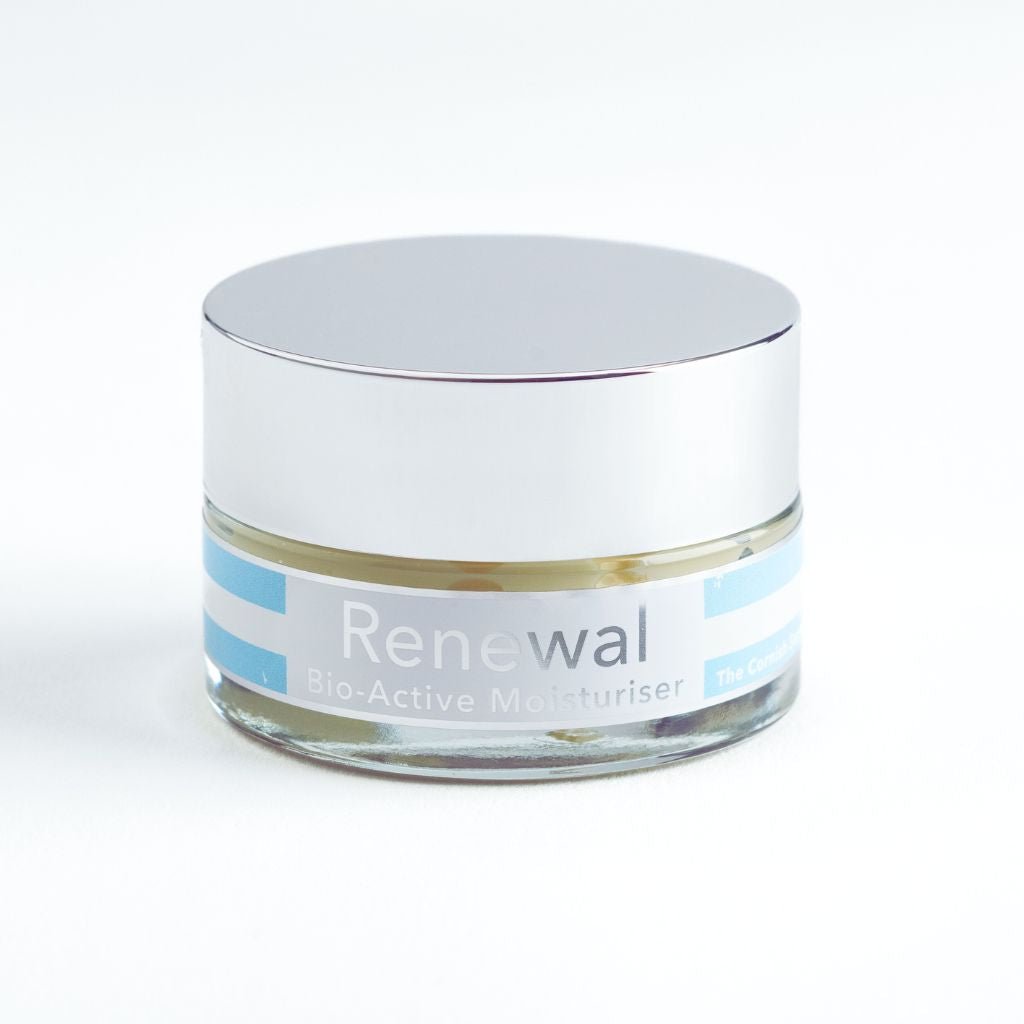
Seaweed's resilience in harsh coastal conditions translates directly to skin-strengthening benefits. Our Renewal Bio-Active Moisturiser combines Fucus serratus with complementary ingredients like jojoba oil for lightweight hydration and frankincense resin for its traditionally soothing properties.
The mineral density of ocean-grown seaweed, including naturally occurring iodine, potassium, and magnesium, provides your skin with the same elements that help seaweed thrive in challenging marine environments.
The Science of Marine Ingredients and Skin Health
Seaweed's cellular structure contains polysaccharides that form protective films on skin, helping to retain moisture whilst allowing natural transpiration. This mechanism mirrors how seaweed manages water balance in tidal environments.
Polysaccharides and Hydration at the Cellular Level
Marine polysaccharides create a breathable barrier that supports your skin's natural moisture retention without clogging pores. Apply our Sky Organic Facial Oil to slightly damp skin to maximise this hydrating effect, the water helps activate the seaweed's natural humectant properties.
Antioxidants and Protection from Environmental Stressors
Ocean-grown seaweed develops higher concentrations of protective compounds than terrestrial plants, constantly defending against UV radiation, salt exposure, and oxidative stress. Our Revitalise Eye Gel harnesses these naturally occurring antioxidants alongside buddleia flower for its traditionally calming properties.
Whilst seaweed doesn't provide sun protection on its own, it supports your skin's natural resilience mechanisms, helping maintain healthy function even when exposed to environmental challenges.
Why Natural, Non-Synthetic Formulations Matter
Your skin recognises and processes natural compounds more efficiently than synthetic alternatives. Equally important, these biodegradable formulations break down safely in water treatment systems, avoiding the bioaccumulation that makes synthetic chemicals so problematic for marine life.
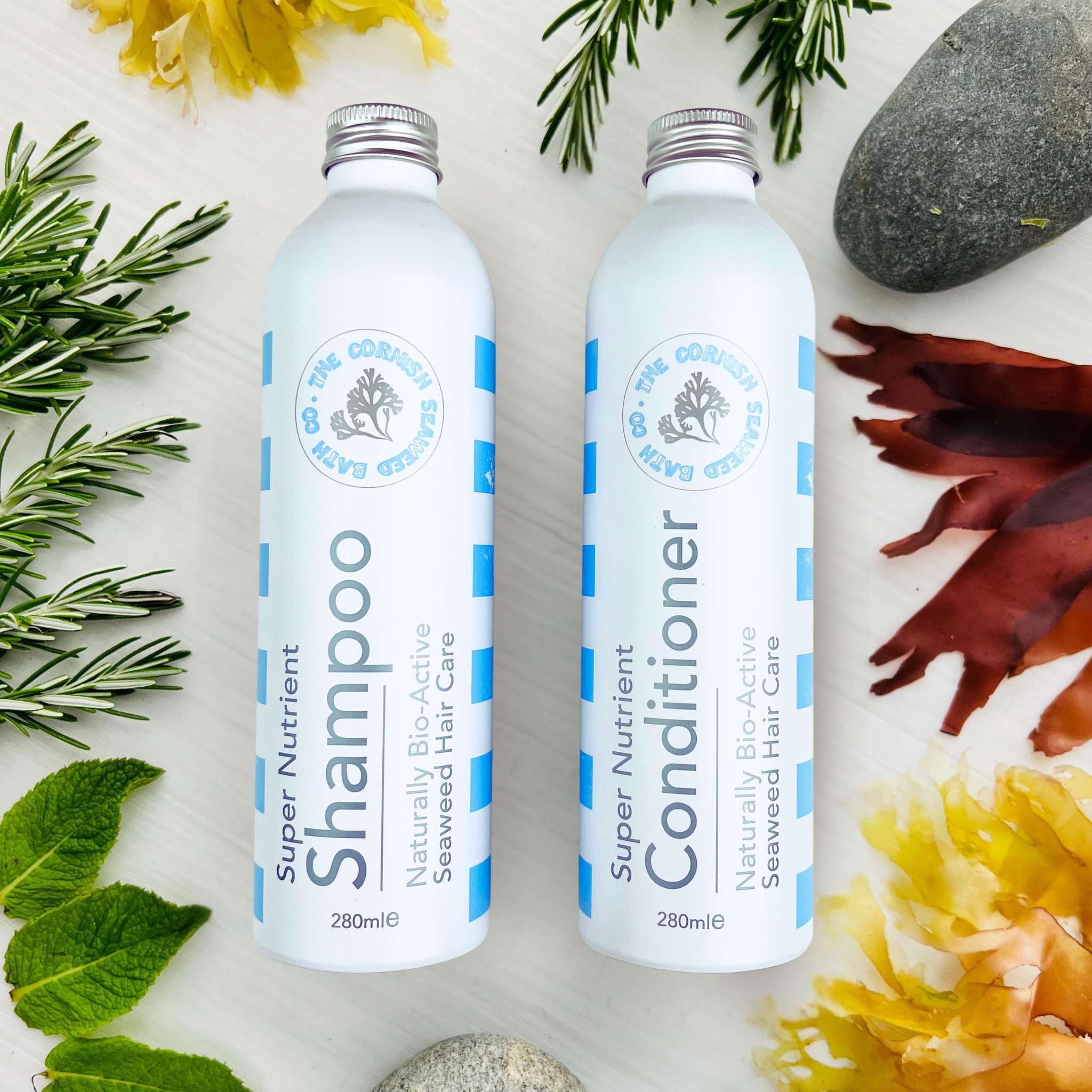
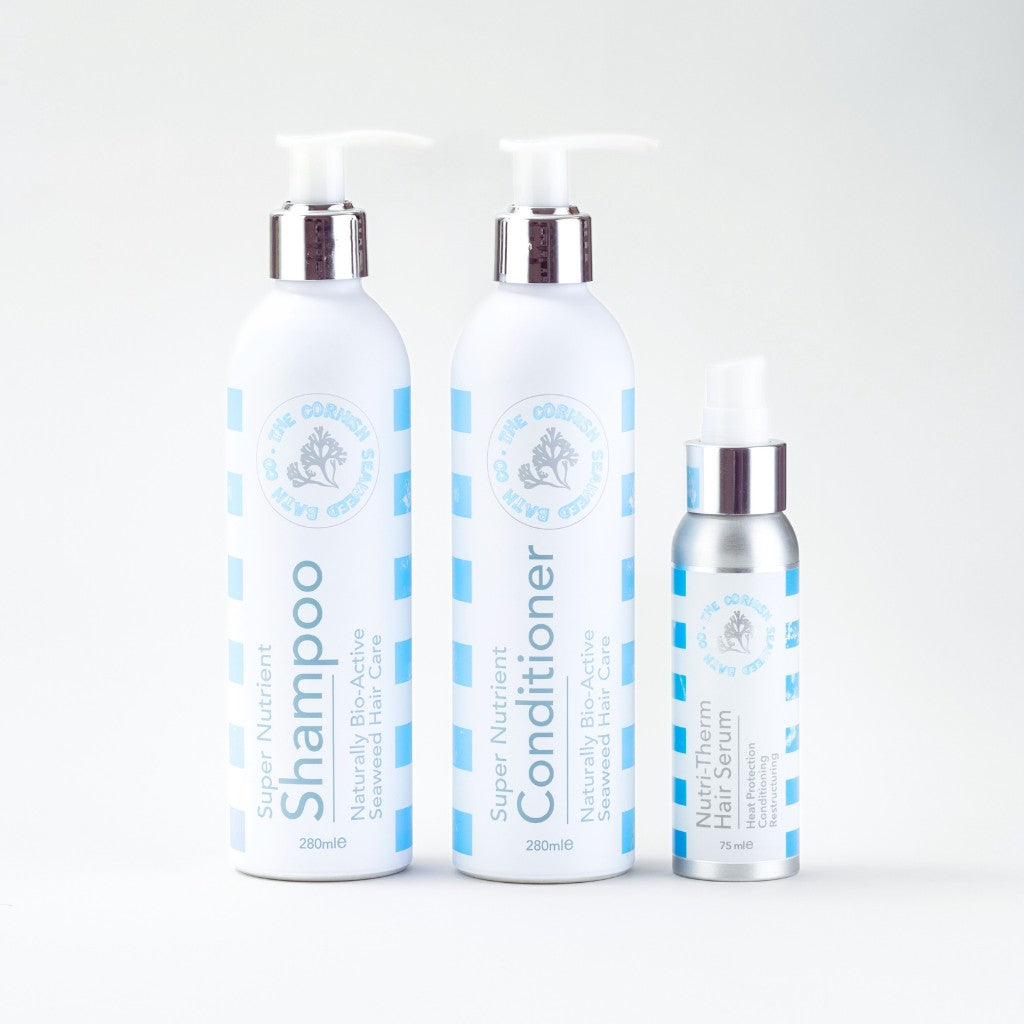
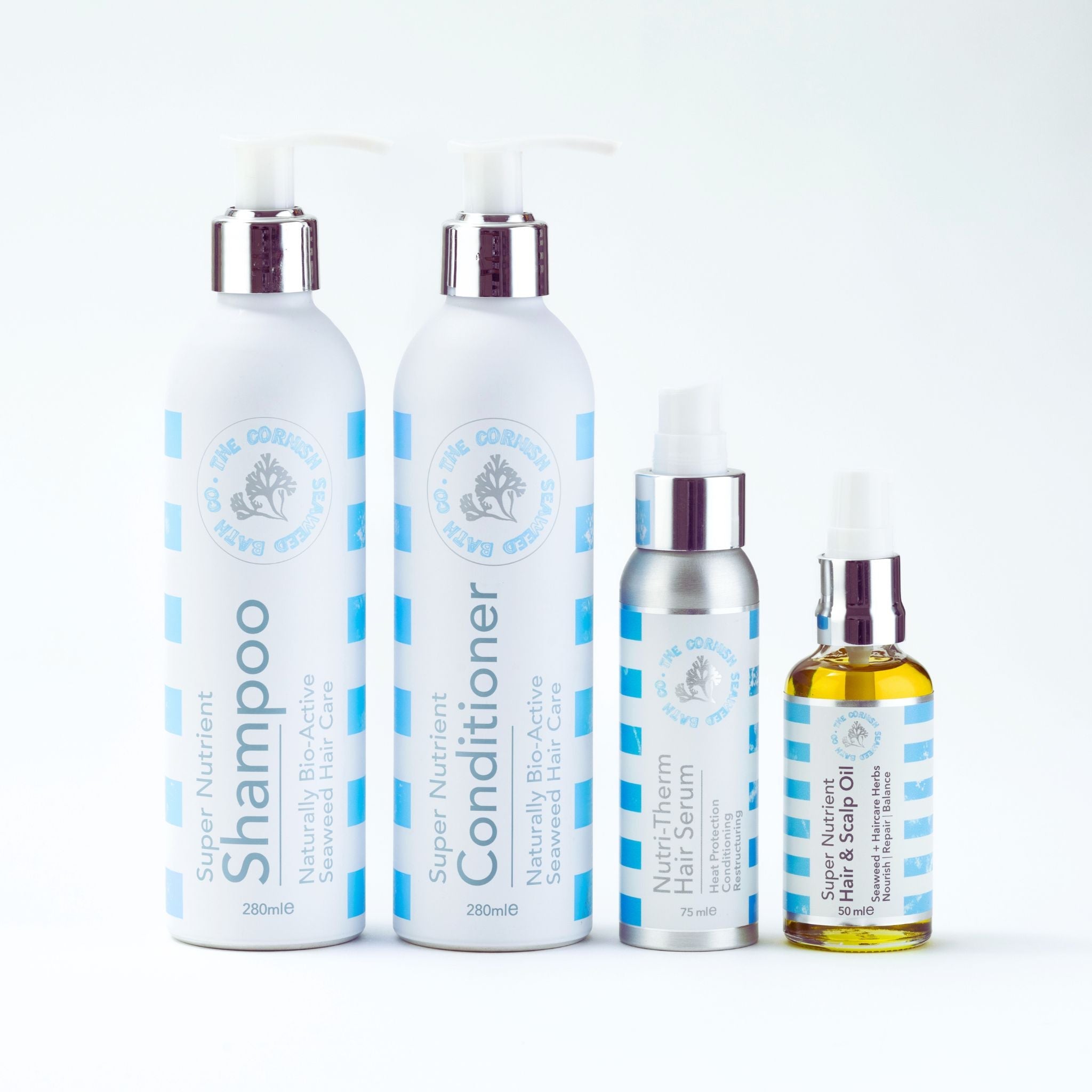
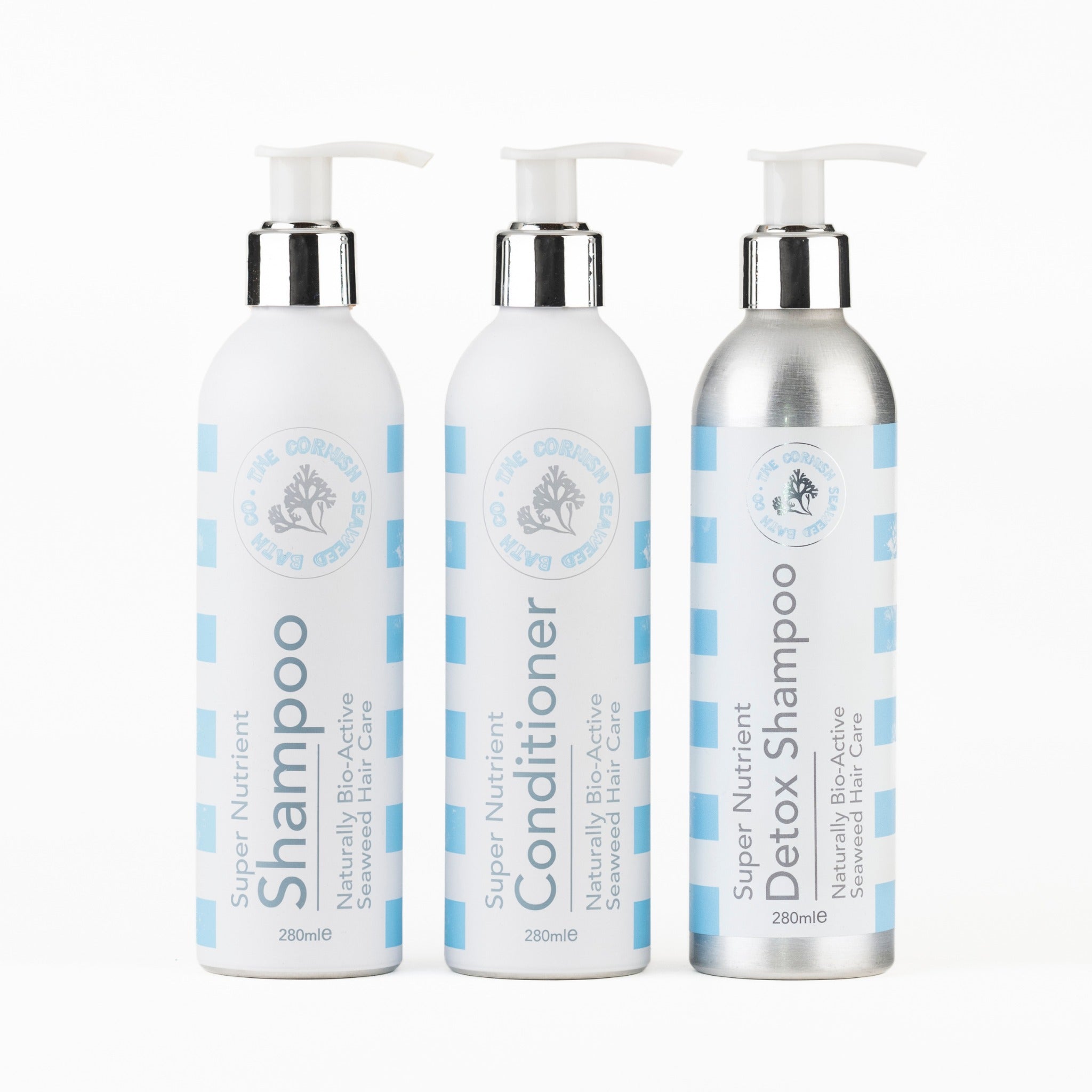
Our sulphate-free approach in products like the Super Nutrient Shampoo benefits both your scalp's natural balance and the aquatic ecosystems that process our wastewater. If you're interested in the science behind cleansers, explore our blog on cleansers for more details.
Making Informed Choices, How to Identify Sustainable Skincare
Genuine sustainability in skincare requires transparency about sourcing, processing, and environmental impact. Look beyond marketing claims to examine actual practices and ingredient lists.
What "Sustainable Sourcing" Actually Means
Hand-harvesting during spring tides ensures seaweed regenerates fully between harvests, maintaining ecosystem integrity. We test our Cornish waters regularly and take only what the beds can sustainably provide. When evaluating brands, ask three key questions: Where exactly is the seaweed sourced? What harvesting method is used? How do they verify water quality?
Industrial extraction often strips entire areas, destroying habitat structure. Our selective approach preserves the holdfast and growing tips, allowing continuous regrowth whilst maintaining nursery areas for marine species.
Reading Labels and Avoiding Greenwashing
Genuine seaweed-based formulations list seaweed prominently in ingredient lists, often with the specific species identified. Our Pure Seaweed Soap contains saponified plant oils, Fucus serratus, and essential oils, nothing more. Avoid products with undisclosed "fragrance," chemical UV filters, or synthetic surfactants that persist in waterways.
Look for organic certifications, reef-safe labels, and transparent ingredient percentages. If a brand claims marine benefits but won't specify their seaweed source or harvesting method, consider alternatives with documented sustainable practices.
Supporting Brands That Fund Conservation
Purchasing decisions directly influence marine protection efforts when brands reinvest in coastal ecosystem health. Research a company's conservation commitments beyond marketing claims, do they support marine protected areas, fund research, or collaborate with coastal communities?
Our mission centres on maintaining the health of Cornish waters that sustain both our seaweed beds and the broader marine ecosystem. Every purchase supports practices that enhance rather than exploit marine biodiversity.
| Criteria | Sustainable Seaweed Brands | Conventional Beauty Brands |
|---|---|---|
| Sourcing Method | Hand-harvested, selective cutting | Industrial extraction or synthetic alternatives |
| Water Impact | Biodegradable, reef-safe formulations | Chemical UV filters, persistent surfactants |
| Ingredient Transparency | Species-specific seaweed identification | Generic "marine extracts" or undisclosed sources |
| Ecosystem Support | Regenerative harvesting maintains habitat | No consideration for marine ecosystem health |
| Conservation Investment | Funds marine protection initiatives | Limited or no conservation commitments |
Practical Steps, Building a Marine-Conscious Skincare Routine

Translating marine conservation and skincare values into daily practice requires matching the right seaweed-based products to your skin's specific needs whilst minimising environmental impact through mindful usage.
Choosing the Right Products for Your Skin Type
Sensitive skin benefits from our Renewal Facial Cleanser, which uses saponified oils and Fucus serratus without synthetic fragrances. For dehydrated skin, our Sky Organic Facial Oil provides lightweight hydration through ulva lactuca seaweed and organic camellia oil. Mature skin responds well to the Sand Organic Facial Oil, where roman chamomile offers traditionally soothing properties alongside sea buckthorn oil for its naturally rich texture.
Use pea-sized amounts, concentrated seaweed formulations work efficiently in small quantities. Apply oils to slightly damp skin to enhance absorption and activate the seaweed's natural humectant properties. To learn more about the benefits of moisturisers, check out our blog on moisturisers.
Maximising Efficacy While Minimising Waste
Store seaweed-based products in cool, dry locations away from direct sunlight to maintain their natural stability. Our concentrated formulations mean a little goes a long way, one pump of facial oil or a small amount of cleanser provides complete coverage.
Reduce environmental impact through shorter showers, cooler water temperatures, and using exact amounts needed. These practices conserve both water and energy whilst ensuring your products last longer and perform optimally.
Extending Your Routine to Hair and Body Care
Our Super Nutrient Shampoo and Conditioner bring the same marine conservation principles to scalp health, using Fucus serratus alongside tuber fleeceflower root for its traditionally strengthening properties. The Seaweed & Frankincense Body Wash provides full-body cleansing with completely biodegradable ingredients.
For weekly maintenance, our Organic Body Scrub combines pink Himalayan salt with jojoba oil and seaweed, creating an exfoliating treatment that rinses away without leaving synthetic residues in waterways. For more tips on supporting hair growth and scalp health, see our blog on hair growth and strength.
The Bigger Picture, Your Role in Ocean Conservation
Individual skincare choices create ripple effects throughout marine ecosystems when multiplied across thousands of conscious consumers choosing safer formulations over chemical-heavy alternatives.
How Personal Skincare Choices Ripple Into Ecosystem Health
Chemical sunscreens alone contribute over 14,000 tonnes of chemicals into our oceans annually. When multiplied across millions of daily skincare routines, the cumulative impact becomes staggering. Each time you choose reef-safe formulations, you're directly reducing the chemical load entering marine ecosystems through wastewater treatment plants.
Studies from marine protected areas show measurable improvements in coral health and fish populations within two years of communities adopting ocean-safe personal care products. The shift isn't just theoretical, it's creating tangible results in coastal waters where sustainable practices take hold.
Supporting Brands That Prioritise Marine Protection
Beyond purchasing decisions, you can amplify your impact by advocating for transparent business practices. We support Cornish water quality monitoring and sustainable harvesting protocols because healthy oceans require active stewardship, not just good intentions.
Look for brands that fund marine conservation initiatives, support local fishing communities, and maintain transparent supply chains. When businesses invest in ocean health, they create positive feedback loops that benefit entire coastal ecosystems.
Addressing Broader Ocean Threats Alongside Skincare Choices
Marine conservation and skincare intersect with larger environmental challenges, climate change, overfishing, and plastic pollution. While choosing seaweed-based formulations addresses chemical contamination, supporting sustainable packaging, reducing single-use plastics, and backing marine protected area initiatives creates comprehensive ocean protection.
Your skincare routine becomes part of a broader conservation strategy when paired with conscious consumption across all areas of life. The same values that guide you toward natural, biodegradable formulations can inform decisions about food sourcing, travel, and community involvement.
Seaweed as a Bridge Between Self-Care and Ocean Care
Seaweed represents resilience, thriving in harsh coastal conditions while supporting entire marine ecosystems. This same resilience translates to skincare benefits, creating a direct connection between ocean health and personal wellbeing. When you choose seaweed-based formulations, you're participating in a cycle of mutual care.
Our approach to marine conservation and skincare recognises this interconnection. By hand-harvesting seaweed during spring tides and formulating with biodegradable ingredients, we ensure that caring for your skin also cares for the waters that sustain coastal communities.
Taking the Next Step
Start with one simple change, swap a chemical-heavy product for a seaweed-based alternative. Whether it's our Pure Seaweed Soap for daily cleansing or our Renewal Bio-Active Moisturiser for intensive hydration, each choice moves you closer to ocean-conscious self-care.
Your Marine Conservation Toolkit: Choose reef-safe formulations, support transparent brands, reduce plastic consumption, and share knowledge with others. Small actions create lasting change when multiplied across communities.
The future of marine conservation and skincare lies in recognising that personal wellness and ocean health are inseparable. Every time you reach for a seaweed-based product, you're voting for thriving coastal ecosystems and sustainable beauty practices that honour both your skin and the seas. For more inspiration on integrating ocean-friendly habits into your routine, read our sea inspired skincare and haircare duo blog.
Frequently Asked Questions
How do skincare products impact marine environments once they enter the ocean?
Skincare products eventually wash off and enter the ocean, where certain synthetic ingredients can persist and harm marine life. Chemicals such as some UV filters and synthetic surfactants may contribute to coral stress and pollution, affecting delicate ecosystems. Choosing formulations that biodegrade safely helps reduce this environmental burden.
Why are seaweed-based skincare products considered better for both skin health and marine conservation?
Seaweed-based skincare uses natural marine ingredients that are rich in minerals and antioxidants, supporting skin nourishment without harsh chemicals. These ingredients biodegrade readily, minimising environmental impact and aligning with the health of marine ecosystems. This dual benefit makes seaweed formulations a thoughtful choice for both your skin and the ocean.
What sustainable practices are involved in harvesting seaweed for skincare products?
Sustainable seaweed harvesting involves collecting only during specific seasons and quantities to allow natural regeneration. This careful approach protects marine habitats and maintains biodiversity while providing high-quality ingredients. Such practices ensure that the seaweed beds continue to support marine life and contribute to ecosystem balance.
How can consumers identify and choose skincare products that are safe for marine ecosystems?
Look for products with biodegradable, reef-safe ingredients and transparent formulations that avoid synthetic chemicals known to harm marine life. Choosing brands that prioritise natural marine extracts, like sustainably harvested seaweed, supports ocean health. Additionally, opting for products with minimal, responsibly sourced ingredients helps reduce environmental impact.
A picture tells a thousand words: out of necessity, some images in this blog post have been created using artificial intelligence models. This is to help us bring to life & more comprehensively express the written content within this post. We only using artificially generated images when we don’t have a suitable image available to us.