 Spring Sale!



Key Takeaways
- A shampoo sachet is a small, sealed pouch that contains a single or multiple uses of shampoo.
- Shampoo sachets typically hold between 5ml and 20ml of product.
- They are popular among travellers for their compact and portable design.
- Eco-conscious consumers prefer shampoo sachets as a sustainable alternative to traditional bottles.
- Shampoo sachets allow users to sample new products without buying full-sized bottles.
Table of Contents
- Shampoo Sachets: Complete Travel & Sustainability Guide
- Understanding Shampoo Sachets
- Key Benefits of Shampoo Sachets
- Materials, Sustainability and Environmental Impact
- How to Use a Shampoo Sachet Effectively
- Choosing the Right Shampoo Sachet for Your Hair Type
- Comparing Leading Shampoo Sachet Brands
- Shampoo Sachets vs Other Packaging Formats
- Real-World Use Cases for Shampoo Sachets
Shampoo Sachets: Complete Travel & Sustainability Guide
A shampoo sachet is a compact, sealed pouch containing single or multi-use portions of shampoo, typically ranging from 5ml to 20ml. These portable alternatives to traditional bottles have surged in popularity amongst travellers, eco-conscious consumers, and those wanting to sample new formulations without committing to full-sized products. The Coastal Wash Bag is an excellent example of a practical solution for carrying shampoo sachets and other toiletries on the go.
From weekend camping trips to international business travel, shampoo sachets offer practical solutions for hair care on the move. They're equally valuable for hotels seeking guest amenities, salons providing take-home samples, and individuals managing limited storage space. The rising interest stems from their convenience factor and potential sustainability benefits when sourced from responsible brands using recyclable or biodegradable packaging.
For those interested in learning more about the transition to natural hair care, you may find our guide on transitioning to a natural shampoo and the detox process especially helpful.
Understanding Shampoo Sachets

Shampoo sachets differ from bottles and pouches through their compact, sealed design optimised for portability. Unlike squeeze bottles that can leak or large pouches requiring decanting, sachets provide pre-measured portions in tamper-evident packaging. The format eliminates guesswork about quantity whilst maintaining product freshness until opening.
Common sachet types include flat packs (most economical for single use), stand-up pouches (easier handling), twin sachets (two applications), and strip packs (multiple connected units). Hotels typically favour flat packs for cost efficiency, whilst premium brands often choose stand-up formats that showcase branding more effectively. Custom shapes and sizes accommodate specific marketing needs or unusual formulations.
| Sachet Type | Format | Typical Volume | Best Use |
|---|---|---|---|
| Flat Pack | Single use | 5-10ml | Hotels, sampling |
| Stand-up Pouch | Single/multi-use | 10-20ml | Premium brands, travel |
| Twin Sachet | Two applications | 15ml total | Weekend trips |
| Strip Pack | Multiple connected | 5-8ml each | Extended travel |
Usage contexts span from product sampling and travel convenience to hospitality amenities and emergency hair care. Salons distribute sachets as client take-aways, whilst outdoor enthusiasts appreciate their lightweight, mess-free nature. Business travellers rely on sachets for carry-on compliance and space efficiency in luggage.
Key Benefits of Shampoo Sachets
Portability stands as the primary advantage, sachets slip easily into rucksacks, gym bags, or carry-on luggage without weight penalties. Their flat profile maximises packing efficiency, whilst sealed construction prevents the dreaded shampoo explosions that plague traditional travel bottles. This makes them invaluable for air travel, where liquid restrictions often force difficult choices about essential products.
Portion control eliminates waste and ensures optimal dosage. A 10ml sachet typically provides sufficient product for one thorough wash of medium-length hair, removing the temptation to over-use that comes with large bottles. This precise portioning proves particularly beneficial for expensive or concentrated formulations where every drop matters.
Freshness preservation through hermetic sealing protects active ingredients from oxidation and contamination. Unlike bottles that expose contents to air repeatedly, sachets maintain product integrity until use. This proves crucial for natural formulations containing botanicals or oils that degrade when exposed to light and air over time.
For emerging brands, sachets offer affordable market entry and sampling opportunities. Rather than investing heavily in expensive packaging for untested products, small companies can introduce formulations cost-effectively. Customers benefit by trying premium ingredients, such as our seaweed-enriched formulations, without committing to full-sized purchases initially. For more on the benefits of different shampooing routines, see our article on shampooing.
Materials, Sustainability and Environmental Impact
Most shampoo sachets utilise plastic films (PET, PE) or laminated foils combining aluminium with plastic layers. These materials provide excellent barrier properties protecting contents from moisture and contamination, but present recycling challenges. Traditional multi-layer sachets rarely qualify for kerbside recycling programmes due to material separation difficulties.
Recent innovations focus on mono-material films using single plastic types that recycling systems can process more easily. Some brands experiment with biodegradable options using plant-based polymers, though these often require industrial composting facilities rather than home composting. Water-soluble films represent another emerging technology, dissolving completely during use.
| Material Type | Pros | Cons | Recyclability |
|---|---|---|---|
| PET/PE Plastic | Excellent barrier, cost-effective | Petroleum-based | Limited (mono-material only) |
| Laminated Foil | Superior protection, shelf-stable | Multiple materials | Not kerbside recyclable |
| Biodegradable Film | Compostable options | Higher cost, limited availability | Industrial composting required |
| Water-soluble | Dissolves completely | Formulation limitations | N/A (dissolves in use) |
Several brands demonstrate environmental responsibility through innovative packaging approaches. We've committed to plastic-negative practices, ensuring our environmental impact remains minimal whilst maintaining product quality. UpCircle Beauty previously offered take-back schemes for sachets, though some programmes have been paused. Brands like Plaine Products focus on refillable systems, though their sachet offerings remain limited.
Consumer responsibility includes checking local recycling guidelines, as capabilities vary significantly between councils. Store sachets away from direct sunlight and heat sources to prevent degradation. When possible, choose brands demonstrating genuine environmental commitments through transparent reporting and third-party certifications rather than vague marketing claims.
Can shampoo sachets be eco-friendly? Yes, when sourced from brands using recyclable mono-materials, biodegradable films, or take-back programmes. However, most conventional sachets remain problematic for standard recycling systems.
How to Use a Shampoo Sachet Effectively

Proper opening technique prevents waste and mess. Locate the notched edge or tear line, usually marked with perforations or a different texture. Tear carefully in one smooth motion rather than pulling aggressively, which can cause uncontrolled splitting. For stubborn sachets, clean scissors provide better control than forceful tearing.
Optimal application begins with thoroughly dampened hair, dry hair absorbs product unevenly, requiring more shampoo for adequate coverage. Most 10ml sachets suit one complete wash for medium-length hair, though fine or thick hair may require adjustment. Squeeze product directly onto palms first, warming between hands if the formula appears thick, then massage into scalp and roots where cleansing is most needed.
Complete the wash within three minutes of opening to maintain product texture and effectiveness. Some formulations, particularly natural ones containing botanicals, may thicken or separate when exposed to air. Our seaweed-enriched formulations maintain consistency well, but prompt use ensures optimal performance from ingredients like frankincense and mint leaf.
For multi-use sachets, fold the opening tightly and store in cool, dry conditions. Use within 72 hours of first opening to prevent contamination or ingredient degradation. If a sachet bursts accidentally, decant contents into a small container and use within 1-2 days to maintain hygiene standards. For tips on managing dryness, see our guide on dryness shampoo.
Choosing the Right Shampoo Sachet for Your Hair Type
Hair and scalp characteristics determine optimal formulation choices. Oily scalps benefit from clarifying ingredients that remove excess sebum without over-stripping, whilst dry or sensitive scalps require gentler cleansers. Coloured hair needs sulphate-free formulations to prevent premature fading, making natural cleansing agents increasingly popular amongst discerning users.
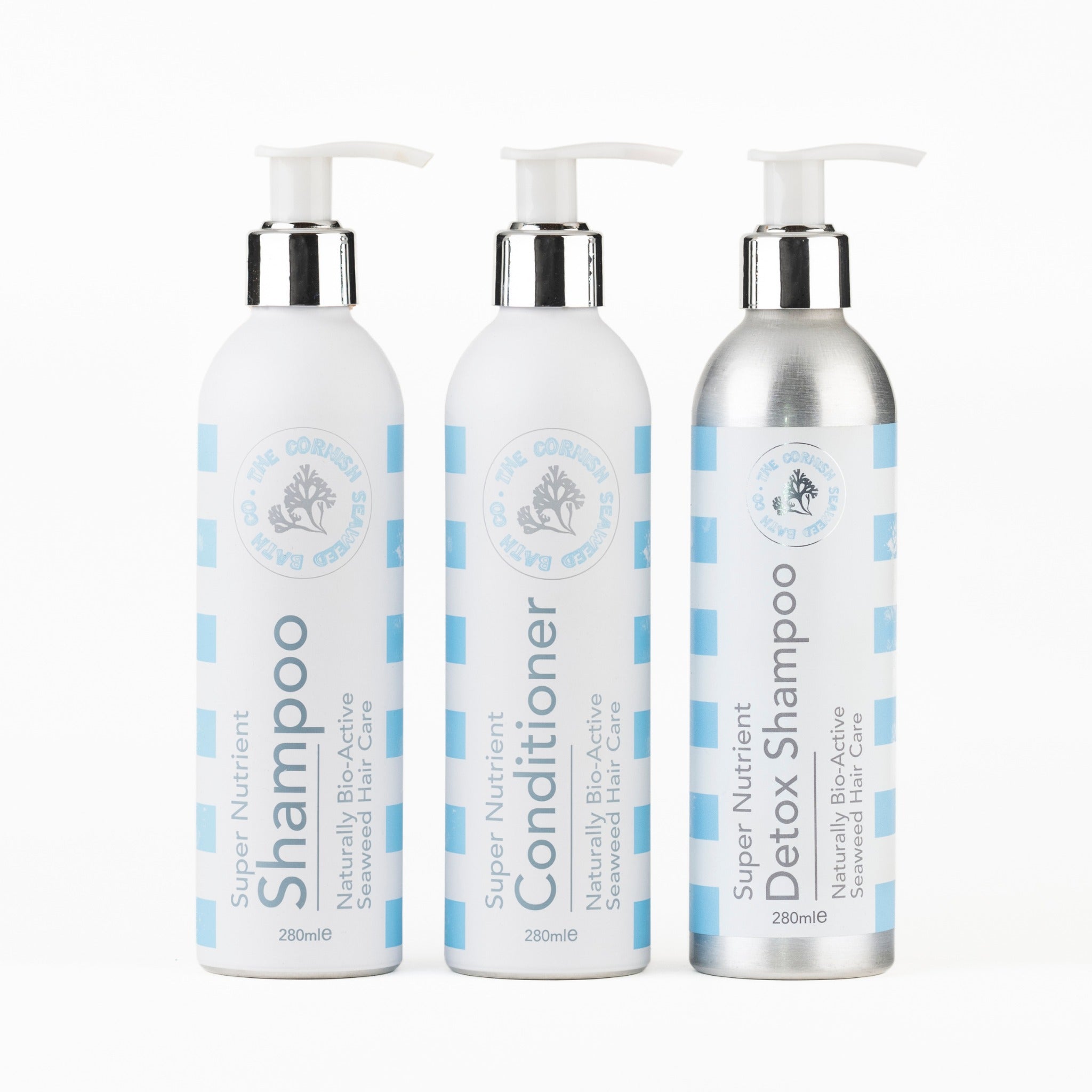
Ingredient transparency enables informed decisions about formulation suitability. Look for clear listings of active botanicals, oils, and cleansing agents rather than vague terms like "natural extracts." Effective formulations often combine complementary ingredients, our Super Nutrient Shampoo pairs seaweed with frankincense and mint for balanced cleansing that suits all hair types, including sensitive scalps.
Even though we do not offer sachets, our seaweed-based approach addresses multiple hair needs simultaneously. The Fucus Serratus seaweed provides minerals that support scalp health, whilst botanicals like tuber fleeceflower and angelica sinensis offer traditional hair-strengthening benefits. Essential oils including clary sage and rosemary invigorate the scalp without causing irritation, making our formulations suitable for daily use.
Comparing Leading Shampoo Sachet Brands
We've selected brands based on UK availability, ingredient transparency, and genuine environmental practices rather than marketing claims alone. Each offers distinct approaches to formulation and sustainability, serving different consumer priorities within the growing shampoo sachet market.
We use seaweed-based formulations that provide minerals and botanicals traditionally valued for scalp health. Our Super Nutrient Shampoo combines Fucus Serratus seaweed with frankincense and mint leaf, creating a sulphate-free formula suitable for daily use across all hair types. UpCircle Beauty lists coconut-derived cleansers with upcycled fruit extracts, focusing on waste reduction through their B Corp certification.
Luseta positions biotin and collagen as strengthening agents, particularly targeting fine or thinning hair concerns. Their sachets offer conventional formulations at accessible price points. Faith in Nature provides basic natural cleansing with coconut-based ingredients, though their botanical range remains limited compared to more specialised brands.
Environmental commitments vary significantly between brands. We maintain plastic-negative certification through verified offsetting programmes, whilst UpCircle focuses on circular economy principles through ingredient upcycling. Conventional brands typically offer standard recyclable packaging without additional environmental measures, making transparency crucial for environmentally conscious consumers. For a broader look at healthy hair routines, see our article on the best shampoos for healthy hair.
Shampoo Sachets vs Other Packaging Formats

Packaging format significantly impacts portability, waste generation, and user experience. Each option serves different needs, from daily family use to occasional travel requirements, making format selection crucial for satisfaction and environmental impact.
| Format | Portability | Portion Control | Environmental Profile | Cost Efficiency |
|---|---|---|---|---|
| Sachet | Excellent | Perfect single-use | Challenging recyclability | Higher per-wash cost |
| Travel Bottle | Good | User-controlled | Reusable container | Moderate |
| Full-size Bottle | Poor | Requires discipline | Better packaging ratio | Most economical |
| Refillable Pouch | Moderate | Flexible dosing | Reduced packaging waste | Good long-term value |
Sachets excel for sampling new formulations without committing to full-size purchases.
Travel bottles offer reusability but require decanting from larger containers, creating potential mess and contamination risks. Full-size bottles provide the best value per wash but lack portability for frequent travellers or those with limited bathroom storage.
Emotional factors often drive format preference beyond practical considerations. Sachets provide the excitement of trying premium formulations affordably, whilst bottles offer the satisfaction of established routines. Consider your primary use case, occasional travel favours sachets, whilst daily family use benefits from larger formats. For more information on the environmental impact of packaging, you can visit WRAP (Waste and Resources Action Programme).
Real-World Use Cases for Shampoo Sachets
Frequent Business Travel: Sachets eliminate liquid restrictions and bottle breakage concerns whilst maintaining hair care standards. Our seaweed formulations provide consistent results regardless of local water conditions, particularly valuable for professionals maintaining appearance standards across different locations.
Festival and Camping Adventures: Weight and space constraints make sachets essential for outdoor enthusiasts. Single-use portions prevent contamination in challenging hygiene conditions whilst biodegradable options minimise environmental impact in sensitive natural areas.
Hotel and Hospitality Services: Premium establishments increasingly offer curated sachet selections, allowing guests to experience high-quality hair care in a convenient format. For additional insights into sustainable beauty and personal care, see the Ellen MacArthur Foundation's overview of the circular economy.
Frequently Asked Questions
What are the main advantages of using shampoo sachets compared to traditional shampoo bottles?
Shampoo sachets offer compact, pre-measured portions that are easy to carry and reduce the risk of leaks. They provide convenience for travel and allow you to sample new products without committing to a full bottle.
How do shampoo sachets contribute to sustainability and reducing plastic waste?
Shampoo sachets use minimal packaging, often designed to be recyclable or biodegradable, which helps reduce plastic waste compared to larger bottles. Their smaller size means less material is used overall, supporting more eco-conscious choices.
What types of shampoo sachets are available and how do I choose the right one for my travel or hair care needs?
Common sachet types include flat packs for single use, stand-up pouches for easier handling, twin sachets for two applications, and strip packs with multiple connected units. Choosing the right type depends on your preference for convenience, portion size, and how you plan to carry them.
In what situations or settings are shampoo sachets most commonly used and why are they preferred?
Shampoo sachets are popular for travel, including weekend trips and international journeys, due to their portability and ease of use. They are also favoured by hotels for guest amenities, salons for samples, and anyone with limited storage, offering practical, mess-free hair care solutions on the go.
A picture tells a thousand words: out of necessity, some images in this blog post have been created using artificial intelligence models. This is to help us bring to life & more comprehensively express the written content within this post. We only using artificially generated images when we don’t have a suitable image available to us.