 January Sale!



Best Cleansers: Your Complete Guide to Natural Facial Cleansing
Key Takeaways
- The best cleanser depends on understanding how different formulations work with your skin's unique needs and concerns
- Effective cleansing removes dirt, pollutants, excess oil, and makeup whilst preserving your skin's natural protective barrier
- Using the wrong cleanser may cause dryness, sensitivity, or breakouts, proper selection prevents these issues
- Natural, seaweed-enriched cleansers can support gentle yet effective cleansing without harsh synthetic surfactants
Table of Contents
- Understanding Cleanser Types: Textures, Functions & How They Work
- Matching Your Cleanser to Your Skin Type: A Practical Guide
- How to Cleanse Your Face: Technique, Timing & Common Mistakes
- Natural Cleansing: Seaweed, Botanicals & Why They Matter
- Cleanser Comparisons: Finding Your Perfect Match
- Addressing Common Cleansing Concerns & Solutions
Finding the best cleansers for your skin requires understanding how different formulations work with your unique needs. A facial cleanser does more than remove surface dirt, it clears away environmental pollutants, excess oil, and makeup whilst maintaining your skin's protective barrier. The wrong choice may trigger dryness, sensitivity, or breakouts, whilst the right one becomes the foundation of healthy skin.
Natural, mineral-rich cleansers offer a compelling alternative to synthetic formulations. Seaweed-based options like our Renewal Facial Cleanser combine gentle saponified oils with wild Cornish seaweed that delivers minerals and amino acids to support skin barrier function rather than stripping it. These formulations prove that effective cleansing doesn't require harsh surfactants or synthetic ingredients.
The best cleanser balances thorough cleansing with skin comfort and aligns with your values, whether that's sustainability, ingredient transparency, or supporting traditional harvesting practices. Your ideal choice depends on your skin type, lifestyle demands, and personal preferences for texture and ritual.
Understanding Cleanser Types: Textures, Functions & How They Work
Foaming and Gel Cleansers
Foaming cleansers use surfactants to lift oil and debris, creating the satisfying lather that signals a "deep clean" sensation. This format excels for oily and combination skin types that produce excess sebum throughout the day. The foam texture provides immediate sensory feedback, though this doesn't necessarily indicate superior cleansing power.
However, harsh foaming agents may over-strip dry or sensitive skin, disrupting the natural barrier. Our Pure Seaweed Soap creates a natural lather through saponified plant oils rather than synthetic surfactants, offering the foaming experience without harsh chemical cleansers.
Cream and Oil-Based Cleansers
Cream and oil-based formulations dissolve makeup and impurities whilst laying down protective emollients. These cleansers work through gentle dissolution rather than aggressive surfactant action, making them ideal for dry, sensitive, and mature skin types that need barrier support during cleansing.
Our Skin Repair Balm can be used as the oil-based first step in a simple two-step cleanse. Warm a small amount between fingers, apply to damp skin, and massage gently over face and neck to dissolve impurities, then follow with Renewal Facial Cleanser and rinse with warm water. The waterless formula combines pure oils, wild Cornish seaweed and calming botanicals to cleanse effectively whilst delivering minerals and moisture-binding compounds that may support skin health rather than compromise it.
Bar Soaps vs. Liquid Cleansers
| Feature | Bar Format | Liquid Format |
|---|---|---|
| Concentration | Highly concentrated, long-lasting | Diluted with water, faster consumption |
| Packaging | Minimal, often paper-wrapped | Plastic bottles, pumps, caps |
| Travel | TSA-compliant, no spillage risk | Liquid restrictions, leakage potential |
| Shelf Life | 12+ months, minimal preservatives | 12-24 months, requires preservatives |
| Texture | Requires activation with water | Ready-to-use, consistent texture |
Our range includes both formats: Pure Seaweed Soap and Fragrance Free Seaweed Soap in concentrated bar form, plus Renewal Facial Cleanser as an environmentally mindful and preservative-free liquid option. Bar soaps typically offer superior sustainability profiles due to concentrated formulation and reduced packaging waste.
Matching Your Cleanser to Your Skin Type: A Practical Guide
Identifying Your Skin Type in 2-3 Minutes
Normal Skin shows balanced hydration and oil production with minimal persistent concerns. This adaptable skin type works well with gentle gel or light cream cleansers. Our Renewal Facial Cleanser suits this profile perfectly with its balanced formulation of seaweed-enriched saponified oils.
Oily Skin displays visible shine by mid-morning, enlarged pores, and tendency toward congestion. These skin types may benefit from foaming or gel formats that remove excess sebum without over-drying. Pure Seaweed Soap provides natural cleansing action through saponified plant oils without synthetic lather agents.
Dry Skin feels tight post-cleansing, shows flaking or rough texture, and produces minimal natural oils. Creamy, non-foaming cleansers work best here. Renewal Facial Cleanser delivers saponified oils and wild Cornish seaweed minerals that may help nourish during the cleansing process.
Sensitive Skin reacts to many products with stinging, burning, or redness. This skin type requires minimal-ingredient formulations without potential irritants. Our Fragrance Free Seaweed Soap contains only saponified plant oils and seaweed (Fucus Serratus), no essential oils that might trigger reactions.
Quick Skin Type Test
Cleanse face with water only, wait 30 minutes, then observe: Shiny throughout = oily; Tight and flaky = dry; Shiny T-zone only = combination; Any irritation or stinging = sensitive.
Special Considerations: Age, Environment & Concerns
Mature Skin often becomes drier with age and may benefit from antioxidant-rich, hydrating cleansers. Renewal Facial Cleanser includes frankincense and botanical extracts like rose absolute that provide nourishment during the cleansing process, combined with seaweed's natural minerals and amino acids to support mature skin's changing needs.
For acne-prone or blemish-prone skin, effective cleansing without harsh actives proves essential. Seaweed-based cleansers suited to this concern remove oil and impurities gently without synthetic acne-fighting ingredients that may over-irritate already sensitive skin. Our Sea Organic Facial Oil works well after cleansing to support scar care and blemish-prone skin without clogging pores.
When dealing with eczema-prone or psoriasis-prone skin, ultra-gentle, fragrance-free formulations become necessary. Our Fragrance Free Seaweed Soap features a minimal ingredient list, eliminating potential irritants whilst maintaining effective cleansing.
How to Cleanse Your Face: Technique, Timing & Common Mistakes
Proper cleansing technique matters as much as product selection. Even the finest cleanser fails when applied incorrectly, whilst correct application maximises any formula's effectiveness.
The Proper Facial Cleansing Routine
Morning and evening cleansing follows five essential steps: First, dampen your face with lukewarm water, never hot, as excessive heat strips natural oils and increases sensitivity. Second, dispense 1–2 pumps of liquid cleanser or work dampened bar soap into a light lather. Third, apply using gentle circular motions with fingertips for 30-60 seconds, focusing on areas where oil accumulates whilst remaining gentle around the delicate eye area.
Fourth, rinse thoroughly with lukewarm water for 15-20 seconds minimum, ensuring no residue remains. Fifth, pat dry with a clean, soft towel, never rub, which may cause irritation. The entire process should take 2-3 minutes maximum.
Double Cleansing: When & How
Double cleansing may benefit those who wear heavy makeup, sunscreen, or spend significant time outdoors. The first cleanse removes makeup and surface impurities, whilst the second cleanse addresses remaining oil and deeper debris. Use the same cleanser twice, our Renewal Facial Cleanser works effectively for both steps.
This method isn't necessary daily. Apply 2-3 times weekly or as needed based on your lifestyle and product use. Over-cleansing can disrupt the skin barrier just as readily as under-cleansing can trap impurities.
Common Cleansing Mistakes & Solutions
- Using water that's too hot disrupts the skin barrier and increases irritation, lukewarm water only.
- Cleansing for too long (over 90 seconds) removes natural oils and may cause dryness; 30-60 seconds proves sufficient.
- Rough application creates micro-tears and sensitivity; use gentle fingertips only.
- Insufficient rinsing leaves residue that may irritate skin or trap bacteria; rinse thoroughly for 15-20 seconds.
- Incorrect frequency, either too much or too little, leads to over-stripping or bacteria accumulation. A properly cleansed face feels clean but never tight; tightness indicates your cleanser or technique may be too harsh for your skin type.
Natural Cleansing: Seaweed, Botanicals & Why They Matter
Seaweed-based cleansing offers a distinct approach to facial care, working with skin's natural processes rather than against them. Understanding what makes seaweed effective helps explain why these cleansers may serve those seeking natural alternatives to synthetic formulations.
What Makes Seaweed an Effective Cleanser?
Wild Cornish seaweed's minerals and amino acids support gentle cleansing whilst natural polysaccharides form a protective film on skin that doesn't strip natural oils. Trace minerals including iodine, potassium, and magnesium provide effective removal of oil and impurities whilst supporting the skin's natural barrier function.
This creates a silky texture distinct from conventional synthetic foams, appealing to those who prefer natural sensory experiences. The sustainability aspect proves equally compelling, our seaweed is hand-harvested from Cornish waters as a renewable resource, contrasting with synthetic surfactants that require energy-intensive manufacturing processes.
Our Cleanser Ingredients & Their Roles
Our Renewal Facial Cleanser combines saponified oils (olive, coconut, castor seed, jojoba) that act as natural emulsifiers, providing gentle cleansing without synthetic surfactants. Wild Cornish seaweed (Fucus Serratus) contributes minerals and amino acids that may support barrier health during cleansing, whilst frankincense offers soothing properties. Rose absolute, rose geranium, lavender, and ho wood provide botanical aromatics without synthetic fragrance.
Our Pure Seaweed Soap features saponified plant oils (olive, coconut, castor) that create stable lather whilst remaining gentle on skin. Wild Cornish seaweed (Fucus Serratus) provides mineral content and natural compounds, whilst essential oils (lime, lemongrass, bergamot) offer natural fragrance that's uplifting and fresh.
For sensitive skin, our Fragrance Free Seaweed Soap contains only saponified plant oils and wild Cornish seaweed, no essential oils that might trigger reactions.
Natural vs. Synthetic: Why the Distinction Matters
Synthetic surfactants like SLS and SLES prove effective but harsh, potentially disrupting skin barrier function and causing sensitivity in some individuals. Natural surfactants from saponified oils and seaweed compounds work more gently with skin's natural processes, showing lower irritation risk particularly for sensitive or reactive skin types.
Environmental impact differs significantly, synthetic surfactants persist in waterways, whilst natural, biodegradable alternatives support sustainable beauty practices. Natural cleansers often create more luxurious, intentional experiences, transforming daily cleansing from routine hygiene into mindful self-care.
We don't claim seaweed alone cleanses skin; rather, wild Cornish seaweed's minerals and amino acids support effective, gentle cleansing when combined with natural saponified oils and carefully selected botanicals.
Cleanser Comparisons: Finding Your Perfect Match
Choosing between liquid and bar formats, foaming and non-foaming textures, or single versus double cleansing approaches can feel overwhelming. These practical comparisons help identify which cleansers may best suit your specific needs and preferences.
Liquid vs. Bar Cleanser: Weighing Your Options
| Feature | Liquid Cleanser | Bar Soap |
|---|---|---|
| Texture | Pourable; easy to dispense | Solid; requires water activation |
| Lather Formation | Varies (foaming, cream, gel) | Creates lather quickly |
| Travel Convenience | Requires container; liquid restrictions | Compact; no spillage risk |
| Sustainability | More packaging; water content | Minimal packaging; concentrated |
| Skin Feel | Often lighter application | Often richer, more nourishing |
| Best For | Convenience, precise dosing | Sustainability, travel, sensory ritual |
| Our Offering | Renewal Facial Cleanser | Pure Seaweed Soap, Fragrance Free Seaweed Soap |
Choose liquid formats for convenience and controlled dosing; select bar formats for sustainability, travel efficiency, and the sensory ritual of working up lather.
Foaming vs. Non-Foaming: Understanding the Difference
Foaming cleansers may suit oily, blemish-prone, and combination skin types, providing refreshing cleansing that removes excess oil effectively. The lather sensation appeals to those who prefer thorough oil removal, though overuse may strip sensitive skin.
Non-foaming cream and gel cleansers may work better for dry, sensitive, and mature skin types. These maintain hydration during cleansing with smooth, gliding textures that support rather than disrupt the skin barrier. They may feel insufficient to those accustomed to foaming action, but clean just as thoroughly without the sensory feedback.
Our Pure Seaweed Soap creates natural lather through saponified oils, whilst our Renewal Facial Cleanser offers non-foaming, creamy application. Both clean effectively, choose based on preference and skin type.
Single-Step vs. Multi-Step Cleansing
Single cleanser approaches prove simple, efficient, and cost-effective for most daily situations, particularly with minimal makeup or for sensitive skin that benefits from gentler handling. Double cleansing offers thorough removal and creates a two-step ritual, though it's time-intensive and unnecessary for daily use.
Use one cleanser daily; reserve double cleansing for 1-3 times weekly after heavy makeup, sunscreen, or environmental exposure. Our Renewal Facial Cleanser and Pure Seaweed Soap work effectively for both single and double cleansing approaches.
Addressing Common Cleansing Concerns & Solutions
Even well-chosen cleansers may cause issues when skin changes, technique needs adjustment, or environmental factors shift. These solutions address the most frequent cleansing problems.
Cleanser Leaving Skin Tight & Dry
Cause: Over-cleansing, harsh surfactants, or water too hot. Solution: Switch to gentler formulation like our Renewal Facial Cleanser, reduce cleansing time to 30-60 seconds, and use lukewarm water only. Follow immediately with a hydrating product like Sea Organic Facial Oil applied to slightly damp skin.
Breakouts After Starting New Cleanser
Cause: Pore-clogging ingredients, over-cleansing, or skin purging from improved cleansing. Solution: Discontinue use if irritation occurs. For mild purging, continue for 2-3 weeks whilst monitoring. Our Sea Organic Facial Oil may help support blemish-prone skin without clogging pores.
Cleanser Not Removing Makeup Effectively
Cause: Wrong cleanser type for heavy makeup or waterproof formulations. Solution: Use double cleansing method or switch to oil-based first cleanse. Our cleansers work effectively for light to moderate makeup; for heavy or waterproof makeup, consider an oil-based pre-cleanse before using our Renewal Facial Cleanser.
Sensitive Skin Reactions
Cause: Fragrance, essential oils, or harsh surfactants. Solution: Switch to our Fragrance Free Seaweed Soap with minimal ingredients. Patch test new products on inner forearm for 48 hours before facial use. For redness-prone or rosacea-prone skin, consider our Sand Organic Facial Oil after cleansing to help calm and soothe.
Building Your Complete Routine
After cleansing, your skin needs hydration and protection. For a complete routine:
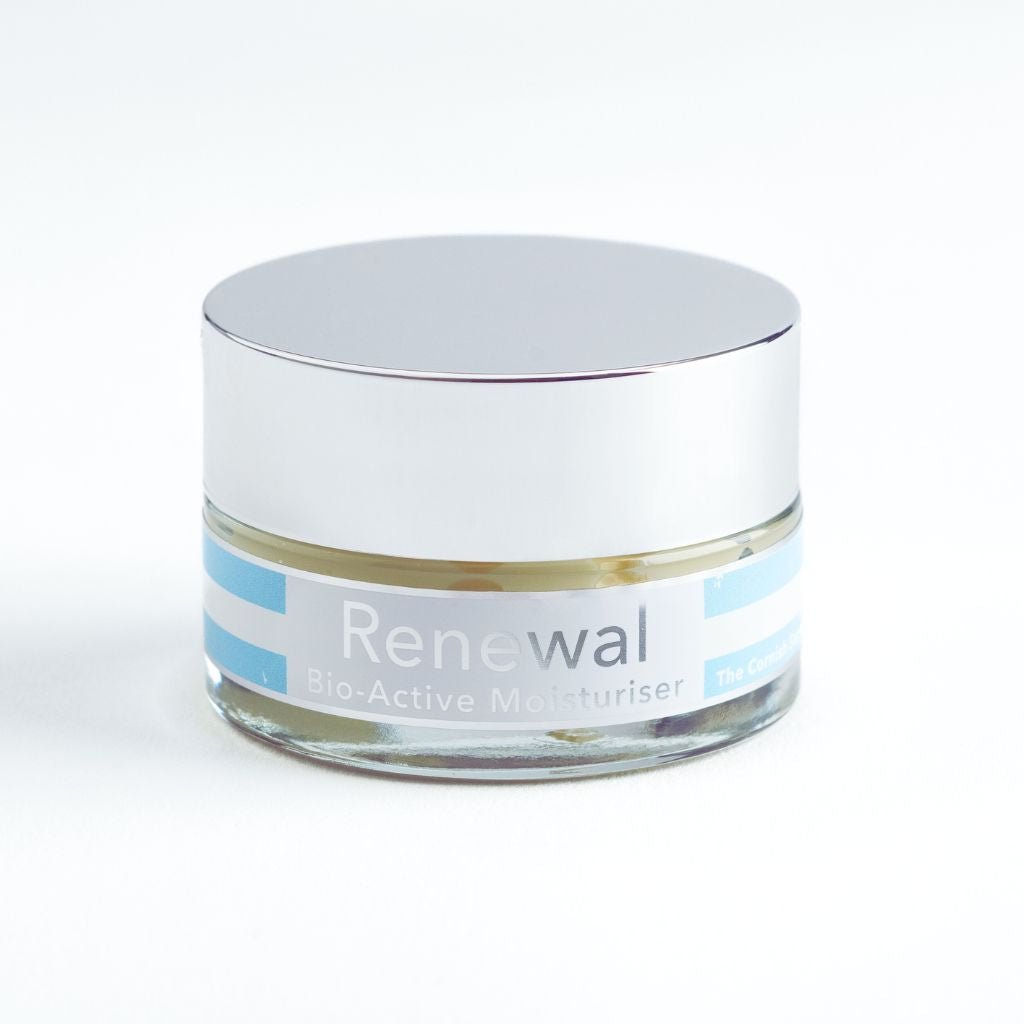
Morning: Cleanse → Sea Organic Facial Oil (2-3 drops on damp skin) → Renewal Bio-Active Moisturiser → Revitalise Eye Gel
Evening: Cleanse → Choose facial oil by need → Renewal Bio-Active Moisturiser → Revitalise Eye Gel
The right cleanser forms the foundation of healthy skin, but it works best as part of a complete routine that supports your skin's natural barrier function and addresses your specific concerns.
Frequently Asked Questions
How do I choose the best cleanser for my specific skin type and concerns?
Selecting the best cleanser involves considering your skin’s unique needs, such as oiliness, sensitivity, or dryness. Look for formulations that effectively remove impurities without disturbing your skin’s natural barrier, and choose textures and ingredients that feel comfortable and supportive for your particular concerns.
What are the benefits of using natural, seaweed-enriched cleansers compared to synthetic surfactant-based ones?
Natural, seaweed-enriched cleansers offer gentle cleansing supported by minerals and amino acids that help maintain the skin’s protective barrier. Unlike some synthetic surfactants, these formulations avoid harsh stripping, providing a soothing experience while effectively removing dirt and pollutants.
What are the differences between foaming, cream, and oil-based cleansers, and which skin types are they best suited for?
Foaming cleansers create a light lather that suits oily or combination skin by lifting excess sebum and debris. Cream cleansers tend to be more nourishing and gentle, ideal for dry or sensitive skin. Oil-based cleansers dissolve makeup and impurities effectively, often benefiting those with dry or mature skin seeking a soothing cleanse.
How do bar soaps compare to liquid cleansers in terms of concentration, packaging, travel convenience, and shelf life?
Bar soaps are typically more concentrated, offering longer use per unit and often come with minimal packaging, which supports sustainability. They are convenient for travel due to their solid form and generally have a stable shelf life. Liquid cleansers provide ease of use and precise dosing but usually involve more packaging and may be less travel-friendly.
A picture tells a thousand words: out of necessity, some images in this blog post have been created using artificial intelligence models. This is to help us bring to life & more comprehensively express the written content within this post. We only using artificially generated images when we don’t have a suitable image available to us.