 It's Early Summer!





Key Takeaways
- Silver shampoo uses violet pigments to neutralise warm, brassy tones in hair.
- The shampoo works based on the colour wheel principle, where purple counteracts yellow.
- It applies a sheer purple filter that cools down unwanted yellow tones.
- Silver shampoo does not permanently alter the hair's structure.
Table of Contents
- What Is Silver Shampoo and How Does It Work?
- Who Gets the Best Results from Silver Shampoo?
- Silver Shampoo vs Regular Shampoo – Key Differences That Actually Matter
- How to Choose the Best Silver Shampoo for Your Hair
- Step-by-Step: How to Use Silver Shampoo for Consistent, Even Toning
- How Often Should You Use Silver Shampoo?
Best Silver Shampoo – A Calm, Complete Guide to Choosing, Using and Caring for Silver, Grey and Blonde Hair
At-a-Glance: What Silver Shampoo Does and Who It's For
- Neutralises yellow and brassy tones using violet pigments
- Ideal for grey, silver, white, platinum blonde, and highlighted hair
- Does not lighten hair – only cools existing colour
- Works gradually over several washes, not instantly
- Contains cleansing agents plus colour-depositing pigments
Silver shampoo operates on the colour wheel principle: purple sits opposite yellow, so violet pigments visually neutralise warm, brassy tones. Think of it as applying a sheer purple filter that cools down unwanted yellow without permanently altering your hair's structure.
You'll likely benefit from the best silver shampoo if you notice yellow creeping into your cool blonde after 2-3 weeks, your natural grey looks slightly stained at the front, or your silver balayage appears warm under bathroom lights. However, if you're a medium brunette with no highlights, or dealing with strong orange tones rather than yellow, silver shampoo won't deliver the results you're seeking.
For even better results, consider using a shampoo brush to help distribute the product evenly and stimulate your scalp during application.
The key distinction: silver shampoo excels at yellow neutralisation but cannot address deeper orange or red undertones that require professional correction.
What Is Silver Shampoo and How Does It Work?

The Basics: What Makes a Shampoo "Silver"
Silver shampoo is a colour-depositing cleanser containing violet or blue-violet pigments designed to visually neutralise yellow and brassy tones. Unlike permanent hair dye, these pigments don't penetrate deeply into the hair shaft – they create a temporary cooling effect that gradually washes out over time.
The term "silver" refers to the desired outcome rather than the product's appearance, which typically ranges from pale lavender to deep purple depending on pigment concentration.
The Colour Wheel Made Practical
Complementary colours neutralise each other when layered: purple cancels yellow, blue cancels orange. When you apply a sheer layer of violet pigment to yellow-toned hair, the colours blend visually to create a cooler, more neutral appearance.
Expect subtle brightening after one wash, with clearer tonal shifts becoming apparent after 3-5 uses as pigments build up gradually on the hair's surface.
How Silver Shampoo Interacts With Hair
Hair porosity determines how quickly pigments absorb. Porous or previously bleached hair features raised cuticles that grab colour faster, while virgin hair with smooth cuticles resists pigment uptake. The violet particles settle primarily on the surface and within the outer cuticle layers, creating the neutralising effect without permanently altering your hair's natural colour.
Stronger formulas and extended contact times of 3-5 minutes intensify the cooling effect, but the pigments remain temporary and fade with subsequent washes.
Who Gets the Best Results from Silver Shampoo?
Hair Colours That Benefit Most
- Natural or dyed grey, silver, and white hair experiencing environmental yellowing from pollution or product buildup
- Platinum or cool blonde seeking to maintain an icy, ash-toned finish
- Highlighted or balayage blondes with warm bands appearing at the mid-lengths or ends
- Salt-and-pepper hair where enhanced silver pieces create better contrast against darker strands
Dark blonde or light brown hair will experience gentle brass softening rather than dramatic tonal shifts, with the most noticeable results appearing on any lightened sections.
When Silver Shampoo May Not Be Ideal
Medium to deep brunettes without lightened areas won't see meaningful results, as the underlying pigment is too dark for violet tones to register visually. Very strong orange or red undertones require blue-based toners or professional colour correction rather than purple-based silver shampoos.
Extremely dry or chemically-damaged hair may need gentler maintenance approaches, as any pigmented product requires careful pacing to avoid further stress.
Suitability by Hair Type and Texture
Fine hair requires smaller product amounts and shorter processing times, while thick hair needs thorough sectioning to ensure even distribution. Curly and wavy textures often show yellowing more prominently in certain sections due to how light reflects off the curl pattern, making targeted application particularly effective.
Coarse or highly porous hair grabs pigment rapidly, creating risk of over-toning if left on too long. Start with 1-2 minute contact times and build gradually.
Comparison Table – Who Benefits Most from Silver Shampoo?
| Hair Type/Colour | Common Issue | What Silver Shampoo Can Realistically Do | What It Cannot Do |
|---|---|---|---|
| Natural grey/white | Environmental yellowing, dullness | Restore brightness, neutralise yellow cast | Cover regrowth or change base colour |
| Platinum blonde | Brass appearing within 2-3 weeks | Maintain icy tone between salon visits | Lighten hair or remove orange undertones |
| Highlighted/balayage | Uneven warmth on lightened sections | Cool specific areas, even out tone | Blend harsh lines or fix patchy colour |
| Salt-and-pepper | Silver strands looking stained | Enhance contrast, brighten white sections | Affect darker sections or change ratio |
| Dark blonde/light brown | Subtle brass in natural colour | Gentle cooling, soften warm tones | Create dramatic colour change |
Silver Shampoo vs Regular Shampoo – Key Differences That Actually Matter
Pigment vs Plain Cleansing
The fundamental difference lies in purpose: regular shampoo focuses solely on cleansing the scalp and hair, while silver shampoo combines cleansing with targeted colour correction through violet pigments. Silver shampoo functions as a specialised tool within your routine rather than a complete replacement for everyday washing.
This dual function means silver shampoo requires more thoughtful application – considering contact time, frequency, and hair condition – whereas regular shampoo can be used more intuitively.
Formulation Differences (Without Jargon)
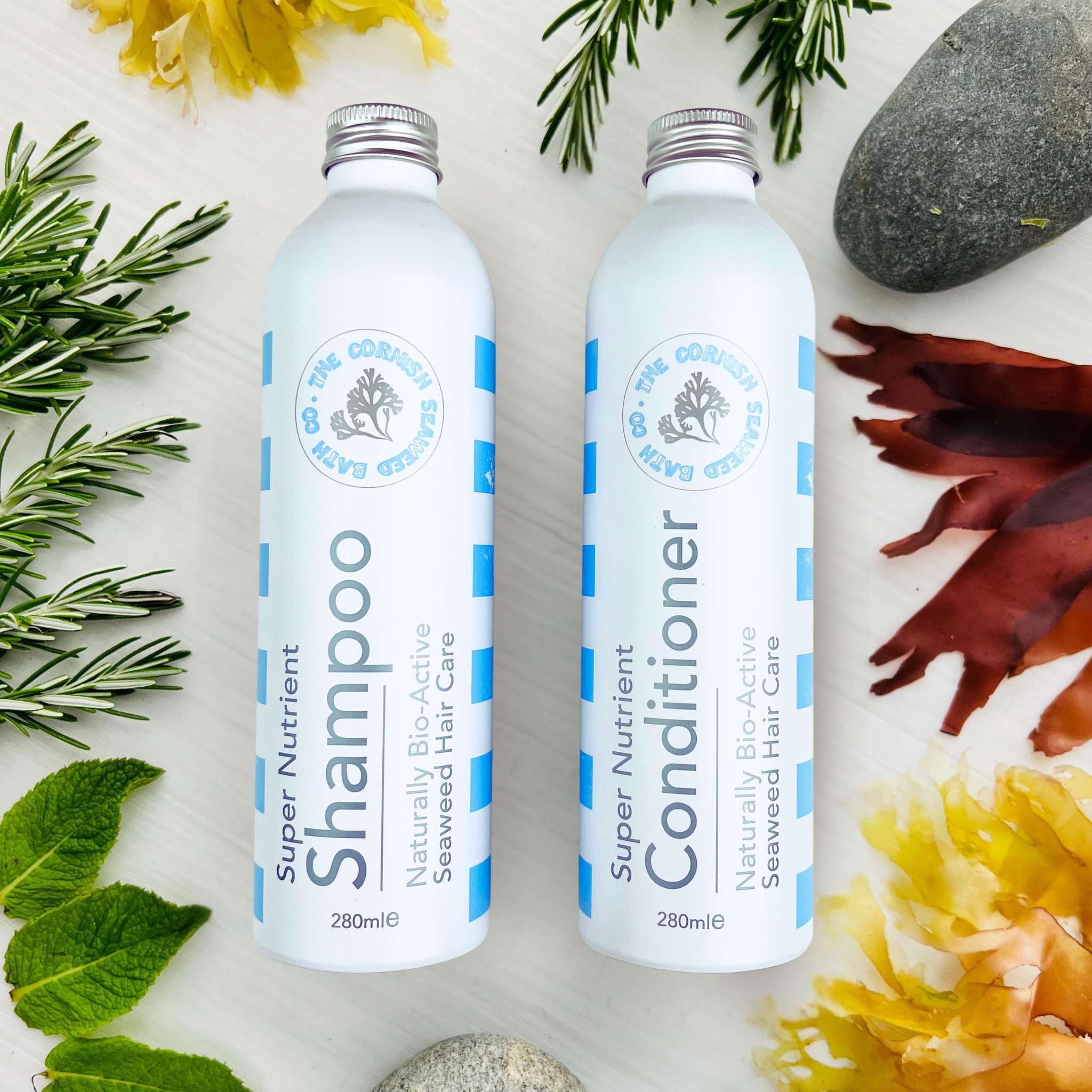
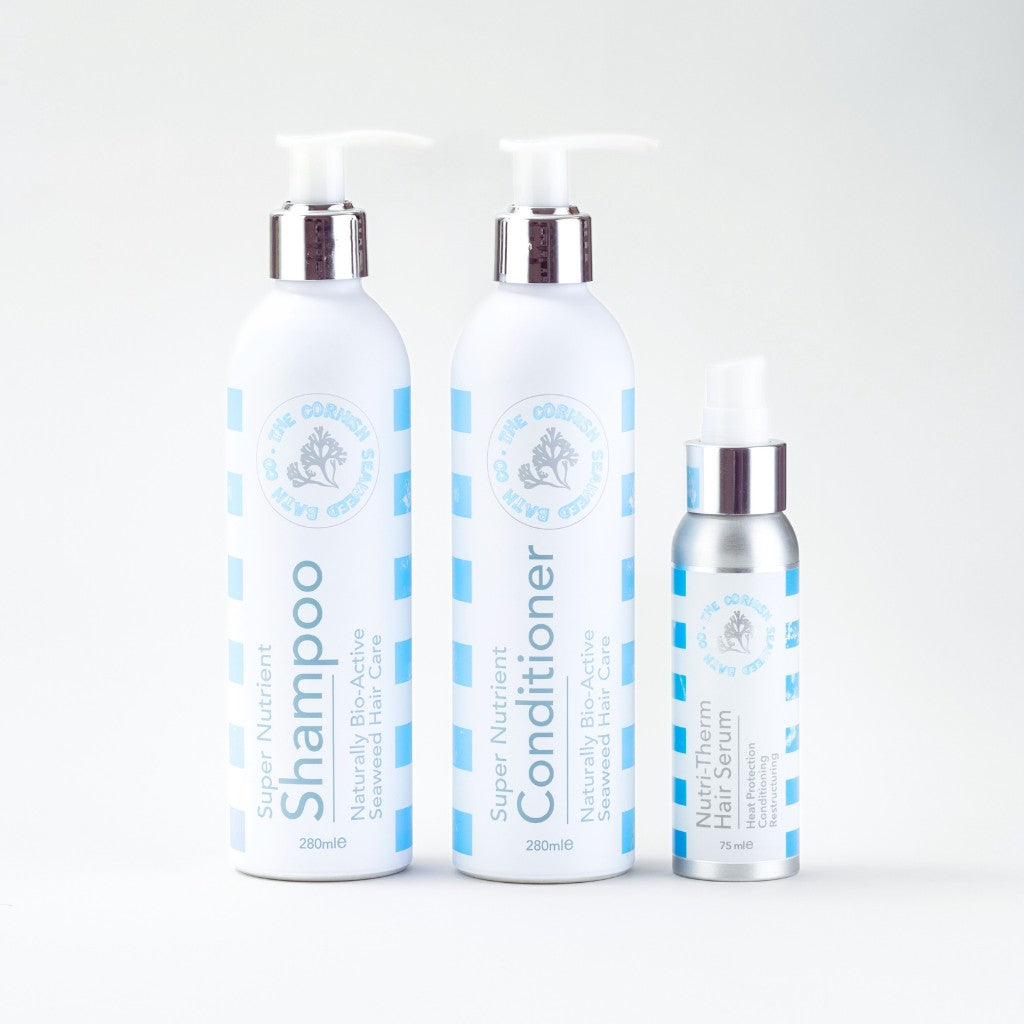
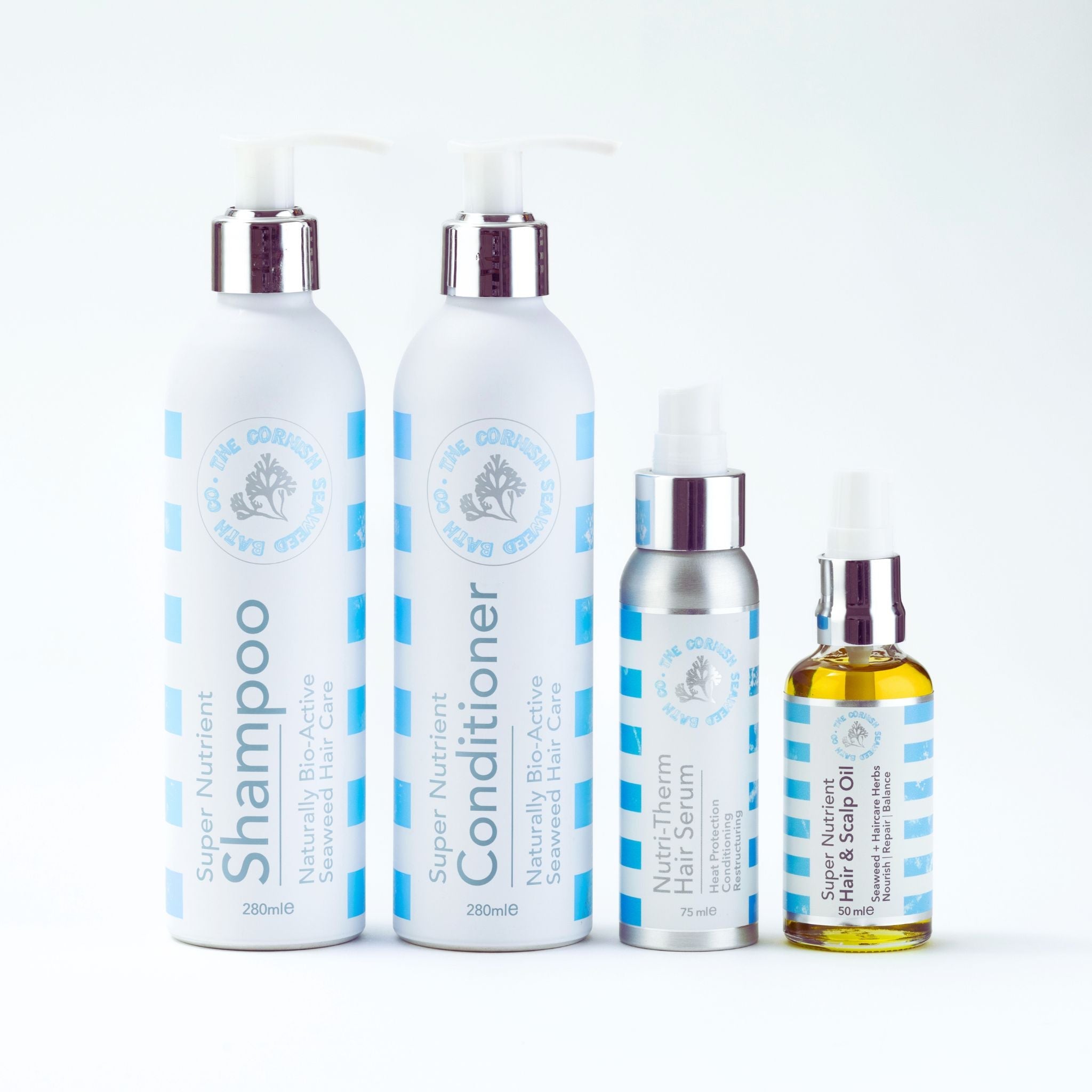
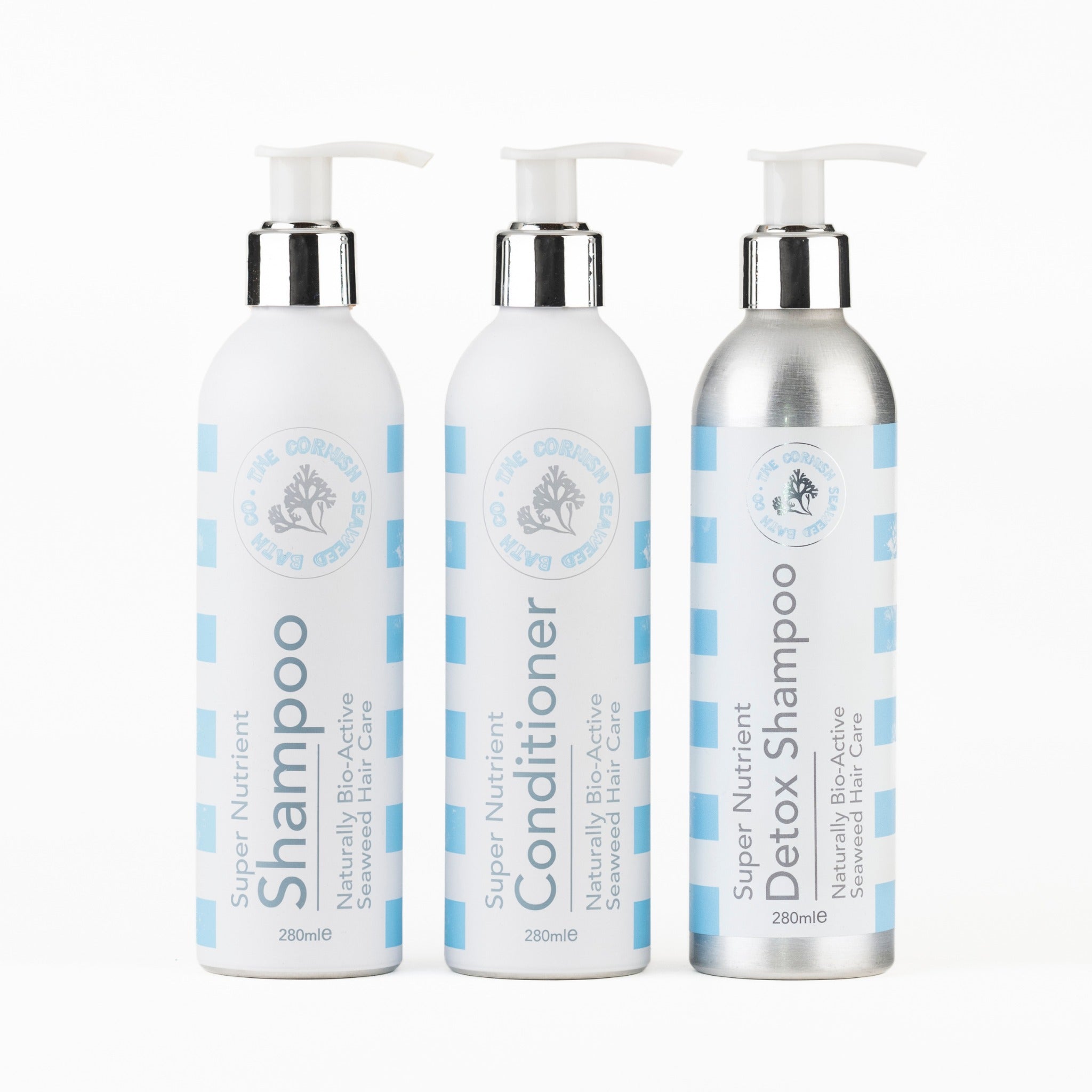
Many silver shampoos utilise gentler, sulphate-free cleansing agents to protect colour-treated or chemically processed hair from excessive stripping. Our Super Nutrient Shampoo exemplifies this approach with its sulphate-free formula enriched with seaweed, frankincense, and nourishing oils like argan and oat kernel oil.
Some silver shampoos lean more moisturising, leaving hair softer but potentially less thoroughly cleansed, while others emphasise clarifying action that removes buildup but may feel more drying on already-processed hair.
If you're interested in learning more about maintaining overall hair health, you may find our guide on best shampoos for healthy hair helpful.
When to Use Each in Your Week
Most people benefit from incorporating silver shampoo once or twice weekly alongside their regular shampoo routine. For instance, you might use silver shampoo every Wednesday and Sunday, with a gentle daily shampoo for other wash days, adjusting frequency based on how quickly yellow tones return.
Your individual pattern depends on scalp oiliness, exercise frequency, and styling product use – there's no universal schedule that works for everyone.
Side-by-Side Table – Silver vs Regular Shampoo
| Aspect | Silver Shampoo | Regular Shampoo |
|---|---|---|
| Primary purpose | Cleanse + neutralise yellow tones | Cleanse scalp and hair |
| Contains pigments | Yes, violet/blue-violet | No colour-depositing agents |
| Typical frequency | 1-3 times per week | As needed for cleanliness |
| Colour maintenance | Extends salon colour longevity | Neutral effect on colour |
| Feel on hair | May feel slightly coating initially | Clean, familiar finish |
| Risk if overused | Over-toning, dryness, ash buildup | Potential dryness from over-cleansing |
How to Choose the Best Silver Shampoo for Your Hair

Start with Your Starting Shade and Goal
Define your objective clearly: are you seeking slightly cooler tones, maintaining an icy platinum finish, softening strong yellow, or brightening white hair? Your starting level determines realistic expectations – level 9-10 blondes can achieve dramatic cooling, while level 6-7 hair will experience subtle brass reduction.
Darker starting levels need patience and realistic expectations, as violet pigments show most effectively on lighter bases.
Pigment Strength and How to Recognise It
Visual cues help you gauge intensity: deep purple shampoo with thicker consistency typically delivers more aggressive toning than pale lavender formulas. Gentler formulations prove safer for natural grey hair, fine textures, or first-time users who risk over-processing.
Strong pigment formulas work efficiently but require careful timing, while milder options offer more forgiving application with gradual results.
Ingredients to Look For
Sulphate-free formulations protect colour-treated and fragile hair from excessive stripping while still providing effective cleansing. Our Super Nutrient Shampoo combines this gentle approach with seaweed for scalp health, frankincense for its traditional hair-strengthening properties, and nourishing oils like argan and oat kernel that help maintain moisture during the toning process.
Look for conditioning agents and plant oils that soften and smooth rather than formulas that feel stripping, particularly important if your hair shows signs of dryness from previous chemical processing. For more on this, see our advice on dryness shampoo and how to keep your hair hydrated.
Matching Formula to Hair Type
Oily scalps can handle slightly more cleansing formulas, while dry scalps benefit from moisture-preserving ingredients. Curly and coily textures require slip and softness to preserve curl pattern integrity during washing and rinsing.
Fine hair needs lightweight formulas that won't weigh strands down, while thick, coarse hair can accommodate richer textures that provide more intensive conditioning alongside toning.
Sustainability and Packaging Considerations
Consider packaging materials that align with your environmental values, such as recyclable bottles and minimal excess packaging. Careful dosing and using cooler water temperatures support more sustainable routines while maintaining effective results.
Decision Checklist – Your "Best Silver Shampoo" in 5 Questions
- Is your hair more yellow-toned than orange-toned?
- Do you prefer sulphate-free formulations for gentle cleansing?
- Is preventing dryness your main concern alongside toning?
- Are you new to silver shampoo and prefer gradual results?
- Does your hair respond well to nourishing oils and botanical ingredients?
Step-by-Step: How to Use Silver Shampoo for Consistent, Even Toning
Before You Start – Preparation for Best Results
Detangle hair beforehand to ensure even product distribution throughout all sections. If hair carries heavy styling product buildup or hasn't been washed for several days, consider a preliminary gentle cleanse to help the silver shampoo work more effectively and evenly. For more tips on proper washing technique, read our article on shampooing.
Exact Application Steps (With Timings and Amounts)
Dosage varies by hair length: short hair needs a 5-10p-sized amount, medium length requires 10p-sized portions, while long hair benefits from two separate 10-20p applications worked through in sections.
Follow this sequence: fully saturate hair with warm water for 60-90 seconds, apply shampoo starting at roots and working through mid-lengths to ends, then emulsify with additional water to help the product spread evenly and create gentle lather.
Contact Time – How Long to Leave It On
Timing determines results intensity: first-time users should start with 1-2 minutes, regular maintenance typically requires 3 minutes, while stubborn brass may need up to 5 minutes of contact time. Check a small strand near your hairline after 2-3 minutes to gauge progress.
Never exceed manufacturer guidelines, as over-processing can lead to unwanted purple or grey tones that prove difficult to correct.
Rinsing and Aftercare
Rinse thoroughly until water runs completely clear to prevent patchy pigment deposits. Follow immediately with a suitable conditioner to restore softness and slip, as toning shampoos focus on colour correction rather than intensive conditioning.
Even Application on Long or Thick Hair
Divide hair into 2-4 manageable sections before applying product. Work shampoo through each section using fingers in a combing motion, ensuring product reaches under-layers where yellowing often hides but receives less attention during casual application.
How Often Should You Use Silver Shampoo?
Why There's No One-Size-Fits-All Schedule
Optimal frequency depends on multiple individual factors: natural scalp oil production, exercise habits and sweat levels, overall washing frequency, how rapidly your specific hair develops yellow tones, and the strength of your chosen silver shampoo formula.
Practical Example Routines
These examples illustrate different approaches rather than prescriptive rules: using silver shampoo once weekly in a typical 3-wash routine, alternating every second wash for strongly brassy hair, or applying once fortnightly for subtle brightening on natural grey hair that yellows slowly.
Your optimal pattern emerges through observation and adjustment based on your hair's specific response and your aesthetic preferences. For more on transitioning your routine, see our post on transitioning to a natural shampoo and what to expect during the detox process.
Signs You're Using It Too Often (or Not Enough)
Overuse manifests as hair looking dull or overly ashy, feeling drier than usual, or scalp irritation. If you notice these signs, reduce frequency or shorten contact time. If yellow tones persist despite regular use, you may need to increase frequency slightly or check that the shampoo is being applied evenly and left on long enough. Always adjust based on your hair's response rather than a fixed schedule.
Frequently Asked Questions
How does silver shampoo neutralise yellow and brassy tones in hair?
Silver shampoo contains violet pigments that work on the colour wheel principle, where purple counteracts yellow. These pigments apply a sheer purple filter that visually cools down warm, brassy tones without permanently altering the hair's structure.
Who is the ideal candidate for using silver shampoo and which hair colours benefit the most?
Silver shampoo is best suited for those with grey, silver, white, platinum blonde, or highlighted hair who wish to neutralise yellowing or brassiness. It is less effective for medium brunettes without highlights or for hair with deeper orange or red undertones.
What is the difference between silver shampoo and regular shampoo?
Silver shampoo is a colour-depositing cleanser that includes violet pigments to neutralise yellow tones, whereas regular shampoo focuses solely on cleansing without colour correction. Silver shampoo works gradually over several washes to cool unwanted warmth, while regular shampoo does not affect hair colour.
How often should silver shampoo be used to maintain cool, neutral tones without damaging hair?
The frequency of silver shampoo use varies depending on individual hair needs, but it is generally used as part of a regular hair wash routine to maintain neutral tones. It is formulated to be gentle and suitable for frequent use without causing damage.
A picture tells a thousand words: out of necessity, some images in this blog post have been created using artificial intelligence models. This is to help us bring to life & more comprehensively express the written content within this post. We only using artificially generated images when we don’t have a suitable image available to us.