 January Sale!



Key Takeaways
- A blonde shampoo is specially formulated to enhance light hair colour.
- It contains purple or blue pigments that temporarily deposit on the hair cuticle.
- Blonde shampoos provide gentle cleansing along with tone adjustment.
- They differ from regular shampoos by offering colour-enhancing benefits.
- Unlike everyday shampoos, blonde shampoos help maintain cool hair tones.
Table of Contents
- What Is Blonde Shampoo – And When Do You Actually Need It?
- How Blonde Shampoo Works on Your Hair – The "Why" Behind the Results
- Blonde Shampoo vs Regular Shampoo (and Blue & Silver Variants)
- Purple vs Blue vs "Silver" Shampoos
- How to Use Blonde Shampoo Step-by-Step (Without Drying Your Hair Out)
- Building a Gentle Blonde Hair Ritual with Seaweed Haircare
- Troubleshooting Common Blonde Shampoo Problems – With Calm, Practical Fixes
Blonde Shampoo & Purple Toning: A Calm, Practical Guide for Keeping Your Blonde Hair Cool-Toned
What Is Blonde Shampoo – And When Do You Actually Need It?
Defining blonde shampoo and purple shampoo
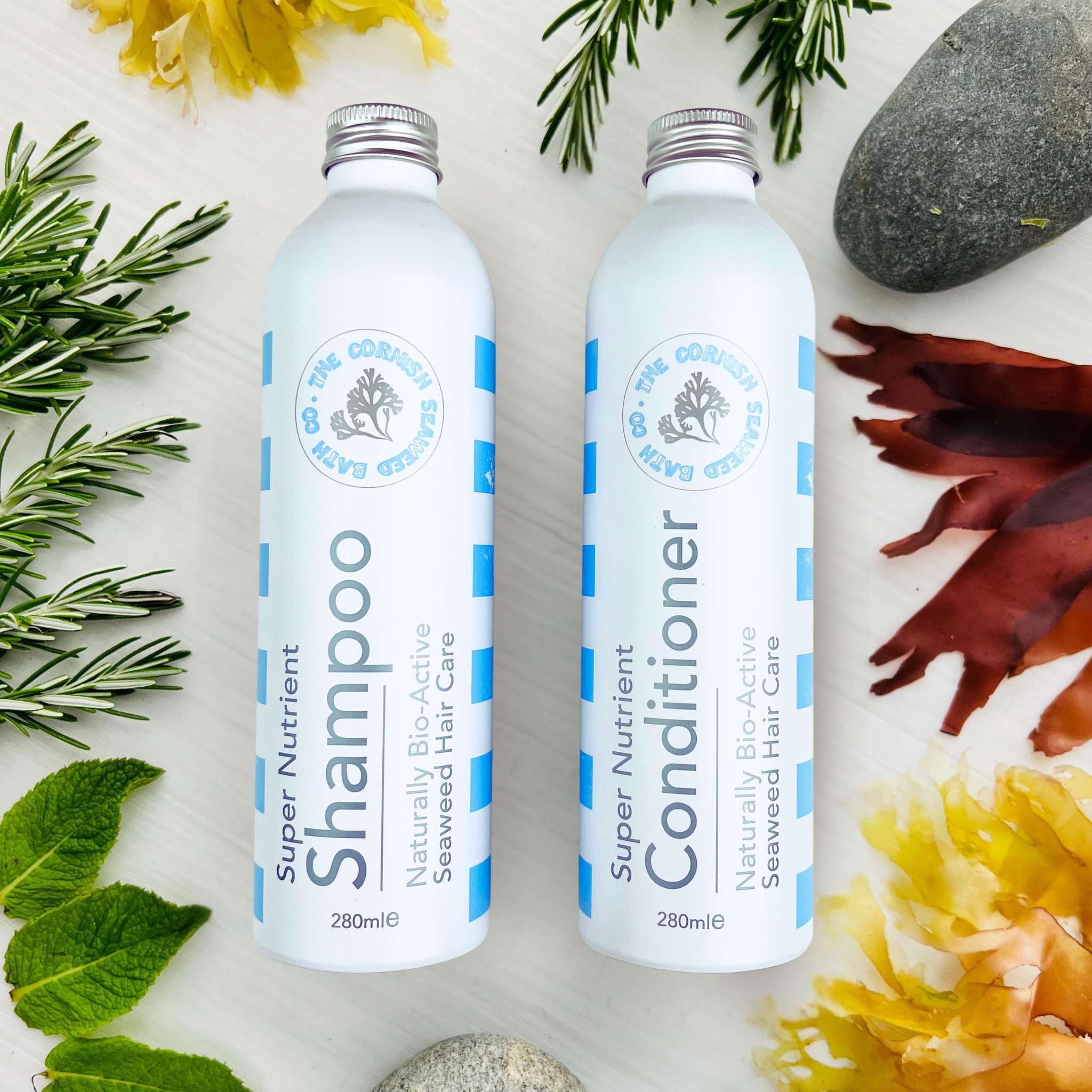
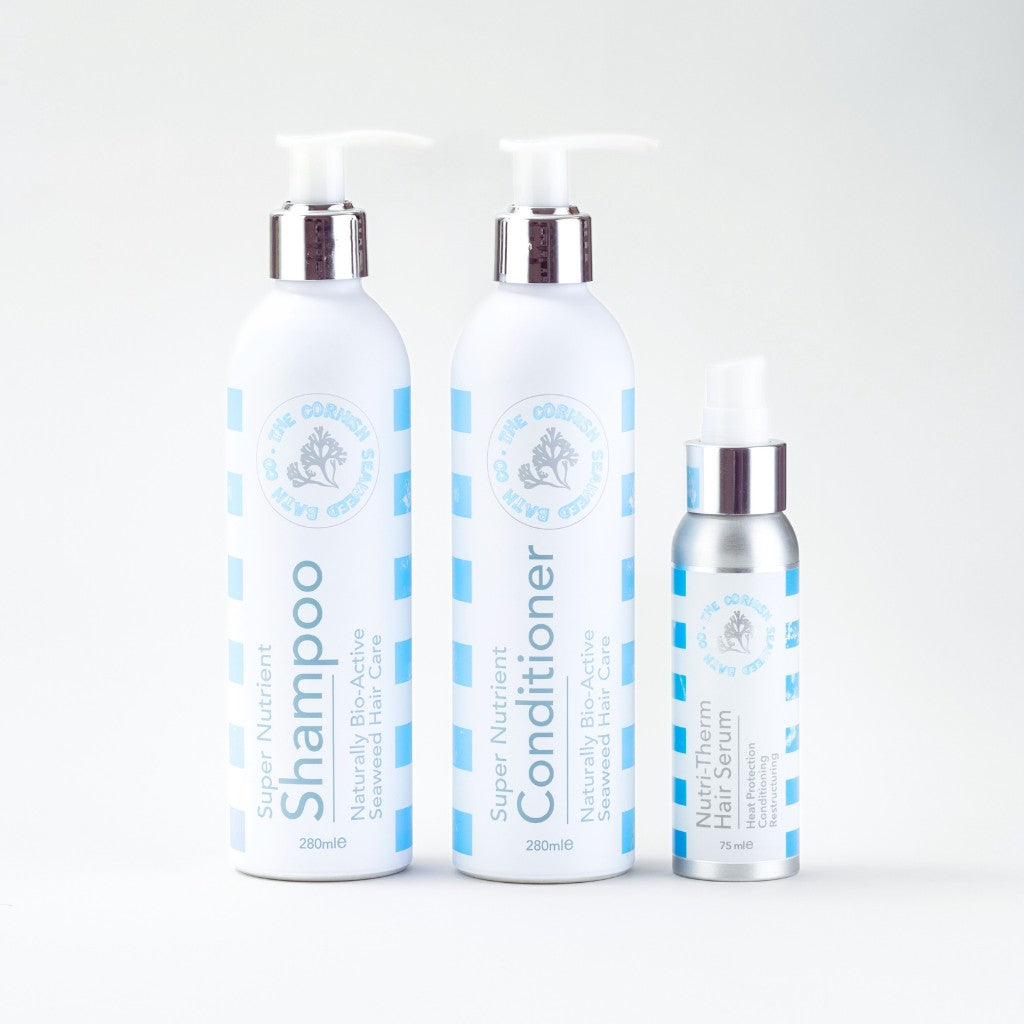
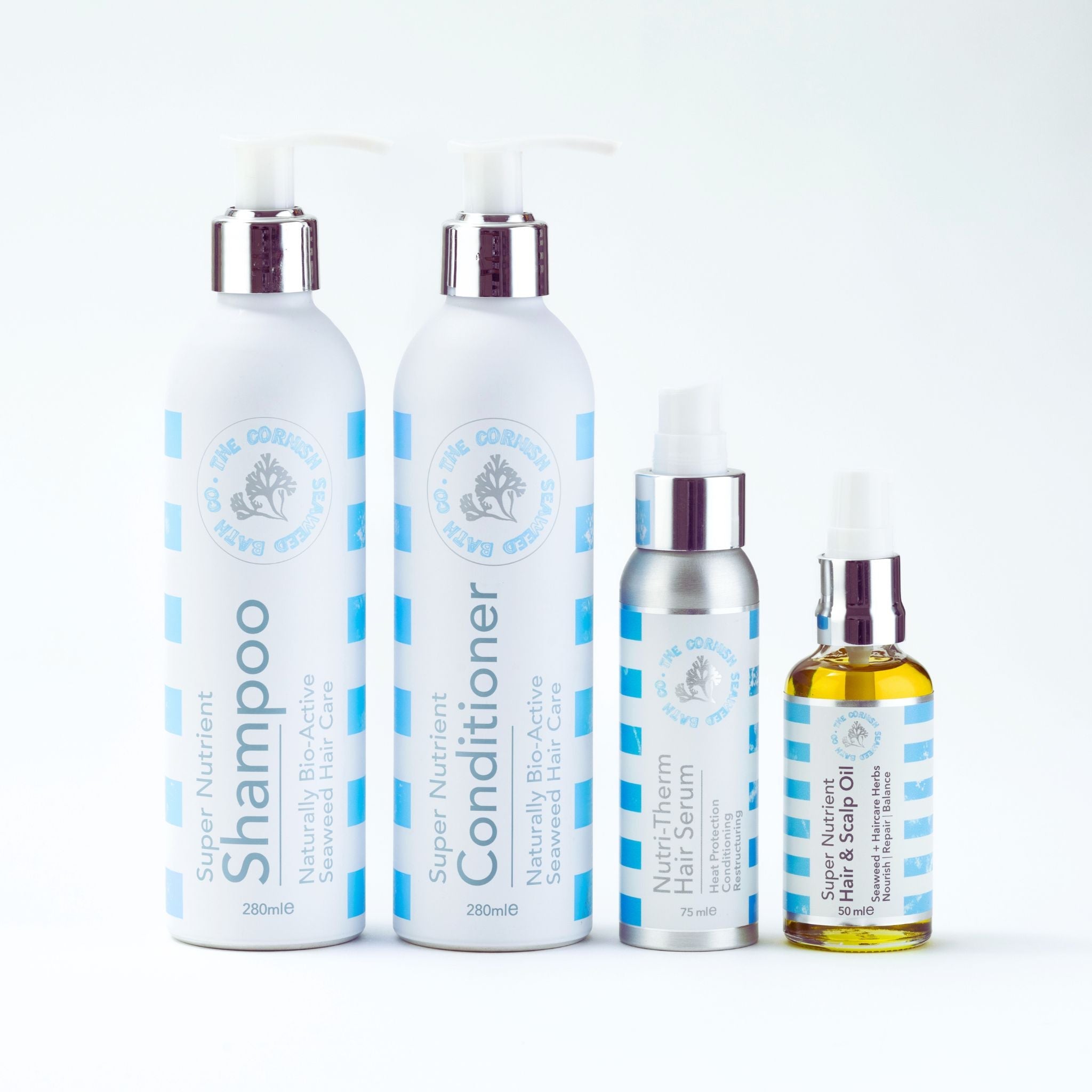
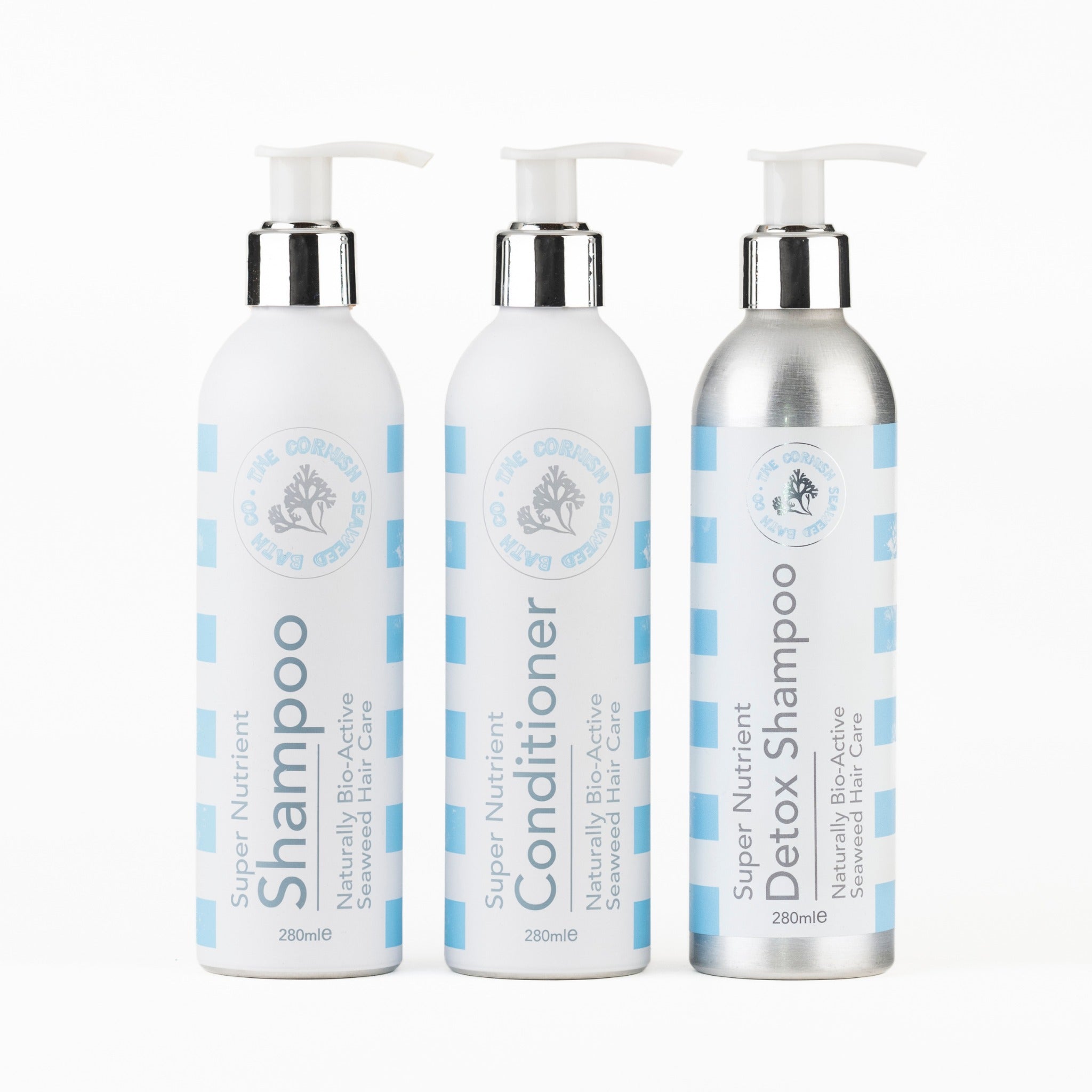
A blonde shampoo is a colour-enhancing formula designed specifically for light hair, typically containing purple or blue pigments that deposit onto the hair cuticle during washing. Unlike everyday cleansing shampoos, such as our sulphate-free Super Nutrient Shampoo with seaweed, frankincense and nourishing plant oils, blonde shampoos serve a dual purpose: gentle cleansing plus tone adjustment through temporary pigment deposition.
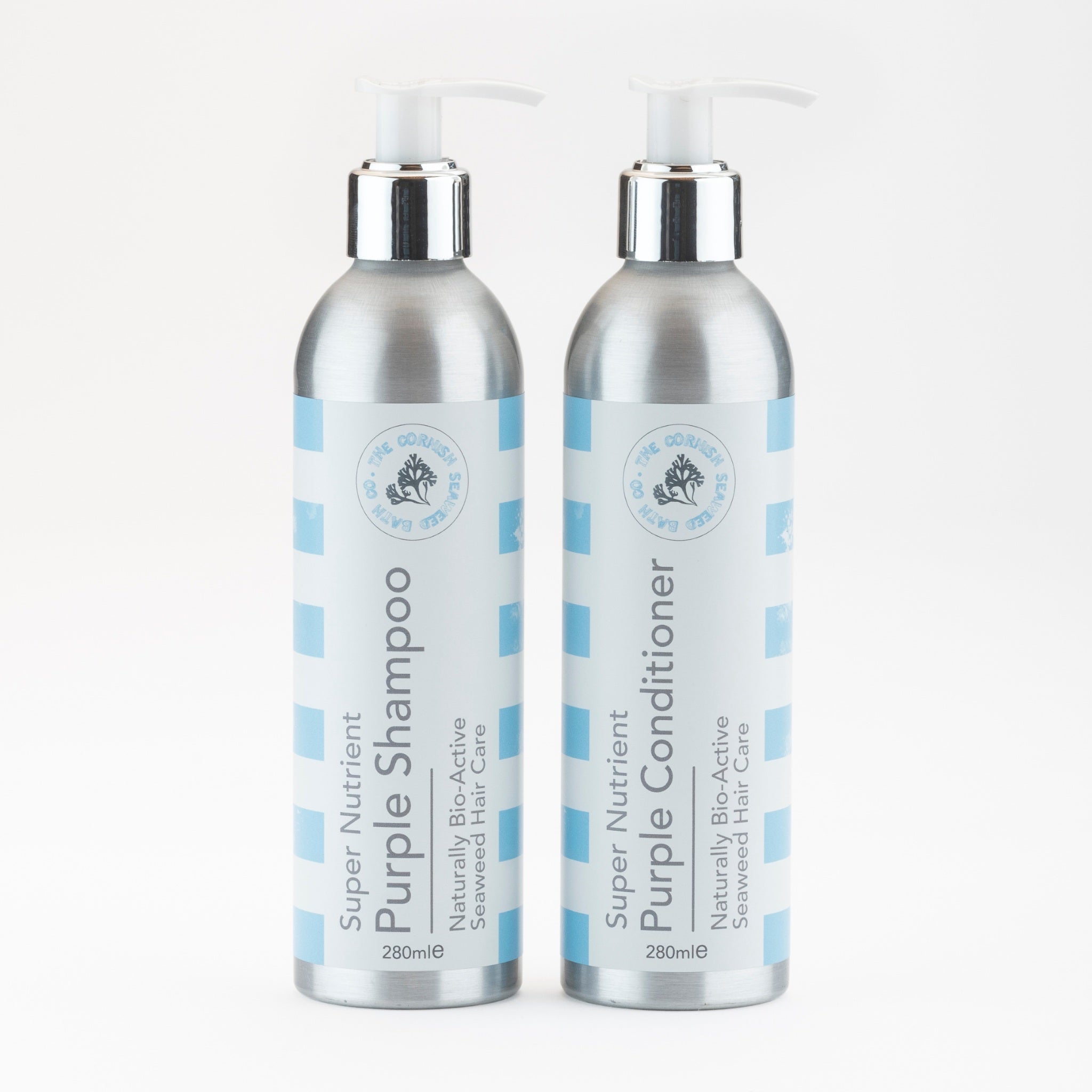
For those seeking a complete routine, the 3 Step Super Nutrient Purple Haircare Set offers a convenient way to maintain cool, vibrant blonde tones at home.
Quick Answer: What does blonde shampoo do?
Blonde shampoo uses violet or blue pigments to visually neutralise yellow or orange tones in light hair. It works by depositing colour-correcting pigments during a 1-5 minute wash, creating cooler, ashier tones without permanent colour change.
Who blonde shampoo is (and isn't) for
Natural blondes from honey to platinum can expect subtle cooling effects, though results vary based on your hair's underlying pigments. Dyed, bleached, balayage and highlighted blondes typically see the most dramatic improvement, as chemically lightened hair develops brassiness more quickly due to increased porosity. Silver, grey and white hair benefits significantly from purple tones, which soften yellowing caused by environmental factors or natural oxidation.
If you want to learn more about the science and process of shampooing, our in-depth guide covers best practices for all hair types.
You probably don't need blonde shampoo if you're a warm, golden blonde who loves that honey-toned warmth, or if your hair is darker than light brown, the pigments won't show effectively on deeper base colours.
The colour theory in simple terms
Purple sits directly opposite yellow on the colour wheel, meaning violet pigments in blonde shampoo visually neutralise yellow tones rather than "removing" them. This optical cancellation effect explains why leaving purple shampoo on longer intensifies the cooling effect. Blue pigments work similarly against orange tones, which is why some formulas target orange brassiness in darker blondes rather than the yellow tones common in platinum hair.
How Blonde Shampoo Works on Your Hair – The "Why" Behind the Results

Pigments and the hair surface
Violet and blue pigments lightly cling to your hair's cuticle layer during the 1-5 minute wash window, with timing directly affecting intensity, 1-3 minutes typically provides subtle softening, while 5 minutes delivers stronger toning. Previously lightened or naturally porous hair grabs pigment more quickly and intensely, which explains why bleached sections may turn noticeably cooler faster than virgin hair.
pH, surfactants and your hair's outer layer
Most quality shampoos maintain a mildly acidic pH that helps keep the cuticle layer smoother, allowing pigments to distribute more evenly. The cleansing agents lift away oils and styling product build-up so toning pigments can sit properly on clean hair, though stronger surfactants can remove natural lipids if overused. Choosing a gentle, sulphate-free everyday shampoo, like our Super Nutrient Detox Shampoo with stronger natural cleansers, supports scalp comfort between blonde shampoo sessions.
Why blonde shampoo can sometimes feel drying
Frequent washing combined with stronger surfactants can roughen the cuticle, particularly on already-lightened hair that's lost some of its natural protective layers. The combination of pigments plus intensive cleansing often creates more tangles and a coarser texture immediately after washing. Pairing blonde shampoo with a nourishing conditioner, such as our Super Nutrient Conditioner with seaweed, argan oil and oat oil, helps restore smoothness and manageability after toning.
Blonde shampoo vs toner vs gloss – different levels of change
At-home blonde shampoo: Gradual, surface-level colour shift that's ideal for maintaining existing tone between salon visits. Best if you want subtle, buildable results with full control over timing.
Salon toner: Professional oxidative or direct dyes applied by a colourist for precise, longer-lasting tone correction. Good for you if you need dramatic brassiness correction or want a completely new undertone. For more on how toners work, see this hair toner overview.
Gloss treatments: Focus primarily on shine enhancement with subtle tone refinement. Perfect if your colour is mostly right but lacks vibrancy and light reflection.
Blonde Shampoo vs Regular Shampoo (and Blue & Silver Variants)
Blonde/purple shampoo vs regular shampoo
Both blonde and regular shampoos cleanse your scalp and hair of oils, dirt and product build-up using similar surfactant systems. The key differences lie in pigment concentration, usage frequency, and the potential for over-toning with blonde formulas. An effective routine often combines a gentle regular shampoo, like our Super Nutrient Shampoo, with a blonde shampoo as needed for tone maintenance. Try combining our Super Nutrient Purple Shampoo alongside our Super Nutrient Conditioner for a nourishing toning experience.
Purple vs Blue vs "Silver" Shampoos
Purple shampoo targets pale yellow or lemony tones, making it ideal for platinum, ash blonde, and highlighted hair that's lost its cool edge. The violet pigments work specifically against yellow undertones that develop from UV exposure, heat styling, or simply time between salon visits.
Blue shampoo addresses more orange or copper brassiness, particularly effective for darker blondes and light browns where warmth runs deeper than surface yellowing. If your hair pulls more peachy or golden-orange rather than yellow, blue pigments provide better neutralisation.
Silver shampoos are typically purple-based formulas marketed specifically for grey, white, or silver hair experiencing yellowing. Many overlap significantly with standard purple shampoos, the distinction often lies in marketing rather than formulation. The key is matching the pigment to your specific unwanted tone rather than focusing on product names.
| Hair Colour/Tone | Common Unwanted Tone | Best Shampoo Pigment | Expected Result |
|---|---|---|---|
| Platinum/Icy Blonde | Yellow, brassy | Purple | Cooler, ashier tone |
| Ash Blonde | Golden warmth | Purple | Maintained cool undertones |
| Golden Blonde (wanting to cool) | Excessive yellow | Purple (light use) | Subtle cooling, less brass |
| Highlighted/Balayage | Orange-yellow mix | Purple or blue | Even, cooler highlights |
| Dark Blonde/Light Brown | Orange, copper tones | Blue | Reduced warmth, cleaner base |
| Grey/Silver/White | Yellow cast | Purple | Brighter, cleaner silver |
How to Use Blonde Shampoo Step-by-Step (Without Drying Your Hair Out)

Preparing Your Hair for Even Toning
Fully saturate hair with lukewarm water for at least 30-60 seconds before applying any blonde shampoo. This initial saturation helps pigments distribute evenly rather than concentrating in the first areas they touch. Gently detangle with fingers or a wide-tooth comb if your hair tends to knot easily, working through tangles after applying pigmented products can cause uneven colour distribution.
When dealing with heavy styling product build-up or hard water deposits, consider using a clarifying step no more than once every few weeks. Our Super Nutrient Detox Shampoo, with its stronger natural sulphate-free cleansers, can help lift residue that might prevent blonde shampoo pigments from working effectively. For more tips, see our guide to gentle clarifying shampoo in the UK.
Application: Amounts, Timing and Placement
Start with smaller amounts than you might expect: roughly a 10p-sized amount for short hair, 20p-sized for shoulder length, and 50p-sized for very long or thick hair. Emulsify the product in your hands with a little water before applying, this prevents concentrated pigment from hitting dry sections first.
Apply initially to the brassiest areas, typically mid-lengths and ends, before working towards the roots. Gently massage the scalp with fingertips rather than nails to avoid irritation. Begin with 1-2 minutes processing time for new users, gradually increasing to 3-5 minutes only if your hair responds well and product directions allow.
Rinsing and Rebalancing Moisture
Rinse thoroughly until water runs completely clear and there's no slip remaining at the roots, residual pigment can continue depositing and lead to over-toning. Follow immediately with a hydrating conditioner like our Super Nutrient Purple Conditioner, enriched with seaweed, argan oil, and oat oil to restore softness after the toning process.
Focus conditioner from mid-lengths to ends, leaving it on for 2-3 minutes before rinsing. For very dry or heavily processed hair, consider weekly pre-wash treatments with our Super Nutrient Hair & Scalp Oil, massaging 4-6 drops into lengths and scalp at least 30 minutes before shampooing or leave it on overnight for deeper nourishment.
How Often to Use Blonde Shampoo – A Flexible Approach
Usage frequency depends entirely on individual factors: natural oiliness, how quickly brassiness appears, heat styling habits, swimming exposure, and overall hair health. Rather than following rigid schedules, develop a "tone check" habit using natural light to assess when cooling is needed.
Icy or platinum hair prone to yellowing might benefit from weekly blonde shampoo use, balanced with gentle cleansing using our Super Nutrient Shampoo on other wash days. Natural blondes or those with subtle highlights often find every second or third week sufficient for maintenance, adjusting based on mirror results rather than calendar dates. For more on how to keep hair healthy, see our article on the best shampoos for healthy hair.
Quick Checklist: "Did I Overdo It?"
- Signs of over-toning: Ends looking greyed-out, purple staining on porous pieces, hair feeling rough or tangled
- Immediate action: Pause blonde shampoo for 1-2 wash cycles
- Recovery steps: Switch to gentle cleansing with our Super Nutrient Shampoo, follow with Super Nutrient Conditioner
- Extra care: Add our Super Nutrient Hair & Scalp Oil before washing to restore softness
Building a Gentle Blonde Hair Ritual with Seaweed Haircare
Keeping the Scalp Calm as You Tone
A well-balanced scalp helps colour appear fresher by reducing flaking and maximising light reflection. Our Super Nutrient Haircare Sets and Super Nutrient Detox Shampoo both feature seaweed (Fucus serratus), frankincense, tuber fleeceflower, and angelica sinensis to support scalp comfort whilst maintaining strong-feeling strands.
The key difference lies in cleansing strength: our Super Nutrient Detox Shampoo uses stronger, natural, sulphate-free cleansers compared to our Super Nutrient Shampoo, making it ideal for deeper cleansing when styling products or hard water create build-up. Use the Detox variant for those thorough clean days, and Super Nutrient Shampoo for regular gentle washing between blonde shampoo applications.
Supporting Softness and Manageability After Blonde Shampoos
Our Super Nutrient Conditioner, enriched with seaweed, argan oil, and oat oil, helps hair feel smoother and easier to comb after toning sessions. Apply approximately a 10p-20p sized amount to freshly washed hair, working from mid-lengths to ends, and leave on for 2-3 minutes before rinsing.
For very dry or highlighted hair, incorporate weekly treatments with our Super Nutrient Hair & Scalp Oil before washing. Massage 4-6 drops into lengths and scalp, leaving for at least 30 minutes to provide deeper nourishment that complements your blonde shampoo routine.
When Your Hair Needs a Reset – Clarifying and Caring
Stronger natural cleansers, like those in our Super Nutrient Detox Shampoo, effectively lift away pigment build-up from blonde shampoos, silicone residue, and environmental deposits. Consider using the Detox formula once every week or two if you regularly use heavier styling products alongside your blonde shampoo routine.
Always follow deeper cleansing with our Super Nutrient Conditioner to maintain balanced, comfortable hair. This combination ensures your hair stays receptive to blonde shampoo benefits whilst avoiding the dryness that can accompany frequent toning. For more on transitioning to natural haircare, see our guide on transitioning to a natural shampoo and the detox process.
Troubleshooting Common Blonde Shampoo Problems – With Calm, Practical Fixes
"My Blonde Looks Brassy Again After a Few Washes"
Rapid brassiness return typically stems from heat styling, UV exposure, hard water, or extended time since your last salon visit. Reintroduce blonde shampoo once that yellow tinge appears, often weekly for most people, rather than waiting for significant colour shift.
Pair this with deeper cleansing using our Super Nutrient Detox Shampoo if you regularly use styling products or swim. Practical protection includes heat protectant products before styling and wearing hats during intense sun exposure to slow the warming process. For more on how purple shampoo works, see this Healthline explainer.
"My Hair Turned Too Ashy or Slightly Purple"
Over-toning occurs when blonde shampoo stays on too long or is used too frequently on porous hair. Follow this three-step correction: pause blonde shampoo for at least 1-2 wash cycles, cleanse with our Super Nutrient Shampoo (lathering twice and rinsing thoroughly), then follow with our Super Nutrient Conditioner.
For stubborn over-toning, apply our Super Nutrient Hair & Scalp Oil as a pre-wash treatment on the most affected sections, leaving for at least 30 minutes before shampooing to help soften the unwanted tone.
"My Hair Feels Dry, Rough or Tangled After Using Blonde Shampoo"
Lightened hair combined with stronger cleansers can create cuticle roughness and tangling. Reduce your blonde shampoo frequency and extend gaps between toning washes. Always condition after blonde shampoo use, allowing our Super Nutrient Conditioner the full suggested processing time.
Introduce weekly oil rituals with our Super Nutrient Hair & Scalp Oil, focusing on mid-lengths and ends. Leave the oil treatment on for at least 30 minutes before shampooing to restore suppleness and manageability.
"Blonde Shampoo Stained My Hands or Shower"
Prevention works better than removal. Wet hands fully before application and emulsify the product with water to dilute pigment concentration. Rinse tiles or shower surfaces immediately after use while pigments remain water-soluble to minimise staining.
Frequently Asked Questions
What is the difference between blonde shampoo and regular shampoo?
Blonde shampoo is specially formulated to gently cleanse while depositing purple or blue pigments that help adjust hair tone. Regular shampoo, such as our sulphate-free Super Nutrient Shampoo, focuses on cleansing and nourishing without colour-enhancing pigments.
How do purple and blue pigments in blonde shampoo work to neutralize brassy tones?
Purple and blue pigments temporarily deposit on the hair cuticle to counteract yellow and orange hues by colour theory, creating cooler, ashier tones. This tone adjustment happens during a brief wash without altering the hair’s natural colour permanently.
Who should use blonde shampoo and who might not benefit from it?
Blonde shampoo suits natural blondes from honey to platinum, as well as chemically lightened hair prone to brassiness, and silver or grey hair needing tone softening. Those with warm, golden blondes who prefer their natural warmth or darker hair shades may not see noticeable effects from blonde shampoo.
How long should I leave blonde shampoo on my hair to achieve the best toning results without drying it out?
Leaving blonde shampoo on your hair for between one to five minutes allows the pigments to deposit effectively while minimising dryness. Adjusting within this range helps you find a balance that suits your hair’s condition and desired tone.
A picture tells a thousand words: out of necessity, some images in this blog post have been created using artificial intelligence models. This is to help us bring to life & more comprehensively express the written content within this post. We only using artificially generated images when we don’t have a suitable image available to us.