 Spring Sale!




Key Takeaways
- Rosehip facial oil is derived from the fruit of wild rose species such as Rosa canina.
- The oil contains essential fatty acids and antioxidants that support skin barrier function.
- It promotes a more even-looking complexion.
- Rosehip facial oil absorbs quickly and is lighter than many other plant oils.
- It is especially beneficial for dry, combination, and early-ageing skin types.
Table of Contents
- Why Rosehip Facial Oil Keeps Earning Its Place in Thoughtful Skincare
- Understanding Rosehip Facial Oil: From Wild Rose to Skincare Essential
- The Science Behind Rosehip Oil's Skin Benefits
- Targeted Benefits: How Rosehip Facial Oil Addresses Common Skin Concerns
- Is Rosehip Facial Oil Suitable for Sensitive, Redness-Prone or Reactive Skin?
- Quality Matters: How to Choose a Good Rosehip Facial Oil
- How to Use Rosehip Facial Oil in a Calm, Effective Routine
- Rosehip Facial Oil vs. Other Much-Loved Face Oils
Why Rosehip Facial Oil Keeps Earning Its Place in Thoughtful Skincare
Rosehip facial oil has quietly established itself as a staple among those who favour nature-led skincare routines. Extracted from the fruit of wild rose species like Rosa canina, this golden-hued oil delivers essential fatty acids and antioxidants that support skin barrier function and promote a more even-looking complexion. Unlike heavier plant oils, rosehip facial oil absorbs readily whilst providing the nourishing qualities that dry, combination, and early-ageing skin often craves. Dry, combination, and early-ageing skin types can especially benefit from its lightweight nourishment.
At The Cornish Seaweed Bath Company, we understand the appeal of single-ingredient oils like rosehip, which is why we've carefully crafted facial oil blends that capture similar benefits whilst adding the mineral-rich properties of Cornish seaweed. Our Sky Organic Facial Oil, Sand Organic Facial Oil, and Sea Organic Facial Oil each combine complementary plant oils with seaweed extracts to create formulations that support skin comfort and radiance through Cornwall's time-tested marine botanicals.
If you're interested in learning more about how to incorporate facial oils into your routine, you may find our facial care guide helpful for building a thoughtful skincare regimen.
The Science Behind Rosehip Oil's Skin Benefits
Rosehip oil's effectiveness stems from its rich concentration of essential fatty acids, particularly omega-3 and omega-6 lipids that help maintain skin barrier integrity. These compounds work alongside naturally occurring pro-vitamin A and antioxidant constituents like carotenoids to support skin comfort and appearance. The oil typically contains 30-40% linoleic acid and 15-20% alpha-linolenic acid, creating a profile that many skin types find supportive rather than overwhelming.
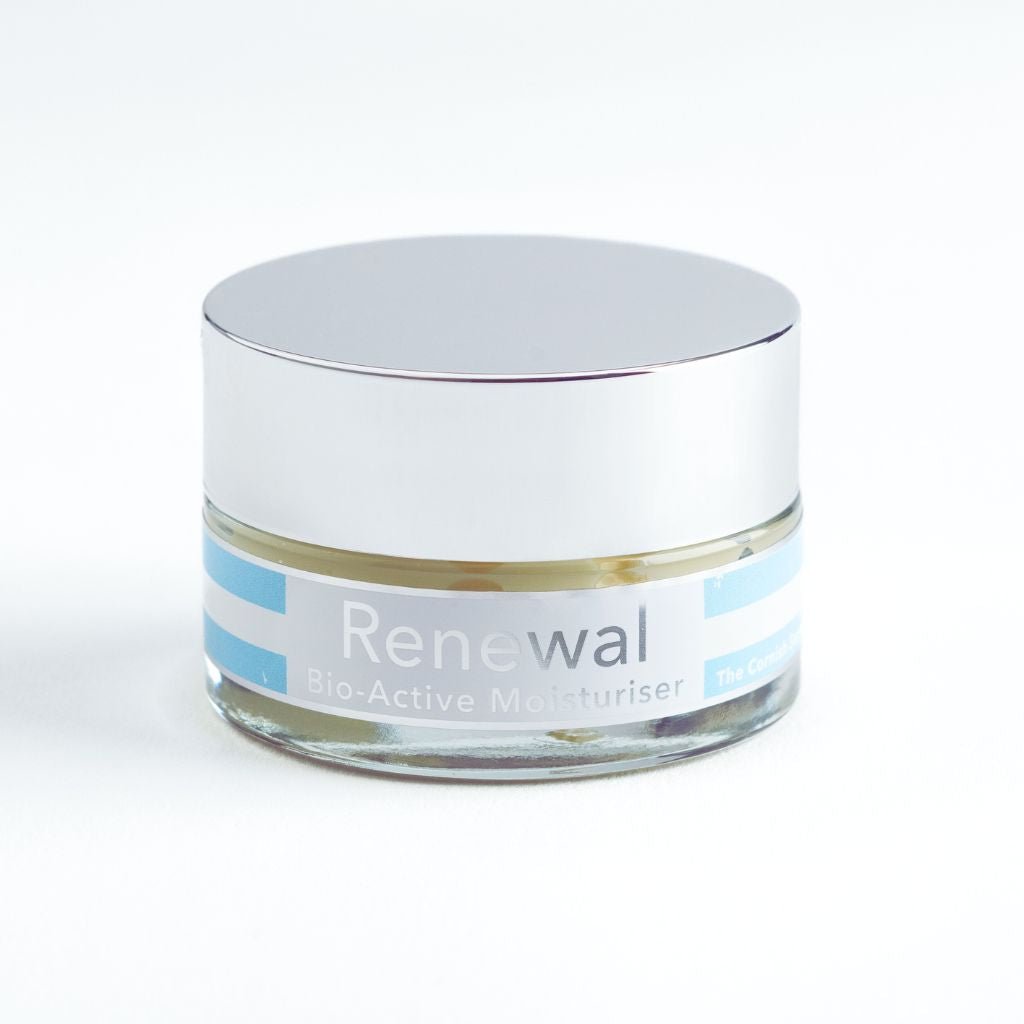
The vitamin content deserves particular attention. Rosehip oil naturally contains compounds that support cellular renewal processes, helping skin appear smoother and more even-toned over time. However, these benefits develop gradually, typically requiring 6-12 weeks of consistent use to become noticeable. This aligns with our experience formulating products like our Renewal Bio-Active Moisturiser, which combines similar skin-supportive principles through frankincense resin, sea buckthorn oil, and pomegranate extract.
| Oil Type | Primary Fatty Acids | Texture | Absorption Feel | Best Suited For |
|---|---|---|---|---|
| Rosehip Oil | Linoleic acid (30-40%), Alpha-linolenic acid (15-20%) | Light to medium | Absorbs readily, minimal residue | Uneven tone, dry patches, early fine lines |
| Jojoba Oil (as in our Sand & Sea Facial Oils) | Eicosenoic acid (65-80%), Erucic acid (10-15%) | Light | Quick absorption, balancing feel | Combination skin, daily use, sensitive types |
| Sea Buckthorn Oil (as in our Sand Facial Oil) | Palmitoleic acid (20-30%), Oleic acid (15-25%) | Medium to rich | Nourishing, takes longer to absorb | Weather-exposed, very dry, dull-looking skin |
| Tamanu Oil (as in our Sea Facial Oil) | Oleic acid (30-40%), Linoleic acid (25-35%) | Medium | Slightly tacky initially, then smooth | Blemish-prone areas, uneven texture |
Understanding these nutrient profiles helps explain why our Sky Organic Facial Oil combines seaweed with organic camellia oil and sunflower oil, creating a gentler alternative to pure rosehip that still delivers essential fatty acids. Similarly, our Organic Super-Nutrient Facial Oil blends jojoba, tamanu, sea buckthorn, and virgin coconut oil to provide the comprehensive nourishment that single oils like rosehip facial oil offer, enhanced with Cornwall's mineral-rich seaweed extracts.
The research supporting these nutrient benefits comes from studies examining how topical essential fatty acids influence skin barrier function and appearance. However, individual results vary significantly based on skin type, application method, and consistency of use, which is why we've developed our range of facial oils to suit different preferences and skin needs whilst maintaining the same evidence-based approach to formulation. For more on the science, see this peer-reviewed study on rosehip oil's skin benefits.
Targeted Benefits: How Rosehip Facial Oil Addresses Common Skin Concerns
Dry and Dehydrated Skin Support
Rosehip oil's high concentration of linoleic acid makes it particularly effective for skin that feels tight, flaky, or uncomfortable after cleansing. The oil's lightweight molecular structure allows it to penetrate readily whilst delivering the essential lipids that compromised skin barriers often lack. For optimal results, apply 2-3 drops to slightly damp skin within three minutes of cleansing, this technique helps lock in moisture whilst the oil provides additional barrier support.
The application method matters significantly. Rather than rubbing vigorously, press the oil gently into skin using upward motions, allowing the warmth of your hands to help absorption. This approach works particularly well after using our Renewal Facial Cleanser, which removes impurities without stripping natural oils, creating an ideal foundation for rosehip oil application.
Supporting Combination and Oily Skin Types
Contrary to common assumptions, lightweight oils like rosehip can support combination and oily skin when used thoughtfully. The key lies in rosehip oil's non-heavy feel and its ability to provide balanced nourishment without overwhelming sebaceous activity. However, this doesn't mean rosehip oil is universally non-comedogenic, individual skin chemistry varies significantly, making patch testing essential for blemish-prone types.
Start with just 1-2 drops applied to clean skin in the evening only, monitoring your skin's response over 2-4 weeks. Focus application on areas that feel dry or rough whilst avoiding zones prone to congestion. If your skin responds well, you might consider our facial oil set formulated for balance.
Addressing Fine Lines and Texture Concerns
The antioxidant compounds in rosehip oil, particularly carotenoids and vitamin E, support skin's natural repair processes over time. Consistent twice-daily use for 8-12 weeks may help skin appear smoother and more supple, particularly in areas showing early expression lines. However, realistic expectations matter, rosehip oil supports gradual improvements rather than dramatic overnight changes.
Focus application around the outer eye area (avoiding too close to the lash line) and between the brows, where expression lines typically first appear. This targeted approach mirrors the philosophy behind our Organic Super-Nutrient Facial Oil, which combines multiple supportive oils with seaweed extracts to promote a plump, comfortable appearance through comprehensive nourishment rather than single-ingredient solutions.
Evening Skin Tone and Reducing Post-Blemish Marks
Rosehip oil's reputation for supporting more even-looking skin comes from its antioxidant content and essential fatty acids, which may help promote healthy cellular turnover over time. The oil's vitamin A precursors and carotenoids work gently to encourage a more radiant appearance, though realistic expectations matter, gradual improvements typically emerge after 8-12 weeks of consistent evening use.
For addressing post-blemish marks specifically, apply 1-2 drops to clean skin each night, focusing on areas where discolouration appears most noticeable. The key lies in patience and consistency rather than expecting dramatic overnight changes.
Is Rosehip Facial Oil Suitable for Sensitive, Redness-Prone or Reactive Skin?

Sensitive skin presents a nuanced relationship with rosehip facial oil, whilst many find it supportive for barrier repair, others may experience irritation depending on individual tolerance and product purity.
The oil's naturally occurring retinoids, though gentler than synthetic alternatives, can still trigger sensitivity in reactive skin types. Factors influencing tolerance include current barrier status, any added essential oils in the formulation, and whether the skin is already compromised by over-cleansing or environmental stress.
A methodical patch test proves essential before full facial application. Apply one drop behind the ear or along the jawline once daily for three consecutive days. Watch carefully for itching, persistent warmth, or redness that doesn't subside within 30 minutes. If any discomfort occurs, pause use immediately.
For those with particularly reactive skin, consider starting with carefully composed blends rather than pure rosehip oil. Our Sky Organic Facial Oil combines seaweed with organic camellia oil and blue tansy, creating a gentler introduction to nutrient-rich facial oils. The seaweed provides minerals whilst camellia oil offers a silky, less potentially irritating base.
When sensitivity concerns arise, our Revitalise Eye Gel offers targeted support for the delicate eye area without the intensity of pure plant oils, featuring seaweed alongside soothing buddleia flower and aloe vera.
Quality Matters: How to Choose a Good Rosehip Facial Oil
The extraction method fundamentally shapes rosehip oil's therapeutic potential and shelf stability. Cold-pressed extraction preserves the most nutrients whilst maintaining the oil's characteristic golden-orange hue and light, nutty aroma. Refined versions appear paler and lose much of their antioxidant content, whilst CO₂ extraction offers excellent nutrient retention but typically commands higher prices.
Fresh, high-quality rosehip oil displays a vibrant amber colour with subtle herbal notes. Avoid oils with strong, rancid odours or murky brown discolouration, clear signs of oxidation that render the oil potentially irritating rather than beneficial.
Organic certification indicates the roses were grown without synthetic pesticides, though this doesn't guarantee superior efficacy. More crucial is sourcing from reputable suppliers who prioritise proper storage and quick turnover to maintain freshness. For more tips on choosing and using moisturisers and oils, see our moisturiser guide.
Quality Checklist: 5 Quick Label Checks
- Cold-pressed or CO₂ extraction method listed
- Clear harvest or production date
- Minimal ingredient list (pure oil or simple blend)
- Storage instructions included
Store away from direct sunlight and heat sources; a cool cupboard maintains optimal stability far better than bathroom storage where temperature fluctuates. For further reading on rosehip oil's clinical uses, see this external medical resource.
How to Use Rosehip Facial Oil in a Calm, Effective Routine
When to Use: Morning, Evening – or Both?
Evening application suits most skin types best, allowing time for the oil to absorb without interference from daily environmental stressors or makeup application. The skin's natural repair processes peak during sleep, making nighttime ideal for nutrient-dense oils to work effectively.
A simple evening ritual begins with gentle cleansing, our Renewal Facial Cleanser removes the day's accumulation without stripping natural oils. Follow with rosehip oil applied to clean, slightly damp skin for enhanced absorption and comfort.
How Much to Apply & Application Technique
Start conservatively with 2-3 drops for the entire face, adding 1-2 extra drops for neck and décolletage if desired. Warm the oil between your palms for 3-5 seconds, this simple step improves spreadability and creates a more luxurious application experience.
Press gently over cheeks, forehead, and chin, then smooth outwards using upward motions. Spend 30-60 seconds on slow, deliberate movements to encourage relaxation whilst ensuring even distribution. This mindful approach transforms a simple skincare step into a calming ritual.
Using Facial Oils Within a Minimal Ritual
A three-step approach suits most lifestyles: gentle cleansing with our Renewal Facial Cleanser, followed by either rosehip oil or our Renewal Bio-Active Moisturiser for those preferring cream textures, finished with daily sun protection each morning.
Rosehip Facial Oil vs. Other Much-Loved Face Oils

Choosing between rosehip facial oil and other plant-based facial oils depends on your skin's needs and your personal preferences for texture and finish. Rosehip oil is prized for its lightweight feel and high linoleic acid content, making it suitable for those seeking support for uneven tone, dry patches, or early fine lines. In contrast, jojoba oil, featured in our Sky Organic Facial Oil and Sand Organic Facial Oil, offers a silk-like, quick-absorbing texture that balances most skin types, including those prone to oiliness.
Sea buckthorn oil, present in our Sand Organic Facial Oil, provides a richer, more nourishing experience, ideal for weather-exposed or very dry skin. Tamanu oil, found in our Sea Organic Facial Oil, is valued for its medium texture and suitability for blemish-prone or uneven skin.
Our facial oil blends are designed to offer the benefits of these oils in balanced, thoughtfully composed formulations, enhanced by the mineral-rich properties of Cornish seaweed. This approach allows you to experience the unique qualities of each oil while supporting your skin's comfort and resilience.
Frequently Asked Questions
What are the main skin benefits of using rosehip facial oil?
Rosehip facial oil provides essential fatty acids and antioxidants that support the skin’s barrier function and encourage a more even-looking complexion. It is especially nourishing for dry, combination, and early-ageing skin, helping to improve texture and promote a healthy appearance.
How does cold-pressed rosehip oil differ from refined rosehip oil in terms of quality and effectiveness?
Cold-pressed rosehip oil is extracted without heat, preserving more of its natural nutrients, colour, and scent, which contributes to its effectiveness in supporting skin health. Refined rosehip oil undergoes additional processing that can reduce some of these beneficial compounds, resulting in a lighter but less nutrient-rich oil.
Is rosehip facial oil suitable for sensitive or redness-prone skin types?
Rosehip facial oil is generally well-tolerated by sensitive and redness-prone skin due to its gentle, nourishing properties. However, as with any oil, it’s advisable to patch-test first to ensure compatibility with your individual skin.
How should rosehip facial oil be incorporated into a daily skincare routine for best results?
For best results, apply rosehip facial oil after cleansing and toning, gently pressing a few drops into the skin to support hydration and comfort. Its lightweight texture allows it to absorb quickly, making it a suitable addition to morning or evening routines without feeling heavy.
A picture tells a thousand words: out of necessity, some images in this blog post have been created using artificial intelligence models. This is to help us bring to life & more comprehensively express the written content within this post. We only using artificially generated images when we don’t have a suitable image available to us.