 Spring Bank Holiday Sale!

 Bank Holiday Weekend = Free Skincare!





bathing tips for sensitive skin
Gentle Beginnings: Crafting the Perfect Bath for Sensitive Skin
The most effective bathing tips for sensitive skin focus on lukewarm water (37-38°C), limiting soaks to 10-15 minutes, and choosing natural, mineral-rich cleansers that support your skin's protective barrier rather than stripping it away.
Understanding Your Skin's Needs
Sensitive skin often signals a compromised barrier function, where irritants penetrate more easily whilst moisture escapes. Your skin craves gentle care that respects its delicate balance. Rather than harsh detergents that create temporary cleanliness at the expense of long-term comfort, seek formulations that cleanse whilst nourishing.
Finding the Sweet Spot: Water Temperature That Soothes
Hot water may feel comforting initially, but temperatures above 40°C can trigger inflammation and strip natural oils. Lukewarm water between 37-38°C provides the perfect balance for effective cleansing without aggravation. Test with your elbow rather than fingertips for a more reliable check.
If your skin appears red after bathing, you'll know the water was too warm. It's worth gradually reducing the temperature until you find your comfort zone.
Timing Your Soak
Extended soaking can paradoxically dry sensitive skin by drawing moisture from deeper layers. Limit baths to 10-15 minutes, allowing enough time for gentle cleansing and relaxation without compromising your skin's natural hydration.
Stress directly impacts skin sensitivity through cortisol release, which can weaken barrier function. Creating a peaceful bathing environment with soft lighting and steady breathing transforms your routine into a calming practice that addresses both physical and emotional triggers.
Cleansing with Care: Choosing the Right Products
What to Avoid
Sulphates, artificial fragrances, and alcohol-based ingredients can trigger immediate reactions in delicate skin. Common culprits include sodium lauryl sulphate, synthetic colours, and preservatives like parabens. Instead, seek formulations with gentle surfactants derived from coconut or plant sources.
Look for products with fewer than 10 ingredients, recognisable botanical names, and pH levels between 5.0-6.5 to match your skin's natural acidity.
Natural Cleansers That Work
Our Seaweed & Frankincense Body Wash draws on the ocean's mineral wealth to cleanse whilst supporting comfortable, balanced skin. Fucus serratus provides natural humectants that attract moisture to your skin during cleansing, offering a thoughtful alternative to conventional detergents.
Seaweed Bath Soaks
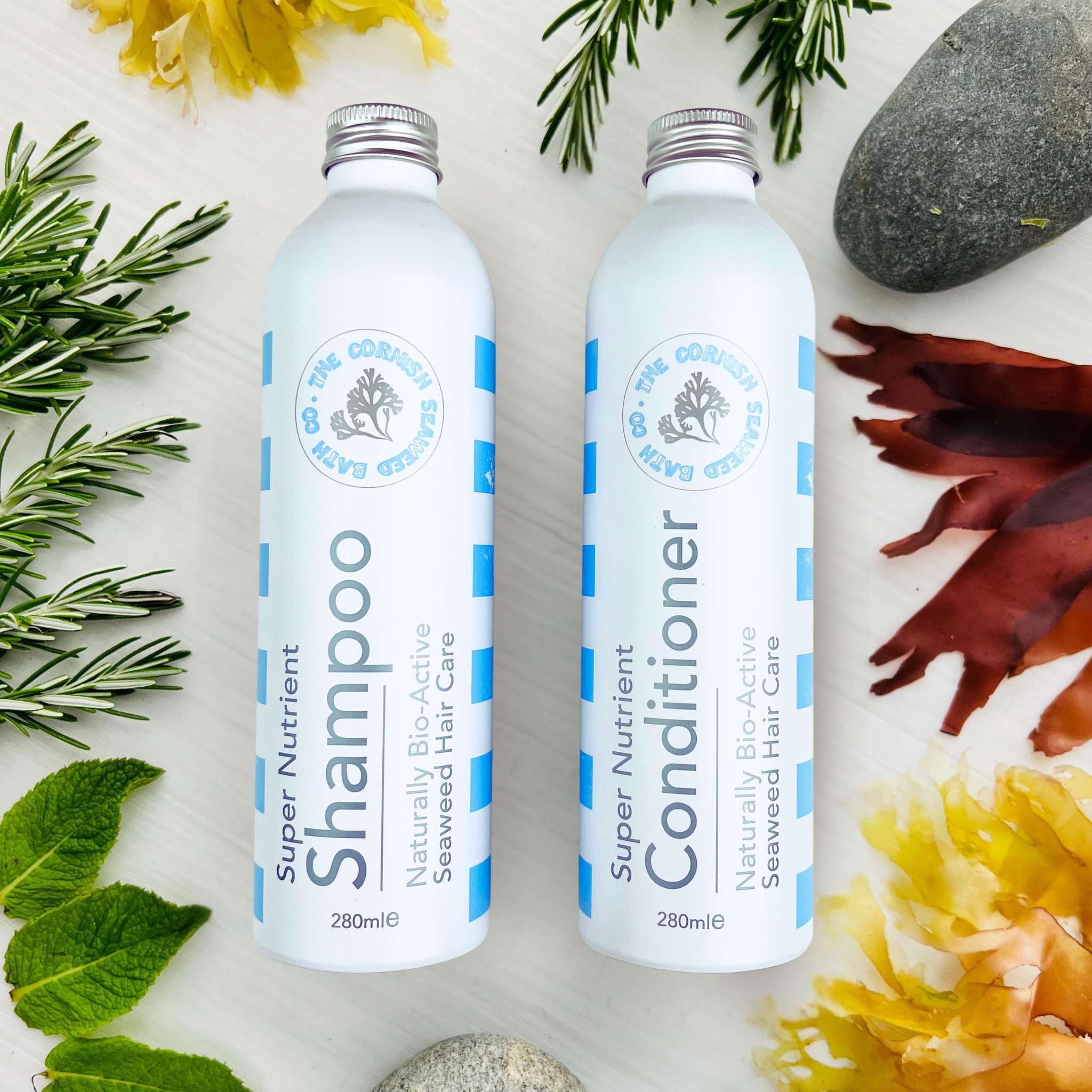
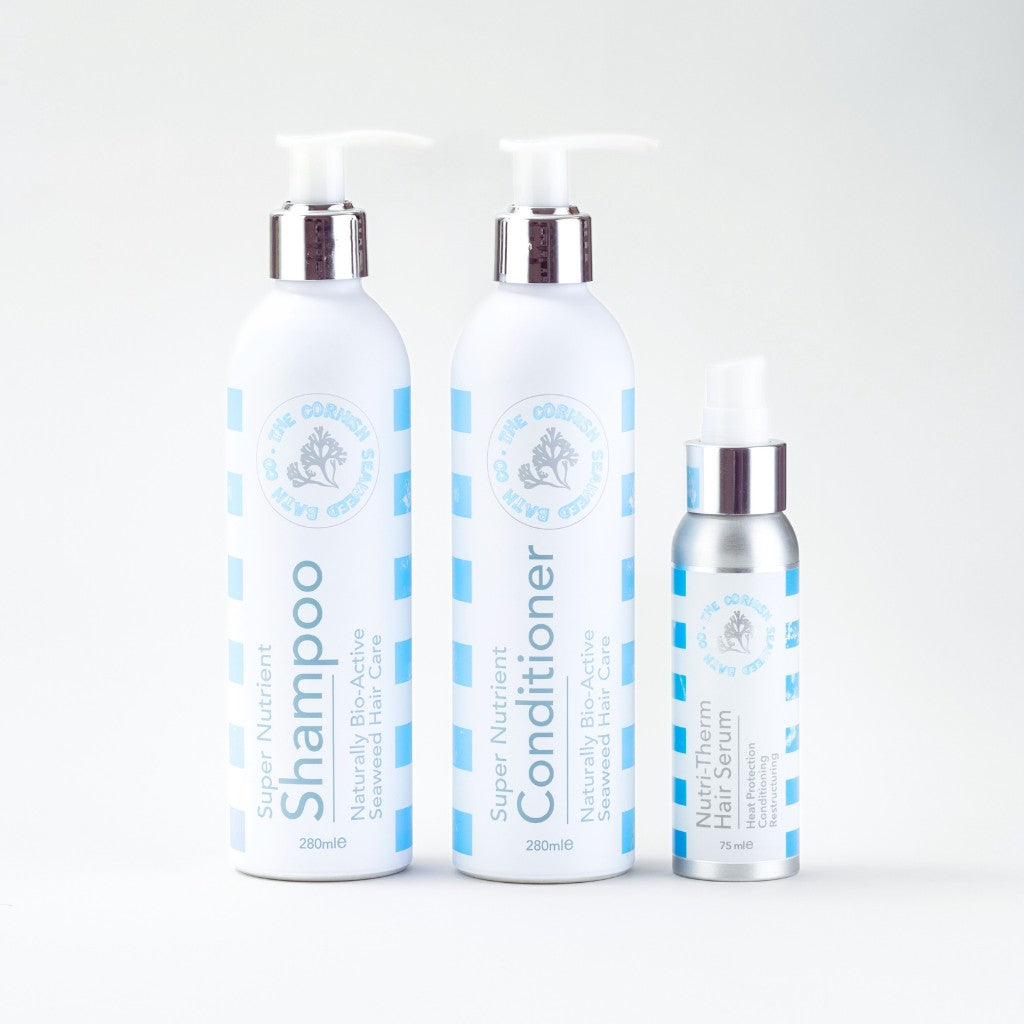
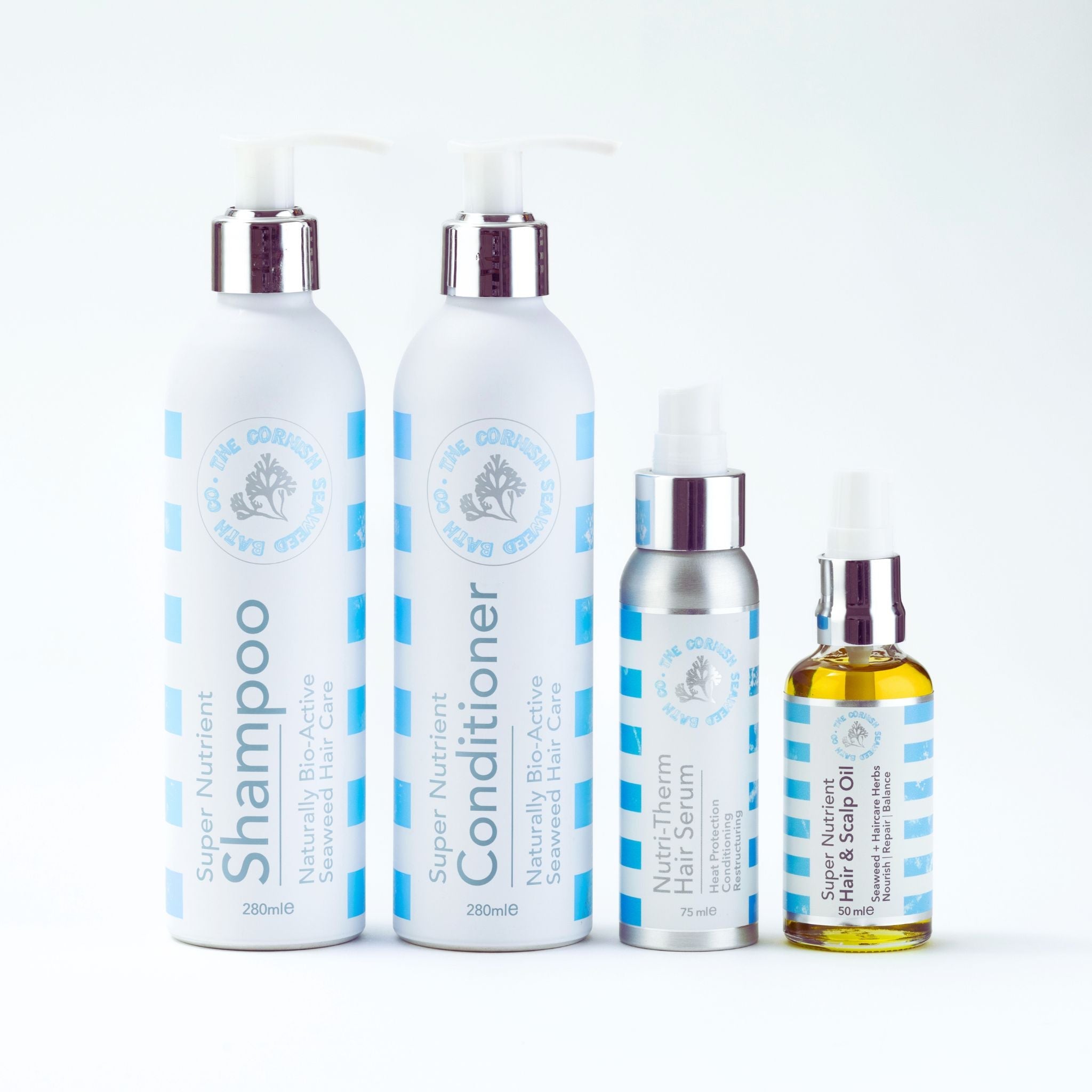
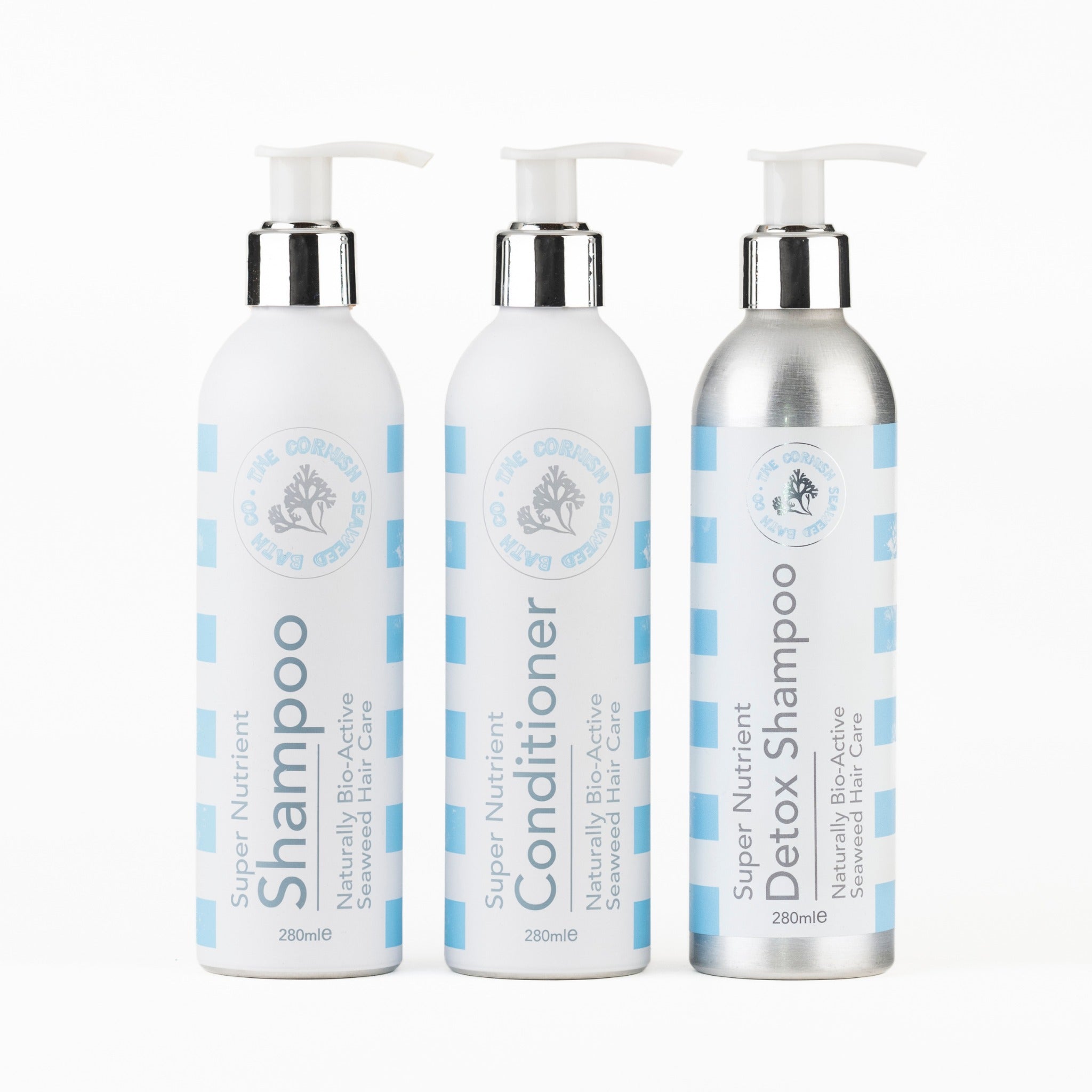
Transform your bath into a restorative ritual with our The Haircare & Body Wash Set. Work the seaweed-infused shampoo and conditioner into wet hair, letting the organic seaweed and herbal extracts do the heavy lifting. The naturally bio-active formula delivers minerals, plant oils, and frankincense directly to your hair and scalp, creating a nutrient-rich routine that may help strengthen, soften, and revive dry, tired strands. Follow with the Seaweed & Frankincense Body Wash to gently cleanse and nourish your skin from head to toe.
Traditional Soaps Done Right
Well-crafted soaps made with nourishing oils and marine extracts can support sensitive skin when formulated with care. Our pure seaweed soaps combine traditional saponification with a modern understanding of skin comfort, creating bars that cleanse without the tightness associated with some commercial alternatives.
Why Seaweed Works for Sensitive Skin
Nature's Gentle Touch
Marine algae contain polysaccharides that can form a light, protective film on the skin surface, helping defend against environmental irritants whilst supporting moisture retention. These natural polymers feel different from synthetic alternatives, offering steady comfort rather than a quick fix.
The Power of Fucus Serratus
Fucus serratus contains alginates that bind water molecules, creating a cushioning effect on skin that feels dry or easily irritated. This Cornish seaweed thrives in nutrient-dense waters, concentrating minerals like zinc and selenium. The amino acids and antioxidants present in wild Cornish seaweed may support the look and feel of stronger, more comfortable skin.
Supporting Your Skin's Natural Defences
The lipid content of marine algae can feel similar to your skin's own oils, which may help support a compromised barrier without leaving skin feeling coated. Some seaweed compounds may also help calm the look of redness associated with reactive skin.
Our Cornish Connection
Cornwall's coastal waters produce seaweed prized for its purity. Cold Atlantic currents deliver consistent mineral content whilst tidal movements support sustainable harvesting. We gather seaweed with care and process it thoughtfully to preserve its naturally soothing qualities.
After Your Bath: Locking in Comfort
Pat, Don't Rub
Vigorous towel drying can undo the benefits of a gentle bathing routine. Pat skin softly with a cotton towel, leaving a little dampness to help hold moisture under the products you apply next.
Body Oils for Lasting Moisture
Apply our Super Nutrient Body Oil whilst skin remains slightly damp to help lock in moisture and support a comfortable, protected feel. This seaweed-infused formulation absorbs readily without leaving heavy residue.
Targeted Treatment
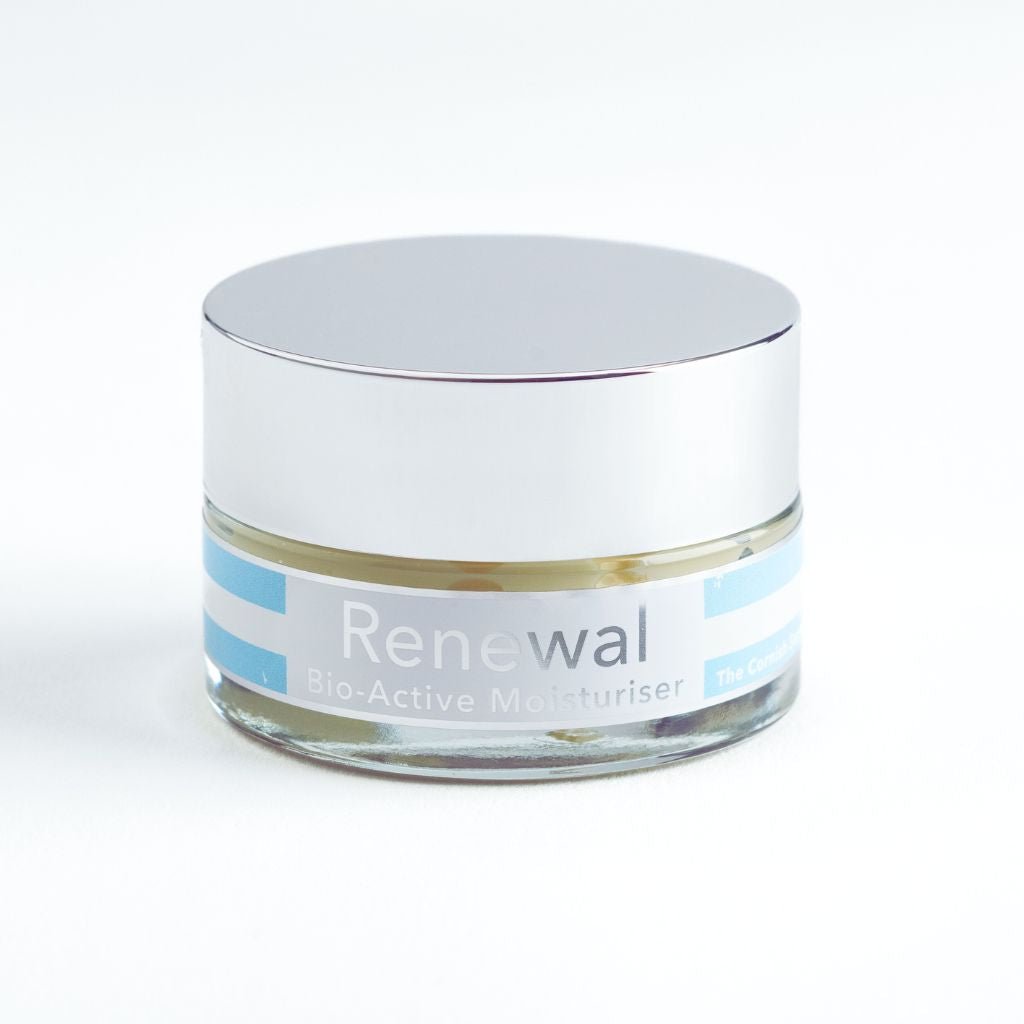
Complete your routine with a moisturiser designed for delicate skin types. For targeted dry or irritated patches, our Fragrance Free Skin Repair Balm provides concentrated care. Warm a small amount between your fingers and apply to dry areas, massaging until absorbed.
Extending the Calm
Your post-bath routine can become a steady act of self-care that supports both comfort and wellbeing. Take a moment for gentle stretching or quiet reflection to help maintain that relaxed state you've created.
Frequently Asked Questions
Which brands are best for sensitive skin?
When choosing products for sensitive skin, it's helpful to look beyond brand names and focus on ingredient lists. Seek out formulations with natural, mineral-rich cleansers that support your skin's protective barrier. Our approach at The Cornish Seaweed Bath Co. centers on gentle, plant-derived ingredients and the soothing power of wild seaweed.
How long should I bathe with sensitive skin?
For sensitive skin, we recommend limiting your bath to 10-15 minutes. This allows enough time for gentle cleansing and relaxation without drawing moisture from deeper skin layers, which can paradoxically dry out delicate skin. Our concentrated formulations, like those in our Mature Skin collection, work effectively within these shorter timeframes.
What are common signs of sensitive skin?
Sensitive skin often indicates a compromised barrier, making it easier for irritants to penetrate and moisture to escape. You might notice your skin feeling tight, itchy, or appearing red after bathing if the water was too warm. Gentle care that respects this delicate balance is key.
What is the ideal water temperature for sensitive skin?
The perfect water temperature for sensitive skin is lukewarm, ideally between 37-38°C. Hotter water, above 40°C, can strip natural oils and trigger inflammation. Always test the water with your elbow, as your fingertips can be less reliable, to ensure a soothing embrace for your skin.
What ingredients should I avoid in bath products for sensitive skin?
For delicate skin, it's wise to avoid harsh chemicals like sulphates, artificial fragrances, and alcohol-based ingredients. Common culprits also include synthetic colours and preservatives such as parabens. Instead, look for gentle surfactants derived from coconut or plant sources that cleanse without disrupting your skin's protective acid mantle.
How does seaweed help sensitive skin?
Wild Cornish seaweed, particularly Fucus serratus, offers a wealth of natural benefits for sensitive skin. It contains polysaccharides that form a light, protective film, helping to defend against irritants and support moisture retention. Its rich blend of minerals, like zinc and selenium, and skin-conditioning compounds can help calm the look of redness and support a stronger, more comfortable skin barrier.