 January Sale!



Key Takeaways
- Sustainable skincare practices involve making thoughtful choices about ingredients, packaging, and daily routines.
- Using products with responsibly sourced ingredients, like hand-harvested seaweed, enhances both skin health and environmental wellbeing.
- Sustainable skincare goes beyond choosing natural products by considering the impact on ecosystems, communities, and future generations.
Table of Contents
- Nurturing Your Skin Whilst Caring for the Planet
- Understanding Sustainable Beauty Choices
- From Ocean to Skin: Responsible Ingredient Journeys
- Ingredients That Nourish Skin and Planet
- Choosing Ingredients That Nurture Skin and Planet
- Creating Your Mindful Skincare Ritual
- Evaluating Sustainable Skincare Brands
- Emerging Trends in Sustainable Beauty
- Embracing Mindful Beauty Rituals
Nurturing Your Skin Whilst Caring for the Planet
The gentle morning ritual of applying a nourishing facial oil becomes more meaningful when you know the seaweed within was hand-harvested from pristine Cornish waters. Sustainable skincare practices encompass thoughtful choices about ingredients, packaging, and daily routines that support both your skin's health and environmental wellbeing. These practices extend beyond simply choosing "natural" products, they involve understanding how your skincare impacts ecosystems, communities, and future generations.
For those with delicate or easily irritated skin, exploring sensitive skin solutions that prioritise gentle, eco-friendly ingredients can be an excellent first step toward adopting sustainable skincare practices.
What is Sustainable Skincare?
Sustainable skincare prioritises ingredients sourced with minimal environmental impact, ethical manufacturing processes, and packaging designed for end-of-life responsibility. It considers the complete lifecycle from harvest to disposal.
Understanding Sustainable Beauty Choices

What Sets Sustainable Skincare Apart
Sustainable skincare focuses on long-term environmental stewardship rather than short-term marketing claims. Unlike "clean" beauty, which often emphasises what's excluded, or "natural" products that may still harm ecosystems through unsustainable harvesting, truly sustainable practices consider ingredient sourcing, manufacturing energy use, and packaging lifecycle. We hand-harvest our Fucus serratus seaweed from Cornish waters using methods that allow natural regeneration, exemplifying this holistic approach.
| Approach | Focus | Environmental Impact | Verification |
|---|---|---|---|
| Natural | Plant-derived ingredients | Variable, depends on sourcing | Ingredient lists |
| Organic | Certified farming practices | Reduced pesticides | Certification bodies |
| Clean | Avoiding certain chemicals | Not necessarily considered | Brand definitions vary |
| Sustainable | Complete lifecycle impact | Minimised throughout process | Transparent sourcing stories |
Essential Principles of Eco-Friendly Skincare
Effective sustainable skincare practices rest on three foundations: ingredient integrity, manufacturing responsibility, and community consideration. Ingredient integrity means selecting botanicals like frankincense and jojoba oil that can be harvested without depleting natural resources. Manufacturing responsibility involves processes that minimise water waste and energy consumption. Community consideration ensures fair compensation for growers and harvesters, creating positive social impact alongside environmental benefits.
To better understand what truly sets natural skincare apart from conventional options, you may find it helpful to read about what does 100% natural skincare mean and how these standards influence ingredient selection and sustainability.
Why Conventional Routines Fall Short
Research indicates that 95% of cosmetic packaging becomes waste within months of purchase. Conventional skincare often relies on synthetic ingredients requiring energy-intensive production, petroleum-derived packaging, and global supply chains that increase carbon footprints. Common environmental pain points include non-biodegradable microplastics in exfoliants, excessive water use in manufacturing, and single-use packaging that cannot be effectively recycled. These cumulative impacts make transitioning to sustainable skincare practices both urgent and beneficial.
From Ocean to Skin: Responsible Ingredient Journeys
Mindful Harvesting and Sourcing
Ethical ingredient sourcing begins with understanding where and how botanicals are obtained. Our seaweed harvesting in Cornwall follows traditional methods that ensure plant regeneration, cutting above the holdfast to allow continued growth. This contrasts with industrial harvesting that can damage marine ecosystems. When selecting sustainable products, look for brands that share specific sourcing stories, including harvest locations, seasonal timing, and regeneration practices. Plant-based ingredients like the jojoba oil in our Sand Organic Facial Oil support desert communities whilst requiring minimal water compared to conventional crops.
Sustainable Production Methods
Environmentally conscious manufacturing extends beyond ingredient selection to energy sources, water systems, and waste management. Solar-powered facilities, closed-loop water systems that recycle process water, and biodegradable production byproducts represent gold standards in sustainable manufacturing. Small-batch production, whilst less economically efficient, often results in lower overall environmental impact through reduced waste and energy consumption per unit.
For more inspiration on how seaweed can benefit your skin, explore five ways to use seaweed to care for your skin health and discover practical tips for integrating marine botanicals into your routine.
Packaging That Considers Tomorrow
Truly sustainable packaging considers both immediate recyclability and long-term environmental impact. Glass containers, whilst heavier to transport, can be recycled indefinitely without quality loss. Our packaging choices prioritise materials that integrate into existing recycling streams rather than requiring specialised facilities. To maximise your packaging's sustainability, rinse containers thoroughly, remove pumps and caps if made from different materials, and check with local recycling programmes for specific requirements.
Recycling Checklist
- Remove all product residue with warm water
- Separate pumps, caps, and labels if different materials
- Check recycling number and local programme acceptance
- Consider reuse for travel containers or home organisation
Ingredients That Nourish Skin and Planet
Biodegradable vs. Compostable
Biodegradable materials break down naturally over time, whilst compostable items decompose into nutrient-rich soil under specific conditions. Not all biodegradable materials are suitable for home composting.
Choosing Ingredients That Nurture Skin and Planet

Natural and Biotech-Derived Actives
Modern sustainable skincare practices increasingly incorporate biotech-derived ingredients alongside traditional botanicals. These lab-grown compounds, such as synthetic versions of rare plant extracts, reduce pressure on wild ecosystems whilst maintaining efficacy. Our Fucus serratus seaweed provides natural minerals and polysaccharides that support skin barrier function and moisture retention. The jojoba oil in our Sand Organic Facial Oil mimics skin's natural sebum structure, offering light, non-comedogenic hydration ideal for sensitive or combination skin types.
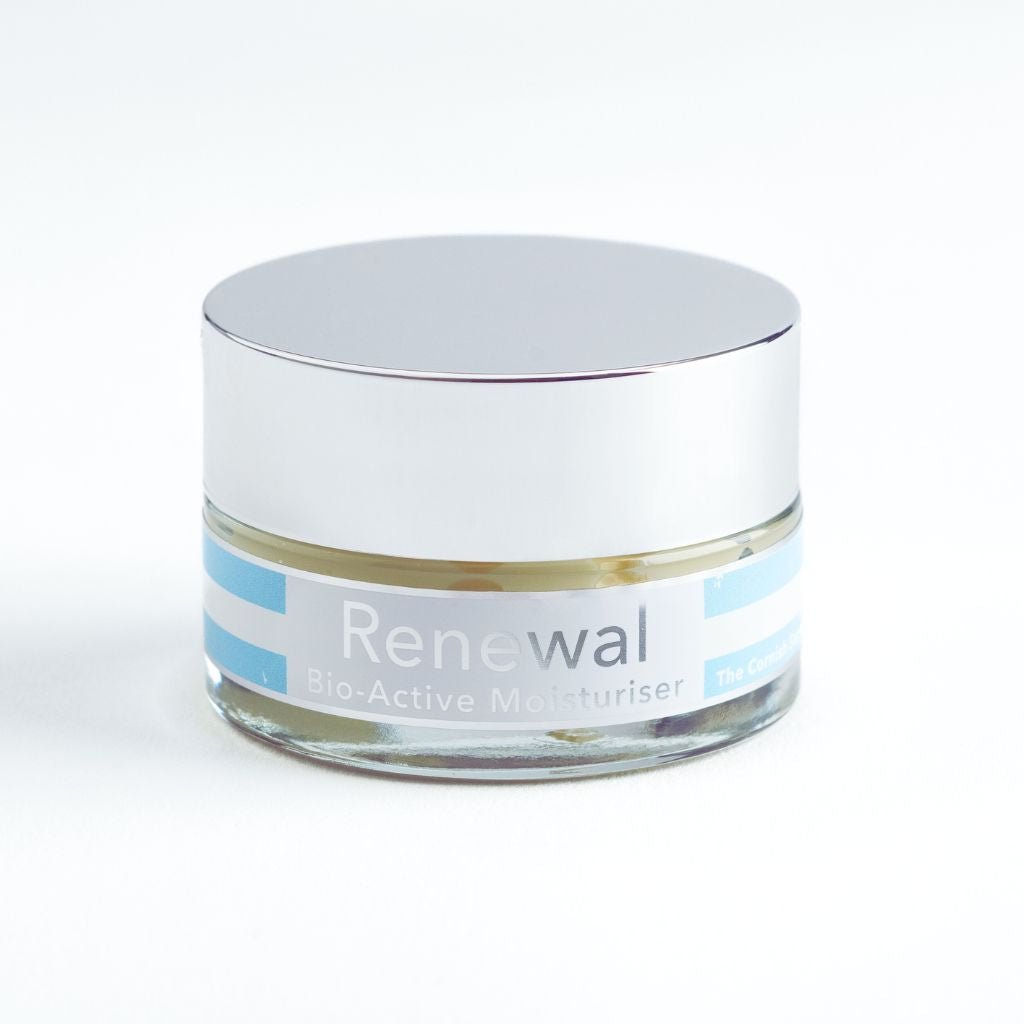
Frankincense resin, featured in our Renewal Bio-Active Moisturiser, has been sustainably harvested for centuries from Boswellia trees in Somalia and Oman. This ingredient supports skin regeneration whilst providing economic stability for traditional harvesting communities. The ling zhi mushroom in the same formulation offers adaptogenic properties that help skin respond to environmental stressors.
Sustainable Ingredient Standards
Effective ingredient selection prioritises biodegradability, renewable sourcing, and minimal processing requirements. We exclude sulphates, synthetic dyes, and petroleum-derived emulsifiers that persist in waterways and soil. Instead, plant-based cleansing agents from coconut and olive oils provide gentle yet effective cleansing action. When evaluating products, seek ingredients you recognise from nature: oils, botanical extracts, and mineral salts rather than lengthy chemical names requiring industrial synthesis.
| Product | Hero Ingredient | Primary Benefit | Best For |
|---|---|---|---|
| Sand Organic Facial Oil | Jojoba Oil | Balances oil production | Sensitive, combination skin |
| Renewal Bio-Active Moisturiser | Ling Zhi Mushroom | Environmental stress protection | Mature, stressed skin |
| Wild Seaweed Skin Repair Balm | Red Peony Root | Calming irritation | Reactive, damaged skin |
| Sky Organic Facial Oil | Blue Tansy | Anti-inflammatory action | Inflamed, sensitive skin, acne prone skin |
Protecting Waterways Through Biodegradable Formulations
Ingredients that rinse down drains eventually reach rivers, lakes, and oceans, making biodegradability crucial for aquatic ecosystem health. Our soap formulations, including the Pure Seaweed Soap, break down completely within weeks of entering water systems. The saponified plant oils create temporary suds that dissipate without leaving persistent residues. This contrasts with synthetic surfactants that can accumulate in marine environments, affecting fish reproduction and coral health.
Essential oils like bergamot and lemongrass in our formulations are steam-distilled from renewable plant sources and biodegrade rapidly. Even concentrated amounts used in skincare represent minimal environmental impact compared to synthetic fragrances that may contain phthalates or other persistent compounds.
Creating Your Mindful Skincare Ritual
Efficient Application Techniques
Sustainable application begins with using appropriate quantities, typically a pea-sized amount of facial oil or moisturiser suffices for the entire face. Apply products to slightly damp skin within three minutes of cleansing to lock in moisture and enhance absorption. This technique reduces the need for additional hydrating layers whilst maximising product effectiveness. For facial cleansing, massage gently with fingertips for 30 seconds, then remove with a soft, damp cloth using tepid rather than hot water to preserve skin barrier function and reduce energy consumption.
For more guidance on choosing the right moisturiser for your skin type and sustainability goals, see our in-depth article on moisturiser selection and usage tips.
Extending Product Life Through Proper Care
Proper storage significantly extends product lifespan, reducing replacement frequency and packaging waste. Store oils and moisturisers away from direct sunlight and heat sources, which can degrade active compounds and alter textures. Always tighten lids immediately after use to prevent oxidation and contamination.
To further support your sustainable skincare journey, consider our sensitive skin collection, which features gentle, eco-conscious products designed for daily use.
Tailoring Routines for Different Needs
Sensitive skin benefits from minimal, gentle formulations like our Fragrance Free Seaweed Soap, which contains only saponified plant oils and seaweed without added essential oils. Mature skin responds well to nutrient-dense formulations such as our Renewal Bio-Active Moisturiser, combining frankincense resin with sea buckthorn oil for regenerative support. Those seeking thoughtful gifts might consider our Sky Organic Facial Oil, which offers a luxurious sensory experience through blue tansy and frankincense whilst providing gentle, universal skin benefits.
If you are interested in learning more about the advantages of fragrance-free options, our article on fragrance free skincare benefits provides valuable insights for sensitive and allergy-prone skin.
Navigating Common Sustainability Concerns
Greenwashing remains a persistent challenge in skincare marketing. Identify authentic sustainable skincare practices by examining specific sourcing information, third-party certifications, and transparent ingredient lists. Genuine brands share detailed stories about their supply chains, we openly discuss our Cornish seaweed harvesting locations and methods. Avoid products making vague claims like "eco-friendly" or "natural" without supporting evidence or certifications from recognised bodies like the Soil Association or Ecocert.
When excess products accumulate, donate unopened items to local shelters or community centres rather than discarding them. For opened products that no longer suit your skin, repurpose containers for travel portions or small storage needs. Never dispose of skincare products down drains, as even natural formulations can overwhelm local water treatment systems when concentrated.
Evaluating Sustainable Skincare Brands
Our Selection Methodology
We've selected brands based on UK/EU production, published sustainability policies, complete ingredient transparency, and availability through mainstream retailers. Each brand demonstrates measurable environmental commitments beyond marketing claims, including specific packaging initiatives and sourcing documentation.
| Brand | Ingredient Sourcing | Manufacturing Approach | Packaging Solutions | Certifications |
|---|---|---|---|---|
| The Cornish Seaweed Bath Co. | Hand-harvested Cornish seaweed, locally sourced botanicals | Small-batch production, minimal waste processes | Glass containers, recyclable labels, minimal plastic | Cruelty-free policy, organic certifications |
| Weleda | Biodynamic farming partnerships, fair trade ingredients | Carbon-neutral facilities, renewable energy | Glass and aluminium, some plastic components | NATRUE, Demeter certified |
| Neal's Yard Remedies | Organic suppliers, community trade programmes | Solar-powered production, waste reduction initiatives | Recyclable bottles, refill programmes for some products | Soil Association, Leaping Bunny certified |
Our Distinctive Sustainability Model
Our approach centres on hyperlocal sourcing, we hand-harvest all Fucus serratus seaweed from specific Cornish coastal sites, eliminating international transport and supporting local marine ecosystem monitoring. This proximity allows us to observe seasonal variations and adjust harvesting practices accordingly, ensuring sustainable yield without depleting natural populations. Our formulations uniquely reflect Cornwall's botanical heritage through locally sourced ingredients like sea buckthorn and traditional processing methods.
The sensory experience of our products directly connects users to their geographic origin. The mineral-rich scent of our seaweed formulations and the distinctive texture profiles created by cold-pressed local oils offer an authentic sense of place rarely achieved by brands sourcing globally. Our small-batch production allows for quality control and freshness that larger operations cannot match, ensuring optimal potency of active compounds.
Emerging Trends in Sustainable Beauty

Laboratory-Grown Actives and Resource Conservation
Biotechnology increasingly offers solutions for creating effective skincare ingredients without environmental depletion. Lab-grown alternatives to rare botanical extracts, such as synthetic squalane replacing shark-derived versions, demonstrate how innovation supports both efficacy and conservation. Cellular agriculture may soon produce complex plant compounds like frankincense resin without harvesting pressure on wild Boswellia populations, though traditional sustainable harvesting remains viable when properly managed. For a scientific perspective on the rise of natural ingredients in cosmetics, see this external resource.
Next-Generation Packaging Solutions
Emerging packaging innovations include seaweed-based films for product wrapping and mushroom-derived materials for protective shipping containers. Refill systems are expanding beyond simple bottle refills to include concentrated formulations that users dilute at home, significantly reducing packaging volume and transport emissions. These developments suggest a future where packaging waste becomes virtually eliminated through circular design principles.
The Role of Conscious Consumers
Individual choices collectively drive industry transformation. Supporting brands with transparent supply chains, properly recycling packaging, and sharing knowledge about sustainable skincare practices creates market demand for responsible innovation. Community engagement through local sourcing, as demonstrated by our Cornish seaweed harvesting, strengthens regional economies whilst reducing environmental impact. These everyday decisions represent powerful tools for environmental stewardship.
Sustainable skincare rituals need not feel restrictive, they offer opportunities for deeper connection with natural processes and mindful self-care. The gentle rhythm of applying seaweed-enriched oils or the satisfying simplicity of a single-ingredient soap can transform daily routines into moments of environmental awareness and personal nurturing. For a look at upcoming trends in the beauty industry, you may want to read this analysis of global beauty and personal care trends for 2025.
Embracing Mindful Beauty Rituals
Adopting sustainable skincare practices creates a harmonious relationship between personal care and environmental stewardship. These mindful rituals, from choosing biodegradable formulations to supporting local sourcing, nurture both skin and planet through conscious daily choices. Our collection of seaweed-enriched products offers a pathway to experience this connection firsthand, bringing Cornwall's coastal wisdom into your daily routine whilst supporting truly sustainable beauty practices for years to come.
Frequently Asked Questions
What distinguishes sustainable skincare from natural, organic, and clean beauty products?
Sustainable skincare considers the full lifecycle of products, including ingredient sourcing, manufacturing, and packaging impact, aiming for long-term environmental stewardship. In contrast, natural products focus mainly on plant-derived ingredients, organic products emphasise certified farming practices, and clean beauty often highlights what is excluded rather than the overall ecological footprint.
How do sustainable skincare brands ensure their ingredient sourcing supports environmental regeneration and community wellbeing?
Sustainable brands use responsible harvesting methods that allow natural regeneration, such as hand-harvesting seaweed without damaging ecosystems. They also prioritise ethical partnerships that support local communities, ensuring ingredient sourcing benefits both nature and people.
What are some key practices to incorporate into a daily skincare routine to make it more sustainable?
Incorporating sustainable skincare involves choosing products with responsibly sourced ingredients, using appropriate product amounts to avoid waste, and favouring biodegradable formulations. Additionally, selecting gentle, eco-friendly products suited to your skin type supports both skin health and environmental wellbeing.
Why is packaging an important consideration in sustainable skincare, and what types of packaging are recommended?
Packaging plays a crucial role in reducing environmental impact by minimising waste and encouraging recycling. Sustainable skincare favours biodegradable, recyclable, or reusable packaging materials that responsibly manage end-of-life disposal, helping to lessen the burden on ecosystems.
A picture tells a thousand words: out of necessity, some images in this blog post have been created using artificial intelligence models. This is to help us bring to life & more comprehensively express the written content within this post. We only using artificially generated images when we don’t have a suitable image available to us.