 Winter Skincare Gifts!




Key Takeaways
- There are four main types of hair: straight, wavy, curly, and coily.
- Each hair type is categorised as Type 1 through Type 4.
- Subtypes A to C indicate the tightness of the curl pattern within each hair type.
- Straight hair is classified as Type 1, while coily hair is Type 4.
Table of Contents
- Introduction: Discovering the Natural Shape of Your Hair
- The Four Core Hair Types – Straight, Wavy, Curly, Coily
- Type 1 Straight Hair – Fine to Full, Effortlessly Sleek
- Type 2 Wavy Hair – Embracing Your Gentle Waves
- Type 3 Curly Hair – Nourishing Bouncy Spirals
- Type 4 Coily Hair – Honouring Tight, Resilient Coils
- Beyond Curl Pattern – Texture, Porosity, and Density in Hair Types
Introduction: Discovering the Natural Shape of Your Hair
The 4 types of hair are straight (Type 1), wavy (Type 2), curly (Type 3), and coily (Type 4), each with subtypes based on curl pattern tightness from A to C.
Understanding what are the 4 types of hair transforms how you care for your natural texture. Your hair's pattern emerges from the shape of your follicles, round follicles produce straight hair, whilst increasingly oval shapes create waves, curls, and coils. This genetic blueprint determines whether your strands fall flat or spring into spirals.
We've found that recognising your hair type guides you towards nourishing routines that work with, rather than against, your natural pattern. Our seaweed-enriched formulations support each texture's unique needs, from fine straight hair that requires lightweight moisture to dense coily hair that thrives with deeper nourishment.
Start by observing your hair after washing, allowing it to air-dry without products. Notice how different sections behave, many people have multiple patterns across their head, with looser waves at the crown and tighter curls underneath. For a complete routine tailored to all hair types, explore the 3 Step Haircare Set for an easy start to healthy hair care.
The Four Core Hair Types – Straight, Wavy, Curly, Coily

| Type | Key Characteristics | Subtypes | Common Feel |
|---|---|---|---|
| Type 1 (Straight) | Lies flat, reflects light easily | 1A (fine), 1B (medium), 1C (slight wave) | Silky, often oily at roots |
| Type 2 (Wavy) | S-shaped bends, prone to frizz | 2A (loose), 2B (defined), 2C (thick waves) | Textured, variable moisture |
| Type 3 (Curly) | Spiral formation, bouncy | 3A (loose), 3B (springy), 3C (tight) | Soft when moisturised, dry when not |
| Type 4 (Coily) | Zigzag pattern, significant shrinkage | 4A (visible coils), 4B (Z-pattern), 4C (dense) | Wiry or cotton-soft, fragile |
Type 1 Straight Hair emerges from perfectly round follicles, allowing sebum to travel down the shaft easily. This creates natural shine but can lead to oily roots. Subtypes range from 1A (fine, wispy) to 1C (with subtle movement at the ends).
Type 2 Wavy Hair forms S-shaped patterns from slightly oval follicles. The bends create natural volume but also trap moisture unevenly, leading to frizz. Type 2A shows loose beach waves, whilst 2C produces thick, defined waves that resist styling.
Type 3 Curly Hair springs into spirals from more elliptical follicles. These curls range from 3A (loose, quarter-sized ringlets) to 3C (tight corkscrews the width of a pencil). The curved structure makes it harder for natural oils to travel down the shaft.
Type 4 Coily Hair creates the tightest patterns from highly flattened follicles. This texture shows remarkable versatility, from 4A's visible spring coils to 4C's dense, seemingly patternless appearance that shrinks dramatically when dry.
Type 1 Straight Hair – Fine to Full, Effortlessly Sleek
Type 1 hair's symmetrical follicles create strands that fall naturally straight, reflecting light for enviable shine. However, this same structure allows sebum to travel quickly from scalp to ends, often creating oily roots within 24-48 hours of washing. The key lies in balancing cleansing frequency with your scalp's natural oil production.
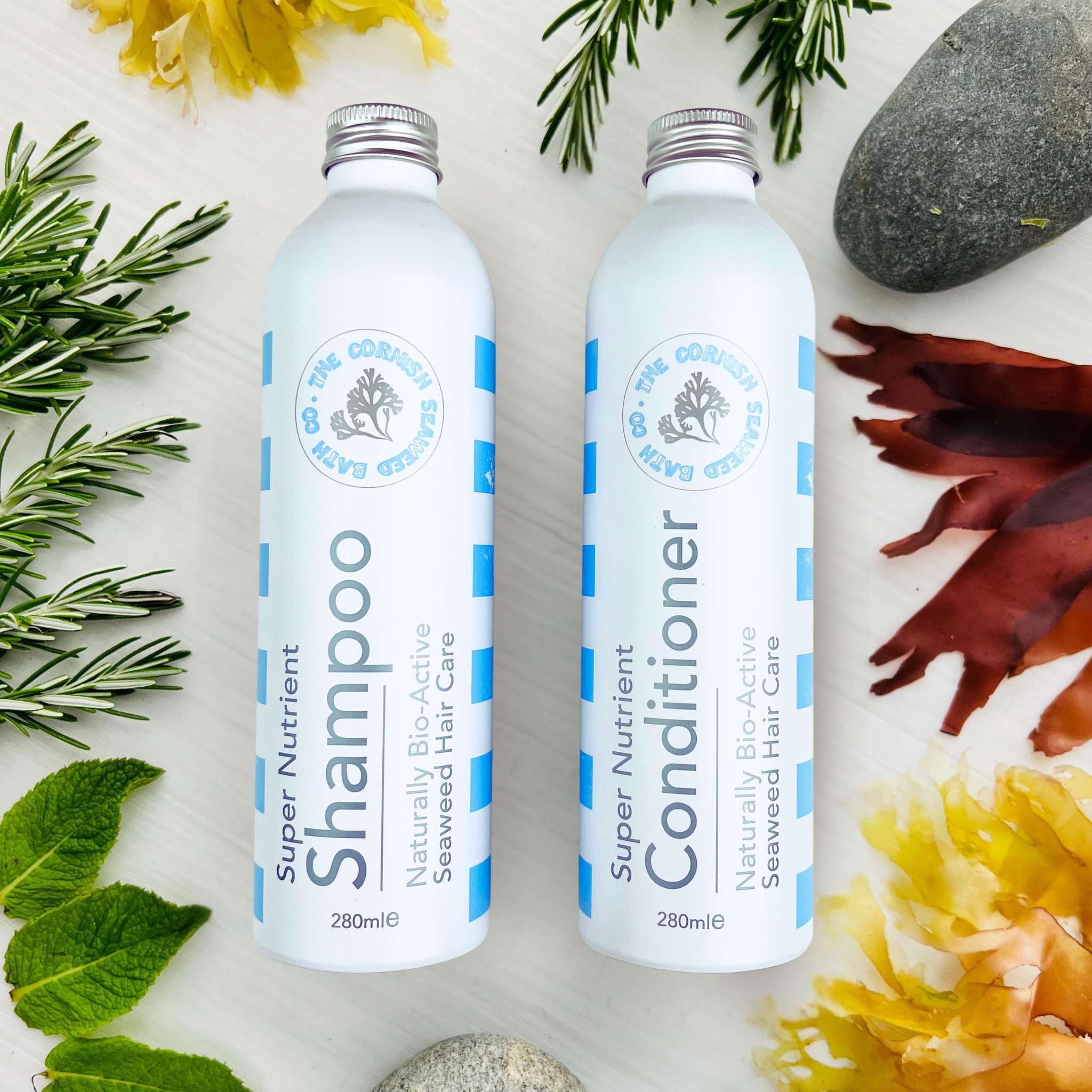
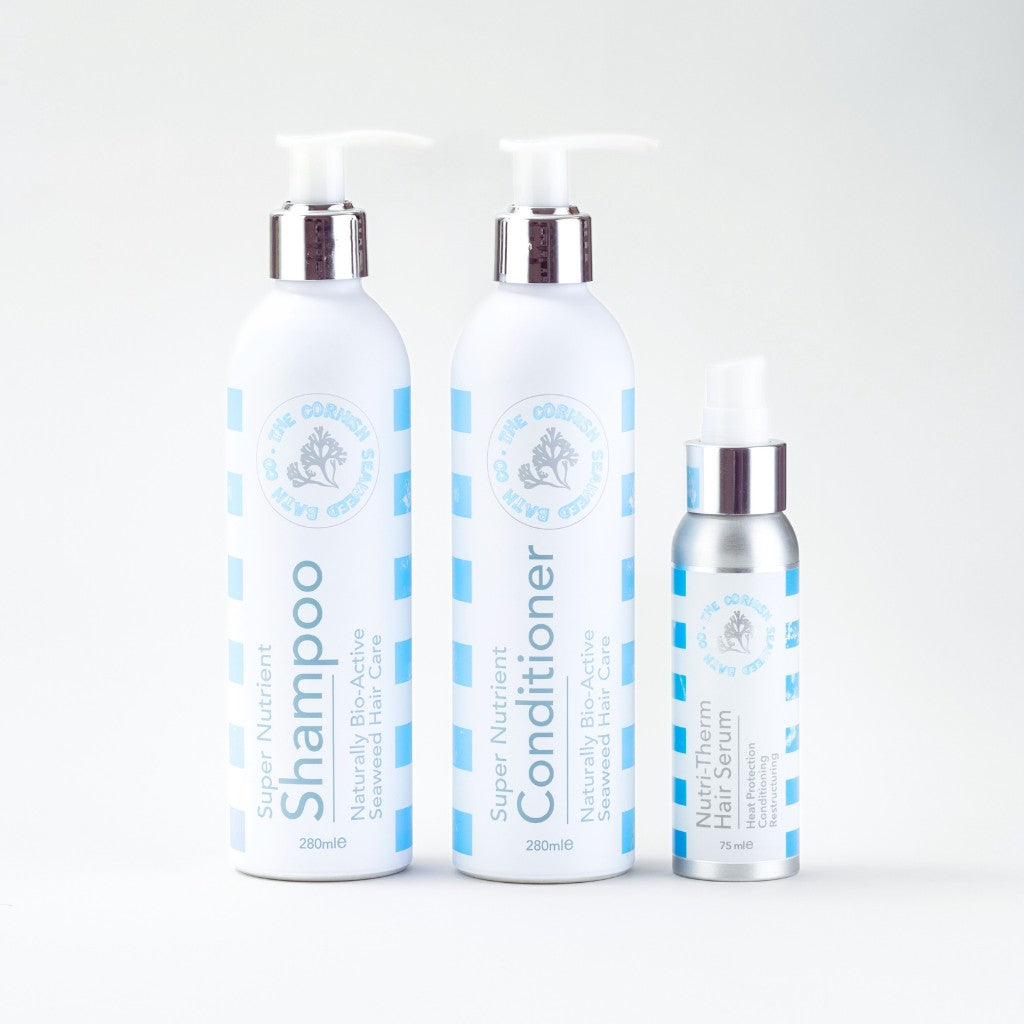
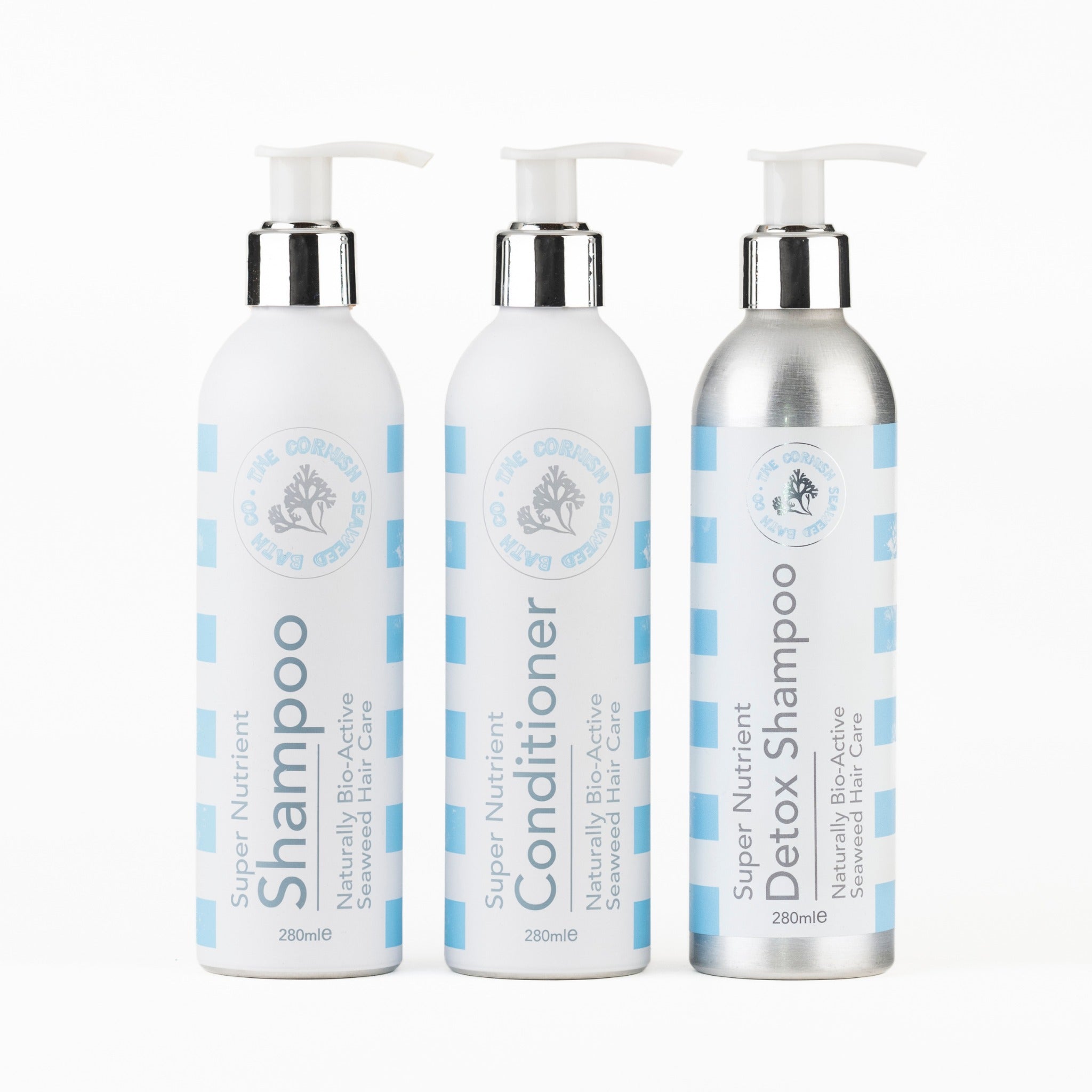
For daily care, we recommend washing every 2-3 days based on your scalp's needs. Apply a pea-sized amount of our Super Nutrient Shampoo to wet hair, focusing on the scalp where natural cleansers remove excess oil without stripping. The seaweed extract provides minerals that support hair health without weighing down fine strands.
Follow with our Super Nutrient Conditioner on mid-lengths to ends, avoiding roots to prevent limpness. Leave for 2-3 minutes before rinsing thoroughly. For Type 1C hair with subtle waves, this routine enhances natural movement whilst maintaining sleekness.
To add volume without heaviness, work a marble-sized dollop of our Light Hold Hair Mousse through damp roots. The seaweed-based formula creates lift whilst bamboo extract provides gentle structure. Scrunch hair upside down and air-dry for 10 minutes, then finger-comb for polished results.
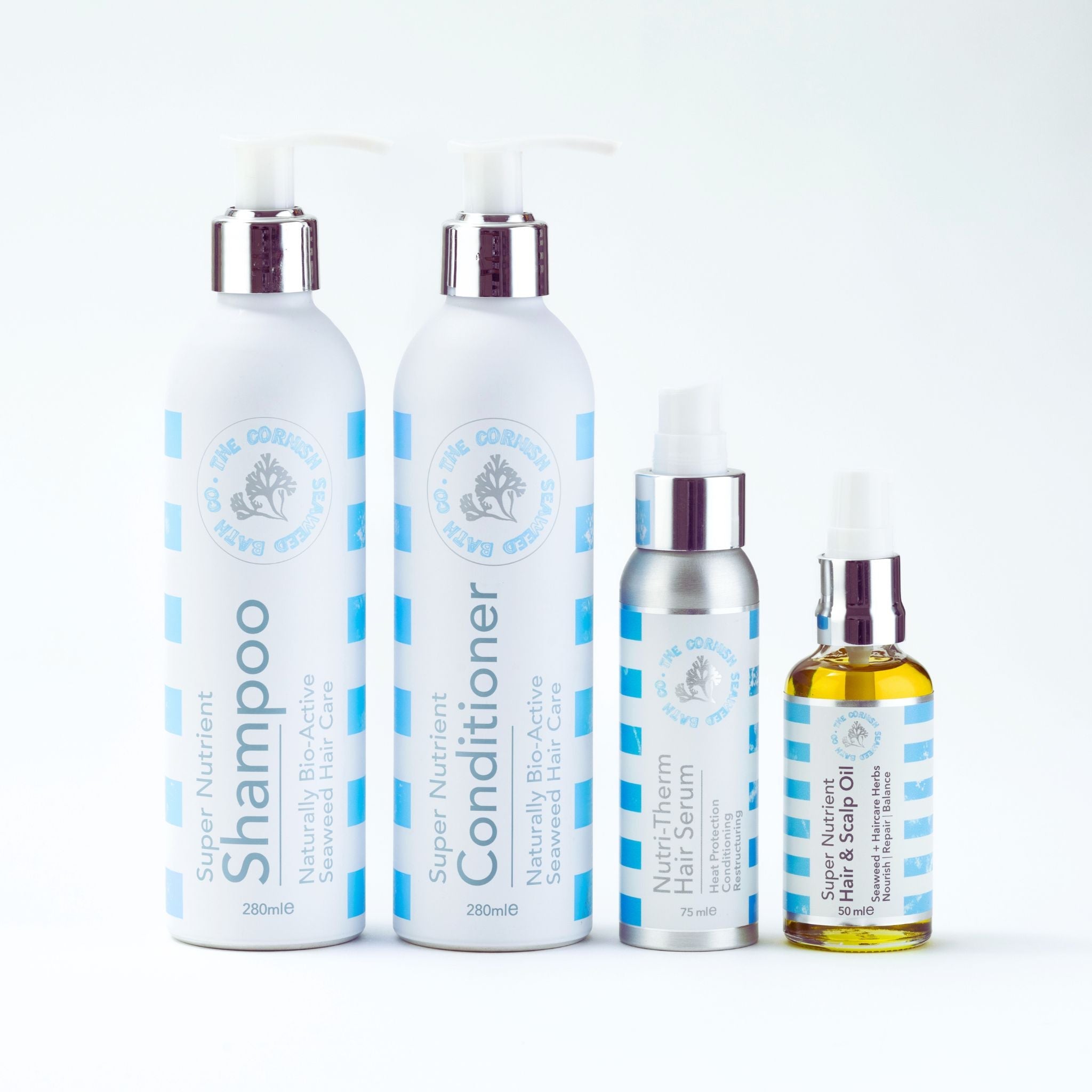
For mid-week refreshing, dilute 3 drops of our Super Nutrient Hair & Scalp Oil in a water spray. This technique adds shine to Type 1B hair without creating greasiness, perfect for maintaining office-ready sleekness between washes.
For more on ingredient choices and why we avoid certain additives, read our guide on haircare, the silicone and sulphate dilemma.
Type 2 Wavy Hair – Embracing Your Gentle Waves
Type 2 wavy hair forms its distinctive S-pattern from elliptical follicles that create gentle bends along each strand. This hair type is particularly prone to frizz because moisture distributes unevenly along the wave pattern, with humidity causing the hair cuticle to lift and create that familiar fluffy appearance.
The three subtypes vary significantly in their behaviour: 2A waves are fine and often disappear with brushing, 2B creates more defined S-shapes that hold their pattern, whilst 2C waves are voluminous and can be challenging to manage due to their thickness and frizz tendency. Understanding which subtype you have helps determine the right amount of product and styling approach.
We support wavy hair with our Super Nutrient Shampoo, which uses natural, sulphate-free cleansers to balance your scalp without stripping the natural oils that keep waves defined. Follow with our Super Nutrient Conditioner applied from mid-lengths to ends, leaving it on for three minutes to ensure proper moisture distribution along the wave pattern.
Wave Enhancement Technique
Light Hold Hair Mousse Application: Use a small amount (1–2 pumps) through damp waves. Twist individual sections around your finger, then diffuse on low heat for 5-7 minutes. For frizz control, mist 2 pumps of Nutri-Therm Hair Serum onto dry waves and rake through with fingers for 30 seconds.
To enhance your natural wave pattern overnight, try the 'pineapple' method: gather your waves very loosely at the very top of your head before sleep, then gently undo in the morning. This prevents flattening whilst maintaining your wave structure, perfect for achieving that effortless beach-day look on 2B waves.
| Subtype | Volume Level | Frizz Tendency | Product Amount Needed |
|---|---|---|---|
| 2A | Low to medium | Minimal | Pea-sized portions |
| 2B | Medium | Moderate | Coin-sized portions |
| 2C | High | High | 1–2 pumps or as needed |
If you're interested in the science behind curl and wave measurement, see this new research on measuring curls and kinks.
Type 3 Curly Hair – Nourishing Bouncy Spirals

Type 3 curly hair springs from flattened follicles that create distinct spirals, with each curl requiring consistent moisture to maintain its tight coil formation. The curved structure of curly hair makes it naturally drier than straight hair because natural oils struggle to travel down the twists and turns of each strand, leading to moisture evaporation along the many bends.
The three subtypes differ in curl tightness and density: 3A forms loose, large spirals about the diameter of a twenty pence piece, 3B creates springy ringlets the size of a ten pence coin, whilst 3C produces tight corkscrews that can shrink significantly when dry. Research shows that 3C hair can experience up to 65% shrinkage from its stretched length.
For curly hair care, we recommend cleansing with our Super Nutrient Detox Shampoo weekly when you need stronger natural, sulphate-free cleansers to remove product build-up, whilst using our Super Nutrient Shampoo for daily washing. Our Super Nutrient Conditioner works beautifully on curly hair, leave it on for five minutes and don't worry about scalp contact, as it's perfectly safe and beneficial for your scalp health.
Curl Definition Routine
Product Application: Apply a quarter-sized amount of Light Hold Hair Mousse to each section of damp curls. Rake through with fingers, then cup individual curls upward. Air-dry or diffuse for 8-10 minutes on low heat.
For extra moisture, work 4-5 drops of our Super Nutrient Hair & Scalp Oil through sectioned curls, smoothing each strand for about one minute. The plopping technique, wrapping your curls in a cotton towel for 20 minutes after applying products, helps enhance curl formation whilst reducing frizz.
When managing 3B curls after swimming, the combination of chlorine and salt water can leave curls feeling particularly dry and tangled. Rinse immediately with fresh water, then apply our conditioner as a leave-in treatment to restore moisture balance before your next wash day.
| Subtype | Curl Size | Hydration Needs | Styling Time |
|---|---|---|---|
| 3A | Twenty pence coin | Moderate to high | 15-20 minutes |
| 3B | Ten pence coin | High | 20-25 minutes |
| 3C | Pencil width | Very high | 25-30 minutes |
For more holistic hair and skin wellness, you might also enjoy our article on five ways to use seaweed to care for your skin health.
Type 4 Coily Hair – Honouring Tight, Resilient Coils
Type 4 coily hair represents the tightest curl patterns, formed by highly irregular follicles that create dense, zigzag patterns with remarkable resilience. This hair type experiences significant shrinkage, up to 75% from its stretched length, making it appear shorter than it actually is when dry. The complex structure creates beautiful volume but requires specific care to maintain health.
The three subtypes vary in pattern visibility and density: 4A forms visible loops with some definition, 4B creates a Z-pattern that's less defined and more fragile, whilst 4C produces the densest coils with minimal visible curl pattern. Understanding these differences helps you choose appropriate techniques for your specific coily pattern.
Coily hair is particularly prone to breakage due to the tension created at each bend in the strand. The tight curves make it challenging for natural oils to travel from scalp to ends, requiring intentional moisture strategies to prevent dryness and maintain elasticity.
We recommend using our Super Nutrient Detox Shampoo for a deep cleanse bi-weekly, whilst our Super Nutrient Conditioner provides the slip needed for gentle detangling. The conditioner is safe for scalp contact and actually beneficial for maintaining scalp health between washes.
Protective Coily Hair Routine
Pre-shampoo seal: Apply 3 pumps of Nutri-Therm Hair Serum to sectioned hair (6-8 parts). Detangle with a wide-tooth comb starting from ends, working upward for 2 minutes per section. Create Bantu knots with Light Hold Hair Mousse before sleeping on a satin pillowcase.
For low-manipulation styling that supports 4B growth, focus on protective styles that don't require daily manipulation. The key is maintaining moisture whilst minimising tension on fragile ends. Weekly deep conditioning with our hair oil applied 30 minutes before washing helps maintain the moisture balance essential for healthy coily hair.
| Subtype | Pattern Visibility | Density | Moisture Retention |
|---|---|---|---|
| 4A | Visible loops | Medium to high | Moderate |
| 4B | Z-pattern | High | Low to moderate |
| 4C | Minimal definition | Very high | Low |
Beyond Curl Pattern – Texture, Porosity, and Density in Hair Types
Understanding what are the 4 types of hair extends beyond curl pattern to include strand diameter (texture), porosity levels, and overall density. These characteristics interact with your curl type to determine how your hair behaves and what care approach works best.
Hair texture refers to the diameter of individual strands: fine hair feels thin and fragile between your fingers, medium hair has balanced thickness, whilst coarse hair feels sturdy and substantial. A Type 1 fine hair behaves very differently from Type 4 coarse hair, requiring adjusted product amounts and techniques.
Porosity measures how easily your hair absorbs and releases moisture. The float test reveals your hair's porosity: place a clean strand in water for two minutes, low porosity hair sits heavy at the bottom, high porosity hair floats quickly. This affects how products penetrate your hair and how long moisture lasts.
Density refers to how many strands you have per square inch of scalp. You can assess this by observing how easily you can see your scalp through your hair when it's parted.
At-Home Hair Assessment
Texture test: Roll a strand between thumb and index finger, if it's barely perceptible, you have fine hair. Porosity test: Float a clean strand in water for 2 minutes and observe. Density check: Part your hair and note scalp visibility.
| Hair Type | Fine Texture | Medium Texture | Coarse Texture |
|---|---|---|---|
| Type 1 (Straight) | Common | Common | Less common |
| Type 2 (Wavy) | Possible | Common | Possible |
| Type 3 (Curly) | Less common | Common | Common |
| Type 4 (Coily) | Rare | Possible | Very common |
Frequently Asked Questions
How can I identify my specific hair type and subtype based on curl pattern and follicle shape?
You can identify your hair type by observing its natural pattern once air-dried without products. Straight hair (Type 1) emerges from round follicles and lies flat, while increasingly oval follicles produce wavy (Type 2), curly (Type 3), and coily (Type 4) hair, each with subtypes A to C indicating the tightness of the curl or wave.
What are the key differences in care routines for each of the four main hair types?
Care routines vary as straight hair often benefits from lightweight moisture to avoid oiliness, wavy hair needs balanced hydration to manage frizz, curly hair requires more nourishing moisture to maintain softness, and coily hair thrives with deeper nourishment to support its fragile texture and reduce breakage.
Why does hair texture affect moisture retention and how does this influence hair care?
Hair texture influences how easily natural oils travel down the hair shaft; straighter hair allows oils to spread more readily, while tighter curls and coils create barriers that slow oil distribution. This means curlier textures often need richer, more nourishing products to maintain hydration and resilience.
How do seaweed-enriched hair products support the unique needs of different hair types?
Seaweed-enriched products provide gentle nourishment suited to various textures, offering lightweight moisture for finer, straighter hair and richer support for denser, curlier types. Their natural formulation helps maintain hair’s balance without weighing it down, complementing each hair type’s specific needs.
A picture tells a thousand words: out of necessity, some images in this blog post have been created using artificial intelligence models. This is to help us bring to life & more comprehensively express the written content within this post. We only using artificially generated images when we don’t have a suitable image available to us.