 Spring Sale!

 Spring Sale + Free Extra Skincare!



best conditioner for dry damaged hair menopause
Understanding Hair Changes During Menopause: Why Your Hair Needs Extra Care
Finding the best conditioner for dry damaged hair during menopause starts with understanding what's actually happening to your hair. Declining oestrogen reduces the scalp's natural oil production, leaving strands drier, finer, and more prone to breakage. A conditioner rich in nourishing botanicals and emollients directly addresses this shift.
The Hormonal Shift and Your Hair's Health
Oestrogen and progesterone both support the hair growth cycle and stimulate sebum production. As levels of each decline during perimenopause and menopause, the scalp produces less natural oil, the hair shaft becomes more porous, and strands lose their former resilience. This is a physiological change -- not a cosmetic inconvenience -- and it's worth treating it as such.
Beyond Dryness: Brittle Strands, Frizz, and Loss of Shine
Menopausal hair changes often arrive as a cluster of concerns rather than a single symptom. Increased porosity means moisture escapes quickly, which shows up as frizz. Reduced keratin production weakens the strand structure, leading to breakage at the mid-shaft. And a flattened cuticle layer dulls the surface, stripping hair of its natural shine.
Worth knowing: Hair porosity tends to increase during menopause, meaning it absorbs moisture quickly but struggles to hold onto it. Conditioners containing emollient oils may help seal the cuticle and slow that moisture loss.
Decoding Conditioner Ingredients: What to Seek for Dry, Damaged Menopausal Hair
Moisture Magnets: Humectants and Emollients That Replenish
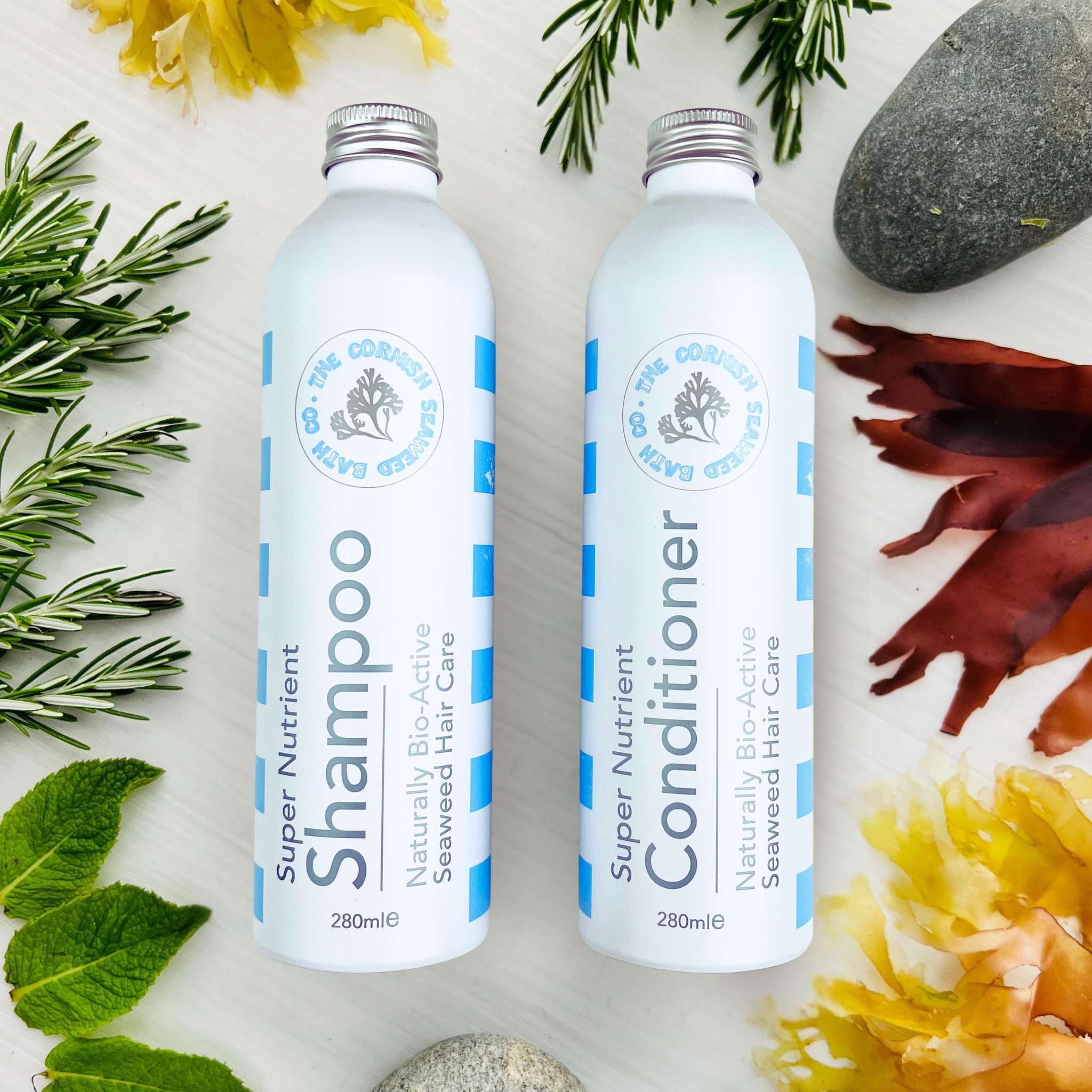
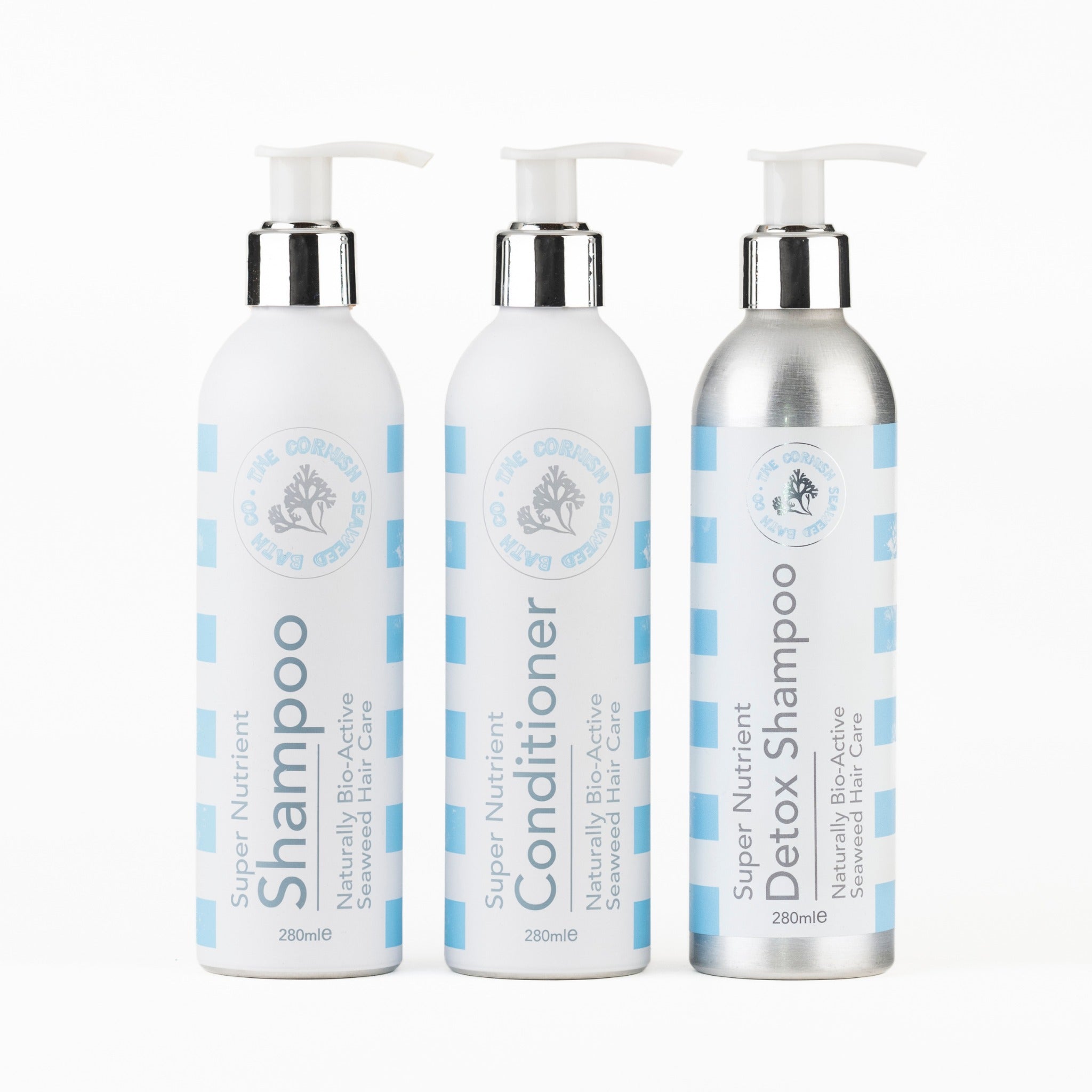
Menopausal hair needs ingredients that both attract and seal moisture. Emollient oils such as argan oil and oat kernel oil soften the cuticle and reduce friction between strands -- without weighing fine hair down. Our Super Nutrient Conditioner combines both to deliver exactly this, alongside Fucus Serratus seaweed, which contributes naturally occurring minerals and amino acids that support the hair's structural resilience.
Strength Builders: Botanicals for Resilience
Angelica Sinensis, present in our Super Nutrient Conditioner, has a long history of use in supporting scalp nourishment and strand care. Paired with Tuber Fleeceflower Root and clary sage, these botanicals work together to support the hair's condition during hormonal change -- offering a considered alternative to synthetic strengthening agents.
Worth knowing: Ingredients listed early on a product label are present in higher concentrations. When choosing a conditioner for dry, damaged hair, look for emollient oils and plant-based botanicals appearing near the top of that list.
Ingredients to Approach with Caution
Sulphates strip residual oils from already-dry strands. Synthetic silicones offer short-term smoothness but can build up over time, blocking moisture absorption. For hair dealing with menopausal changes, sulphate-free, silicone-free formulas are a more considered choice -- and one worth making a habit of, not just an occasional switch.
Tailoring Your Care: Conditioners for Different Hair Types During Menopause
Fine Hair: Lightweight Hydration Without Weighing Down
Fine hair becomes more susceptible to limpness when oestrogen declines. Lighter emollients -- such as oat oil -- do the conditioning work without flattening the hair. Apply from mid-length to ends, focusing on the areas most prone to dryness and breakage, and use only as much as your hair needs.
Medium to Coarse Hair: Richness and Deep Nourishment
Coarser strands can absorb richer formulations more readily. Argan oil and Tuber Fleeceflower Root -- both present in our Super Nutrient Conditioner -- provide the deeper nourishment that thicker, drier hair may benefit from during this time. Leave the conditioner on for 1-3 minutes before rinsing to allow better absorption.
Colour-Treated or Chemically Processed Hair: Gentle Care
Colour-treated hair already has a compromised cuticle layer, making hormonal dryness more pronounced. Sulphate-free formulas are especially important here -- they condition without accelerating colour fade. Our Haircare collection is sulphate-free throughout, making it well suited to colour-treated hair at any stage of the menopausal transition.
A practical note: There's no single best conditioner for every person going through menopause. Hair texture, porosity, and processing history all influence which formula will actually perform for you. It's worth paying attention to how your hair responds and adjusting accordingly.
Beyond the Rinse: Building a Restorative Haircare Ritual
The Role of Scalp Health in Overall Hair Vitality
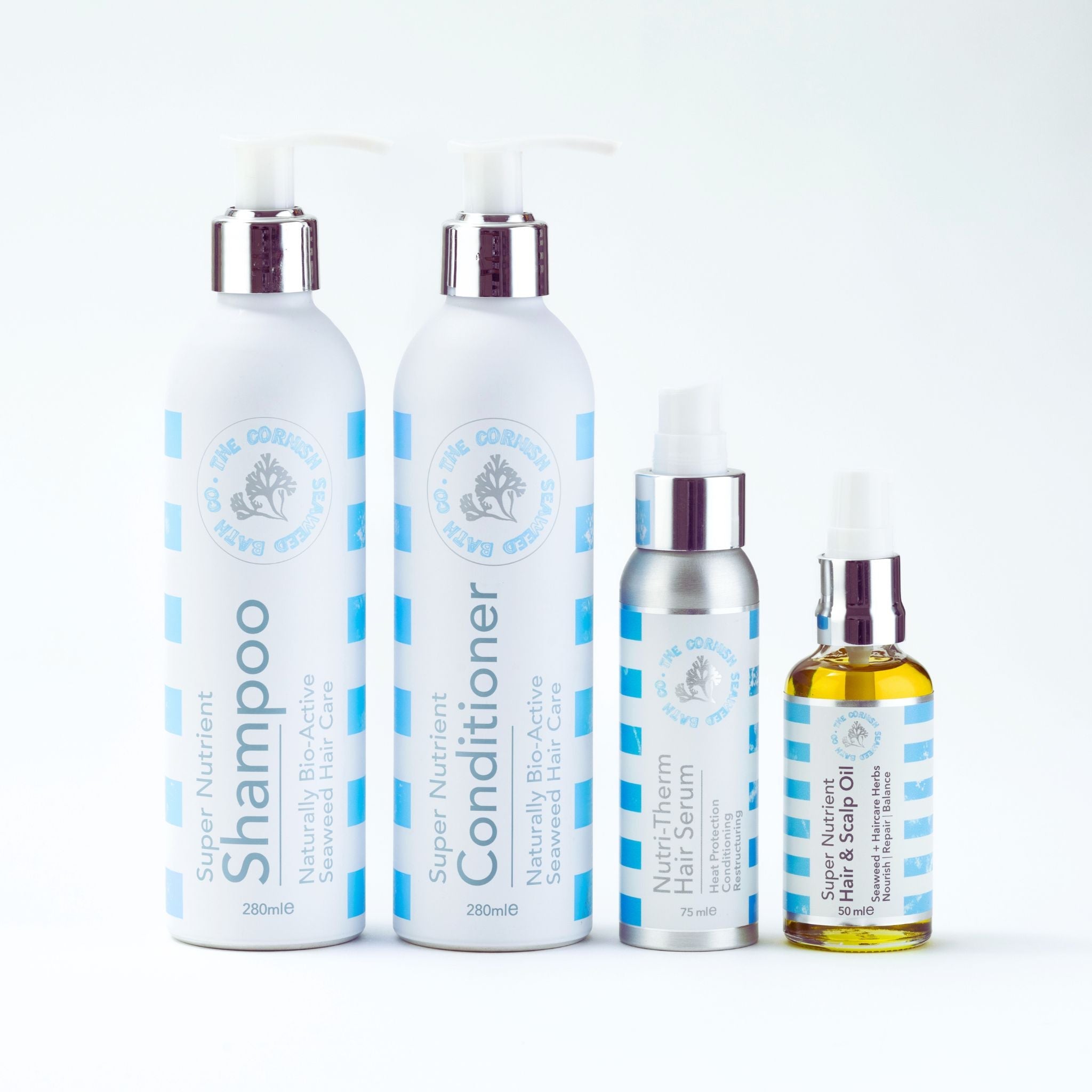
Healthy hair begins at the scalp. Our Super Nutrient Hair and Scalp Oil combines Eucommia Bark, Tuber Fleeceflower Root, and Fucus Serratus seaweed to nourish the scalp directly. Used as a pre-wash treatment, pump it onto the scalp and comb through the lengths of the hair, leaving it on for 20 minutes or overnight before shampooing and conditioning. It makes a considered complement to your conditioning routine -- and a calming one at that.
Best Practices for Conditioner Application
- After shampooing, apply Super Nutrient Conditioner to damp hair, focusing on mid-lengths and ends, but you can also apply to the scalp as well
- Leave on for 1-3 minutes to allow the seaweed-rich formula to work through the strand.
- Use a wide-tooth comb to distribute conditioner evenly and minimise breakage.
- Rinse with cooler water to help close the cuticle and support shine.
- Adjust the amount you use based on your hair's length and density rather than a fixed measure.
Broader Habits That Support Hair Resilience
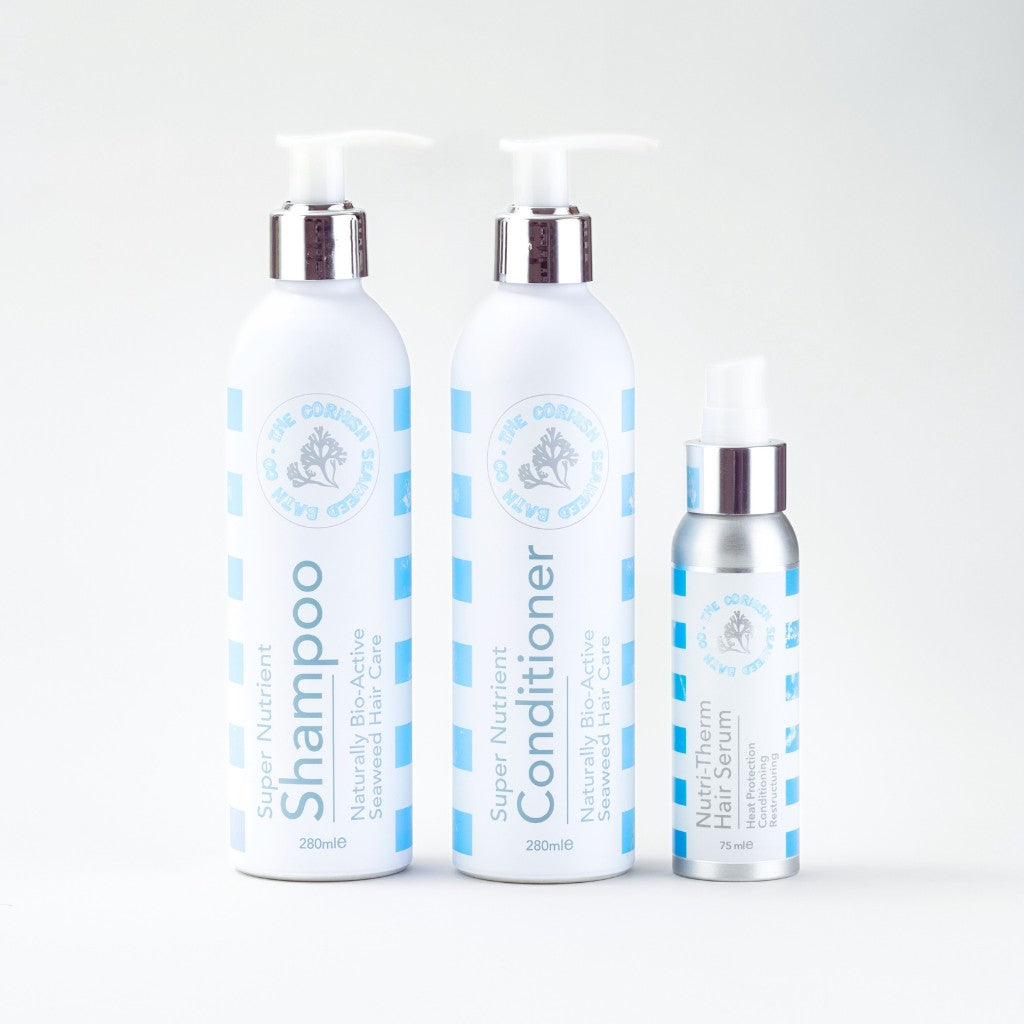
Diet, sleep, and stress all influence hair health during menopause. Adequate protein intake supports keratin production, while reducing heat styling limits additional cuticle damage. On days when you do use heat, applying Nutri-Therm Hair Serum to damp or towel-dried hair before styling offers seaweed-enriched protection. A well-chosen haircare routine, paired with these habits, gives your hair a genuinely strong foundation through this transition.
A final thought: Caring for dry, damaged menopausal hair is less about finding one magic product and more about building a consistent, well-chosen routine. Our Haircare range is formulated without sulphates or synthetic silicones -- making it a genuinely supportive option for hair going through hormonal change.
Frequently Asked Questions
Why does hair become dry and brittle during menopause?
During menopause, declining oestrogen levels reduce the scalp's natural oil production, leaving hair drier and more prone to damage. This hormonal shift also makes the hair shaft more porous, meaning moisture escapes quickly. Reduced keratin production can further weaken strands, contributing to a brittle, straw-like texture.
What ingredients should I look for in a conditioner for dry, damaged menopausal hair?
For dry, damaged menopausal hair, seek conditioners with moisture-attracting humectants and emollient oils like argan oil and oat kernel oil. Botanicals such as Angelica Sinensis and Fucus Serratus seaweed, rich in minerals and amino acids, also support hair resilience. It's wise to choose sulphate-free and silicone-free formulas to avoid stripping natural oils or causing build-up.
How can I help reduce hair breakage during menopause?
To help reduce breakage, choose conditioners with emollient oils that can help seal the hair's cuticle and slow moisture loss. Gentle application with a wide-tooth comb and rinsing with cooler water can also protect fragile strands. Additionally, supporting keratin production through adequate protein intake and limiting heat styling can make a difference.
Are there specific conditioners for different hair types experiencing menopausal changes?
Yes, tailoring your conditioner to your hair type is helpful. Fine hair benefits from lightweight emollients like oat oil, applied mid-length to ends, to avoid limpness. Coarser strands can absorb richer formulations, such as those with argan oil, for deeper nourishment. For colour-treated hair, sulphate-free formulas are especially important to protect the compromised cuticle and prevent colour fade.
Beyond conditioner, what else supports hair health during menopause?
Cultivating a holistic haircare ritual supports overall hair health during menopause. Nourishing the scalp with a pre-wash oil treatment, like our Super Nutrient Hair and Scalp Oil, can be beneficial. Alongside this, a balanced diet with adequate protein, sufficient sleep, managing stress, and reducing heat styling all contribute to stronger, more resilient hair.