 Spring Sale!



how menopause affects hair and skin
How menopause affects hair and skin: what changes, and why
Between the ages of 45 and 55, your body undergoes a hormonal shift that changes how your skin and hair behave. Oestrogen and progesterone levels decline. Your skin produces less collagen and fewer natural oils. Hair follicles spend more time resting.
These aren't surface-level annoyances. They're a reorganisation of how your body maintains moisture, elasticity and cellular renewal.
Falling oestrogen reduces sebum production, which compromises your skin's moisture barrier. Hair may thin, particularly at the crown, and grow more slowly. Strands that were once glossy can turn coarser and more brittle. Your scalp might feel tight or itchy. Facial skin shows fine lines more readily.
Hair shedding often increases during the perimenopausal transition, though this usually stabilises after menopause. The degree of change varies widely. Some women experience pronounced thinning; others notice primarily textural shifts or increased dryness.
You're not imagining it. You're adjusting to a new baseline.
Choosing a routine for menopausal hair and skin
Start by observing your specific changes rather than following generic advice.
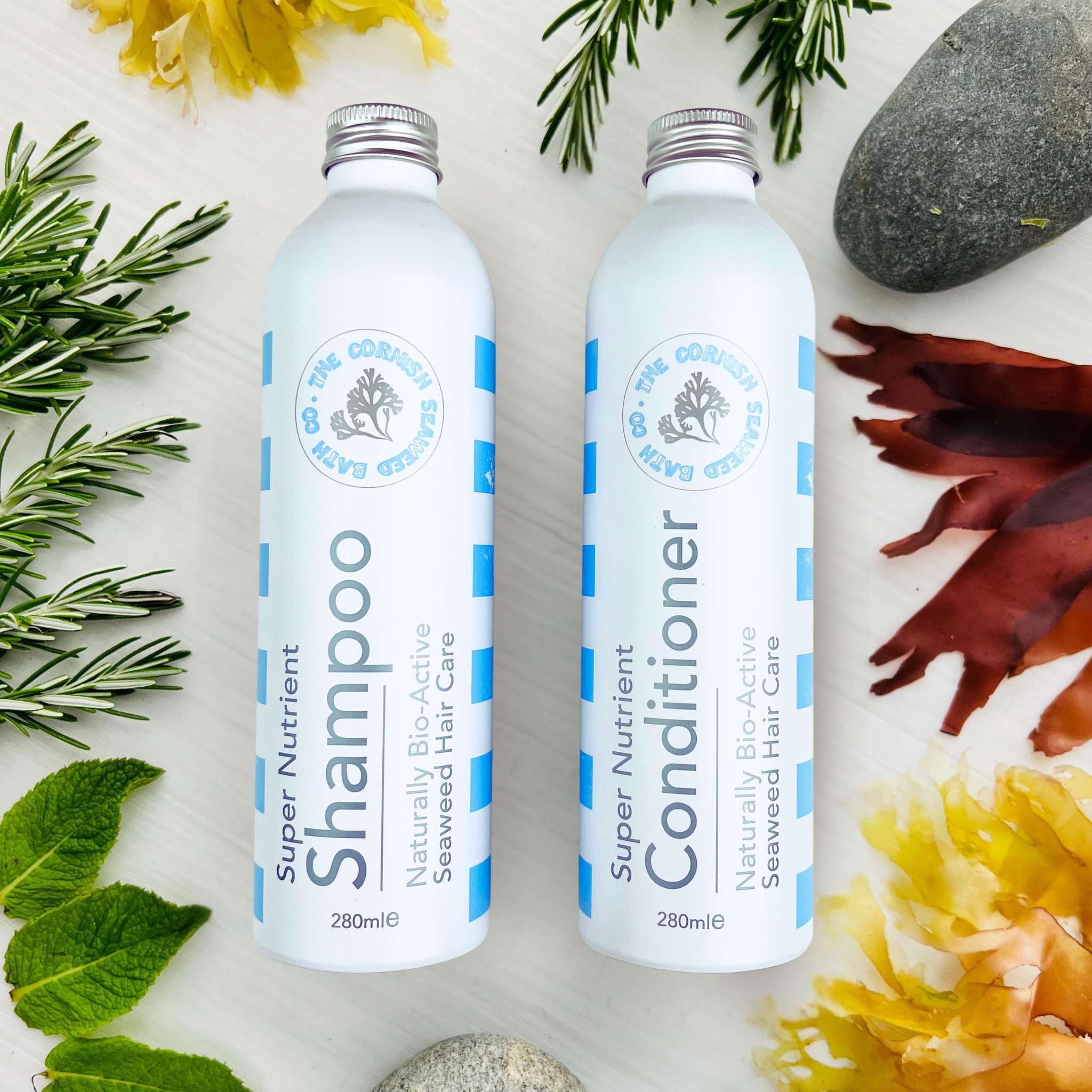
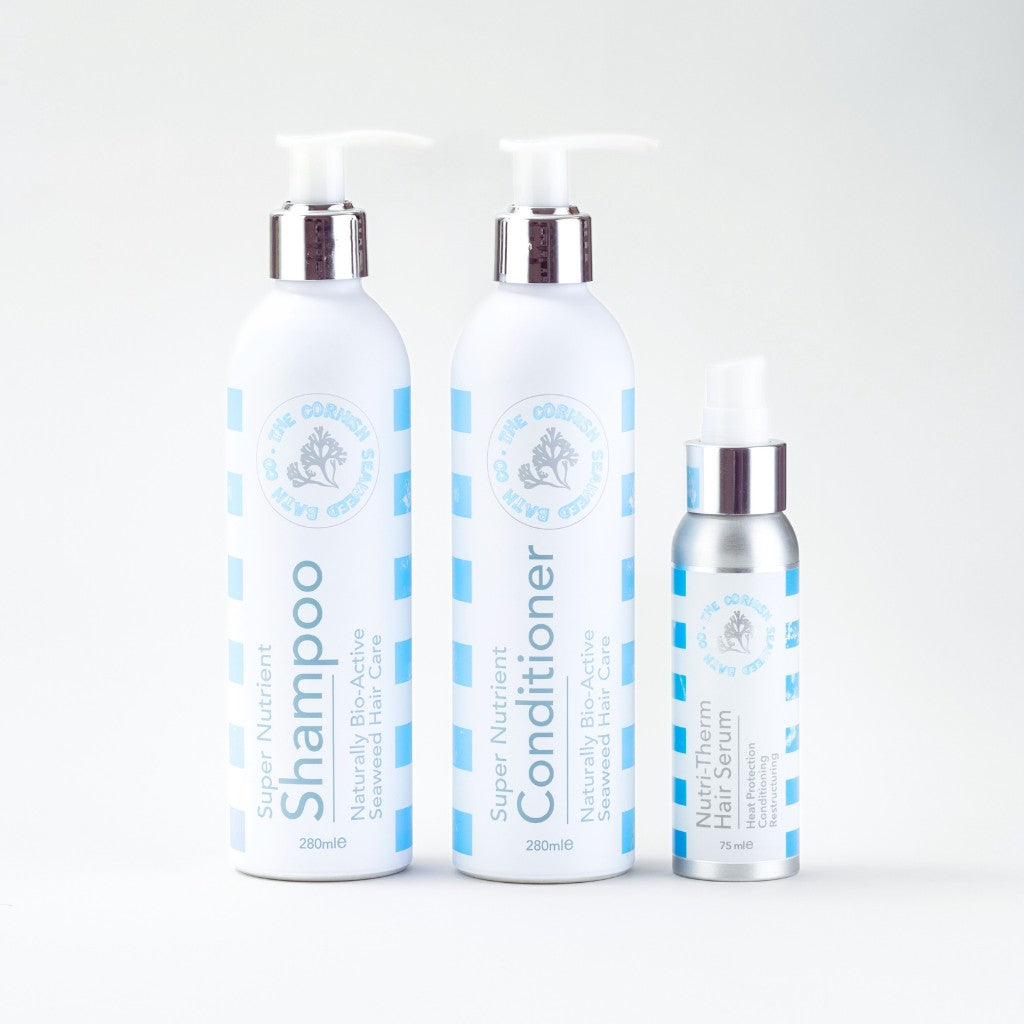
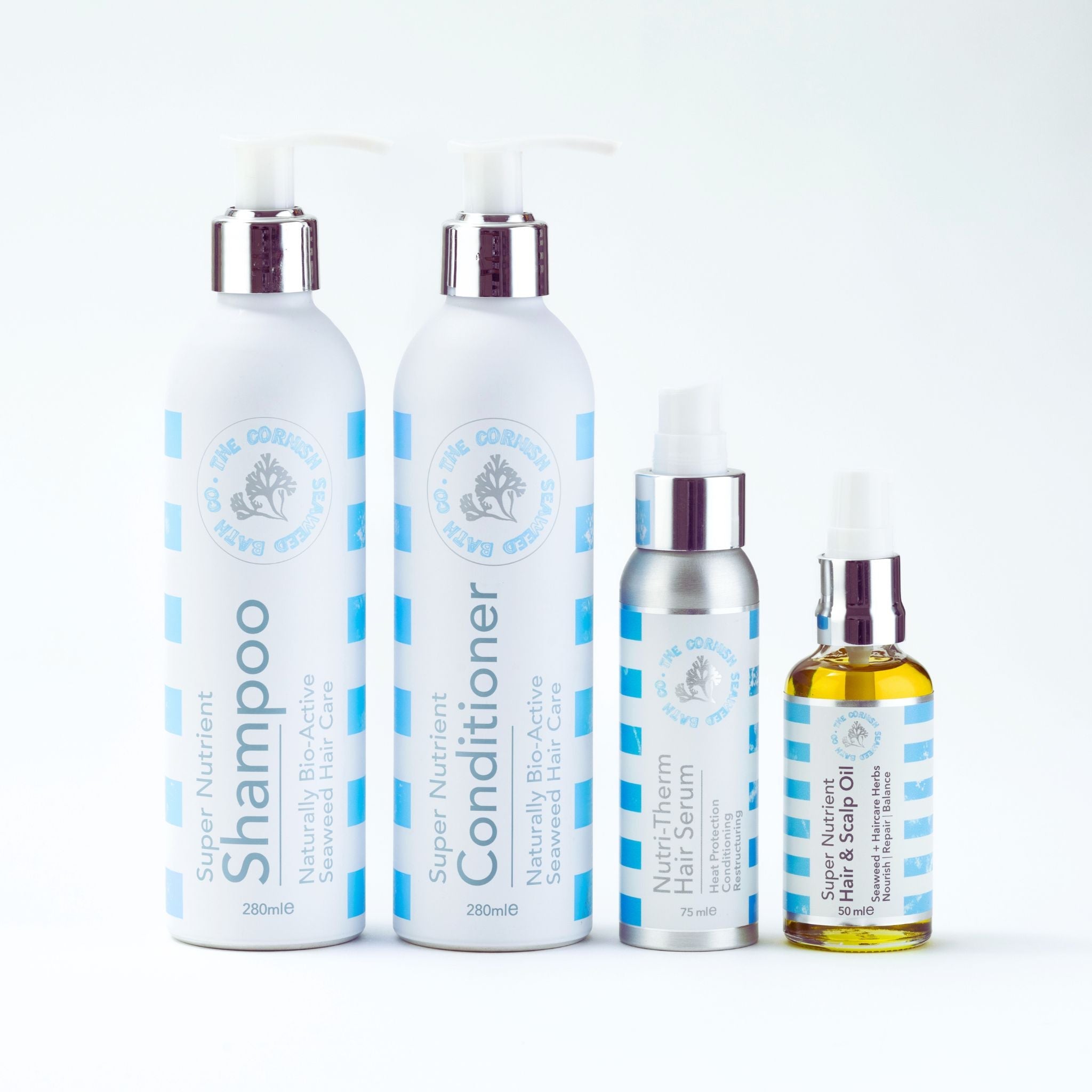
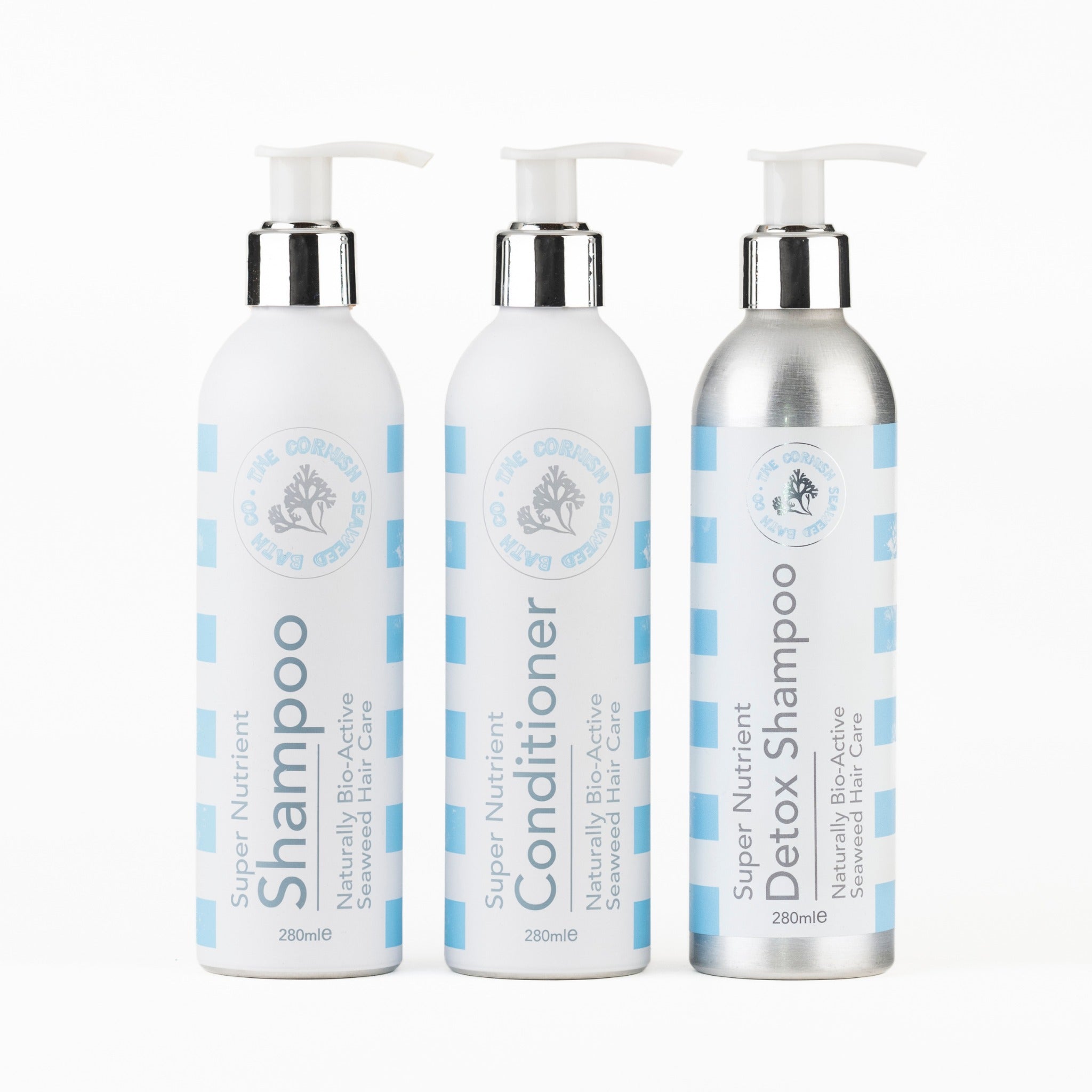
If your scalp has become dry and sensitive, look for gentle cleansers that won't strip the remaining oils. Our Super Nutrient Shampoo combines seaweed with gentle cleansing to support scalp comfort without aggravating reactivity.
For thinning hair, prioritise nourishment. Our Super Nutrient Hair & Scalp Oil delivers targeted care with lovage root and eucommia bark, alongside broccoli seed oil that smooths cuticles without weighing down fine strands. Pump onto the scalp, comb through the lengths, leave on for 20 minutes (or overnight), then shampoo and condition.
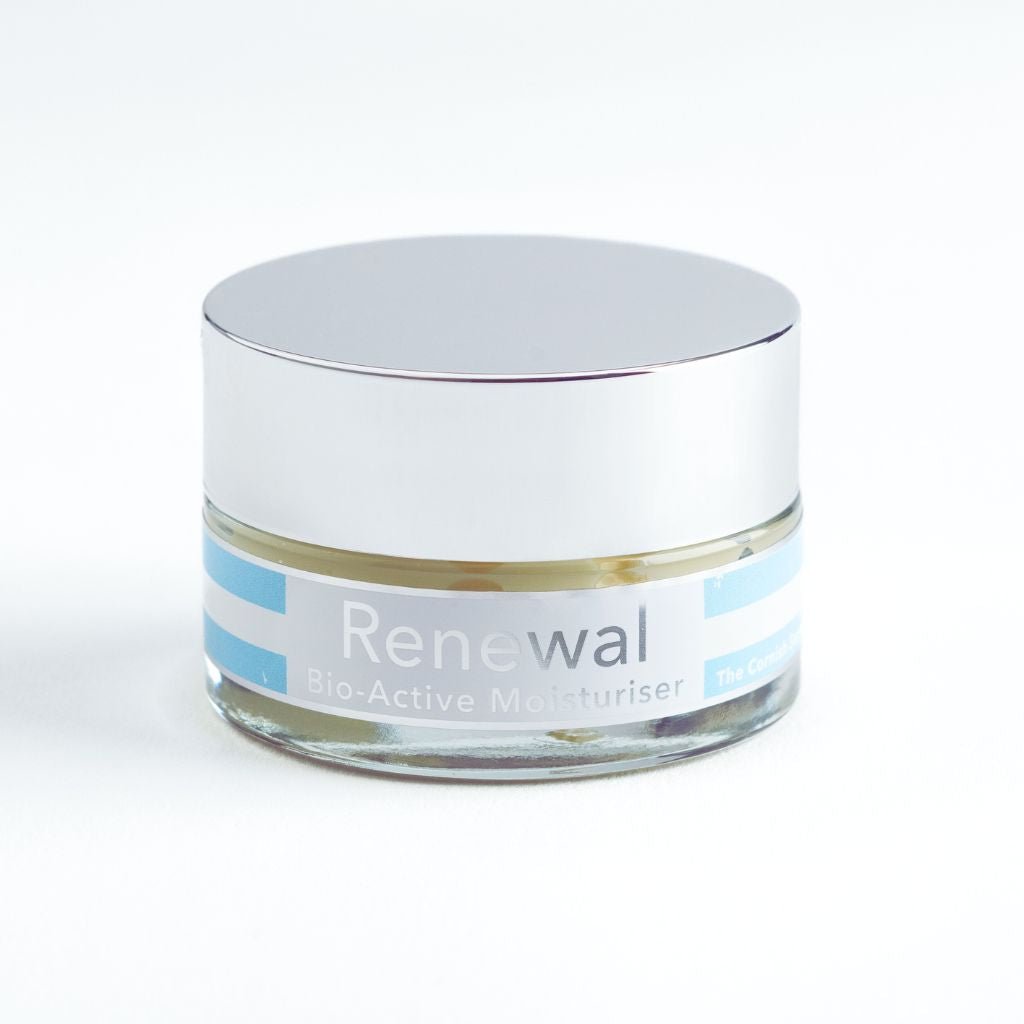
Facial skin often needs richer moisture, but avoid heavy textures that sit on the surface. Our Renewal Bio-Active Moisturiser is a lightweight daily hydrator designed to support skin's own collagen production, offering nourishment without overwhelming sensitised skin.
When dryness affects your body, consider switching from foaming products to oil-based cleansers. Our Super Nutrient Body Oil can be applied to damp skin after bathing to lock in moisture.
Introduce one new product at a time. Menopausal skin can react unpredictably. Give your skin several weeks to adjust to its new rhythms.
What to expect during perimenopause
Perimenopause--the years leading up to menopause--can bring the most unpredictable changes. Hair shedding often peaks during this phase. Your scalp may fluctuate between oily and dry. Skin can react to products that worked for years.
This isn't a sign you're doing something wrong. It's hormonal volatility playing out on your scalp and skin.
If you notice increased shedding, resist the urge to over-wash or use harsh clarifying treatments. Gentle, consistent care usually works better than aggressive intervention. Our Super Nutrient Conditioner can be applied from roots to ends to add natural shine; gently massaging it into your scalp may also provide relief from itching and help decrease flaking..
For facial skin that feels reactive, our Sand Organic Facial Oil offers gentle, restorative care. Apply 2-4 drops to freshly cleansed, slightly damp skin, then press into the face and neck.
Pay attention to patterns. Does your scalp feel drier in the morning? Does your skin react more in the evening? Tracking these shifts can help you time your care more precisely.
Remember: perimenopause is temporary. Hair shedding typically stabilises once your hormones level out post-menopause.
Long-term care after menopause
After menopause, hair and skin often settle into new patterns. Reduced oil production becomes a long-term feature rather than a temporary phase. Consistent nourishment usually works better than occasional intensive treatments.
Our Sky Organic Facial Oil offers lightweight hydration that absorbs readily into drier, mature skin. Apply 2-4 drops to freshly cleansed, slightly damp skin.
Hair texture changes can persist, with strands sometimes becoming finer and more fragile. Regular conditioning helps. Our Super Nutrient Conditioner can be applied from roots to ends for added nourishment.
Body skin often needs extra attention on areas prone to extreme dryness--elbows, knees, lower legs. Our Super Nutrient Body Oil can be applied to damp skin to address the lipid depletion often associated with post-menopausal skin.
If hair feels increasingly brittle, our Super Nutrient Hair & Scalp Oil can be massaged into the scalp weekly for concentrated nourishment.
The key? Consistency. Post-menopausal hair and skin respond best to regular, gentle routines. Build habits around daily moisture replenishment and weekly deeper nourishment. Adjust as your needs continue to change.
Essential insight: Post-menopausal care works best with steady attention to moisture retention and gentle nourishment. Your skin and hair may not return to pre-menopausal states, but consistent care can support comfort, softness and resilience over time.
Frequently Asked Questions
How do hormonal shifts during menopause influence my hair and skin?
During menopause, declining oestrogen and progesterone levels lead to fundamental changes. Your skin produces less collagen and natural oils, affecting moisture and elasticity. Hair follicles also spend more time in resting phases, impacting growth and density.
What are the common skin changes women experience during menopause?
Many women notice their skin becomes drier and more sensitive due to reduced sebum production. You might also see fine lines more readily and feel your skin is prone to irritation, as its natural moisture barrier is less effective.
Why does hair often thin or change texture during menopause?
As oestrogen levels fall, hair follicles enter resting phases more often, which can lead to thinning, especially at the crown. Hair texture can also shift, becoming coarser and more brittle, and some women experience increased shedding during perimenopause.
How can I best care for my facial skin during menopause?
Menopausal facial skin often benefits from richer moisture, but it is helpful to choose lightweight hydrators that support skin's own collagen production. Our Renewal Bio-Active Moisturiser is designed to offer nourishment without overwhelming sensitised skin. Gentle cleansing is also key to protect its delicate balance.
What kind of hair care routine is recommended for menopausal hair?
For menopausal hair, focus on nourishing treatments rather than just volume. If your scalp is dry or sensitive, gentle cleansers, like our Super Nutrient Shampoo, can support comfort without stripping oils. Our Super Nutrient Hair & Scalp Oil also delivers targeted nourishment to the scalp and strands.
Why is it important to understand these menopausal changes in hair and skin?
Understanding these changes allows you to respond with precision, rather than frustration, to your body's signals. It helps you distinguish between temporary perimenopausal fluctuations and longer-term needs, guiding you towards gentler, more effective care and away from harsh treatments.
My body skin also feels much drier. What can I do?
If your body skin feels drier, consider switching from foaming products to oil-based cleansers. Applying an oil, such as our Super Nutrient Body Oil, to damp skin after bathing can help lock in moisture and provide much-needed nourishment.