 International Women's Day




Key Takeaways
- Purple shampoo uses violet pigments to neutralise yellow and brassy tones in hair.
- The violet colour counteracts unwanted warm tones based on colour theory.
- Purple shampoo is effective for blonde, silver, and grey hair.
- It helps maintain a cooler, more natural hair colour by cancelling brassy hues.
Table of Contents
- Understanding Purple Shampoo and How It Works
- Who Needs Purple Shampoo: Hair Types and Colours
- Key Benefits Beyond Toning: Nourishment and Scalp Support
- Ingredients That Matter in Purple Shampoo
- How to Use Purple Shampoo Correctly: Technique and Timing
- Integration into a Balanced Haircare Routine
- Natural Purple Shampoo Alternatives: A Gentler Path
Understanding Purple Shampoo and How It Works
Purple shampoo operates on colour theory principles, using violet pigments to neutralise unwanted yellow and brassy undertones in blonde, silver, and grey hair. The violet hue sits opposite yellow on the colour wheel, creating a cancelling effect when applied to hair that has developed warm, brassy tones over time.
This colour-correcting approach works best on hair that's been lightened through bleaching, highlighting, or natural sun exposure. When hair cuticles open during these processes, they become more porous and susceptible to environmental factors that deposit yellow pigments. Purple shampoo doesn't strip these deposits but rather masks them with complementary violet tones.
Blonde, platinum, and silver hair benefit most from regular purple shampoo use, whilst those with darker blonde or light brown hair may see minimal results. The key lies in matching the intensity of the purple pigments to your hair's specific level of brassiness, too little contact time yields no change, whilst excessive use can create an unwanted violet or grey cast.
If you skip purple shampoo for several weeks, you'll likely notice your blonde tones becoming progressively warmer and more yellow, particularly around the crown and areas most exposed to sunlight and environmental stressors.
Who Needs Purple Shampoo: Hair Types and Colours

Naturally Blonde Hair vs. Colour-Treated Blonde
Colour-treated blonde hair requires more consistent toning support because the bleaching process removes natural pigments, leaving hair more vulnerable to yellow deposits from minerals, pollution, and UV exposure. Natural blondes typically have intact cuticles and existing pigments that provide some protection against brassiness, making purple shampoo optional rather than essential.
Platinum, Silver, and Grey Hair
These lighter tones show brassiness most dramatically because there's minimal natural pigment to mask yellow undertones. Platinum and silver hair often appears dull and yellowed without regular purple shampoo maintenance, whilst grey hair can look tired and aged when warm tones dominate the cooler, sophisticated silver base.
Balayage and Highlighted Hair
Mixed colour techniques like balayage and highlights create varying levels of lightness throughout your hair, meaning some sections need more toning than others. Focus purple shampoo application on the lightest sections whilst being mindful that darker, non-blonde areas may pick up slight violet deposits if over-processed.
For more tips on keeping your hair healthy and vibrant, you might find our guide on best shampoos for healthy hair helpful.
Key Benefits Beyond Toning: Nourishment and Scalp Support
Colour Vibrancy and Longevity
Regular purple shampoo use extends the life of professional salon toning treatments by maintaining the cool, balanced tones between appointments. This consistency helps preserve the investment you've made in professional colour services whilst reducing the frequency of costly salon touch-ups.
Scalp and Hair Health
Quality purple shampoos provide gentle cleansing without harsh surfactants that can strip both colour and natural oils. Hair that's been bleached or chemically processed benefits from the added hydration and mineral support that botanical-based formulations offer, supporting overall scalp comfort and hair manageability.
Why Natural, Plant-Based Formulas Matter
Sulphate-free purple shampoos with natural ingredients like seaweed provide minerals and antioxidants that support hair health beyond simple colour correction. Seaweed contains naturally occurring minerals that nourish both hair and scalp, whilst avoiding synthetic additives that can cause sensitivity or long-term damage to chemically treated hair.
Pairing purple shampoo with our Super Nutrient Purple Conditioner ensures your hair receives both toning benefits and essential hydration, creating a balanced approach to blonde hair maintenance.
Ingredients That Matter in Purple Shampoo
Colour-Depositing Agents
Violet pigments form the foundation of any purple shampoo, but the quality and concentration determine whether you achieve balanced toning or unwanted over-staining. Look for formulations that provide gradual, buildable colour correction rather than intense, immediate results that can be difficult to control.
Nourishing Oils and Botanicals
Jojoba, argan, and oat kernel oils support hydration without weighing hair down, particularly important for blonde hair that may already be compromised from chemical processing. Seaweed provides naturally occurring minerals and antioxidants that support scalp health, whilst traditional botanicals like frankincense, mint, and rosemary have been used for centuries to support hair vitality.
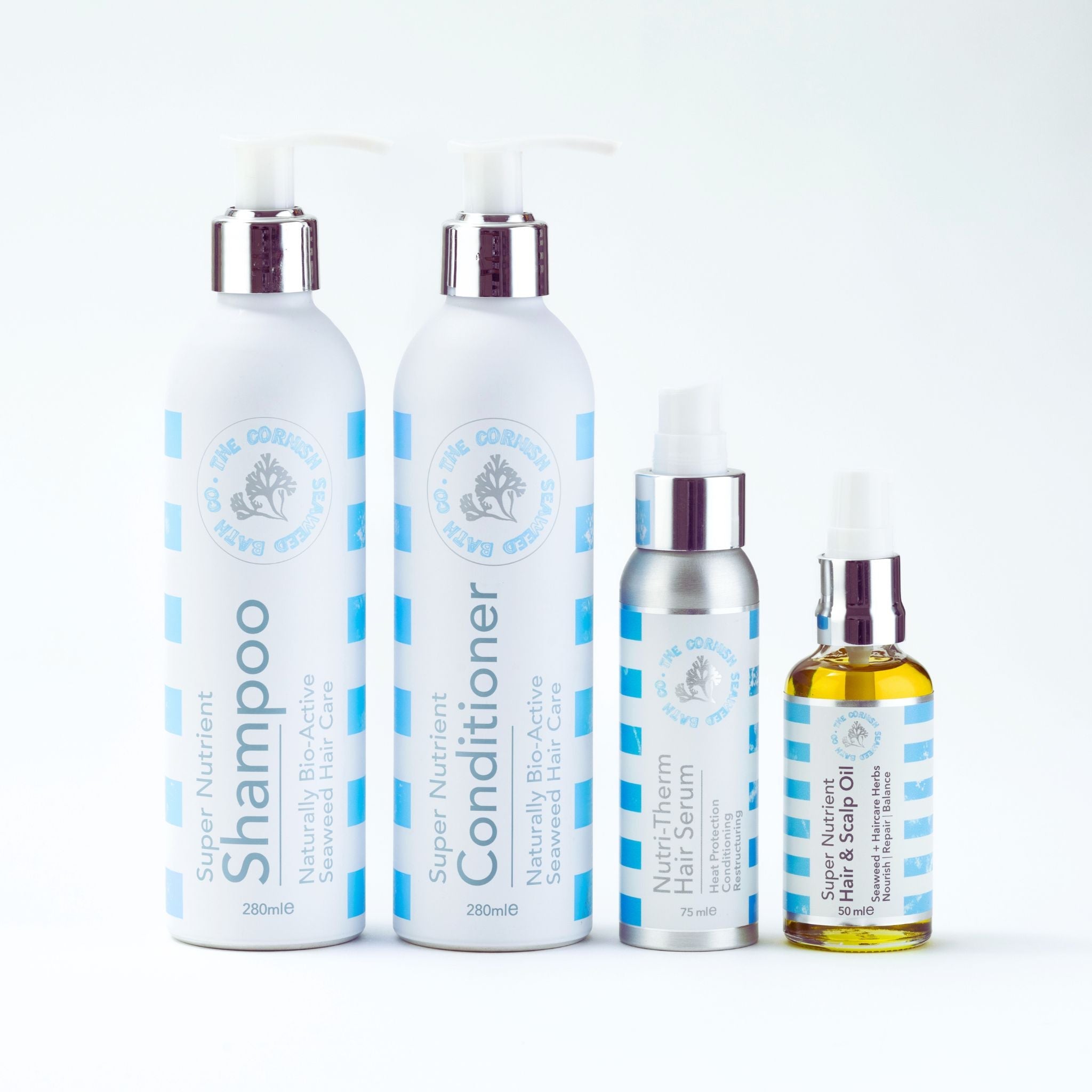
For those interested in a more holistic approach, our Super Nutrient Hair & Scalp Oils offer a nourishing boost for both scalp and hair health.
Key Insight: The most effective purple shampoos combine colour-correcting pigments with nourishing botanicals, addressing both immediate toning needs and long-term hair health.
What to Avoid
Harsh sulphates, parabens, and synthetic fragrances can strip colour and compromise scalp health, particularly problematic for hair that's already been chemically processed. These ingredients may provide immediate cleansing results but can lead to dryness, irritation, and faster colour fade over time.
How to Use Purple Shampoo Correctly: Technique and Timing

The Basic Application Method
For a deeper understanding of how to transition your hair care routine, see our article on transitioning to a natural shampoo and the detox process.
Integration into a Balanced Haircare Routine
Purple Shampoo and Conditioner Partnership
Conditioner becomes essential after purple shampoo use because toning formulas can temporarily roughen the cuticle whilst depositing pigments. A nourishing conditioner restores smoothness, seals in moisture, and prevents the dryness that can make blonde hair appear dull or damaged. Apply conditioner from mid-lengths to ends, allowing 2-3 minutes contact time for optimal hydration.
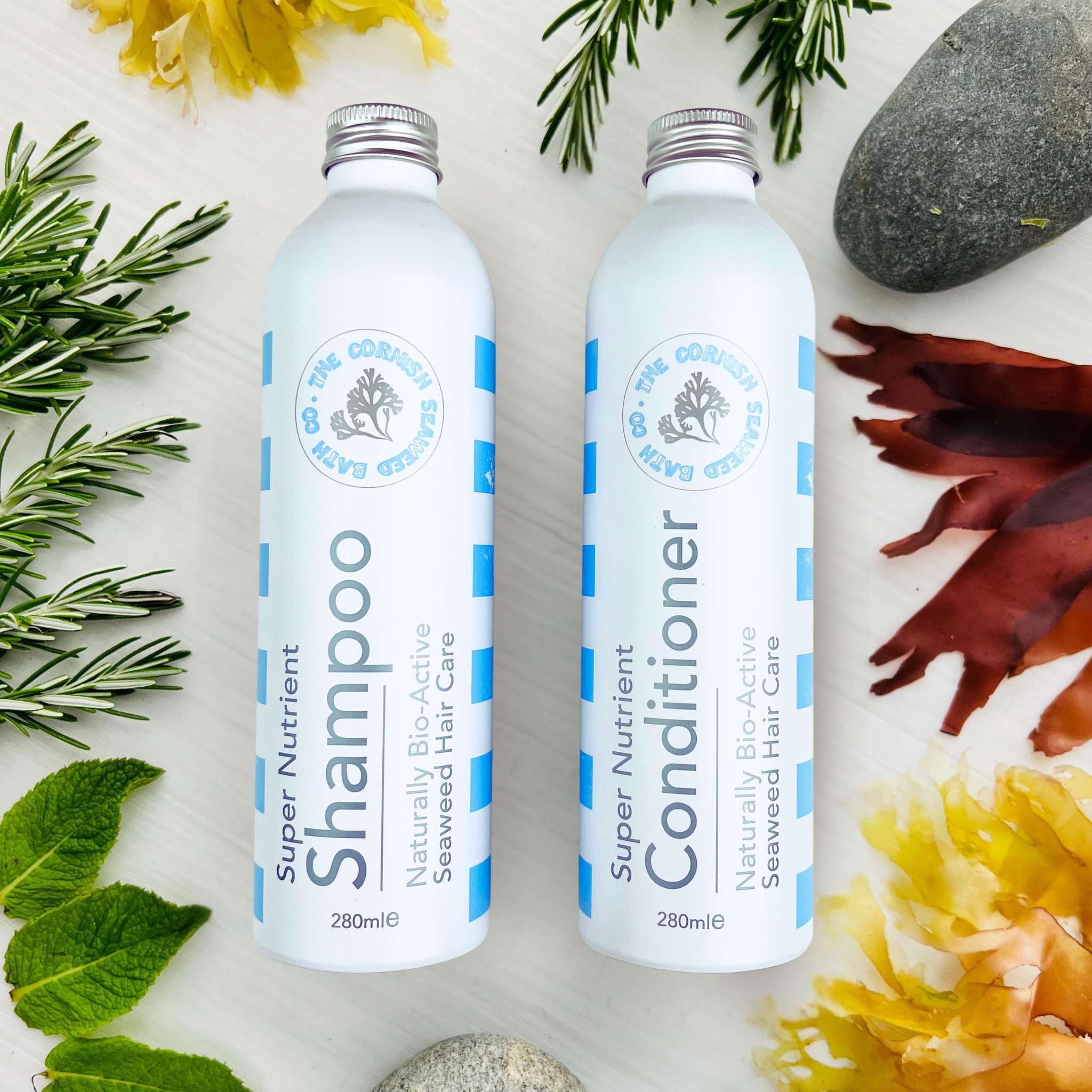
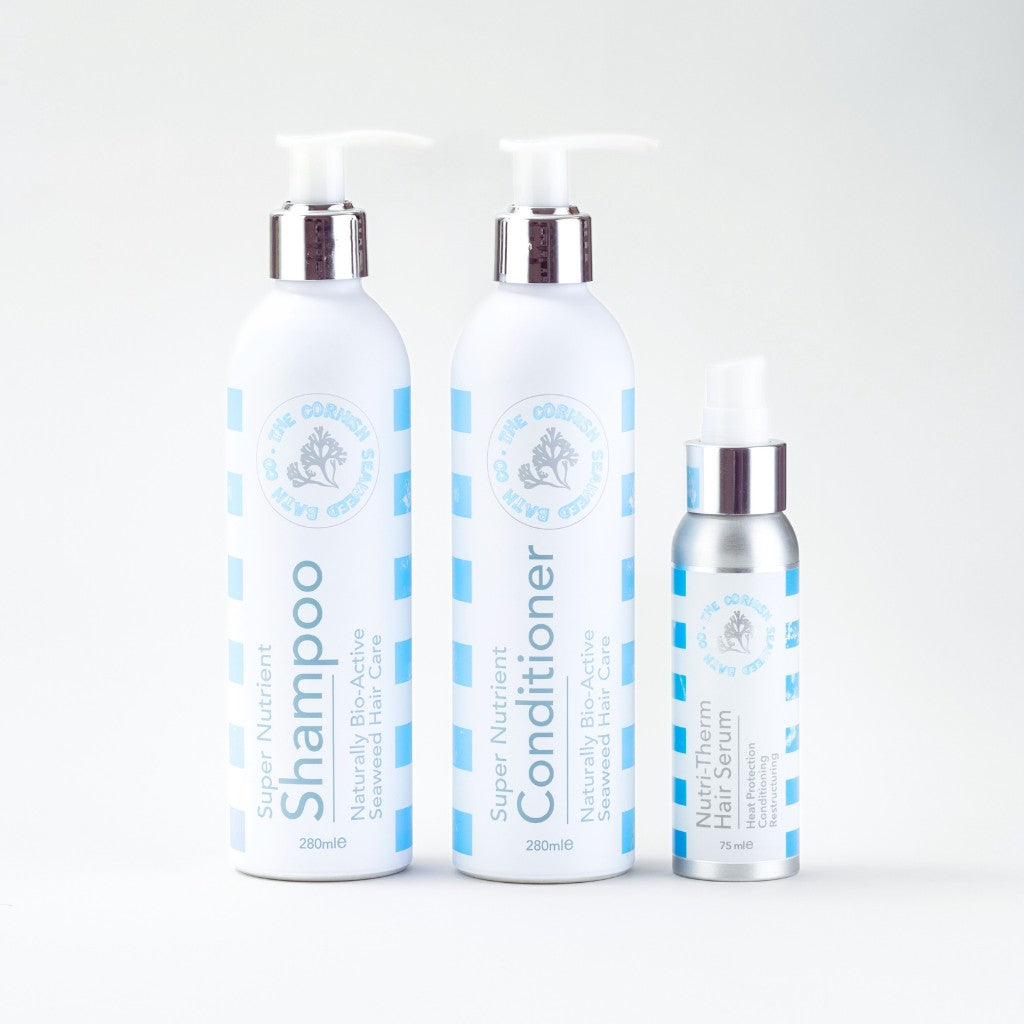
Our Super Nutrient Conditioner contains seaweed, angelica sinensis, and argan oil, providing the mineral support and hydration that chemically treated hair requires whilst complementing any purple shampoo routine with its scalp-friendly botanical blend.
Additional Support: Scalp and Hair Oils
Weekly scalp treatments with nourishing oils can support overall hair health between purple shampoo applications. Apply a small amount of oil to the scalp and massage gently, focusing on areas that feel dry or tight. Light application to the ends provides extra nourishment without interfering with your toning routine.
If you want to learn more about the importance of proper shampooing technique, check out our post on shampooing for healthy hair.
Avoiding Product Conflicts
Clarifying shampoos should be used sparingly, if at all, when maintaining a purple shampoo routine, as they can strip both unwanted deposits and beneficial toning pigments. Heat protectants and styling products work harmoniously with purple shampoo when applied to clean, conditioned hair, supporting your styling goals without compromising colour maintenance.
Natural Purple Shampoo Alternatives: A Gentler Path
While traditional purple shampoo serves its purpose, those seeking a more natural approach to hair care might consider alternatives that support overall hair health alongside gentle cleansing. Our approach focuses on botanical ingredients that nourish whilst maintaining the integrity of blonde and lightened hair.
| Approach | Primary Focus | Key Ingredients | Best For |
|---|---|---|---|
| Traditional Purple Shampoo | Colour correction | Violet pigments, sulphates | Immediate brass neutralisation |
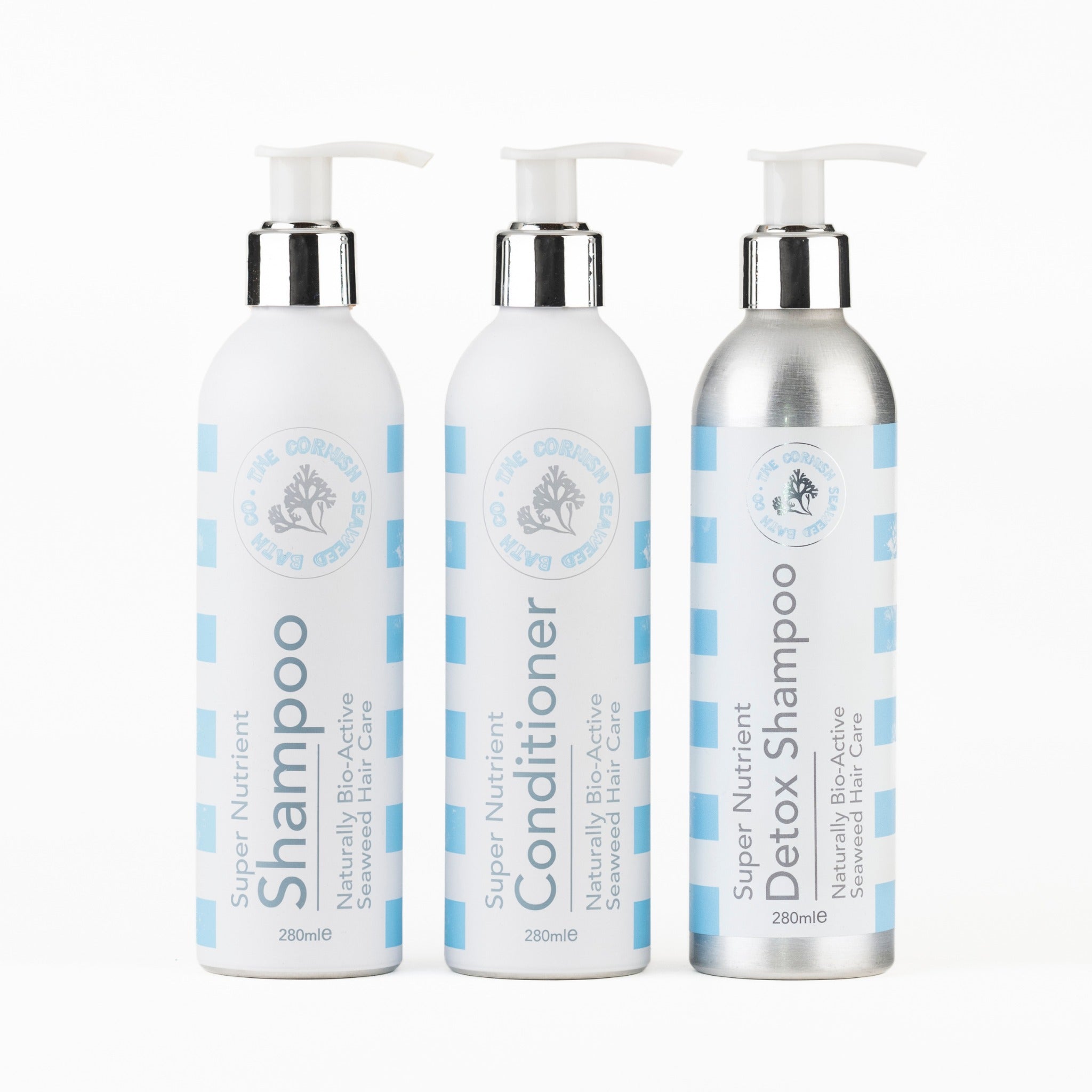
| Our Super Nutrient Detox Shampoo | Gentle cleansing + nourishment | Seaweed, frankincense, oat kernel oil | Sensitive scalps, natural hair care |
| Our Super Nutrient Shampoo | Daily nourishment | Seaweed, angelica sinensis, argan oil | Regular maintenance, all hair types |
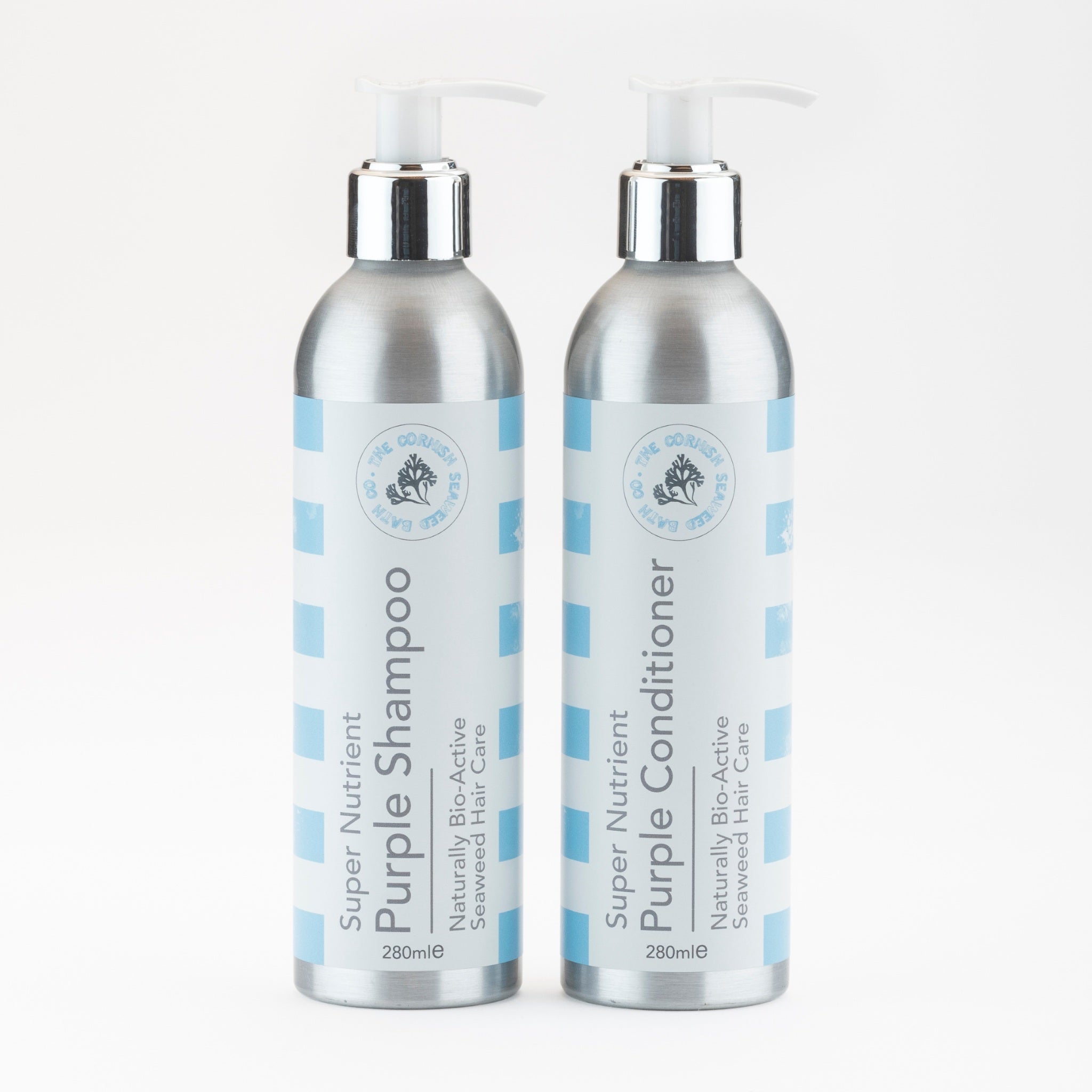
| Our Super Nutrient Purple Shampoo | Nourishment for blonde, silver, grey and lightened hair | Blue Seaweed, Radish extract and Cape Jasmine Fruit. | Those looking to maintain blonde, silver or grey hair with a kinder, more natural purple shampoo |
Our Super Nutrient Range: Botanical Hair Support
Our Super Nutrient Detox Shampoo offers stronger, natural cleansers compared to our regular Super Nutrient Shampoo, making it suitable for those who want thorough cleansing without harsh sulphates. Both formulations contain seaweed (Fucus Serratus), which provides naturally occurring minerals that support scalp health and hair vitality.
The inclusion of frankincense, tuber fleeceflower, and angelica sinensis creates a nourishing foundation that supports hair strength, whilst oat kernel oil helps maintain softness and manageability.
For those who experience dryness after using purple shampoo, our article on dryness shampoo offers practical solutions for restoring moisture and softness.
Frequently Asked Questions
How does purple shampoo neutralize yellow and brassy tones in blonde, silver, and grey hair?
Purple shampoo contains violet pigments that counteract yellow and brassy hues based on colour theory, where violet sits opposite yellow on the colour wheel. When applied, these pigments gently mask warm undertones, helping to maintain a cooler, more natural hair colour.
Who benefits most from using purple shampoo, natural blondes, colour-treated blondes, or those with platinum and grey hair?
Colour-treated blondes and those with platinum, silver, or grey hair benefit most from purple shampoo, as these hair types are more prone to showing yellow and brassy tones. Natural blondes may find purple shampoo less essential since their hair retains more natural pigment and cuticle integrity.
What is the recommended frequency and method for using purple shampoo to avoid unwanted violet or grey tones?
Use purple shampoo once or twice weekly, leaving it on for 3–5 minutes to tone gently without drying the hair. Adjusting contact time helps avoid an unwanted violet or grey cast, ensuring the right balance for your hair’s brassiness level.
Besides toning, what additional benefits does purple shampoo provide for hair and scalp health?
Beyond toning, purple shampoos often include nourishing ingredients that support scalp health and hair strength. These formulations can refresh and calm the scalp while maintaining the hair’s condition without harsh sulphates or drying agents.
A picture tells a thousand words: out of necessity, some images in this blog post have been created using artificial intelligence models. This is to help us bring to life & more comprehensively express the written content within this post. We only using artificially generated images when we don’t have a suitable image available to us.