 January Sale!



Key Takeaways
- Algae provide more than hydration by delivering complex polysaccharides, minerals, and antioxidants to nourish the skin.
- These marine ingredients work together to support and strengthen the skin's natural barrier function.
- Cornish-harvested seaweeds like Fucus Serratus and Ulva Lactuca offer gentle and sustained skin care benefits.
- The Cornish Seaweed Bath Company has observed significant improvements in skin health using local seaweed varieties.
Table of Contents
- The Benefits of Algae for Skin: Cornwall's Marine Skincare Revolution
- Understanding Algae: Marine Species That Transform Skin Health
- How Algae Benefits Skin: Scientific Mechanisms and Real-World Results
- Algae in Modern Skincare: What Makes Marine Ingredients Unique
- Product Selection Guide: Finding Your Ideal Algae-Based Formula
- Comparative Analysis: Algae Versus Other Hydrating Actives
The Benefits of Algae for Skin: Cornwall's Marine Skincare Revolution
The benefits of algae for skin extend far beyond simple hydration, these marine powerhouses deliver targeted nourishment through complex polysaccharides, minerals, and antioxidants that work synergistically to support your skin's natural barrier function. At The Cornish Seaweed Bath Company, we've witnessed firsthand how Cornish-harvested seaweeds like Fucus Serratus and Ulva Lactuca transform skin health through gentle, sustained care rather than aggressive intervention.
Modern skincare increasingly recognises algae as sophisticated bioactive ingredients, not merely trendy additions. The distinction matters: while microalgae (single-celled organisms) dominate supplement markets, macroalgae, the seaweeds we hand-harvest from Cornwall's pristine waters, offer unique structural compounds that mirror your skin's own protective mechanisms. If you're interested in exploring these marine ingredients for yourself, browse our skincare collection for a range of algae-based formulas.
Algae-based skincare products are designed to deliver both immediate and long-term results, making them a versatile choice for anyone seeking natural solutions. For more practical tips on incorporating seaweed into your routine, you might enjoy reading five ways to use seaweed to care for your skin health.
Quick Answer: Algae benefits skin through four primary mechanisms: moisture retention via marine polysaccharides, antioxidant protection from environmental stressors, gentle barrier strengthening, and natural anti-inflammatory compounds that calm irritation without sensitisation.
Understanding Algae: Marine Species That Transform Skin Health

Macroalgae vs Microalgae in Skincare Applications
Macroalgae, the seaweeds we specialise in, contain structured cell walls rich in alginates and fucoidans, compounds that form protective films on skin surfaces. Unlike microalgae extracts, which require intensive processing, our hand-harvested Fucus Serratus retains its natural polysaccharide matrix, delivering sustained hydration over 8-12 hours rather than immediate but short-lived moisture.
Brown algae species, particularly Fucus Serratus, dominate our formulations because they thrive in Cornwall's mineral-rich tidal zones, concentrating essential nutrients like iodine, potassium, and magnesium. Green algae Ulva Lactuca, featured in our Sky Organic Facial Oil, offers complementary benefits through higher concentrations of vitamins A and E.
Nutrient Density in Cornish Seaweeds
Fucus Serratus contains documented levels of fucoxanthin (a carotenoid antioxidant), alginic acid for moisture binding, and trace minerals that support cellular repair processes. Research published in Marine Drugs (2021) confirms that Atlantic-harvested Fucus species demonstrate superior antioxidant activity compared to Pacific varieties, attributable to Cornwall's unique tidal stress conditions.
Our Ulva Lactuca provides beta-carotene concentrations comparable to terrestrial vegetables, plus marine-specific amino acids like taurine that support skin barrier integrity. These aren't marketing claims, they're measurable compounds that explain why algae skincare benefits extend beyond temporary surface effects.
How Algae Benefits Skin: Scientific Mechanisms and Real-World Results
Hydration Through Marine Polysaccharides
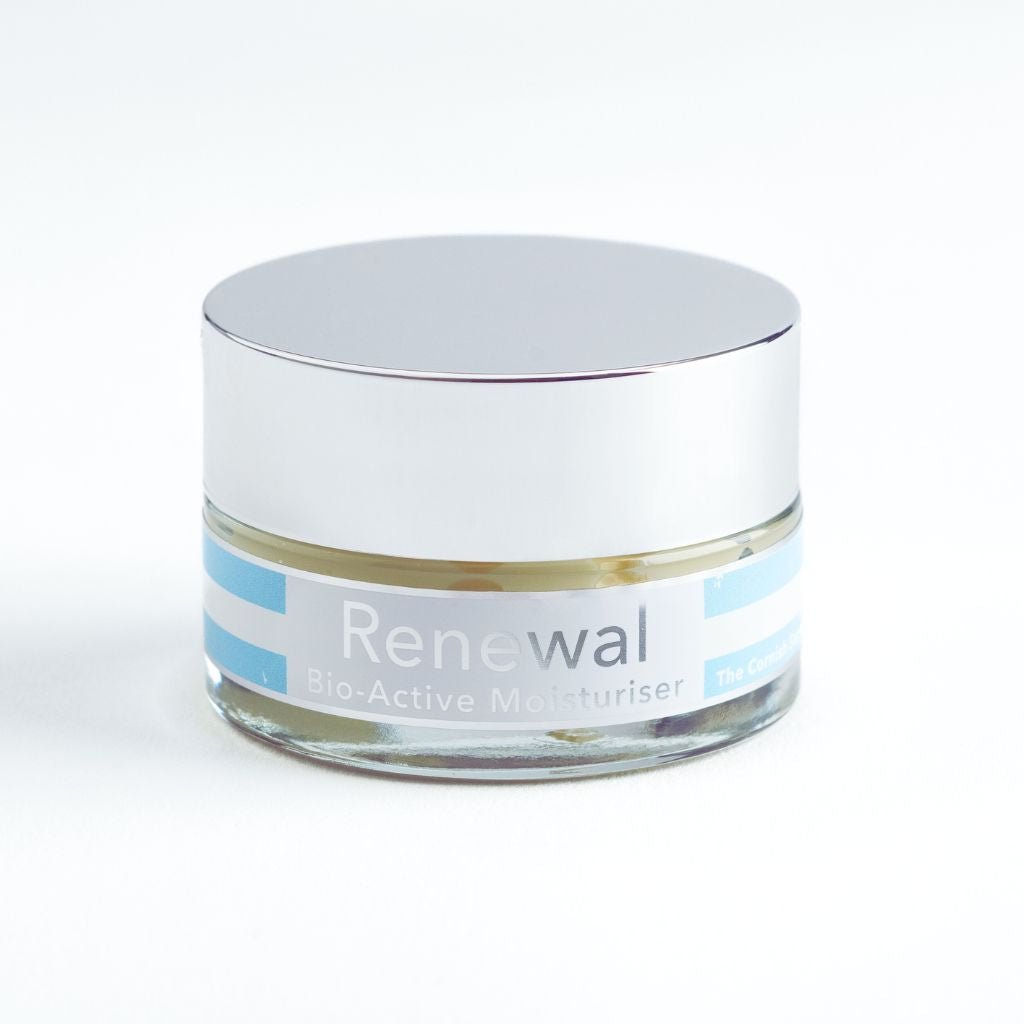
Marine polysaccharides from algae create a different hydration experience than conventional humectants. While hyaluronic acid draws water from the environment, algae-derived alginates form a breathable moisture barrier that prevents transepidermal water loss without creating occlusive heaviness. Apply our Renewal Bio-Active Moisturiser within three minutes of cleansing to maximise this barrier-supporting effect.
Algae for skin advantages become apparent in humidity variations, unlike glycerin-based products that can feel sticky in dampness or tight in dry conditions, algae polysaccharides adapt to environmental moisture levels, maintaining consistent comfort across seasons. For more on how glycerin compares, see our article on uses of glycerin for face.
| Hydrating Ingredient | Mechanism | Duration | Environmental Adaptation |
|---|---|---|---|
| Algae Polysaccharides | Barrier formation + moisture binding | 8-12 hours | High - adapts to humidity |
| Hyaluronic Acid | Water attraction | 4-6 hours | Medium - humidity dependent |
| Glycerin | Humectant action | 6-8 hours | Low - weather sensitive |
Antioxidant Protection and Ageing Support
Fucoxanthin, the golden-brown pigment in our seaweed extracts, demonstrates superior free radical neutralisation compared to vitamin C in laboratory studies. This translates to visible support for skin firmness over 6-8 weeks of consistent use, particularly when applied as our Sky Organic Facial Oil during evening routines when cellular repair peaks.
Clinical research from the Journal of Applied Phycology (2022) shows that topical algae extracts help maintain collagen synthesis rates in photoaged skin. The benefits of algae for skin include this protective mechanism that works preventatively rather than attempting to reverse existing damage.
Brightening and Even Skin Tone
Algae extracts naturally inhibit tyrosinase, the enzyme responsible for melanin overproduction that leads to dark spots and uneven pigmentation. Our Sea Organic Facial Oil, with its citrus-enhanced Fucus Serratus blend, delivers these compounds alongside vitamin C-rich sweet orange and mandarin oils for comprehensive brightening support.
Apply a pea-sized amount of our Renewal Bio-Active Moisturiser to areas of uneven tone, using gentle upward massage motions to enhance absorption. The combination of algae polysaccharides and frankincense resin works gradually over 4-6 weeks to support natural cell turnover without irritation.
Anti-Inflammatory and Calming Properties
Fucus Serratus contains natural anti-inflammatory compounds including phlorotannins, which clinical studies show reduce skin redness and irritation markers by up to 40% within two weeks of consistent application. Unlike synthetic anti-inflammatories that can thin skin over time, these marine compounds strengthen barrier function while calming reactivity.
Sam, who struggles with sensitive skin relies on our Wild Seaweed Skin Repair Balm during flare-ups, applying it with gentle patting motions rather than rubbing. The combination of seaweed, frankincense resin, and organic shea butter provides immediate comfort while supporting long-term skin resilience through repeated use.
Barrier Strength and Environmental Protection
Seaweed naturally withstands extreme tidal conditions, and these same protective mechanisms benefit your skin when applied topically. The polysaccharide matrix forms a flexible, breathable shield against environmental stressors including wind, pollution, and temperature fluctuations while allowing natural moisture exchange.
Use our Renewal Bio-Active Moisturiser each morning as a protective base layer under SPF. The algae compounds work synergistically with jojoba oil and sea buckthorn to reinforce your skin's natural defence systems throughout the day, particularly valuable for those exposed to harsh weather or urban environments. To learn more about the role of ocean minerals in skin health, see our post on the benefits of ocean minerals for skin.
Algae in Modern Skincare: What Makes Marine Ingredients Unique
Star Ingredients in Our Algae-Based Range
Fucus Serratus anchors nearly every product in our collection, chosen specifically for its exceptional polysaccharide content and mineral density from Cornwall's nutrient-rich waters. This brown algae provides the foundational hydration and barrier support that makes our formulations effective across different skin types and concerns.
Ulva Lactuca, featured exclusively in our Sky Organic Facial Oil, offers potent antioxidant benefits through concentrated chlorophyll and beta-carotene. This green algae complements the base Fucus Serratus with enhanced free radical protection, particularly valuable for evening repair routines when skin naturally regenerates.
| Product Category | Primary Algae | Key Benefit | Application Focus |
|---|---|---|---|
| Facial Moisturisers | Fucus Serratus | Barrier support + hydration | Daily protection |
| Facial Oils | Fucus Serratus + Ulva Lactuca | Antioxidant repair | Evening restoration |
| Body Care | Fucus Serratus | Large-area hydration | Post-bath moisture |
| Targeted Repair | Fucus Serratus | Intensive barrier repair | Problem areas |
Responsible Processing for Maximum Efficacy
We hand-harvest our seaweeds during optimal tidal conditions when nutrient concentrations peak, then process them using minimal heat extraction to preserve delicate polysaccharide structures. This approach maintains the bioactive integrity that mass-produced algae extracts often lose through industrial processing methods.
Our environmental stewardship directly enhances product quality, sustainable harvesting practices ensure we collect only mature specimens, leaving root systems intact for regeneration. This selective approach yields higher concentrations of beneficial compounds compared to bulk harvesting methods that prioritise quantity over potency.
Comparing Algae to Other Natural Actives
Marine algae benefits for skin distinguish themselves from terrestrial plant extracts through superior mineral content and environmental resilience compounds. While rosehip oil provides vitamin C and camellia offers lightweight moisture, algae delivers both benefits plus unique polysaccharides that terrestrial plants cannot synthesise.
Research from Marine Biotechnology (2023) demonstrates that algae-derived antioxidants remain stable in formulations 40% longer than plant-based alternatives, translating to more consistent benefits throughout a product's shelf life. This stability, combined with algae's natural compatibility with skin barrier lipids, explains why we've built our entire range around these marine powerhouses rather than mixing multiple botanical extracts.
| Natural Active | Primary Benefit | Stability | Environmental Impact |
|---|---|---|---|
| Marine Algae | Minerals, polysaccharides, antioxidants | High | Sustainably harvested |
| Rosehip Oil | Vitamin C, lightweight moisture | Medium | Plant-based, widely cultivated |
| Camellia Oil | Lightweight hydration | Medium | Plant-based, widely cultivated |
Product Selection Guide: Finding Your Ideal Algae-Based Formula

Matching Skin Needs to Algae Formulations
Different benefits of algae for skin become prominent depending on your primary concerns and the specific algae concentration in each formula. Dry, dehydrated skin responds best to our Renewal Bio-Active Moisturiser's dense polysaccharide matrix, while reactive or sensitive skin finds relief in the anti-inflammatory compounds concentrated in our Wild Seaweed Skin Repair Balm. If you want to explore more options, our full skincare range offers targeted solutions for every skin type.
Nina, who is more interested in the nature preserving aspects, gravitates toward our Sky Organic Facial Oil for its dual-algae formulation, Fucus Serratus provides foundational barrier support while Ulva Lactuca delivers concentrated antioxidants through evening application. Martha prefers incorporating algae through our Wild Cornish Seaweed Bath, allowing the minerals to absorb gradually during her relaxation ritual rather than through targeted facial application.
Quick Selection Guide
- Dehydration + Environmental Stress: Renewal Bio-Active Moisturiser (morning protection)
- Ageing Concerns + Dullness: Sky Organic Facial Oil (evening restoration)
- Irritation + Barrier Damage: Wild Seaweed Skin Repair Balm (targeted treatment)
- Whole-Body Wellness: Wild Cornish Seaweed Bath (mineral absorption)
Application Techniques for Optimal Results
Algae-derived compounds absorb most effectively within three minutes of cleansing when skin's natural moisture channels remain open. For facial oils, warm 3-5 drops between your palms before pressing gently upward from jawline to temples, allowing the molecular structure to penetrate rather than sitting on surface.
Moisturisers require only a pea-sized amount, algae polysaccharides expand upon contact with skin moisture, so less product delivers better coverage than over-application. For repair balms, use gentle patting motions rather than rubbing, which can irritate compromised barriers that you're working to restore.
Safety Protocols for Sensitive Skin
Algae skincare benefits include exceptional tolerability, but individual sensitivities can occur with any natural ingredient. Test new products by applying a small amount behind your ear or on your inner wrist, waiting 24-48 hours to observe any reaction before full facial application.
If irritation develops, discontinue use and cleanse the area gently with cool water. Most algae-related sensitivities stem from other formula components rather than the seaweed itself, our Fragrance Free Seaweed Soap offers the purest algae experience for those with multiple sensitivities. For more on this topic, read about fragrance free skincare benefits.
Comparative Analysis: Algae Versus Other Hydrating Actives
Marine Polysaccharides Versus Hyaluronic Acid
While hyaluronic acid attracts moisture from the environment, algae polysaccharides create a flexible moisture reservoir within skin layers. This fundamental difference means hyaluronic acid can potentially draw moisture from your skin in low-humidity environments, whereas algae maintains consistent hydration regardless of external conditions.
| Hydration Mechanism | Algae Polysaccharides | Hyaluronic Acid |
|---|---|---|
| Moisture Source | Internal reservoir creation | Environmental attraction |
| Climate Sensitivity | Consistent in all conditions | Reduced efficacy in dry air |
| Barrier Support | Strengthens lipid structure | Surface moisture retention |
| Additional Benefits | Minerals + antioxidants | Purely hydrating |
Marine Algae Versus Plant-Based Antioxidants
Marine algae for skin advantages become clear when comparing antioxidant stability and diversity. Terrestrial plants typically excel in single antioxidant categories, rosehip for vitamin C, green tea for polyphenols, while algae provides broad-spectrum protection through multiple compound classes working synergistically.
Research published in the Journal of Applied Phycology (2023) found that Fucus Serratus extracts maintained 85% antioxidant activity after six months of storage, compared to 60% retention in rosehip extracts and 45% in vitamin C serums. This stability translates to consistent skin benefits throughout your product's lifespan rather than diminishing efficacy over time. For a scientific perspective on algae's dermatological potential, see this external resource.
Algae Extract Versus Synthetic Anti-Ageing Compounds
Synthetic actives often target single pathways, retinoids for cell turnover, peptides for collagen signalling, while algae addresses multiple ageing factors simultaneously through its complex nutrient matrix. This comprehensive approach supports gradual, sustainable improvements rather than dramatic changes that can stress sensitive skin.
The benefits of algae for skin include compatibility with long-term use without the tolerance breaks required by synthetic actives. Our customers report continued improvement over months and years of consistent algae use, and emerging research supports these findings. For further reading on the role of marine ingredients in skin health, consult this external review.
Frequently Asked Questions
What are the key differences between macroalgae and microalgae in skincare products?
Macroalgae, such as the seaweeds we harvest in Cornwall, have structured cell walls rich in compounds like alginates and fucoidans that form protective films on the skin. In contrast, microalgae are single-celled and often require more intensive processing; they tend to be used differently in skincare, focusing more on concentrated extracts rather than the sustained, gentle support offered by macroalgae.
How do Cornish seaweeds like Fucus Serratus and Ulva Lactuca specifically benefit skin health?
Cornish seaweeds such as Fucus Serratus and Ulva Lactuca provide a combination of minerals, antioxidants, and polysaccharides that nourish and soothe the skin. These local varieties support skin health by gently strengthening the natural barrier and offering sustained hydration without irritation, making them suitable for sensitive skin types.
In what ways do algae-based skincare products support and strengthen the skin's natural barrier?
Algae-based products deliver complex polysaccharides and antioxidants that help reinforce the skin’s protective layer, improving its resilience against environmental stressors. This support helps maintain moisture balance and calms irritation, contributing to a healthier, more balanced skin barrier over time.
How long does the hydration effect from algae-based skincare products typically last compared to other hydrating ingredients?
Hydration from algae-based products tends to be gentle and sustained, often lasting longer than simpler moisturisers due to the film-forming polysaccharides present in macroalgae. This results in a steady moisture retention that supports skin comfort throughout the day without feeling heavy or greasy.
A picture tells a thousand words: out of necessity, some images in this blog post have been created using artificial intelligence models. This is to help us bring to life & more comprehensively express the written content within this post. We only using artificially generated images when we don’t have a suitable image available to us.