 January Sale!



Key Takeaways
- Seaweed for skincare is harvested from pristine coastal sites where species like Fucus Serratus grow.
- Harvesters hand-cut the seaweed fronds above the holdfast during optimal tidal windows.
- The root systems are left intact to allow for natural regeneration of the seaweed.
- The seaweed is immediately rinsed and sorted after harvesting.
- It is preserved through controlled drying before being used in skincare formulations.
Table of Contents
- The Role of Seaweed in Skincare: Why and What We Harvest
- How Seaweed is Sustainably Harvested for Skincare
- Wild Harvesting vs. Seaweed Aquaculture: Comparative Approaches
- Processing Seaweed for Skincare Use
- Environmental and Ethical Considerations in Harvesting
- Bringing It Home: Our Cornwall-Based Seaweed Harvesting in Practice
- Identifying Quality in Seaweed Harvesting Practices
- Future Considerations in Seaweed Sourcing
How Is Seaweed Harvested For Skincare Products?
The Role of Seaweed in Skincare: Why and What We Harvest
Seaweed contains naturally occurring minerals, vitamins, and polysaccharides that support skin barrier function and provide gentle nourishment. These bioactive compounds, including iodine, potassium, and antioxidant-rich polyphenols, work synergistically to soothe sensitivity and maintain skin resilience. The concentration of these beneficial elements varies significantly between species and harvesting conditions.
Fucus Serratus, commonly found along Cornwall's coastline, exemplifies optimal skincare seaweed with its balanced mineral profile and gentle action on skin. We select this species for our formulations because its nutrient density remains stable through sustainable harvesting practices. The timing of harvest directly affects bioactive potency, making species selection and collection methods crucial for skincare efficacy.
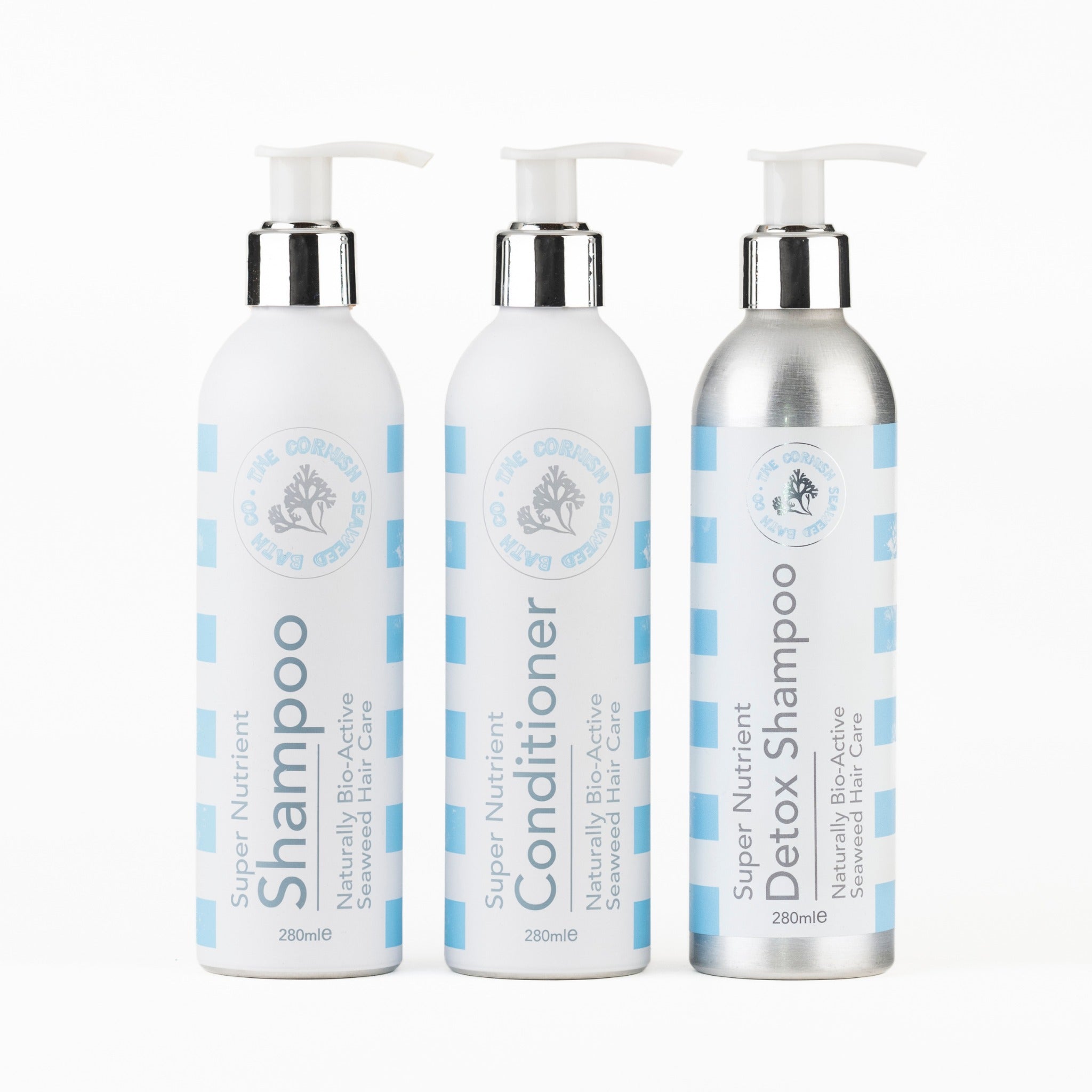
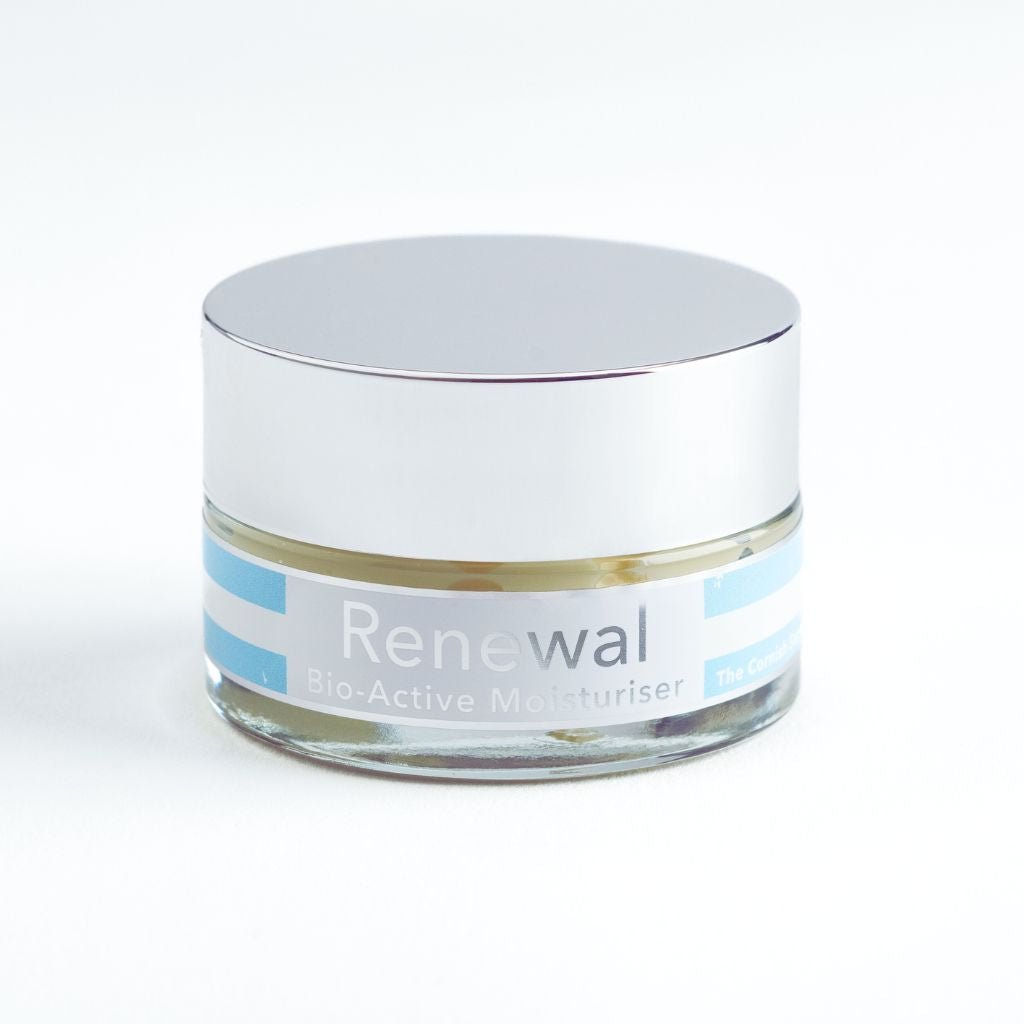
Key Insight: In our Renewal Bio-Active Moisturiser and Super Nutrient Shampoo, we use Fucus Serratus harvested during peak growth periods when mineral content reaches optimal levels for skin and scalp nourishment.
Quality seaweed harvesting for cosmetics requires understanding which compounds benefit skin health and when these elements are most concentrated. Brands that detail their harvest timings and species selection demonstrate commitment to ingredient efficacy rather than simply including seaweed as a marketing element.
For those with delicate complexions, our Sensitive Skin range is formulated to deliver the gentle nourishment of seaweed while supporting skin barrier function.
How Seaweed is Sustainably Harvested for Skincare

Site selection begins with identifying unpolluted coastal waters regularly tested for contaminants and low industrial runoff. Harvesters time collection during spring tides when seaweed beds are most accessible, following local regulatory frameworks that protect marine ecosystems. The optimal harvesting window often coincides with peak growth periods when bioactive compounds are most concentrated.
Hand-cutting with sharp knives or scissors above the holdfast preserves root systems essential for regeneration. Experienced harvesters cut fronds at least 15cm above the base, leaving approximately two-thirds of each seaweed bed untouched. Daily quotas limit collection to sustainable levels, ensuring continued growth and habitat preservation for marine life.
Immediate post-harvest handling involves washing with clean freshwater to remove sand, debris, and salt residue that could compromise extract quality. Careful sorting removes damaged fronds whilst preserving intact specimens with optimal nutrient density. Proper handling maintains the integrity of delicate cell structures containing beneficial compounds. If you’re interested in gentle cleansing options, explore our insights on what is cleanser for face and how seaweed can play a role.
| Harvesting Stage | Sustainable Practice | Quality Impact |
|---|---|---|
| Site Selection | Pollution-free waters, regular testing | Ensures purity of bioactive compounds |
| Collection Method | Hand-cutting above holdfast | Preserves delicate cell structures |
| Timing | Peak growth periods, tidal windows | Maximises nutrient concentration |
| Volume Limits | One-third maximum per site | Maintains consistent supply quality |
Our Cornwall-based harvesting follows Marine Management guidelines, with team members trained in regenerative collection techniques. This approach ensures both the long-term viability of seaweed beds and the consistent quality of extracts used in our skincare formulations.
To learn more about the science and sustainability of seaweed harvesting, see this comprehensive overview of seaweed harvesting.
Wild Harvesting vs. Seaweed Aquaculture: Comparative Approaches
Wild harvesting relies on natural growth cycles and environmental conditions, requiring careful management to prevent overharvesting. This traditional approach maintains the full spectrum of minerals and compounds that develop through natural tidal exposure and seasonal variation. However, supply consistency depends on weather patterns and seasonal availability.
Seaweed aquaculture involves controlled cultivation on ropes or frames, often in deeper offshore waters. Farming provides reliable year-round supply and reduces pressure on wild beds, though it requires monitoring for potential ecosystem impacts. The controlled environment may produce seaweed with different nutrient profiles compared to wild specimens exposed to varying tidal conditions.
Wild-harvested Fucus Serratus develops complex mineral profiles through natural exposure to Cornwall's unique coastal environment. We prioritise this approach because the varied growing conditions produce seaweed with optimal bioactive diversity for skincare applications. Our harvesting practices follow strict sustainability protocols reviewed annually to support local marine ecosystems.
For a gentle daily cleanse, consider our natural seaweed soap for sensitive skin, which utilises sustainably harvested seaweed for optimal skin benefits.
Our approach combines the mineral diversity of wild harvesting with systematic sustainability protocols. By working exclusively with hand-selected Cornish sites, we maintain both product quality and ecosystem health through regenerative practices that support long-term marine biodiversity.
Processing Seaweed for Skincare Use
Fresh seaweed undergoes controlled air-drying in humidity-regulated environments within 24-72 hours of harvest, depending on frond thickness and species. Mesh racks ensure even airflow whilst avoiding high direct heat that would compromise bioactive compounds. This preservation method maintains the structural integrity of polysaccharides and minerals essential for skincare benefits.
Dried fronds are ground to specific particle sizes suitable for different extraction methods and final product applications. Gentle, solvent-free extraction techniques, including cold-press and water extraction, preserve temperature-sensitive compounds whilst creating concentrated extracts. These methods maintain the full spectrum of beneficial elements that make seaweed valuable for skincare formulations.
Quality assurance involves laboratory testing for heavy metals, microbiological contaminants, and bioactive compound concentration. Each batch meets European regulatory thresholds before integration into carrier oils like the sunflower oil used in our Renewal Bio-Active Moisturiser. This systematic approach ensures consistent potency and safety across all seaweed-containing products.
Processing Timeline: From fresh harvest to finished extract typically requires 5-7 days: immediate washing and sorting (day 1), controlled drying (days 2-4), grinding and extraction (days 5-6), quality testing and approval (day 7).
The extraction process determines how effectively seaweed's beneficial compounds integrate with other skincare ingredients. Brands that detail their processing methods demonstrate transparency about ingredient quality and bioactive preservation throughout the manufacturing process.
For those seeking daily hydration, our moisturisers for face article explores how seaweed extracts can support skin health.
Environmental and Ethical Considerations in Harvesting

Regenerative harvesting maintains healthy seaweed populations through rotational collection patterns and continuous habitat monitoring. This approach works with natural growth cycles rather than depleting resources, ensuring sustainable yields whilst preserving marine ecosystems that depend on seaweed beds for shelter and nutrition.
Minimising environmental impact extends beyond harvesting to include on-site sorting, reduced packaging waste, and encouraging mindful product usage. Proper dosage guidance and recyclable packaging further reduce the overall footprint of seaweed skincare products. These practices demonstrate genuine commitment to marine conservation rather than superficial environmental claims.
| Sustainability Practice | Implementation | Environmental Benefit |
|---|---|---|
| Rotational Harvesting | Different sites on 3-year cycles | Prevents bed depletion, maintains biodiversity |
| Wildlife Monitoring | Regular ecosystem health assessments | Protects dependent marine species |
| Local Partnerships | Collaboration with conservation bodies | Supports community-based stewardship |
| Waste Reduction | On-site processing, recyclable packaging | Minimises transport and material waste |
Our compliance with Cornwall Marine Management guidelines and partnership with local conservation organisations ensures harvesting practices support both product quality and long-term marine health. This integrated approach demonstrates how sustainable seaweed sourcing benefits consumers, communities, and coastal ecosystems simultaneously. For a deeper dive into the scientific research on seaweed’s role in skincare, read this peer-reviewed article on seaweed bioactives for skin health.
Bringing It Home: Our Cornwall-Based Seaweed Harvesting in Practice
Early morning tides reveal mature Fucus Serratus beds along Cornwall's protected coastline, where our trained harvesters wade through shallow waters with collection baskets. Each frond is individually assessed for quality before careful cutting above the holdfast, ensuring root systems remain intact for continued growth. The rhythmic sound of waves and salt-tinged air accompany this methodical process that connects ancient coastal traditions with modern skincare science.
Within hours of collection, fresh seaweed begins its transformation through our small-batch processing facility. The same Fucus Serratus that grows in Cornwall's mineral-rich waters becomes the foundation for products like our Renewal Bio-Active Moisturiser and Wild Seaweed Skin Repair Balm. This direct connection from shore to skincare ensures maximum potency whilst supporting local marine ecosystems through responsible harvesting practices.
Understanding how seaweed harvested for skincare reaches your daily routine reveals the care invested in each product. When you experience the gentle nourishment of seaweed-infused formulations, you're connecting with Cornwall's coastal heritage and our commitment to sustainable beauty practices that honour both skin health and marine conservation.
For those seeking targeted solutions, our Sensitive Skin collection brings the benefits of Cornish seaweed directly to your skincare routine.
Identifying Quality in Seaweed Harvesting Practices
Reputable seaweed skincare brands provide transparency about their harvesting locations, methods, and processing timelines. Look for specific details about species selection, harvest timing, and preservation techniques rather than vague sustainability claims. Brands that detail their extraction methods and testing protocols demonstrate genuine commitment to ingredient quality.
Third-party certifications and laboratory testing documentation indicate rigorous quality standards throughout the harvesting and processing chain. Companies that openly discuss their environmental monitoring practices and regulatory compliance provide additional assurance of responsible sourcing methods.
Quality Markers: Detailed harvest location information, specific seaweed species identification, processing method transparency, laboratory testing documentation, and clear regulatory compliance statements indicate superior sourcing practices.
Understanding how seaweed harvested for skincare reaches finished products enables informed purchasing decisions. Brands that invest in sustainable harvesting practices and transparent communication typically deliver superior ingredient quality and environmental responsibility in their skincare formulations.
Future Considerations in Seaweed Sourcing

Emerging technologies in seaweed processing are enhancing bioactive compound extraction whilst reducing environmental impact. Advanced drying techniques and precision extraction methods promise improved ingredient potency without compromising sustainability principles that define responsible seaweed harvesting.
Climate change effects on coastal ecosystems require adaptive harvesting strategies that account for shifting growth patterns and species distribution. Forward-thinking brands are developing flexible sourcing approaches that maintain ingredient quality whilst supporting marine ecosystem resilience through changing environmental conditions.
Increased consumer awareness drives demand for greater transparency in seaweed sourcing practices. This trend encourages brands to provide detailed information about their harvesting methods, environmental impact, and community partnerships, ultimately benefiting both consumers and marine conservation efforts.
The integration of traditional harvesting knowledge with modern sustainability science creates opportunities for improved practices that honour coastal heritage whilst meeting contemporary environmental standards. This evolution demonstrates how seaweed harvested for skincare can support both effective beauty products and marine ecosystem health for future generations.
Frequently Asked Questions
What makes Fucus Serratus an ideal seaweed species for skincare products?
Fucus Serratus is valued for its balanced mineral profile and gentle action on the skin, providing essential nutrients that support skin barrier function and resilience. Its bioactive compounds remain stable through sustainable harvesting, making it well-suited for nourishing skincare formulations.
How does sustainable harvesting ensure the regeneration and preservation of seaweed beds?
Sustainable harvesting involves hand-cutting seaweed fronds above the holdfast, leaving the root system intact to allow natural regrowth. This careful method, combined with adherence to local regulations and timing during optimal tidal windows, helps maintain healthy seaweed populations and coastal ecosystems.
Why is the timing of seaweed harvest important for maximizing its skincare benefits?
Harvesting seaweed during peak growth periods ensures that mineral content and bioactive compounds are at their highest concentration. This timing enhances the seaweed's ability to gently nourish and support the skin, making the resulting skincare products more effective.
What steps are taken immediately after harvesting seaweed to maintain its quality for skincare use?
After harvesting, seaweed is promptly rinsed to remove impurities and carefully sorted to select the best material. It is then preserved through controlled drying, which maintains its nutrient integrity before being incorporated into skincare formulations.
A picture tells a thousand words: out of necessity, some images in this blog post have been created using artificial intelligence models. This is to help us bring to life & more comprehensively express the written content within this post. We only using artificially generated images when we don’t have a suitable image available to us.