 January Sale!



Key Takeaways
- A hair mask is a concentrated, rinse-off treatment that stays on your hair longer than regular conditioners.
- It is typically used for 5–20 minutes, unlike conditioners that are used for 1–3 minutes.
- Hair masks serve as periodic intensive treatments, usually applied weekly or bi-weekly.
- The richer texture and longer application time help coat the hair cuticle, enhancing softness and reducing frizz.
- Using a hair mask results in smoother-feeling hair compared to regular conditioning.
Table of Contents
- Understanding Hair Masks: What They Are and What They Really Do
- Hair Mask vs Conditioner vs Other Treatments – Knowing What You Really Need
- How to Use a Hair Mask Step-by-Step (At Home, Salon-Style)
- Choosing the Right Hair Mask for Your Hair Type and Needs
- Thick, coarse, or very dry hair
- How Often Should You Use a Hair Mask? Finding Your Own Rhythm
- Advanced Techniques: Getting More from Your Hair Mask (Without Overdoing It)
- Common Hair Mask Mistakes – And How to Fix Them
What Is a Hair Mask and How to Use It – A Gentle, Practical Guide
A hair mask is a concentrated, rinse-off treatment designed to sit on your hair longer than everyday conditioners, typically for 5–20 minutes. Unlike your regular conditioner, which you might use for 1–3 minutes every wash, a hair mask works as a periodic intensive treatment, think of it as a weekly or bi-weekly ritual rather than a daily necessity. The richer texture and extended contact time help coat the hair cuticle, supporting softness, reducing visible frizz, and giving your hair a smoother feel.
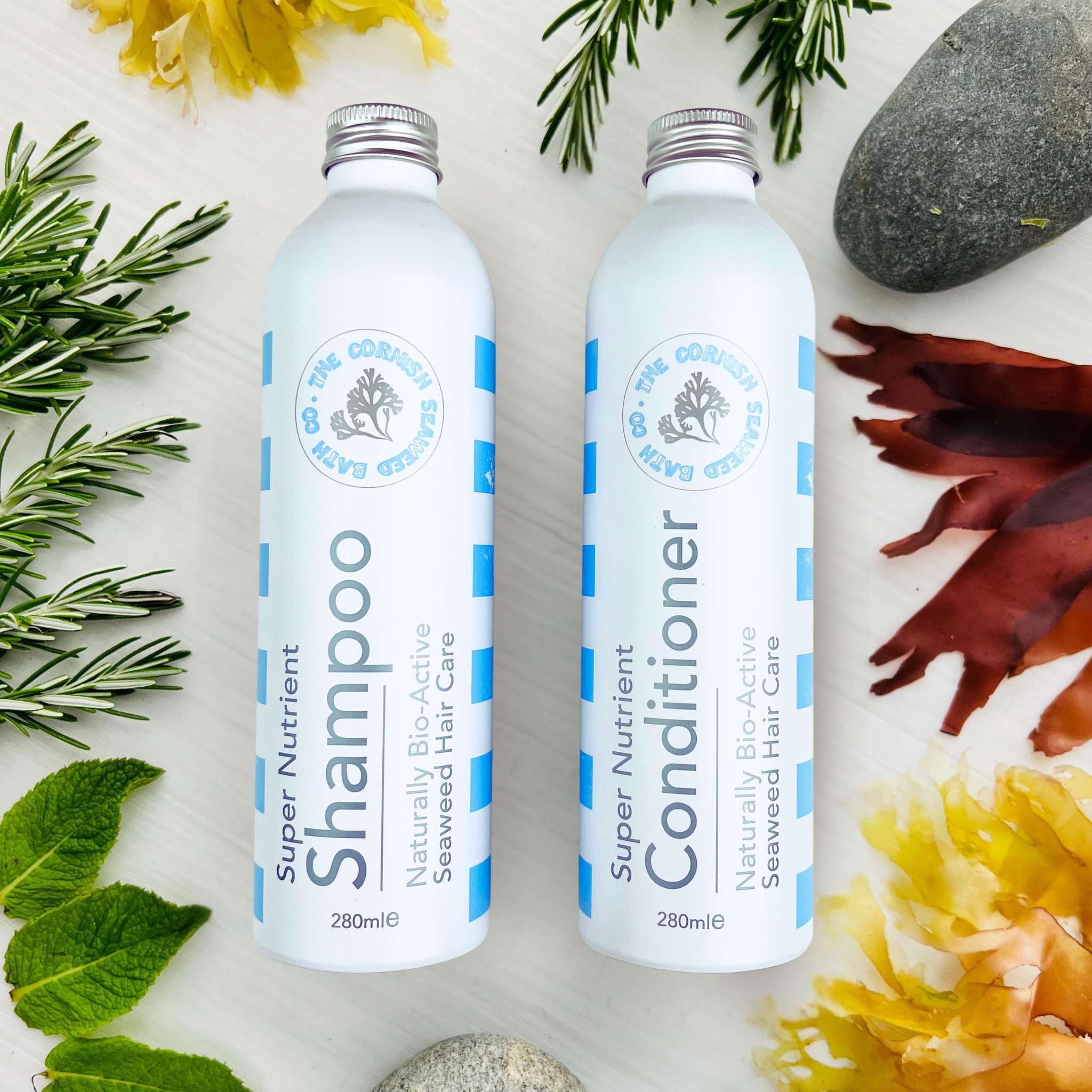
Understanding what a hair mask is and how to use it properly can transform your hair routine from basic maintenance to genuine care. The key lies not in using it daily, but in choosing the right frequency and application technique for your specific hair needs. For those looking to elevate their routine, the 3 for 2 Super Nutrient Haircare Sets offer a convenient way to experience intensive nourishment and repair.
If you’re seeking a comprehensive approach to hair health, you might also benefit from reading about a complete hair restoration and care set that can complement your masking ritual.
Understanding Hair Masks: What They Are and What They Really Do
A hair mask is a concentrated treatment applied after shampooing, left on for 5–20 minutes, then rinsed out. It helps support softness and shine through extended contact time with nourishing ingredients.
What is a hair mask?
A hair mask is essentially a concentrated version of conditioner, formulated to deliver more intensive care through extended contact time. Where regular conditioners work quickly to detangle and smooth, masks contain richer concentrations of nourishing ingredients that need time to coat the hair cuticle properly. You apply them between shampooing and your final rinse, typically once or twice weekly rather than with every wash.
How a hair mask works along the hair shaft
Your hair has an outer layer called the cuticle, imagine overlapping scales that can lift when damaged or dry. A hair mask's richer texture helps smooth these scales back down, creating a sleeker surface that reflects light better and feels softer to touch. The extended 5–20 minute contact time allows ingredients to penetrate more thoroughly than a quick conditioner rinse, supporting the hair's natural protective barrier.
Key benefits you can realistically expect
Hair masks excel at addressing specific concerns through concentrated care. You'll notice improved hydration for hair that feels dry or coarse, with smoother texture and reduced visible frizz. They particularly support hair that feels fragile from everyday brushing, heat styling, or environmental exposure. For scalp-safe formulations, masks can also provide comfort to dry or tight-feeling scalp areas. Expect to see fewer tangles after a 10-minute weekly mask, and hair that holds styles better with less flyaway disruption.
Hair Mask vs Conditioner vs Other Treatments – Knowing What You Really Need

Hair mask vs regular conditioner
Regular conditioners work as everyday detanglers with lighter formulations designed for 1–3 minute contact time. They smooth the hair surface just enough for easy combing and basic softness. Hair masks, by contrast, offer concentrated nourishment through richer textures and 5–20 minute application times. Choose conditioner for busy weekday maintenance and masks for deliberate weekend self-care when you have time for extended treatment.
Hair mask vs hair & scalp oil
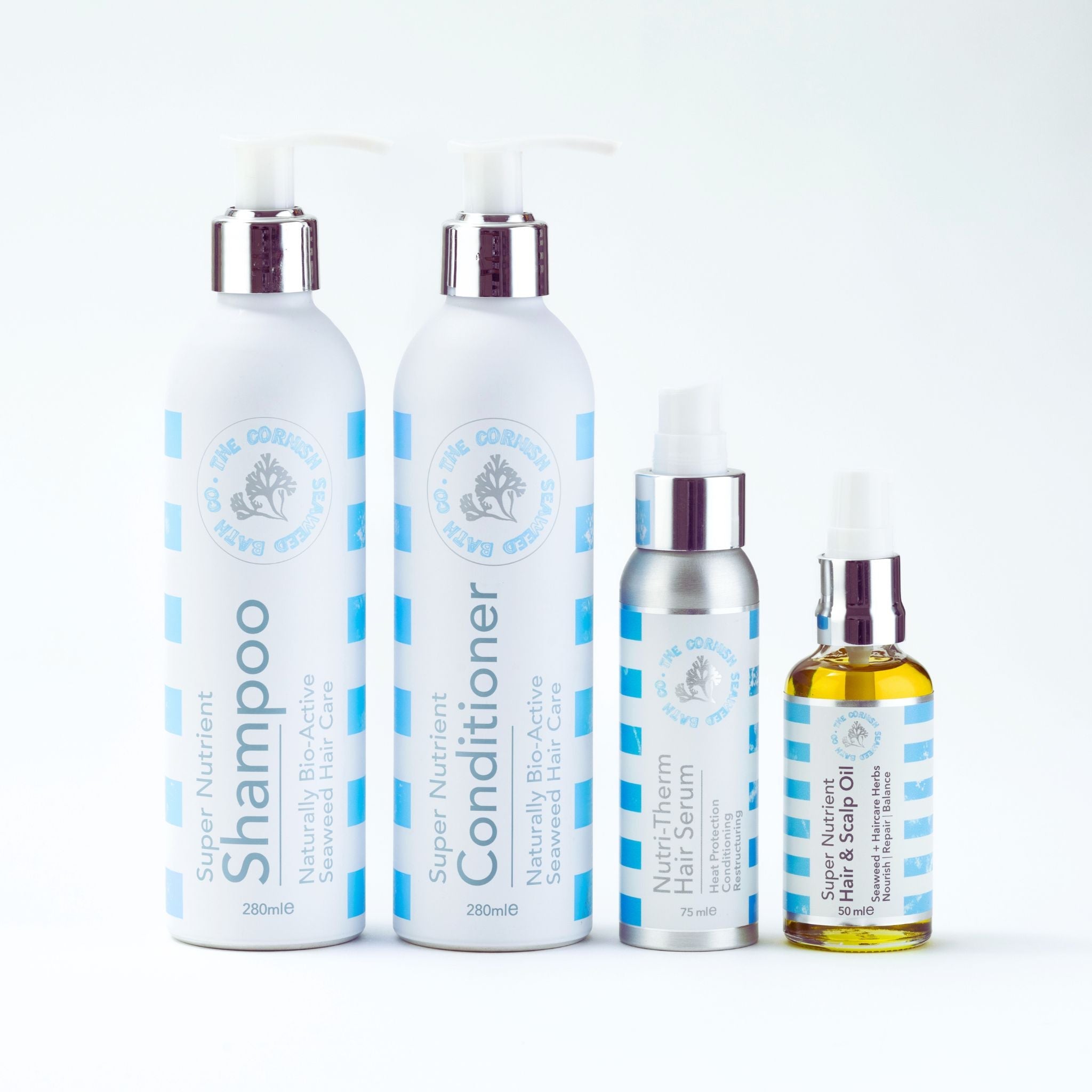
Leave-on oils like our Super Nutrient Hair & Scalp Oil provide ongoing protection and scalp comfort between washes, adding slip and shine without rinsing. Hair masks focus on short, intensive contact followed by complete removal. You might use a pre-wash oil massage on Sunday evening, then follow with a weekly mask after shampooing for complementary care that addresses different needs. For more on the advantages of oils, see these hair and scalp oil benefits.
Hair mask vs hair serum and styling treatments
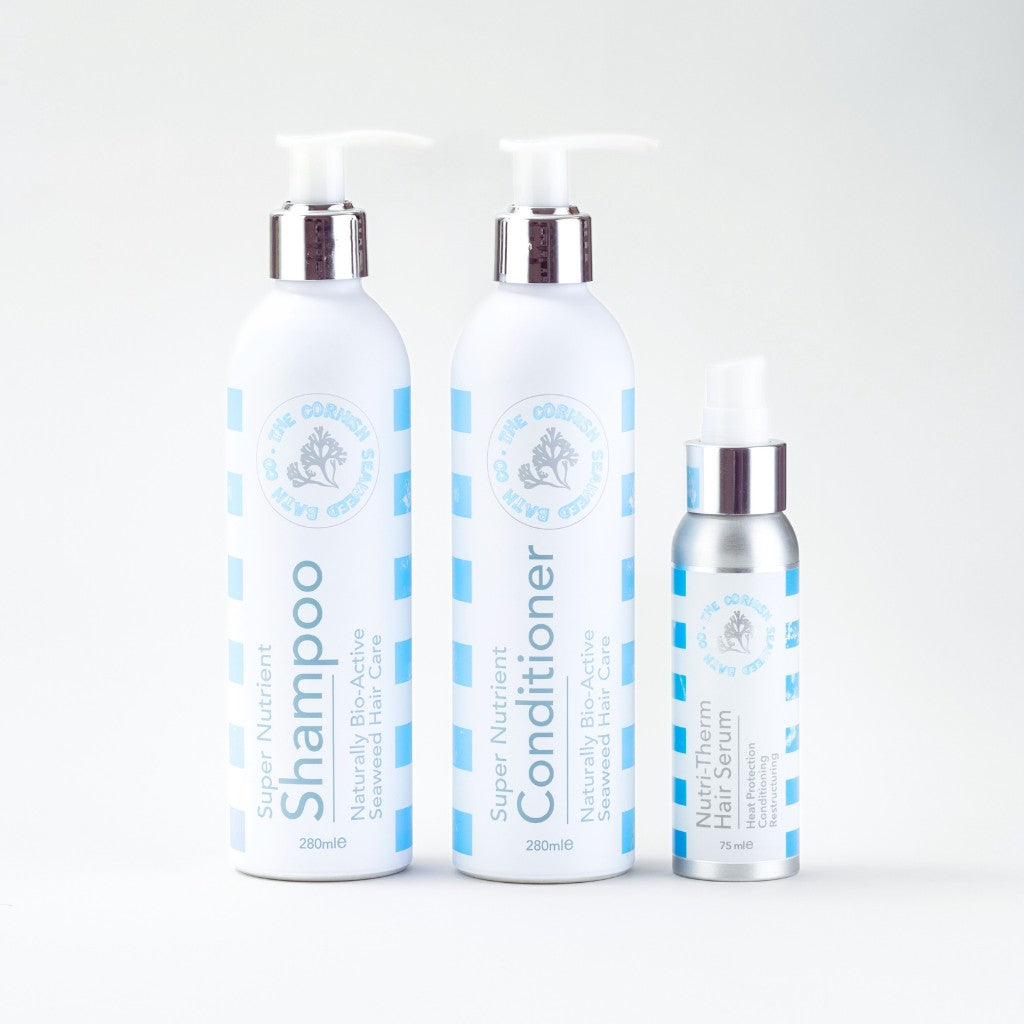
Styling treatments like Nutri-Therm Hair Serum and Light Hold Hair Mousse provide day-of support for drying and styling, helping create specific looks and textures. Masks work on long-term hair condition, the foundation that makes styling more effective. Think of weekly masking as preparation for better styling results, while serums and mousses handle the immediate needs of your styling routine.
| Product Type | When You Use It | Contact Time | Main Purpose |
|---|---|---|---|
| Conditioner | After every shampoo | 1–3 minutes | Daily detangling and smoothing |
| Hair Mask | Weekly or bi-weekly | 5–20 minutes | Intensive nourishment and repair |
| Hair & Scalp Oil | Between washes | Leave-on | Ongoing protection and scalp comfort |
| Hair Serum | Before styling | Leave-on | Heat protection and smoothing |
| Hair Mousse | On damp hair | Leave-on | Volume and light hold |
How to Use a Hair Mask Step-by-Step (At Home, Salon-Style)
Essential Steps: Shampoo first → towel-dry to damp → apply mid-lengths to ends → wait 5–15 minutes → rinse thoroughly with lukewarm water
Step 1 – Prep your hair properly
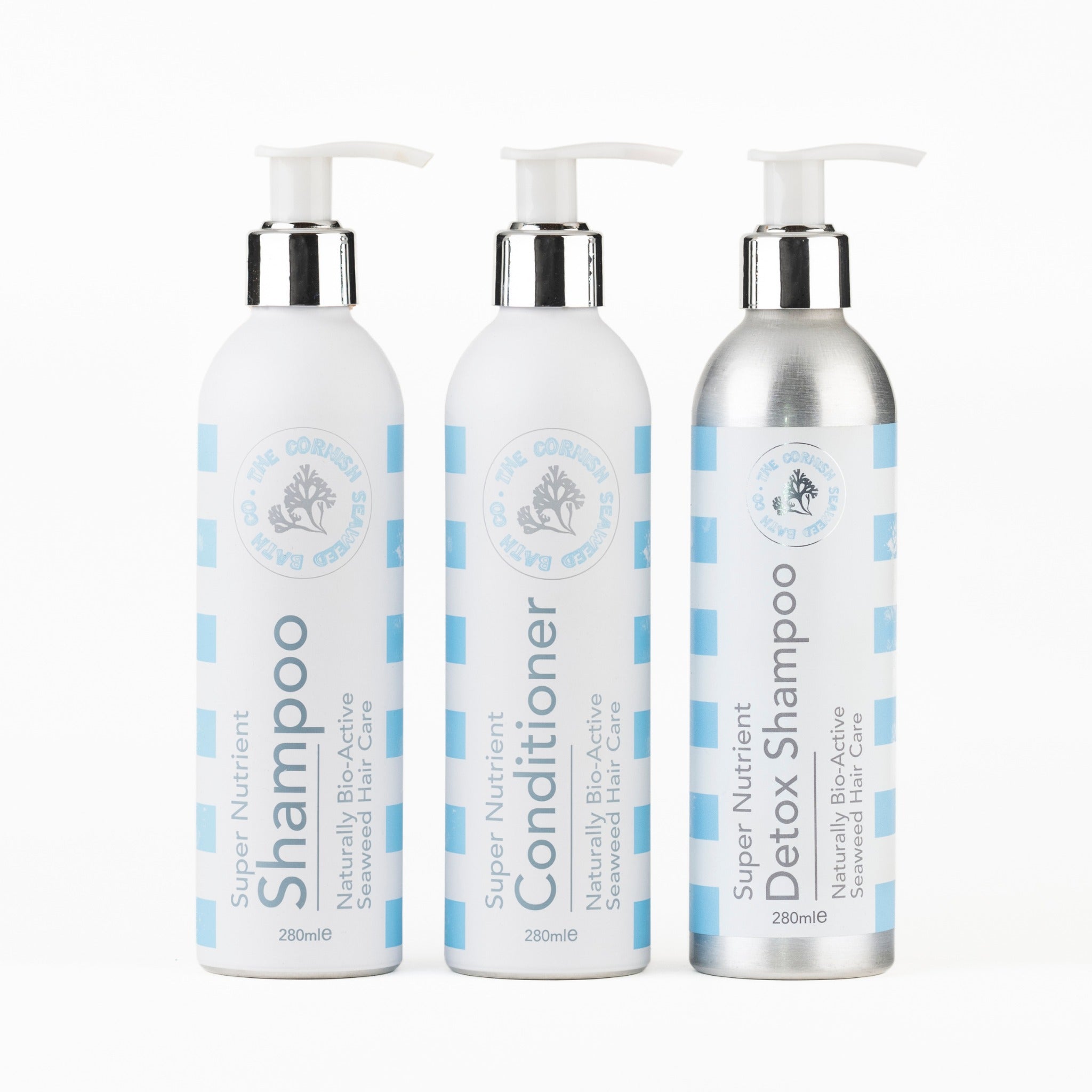
Start with a thorough shampoo cleanse using products like Super Nutrient Shampoo or Super Nutrient Detox Shampoo to remove excess oil and product buildup. Rinse with comfortably warm water to help lift the hair cuticle slightly, creating better conditions for mask absorption. Gently squeeze out water until hair is damp but not dripping, use a soft towel to blot rather than rub, which can create friction and frizz. For more tips on gentle drying, check out haircare products with drying towel for a healthier post-wash routine.
Step 2 – How much hair mask to use
Hair length and thickness determine the right amount. For short hair, start with a pea-sized to 20p-coin amount. Medium-length hair typically needs a 10p-coin amount, while long or thick hair requires a small palmful. Always start with less, you can add in 5p-coin increments if any sections feel dry or missed during application.
Step 3 – Where and how to apply
Focus primarily on mid-lengths to ends where hair feels driest, with the option to gently work a small amount towards the scalp if the product is suitable for scalp contact. Split hair into 2–4 sections for even coverage, especially with thick or long hair. Use a wide-tooth comb or fingers to distribute the mask in downward strokes, ensuring every strand receives attention.
Step 4 – How long to leave it on
Most masks work effectively within 5–15 minutes, though you can extend to 20 minutes for very coarse, long, or weather-damaged hair. If you're rushed, give it a minimum of 3 minutes for basic benefits. Leaving it significantly longer doesn't always mean better results and may weigh down finer hair types, so follow product guidance rather than assuming more time equals better outcomes.
Step 5 – Rinsing correctly
Rinse with lukewarm water for 1–2 minutes, gently smoothing with your hands until the slippery feeling mostly disappears. For finer hair, finish with a brief cool rinse to help the hair cuticle lie flat and feel smoother. Pay attention to areas behind the ears and at the nape where residue commonly lingers, incomplete rinsing can leave hair feeling heavy or looking dull.
Step 6 – Aftercare once you step out of the shower
Blot hair with a towel rather than rubbing to prevent friction damage. Detangle gently with a wide-tooth comb, working from ends upwards to avoid pulling. If you use finishing products like Nutri-Therm Hair Serum or Super Nutrient Hair & Scalp Oil, apply just a few drops to damp lengths as your final care step before air-drying or heat styling.
Choosing the Right Hair Mask for Your Hair Type and Needs
Start with your hair's current behaviour, not just its label
Rather than relying solely on hair type categories, assess what your hair actually does. Ask yourself: Does my hair look dull or feel rough when I run my fingers through it? Do I see frizz and flyaways even after styling? Does my scalp feel tight, itchy, or easily irritated? Focus on one main priority at a time rather than trying to address every concern simultaneously, this approach leads to better results and less product confusion.
Fine or easily weighed-down hair
Choose lighter mask textures and avoid heavy application near the scalp. Apply a small amount to mid-lengths and ends, leaving on for 5–10 minutes. Rinse thoroughly to prevent any residue that could weigh hair down. If your hair feels flat after masking, reduce the amount or frequency.
Thick, coarse, or very dry hair

Lean into richer, more nourishing masks and slightly longer contact times of 10–20 minutes. Work in sections to reach every strand, ensuring complete coverage from mid-lengths to ends. Between washes, consider applying a few drops of Super Nutrient Hair & Scalp Oil to mid-lengths and ends for added suppleness and ongoing comfort.
Curly or wavy hair
Focus on masks that support definition and softness rather than creating stiffness or weighing down your natural texture. Apply generously to curls and gentle scrunching motions to maintain your curl pattern. Leave the mask on for around 15 minutes to allow proper absorption, then rinse carefully to preserve definition.
Weather-worn, frequently styled, or colour-treated hair
Look for masks that support strength and smoothness rather than simply adding surface slip. Use once weekly for 4–6 weeks, then reassess how your hair responds. Combine with Nutri-Therm Hair Serum before using a hairdryer or hot tools for added protection during styling.
How Often Should You Use a Hair Mask? Finding Your Own Rhythm
Your ideal masking schedule depends on several personal factors rather than following rigid rules. Natural scalp oiliness, heat styling frequency, and environmental exposure all influence how often your hair benefits from intensive treatment.
Quick Guide: Most people thrive with once weekly masking. Very dry or textured hair may appreciate 1–2 times per week, while finer hair often does well starting every other week.
Factors that change your ideal masking schedule
Natural scalp oiliness determines how quickly your hair looks greasy after treatment. Frequent heat styling creates more need for restorative care, while environmental exposure, wind, central heating, or salt air, can leave hair feeling parched and rough.
Guiding ranges, not strict rules
Many people find success with once a week as their baseline. Very dry, long, or textured hair may appreciate 1–2 times per week, particularly during harsh weather months. Finer or oilier hair benefits from starting every other week, then increasing frequency only if hair still feels dry or rough.
Example routines for different lifestyles
Create an "every Sunday evening" ritual: shampoo, mask for 15 minutes, then smooth Super Nutrient Hair & Scalp Oil through lengths before air-drying. For heavy stylers, try a "mid-week reset" with a quick 5–8 minute mask after clarifying with Super Nutrient Detox Shampoo. Low-maintenance routines work well with monthly deep care: one 15–20 minute mask session with a gentle towel turban while you relax. For more on supporting hair growth and resilience, see this article on hair growth and strength.
Advanced Techniques: Getting More from Your Hair Mask (Without Overdoing It)
Simple techniques can help you achieve salon-like results at home without overcomplicating your routine or risking damage to your hair.
Using gentle heat for better absorption
Wrap your masked hair in a warm, damp towel or reusable cap for 10–15 minutes to encourage better penetration. Keep temperature comfortable, avoid very hot tools on wet, masked hair, as this can cause damage rather than benefits.
Applying a hair mask in the shower vs outside
The "in-shower" express method works well for busy schedules: apply your mask and leave for 3–5 minutes while you wash your body. For deeper treatment, try the "out-of-shower" method: apply to towel-dried hair, wrap gently, and relax for 10–20 minutes before stepping back in to rinse. For more tips on protecting your hair while drying, read about how to dry hair quickly without damage.
Overnight use – when it makes sense and how to do it gently
Extended wear helps extremely coarse or very long hair that feels rough from mid-lengths down. Protect pillowcases with a soft towel or old t-shirt wrap. Avoid heavy application near the scalp overnight if you're prone to oiliness, and rinse thoroughly in the morning.
Pairing masks with your existing Cornish seaweed ritual
Create a seamless routine: cleanse with Super Nutrient Shampoo, apply your chosen mask, then seal ends with Super Nutrient Hair & Scalp Oil or Nutri-Therm Hair Serum before styling. This approach lets you add weekly masking without completely changing your established routine. For a scientific perspective on hair conditioning, you can review this overview of hair conditioner.
Common Hair Mask Mistakes – And How to Fix Them

Understanding what a hair mask is and how to use it properly means avoiding these frequent missteps that prevent you from seeing the results you want.
My hair still feels dry, even when I use a mask
This usually stems from insufficient contact time, using too little product, or incomplete coverage. Extend your timing by 5 extra minutes, apply in sections to ensure full coverage, and combine weekly masking with a few drops of Super Nutrient Hair & Scalp Oil on the ends between washes for added comfort and suppleness.
For further reading on the science behind seaweed-derived ingredients in hair care, see this detailed review on seaweed-derived bioactives in cosmetics.
Frequently Asked Questions
What is the difference between a hair mask and a regular conditioner?
A hair mask is a more concentrated, intensive treatment that you leave on your hair for longer, typically 5 to 20 minutes, compared to a regular conditioner which is usually rinsed off after 1 to 3 minutes. Masks provide deeper nourishment and help smooth the hair cuticle more effectively, supporting softness and reducing frizz beyond what a conditioner offers.
How often should I use a hair mask to see the best results?
Hair masks are best used as a periodic treatment, generally once or twice a week, depending on your hair’s needs. This frequency allows the richer ingredients to support your hair without overwhelming it, helping you find a balanced routine that maintains softness and manageability.
What are the benefits of leaving a hair mask on for 5–20 minutes compared to a quick conditioner rinse?
Leaving a hair mask on for 5 to 20 minutes gives the nourishing ingredients more time to coat and support the hair cuticle, enhancing softness and reducing frizz. This extended contact allows for a smoother, more conditioned feel that a quick conditioner rinse cannot achieve.
How can I choose the right hair mask for my specific hair type and concerns?
Consider your hair’s texture and needs, thicker or drier hair may benefit from masks rich in oils and nourishing extracts, while finer hair might prefer lighter formulations. Look for masks with ingredients that support your concerns, such as soothing botanicals or conditioning oils, to ensure the treatment complements your hair without weighing it down.
A picture tells a thousand words: out of necessity, some images in this blog post have been created using artificial intelligence models. This is to help us bring to life & more comprehensively express the written content within this post. We only using artificially generated images when we don’t have a suitable image available to us.