 Spring Sale!

 Spring Sale + Free Extra Skincare!



Key Takeaways
- Seaweed is a versatile marine algae that supports ocean ecosystems.
- It provides exceptional nutrients beneficial for human health and skincare.
- Seaweed contributes to carbon sequestration, helping to combat climate change.
- Its mineral-rich compounds nourish the skin and enhance daily wellness routines.
Table of Contents
- Unveiling Seaweed, Nature's Unsung Marine Marvel
- Seaweed's Hidden Nutritional Wealth, Vitamins, Minerals, and More
- Seaweed as an Ecosystem Engineer, Environmental Impact and Ocean Health
- Seaweed in Your Daily Ritual, Practical Tips for Skin, Hair & Bath Care
- Seaweed in Context, Comparing Nutritional, Environmental, and Skincare Benefits
Why Is Seaweed So Important? Essential Benefits
Why is seaweed so important? This marine algae serves as one of nature's most versatile resources, supporting ocean ecosystems whilst providing exceptional nutrients for both human health and skincare applications. From carbon sequestration that helps combat climate change to mineral-rich compounds that nourish your skin, seaweed's importance extends far beyond its underwater habitat into our daily wellness routines.
We've explored seaweed's multifaceted role in environmental health, nutrition, and natural skincare to reveal seven essential benefits that demonstrate why this marine plant deserves recognition as a cornerstone of sustainable living and personal care. If you're interested in incorporating seaweed into your daily routine, explore our range of soaps for a simple and effective way to experience its benefits firsthand.
For those with sensitive skin, you may also appreciate learning more about natural seaweed soap for sensitive skin and how it can support gentle cleansing and nourishment.
Unveiling Seaweed, Nature's Unsung Marine Marvel
What is Seaweed?
Seaweed encompasses thousands of marine algae species categorised into three primary groups: red, green, and brown algae. Unlike terrestrial plants, seaweed lacks roots, stems, and leaves, instead featuring specialised structures including blades for photosynthesis, stipes for support, and holdfasts that anchor to rocky surfaces. Kelp represents the largest brown seaweed variety, forming underwater forests in cooler coastal waters.
Quick Answer: Is kelp a type of seaweed? Yes, kelp is a subgroup of brown seaweed known for creating underwater forests in cool coastal regions, including Cornwall's waters where we harvest our Fucus Serratus.
How Seaweed Thrives: Adaptations and Resilience
Seaweed demonstrates remarkable environmental endurance, withstanding intense sunlight, saltwater exposure, temperature fluctuations, and powerful ocean currents. Certain kelp species achieve growth rates up to 60 centimetres daily, making them among Earth's fastest-growing organisms. This resilience stems from specialised cell walls and unique biochemical adaptations that allow seaweed to thrive in harsh marine conditions.
Cornwall's Fucus Serratus, which forms the foundation of our skincare formulations, exemplifies these adaptive qualities. Hand-harvested from nutrient-rich Cornish waters, this brown seaweed's natural resilience translates into potent compounds that support skin barrier function in our Renewal Bio-Active Moisturiser and cleansing formulas.
The Diverse Family of Marine Algae
Each seaweed variety offers distinct characteristics and applications. Red algae typically inhabit deeper waters and provide compounds used in food thickening, whilst green algae prefer shallow, sunlit areas and contain high levels of vitamins A and C. Brown algae, including our Fucus Serratus, dominate temperate coastlines and concentrate minerals like iodine and potassium that benefit skin health.
| Seaweed Type | Habitat | Key Characteristics | Common Applications |
|---|---|---|---|
| Red Algae | Deep, clear waters | Feathery, delicate structure | Food additives, cosmetics |
| Green Algae | Shallow, sunlit areas | High vitamin content | Nutritional supplements |
| Brown Algae | Temperate coastlines | Mineral-rich, robust structure | Skincare, bath products |
Seaweed's Hidden Nutritional Wealth, Vitamins, Minerals, and More

Nutrient Profile Breakdown
Seaweed concentrates an impressive array of vitamins including A, B-complex, C, D, E, and K, alongside essential minerals such as iodine, zinc, calcium, and magnesium. Research indicates that certain seaweed varieties contain up to ten times more calcium than dairy milk, whilst providing plant-based omega-3 fatty acids and antioxidant compounds that support cellular health.
Our Fucus Serratus specifically provides bioavailable minerals that complement the botanical ingredients in our formulations. When combined with frankincense resin and jojoba oil in our Renewal Bio-Active Moisturiser, these seaweed-derived nutrients support skin's natural renewal processes. For a deeper dive into the benefits of moisturising with seaweed, explore our article on moisturiser and how it can enhance your skincare routine.
Role in Human Diet, Is Seaweed a "Superfood"?
Why is seaweed so important nutritionally? Its exceptional nutrient density and bioavailability make it a valuable addition to balanced nutrition, though we avoid superfood hyperbole. Seaweed provides dietary fibre, plant-based proteins, and phytonutrients that complement rather than replace diverse food sources. The same mineral richness that supports internal health translates beautifully to topical skincare applications.
How Nutrients in Seaweed Apply to Skincare
Topical application allows seaweed's minerals and vitamins to support skin barrier function without dietary considerations. Our Sand Organic Facial Oil combines Fucus Serratus with jojoba oil and sea buckthorn oil, creating a mineral-rich blend that nourishes skin whilst providing gentle, plant-based hydration. The seaweed's natural compounds work synergistically with complementary botanicals to support skin's appearance and comfort throughout the day.
Seaweed as an Ecosystem Engineer, Environmental Impact and Ocean Health
The mineral composition in seaweed extends far beyond what we experience on our skin. Marine algae serve as foundational species in ocean ecosystems, creating underwater forests that rival terrestrial rainforests in their ecological complexity and carbon storage capacity.
Carbon Sequestration, Nature's Climate Partner
Kelp forests absorb approximately 600 million tonnes of carbon dioxide annually, making them among the most efficient natural carbon capture systems on Earth. This process occurs through rapid photosynthesis, some kelp species grow up to 60 centimetres daily, continuously converting atmospheric CO₂ into biomass. Cornwall's coastal waters benefit directly from this carbon buffering, maintaining cleaner marine environments that produce the mineral-rich seaweed we harvest for our formulations.
When Ella chooses seaweed-based skincare, she supports this natural climate regulation system. Our hand-harvesting methods ensure kelp forests remain intact and productive, continuing their vital carbon sequestration work whilst providing sustainable ingredients for products like our Seaweed & Frankincense Body Wash. For more on the environmental impact of marine algae, see this authoritative resource on the ecological roles of seaweed.
Biodiversity and Habitat Support
Seaweed forests function as nurseries for over 750 marine species, including commercially important fish, sea otters, and countless invertebrates. These underwater ecosystems support complex food webs where juvenile fish find protection amongst kelp fronds, whilst adult species hunt in the rich waters surrounding seaweed beds. The structural complexity of kelp forests creates multiple habitat zones, from the sunlit canopy to the shadowed holdfast communities anchored to rocky substrates.
This biodiversity translates directly to ingredient quality. Healthy marine ecosystems produce seaweed with optimal nutrient profiles, ensuring our Fucus Serratus contains the full spectrum of minerals and compounds that make products like our Wild Seaweed Skin Repair Balm so effective for supporting skin's natural repair processes.
Water Quality Improvements
Seaweed naturally filters seawater by absorbing excess nutrients, particularly nitrogen and phosphorus compounds that can trigger harmful algal blooms. This filtration process improves water clarity and oxygen levels, creating healthier marine environments. The cleaner waters around Cornwall's coast, where our seaweed thrives, directly influence the purity and potency of ingredients in our bath products.
Our Wild Cornish Seaweed Bath harnesses this natural purifying quality, combining mineral-rich Fucus Serratus with Dead Sea Salt to create a restorative bathing experience that reflects the clean, balanced marine environment from which it originates. To learn more about the health benefits of taking a bath with seaweed, read our in-depth guide.
Seaweed in Your Daily Ritual, Practical Tips for Skin, Hair & Bath Care
How Seaweed is Used in Our Formulas
Fucus Serratus serves as the cornerstone ingredient across our entire range, providing essential minerals, vitamins, and plant compounds that support skin and hair health. We blend this hand-harvested Cornish seaweed with complementary botanicals, frankincense resin for its soothing properties, jojoba oil for gentle hydration, and argan oil for hair nourishment. Understanding why seaweed is so important becomes clear when you experience how these mineral-rich formulations work with your skin's natural processes.
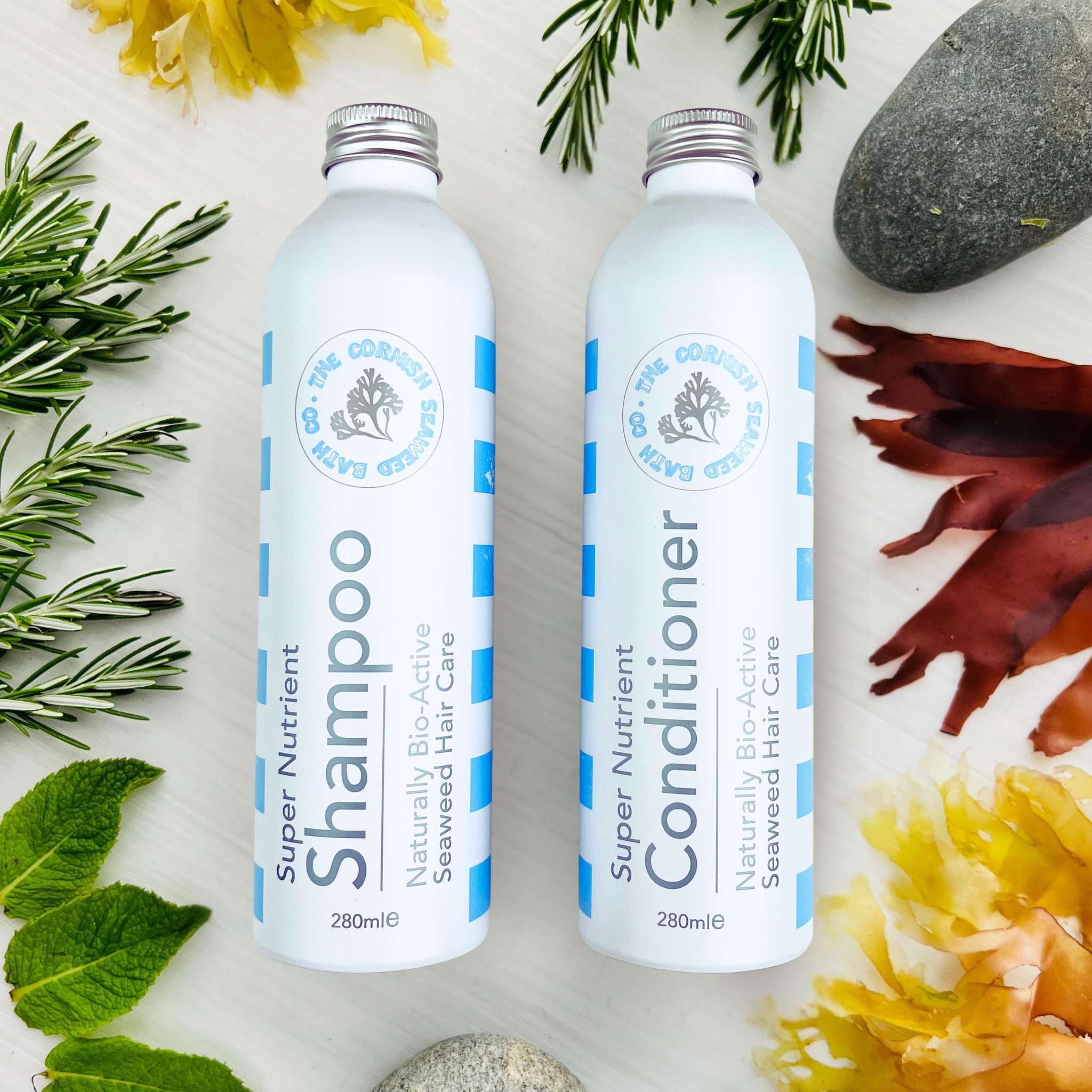
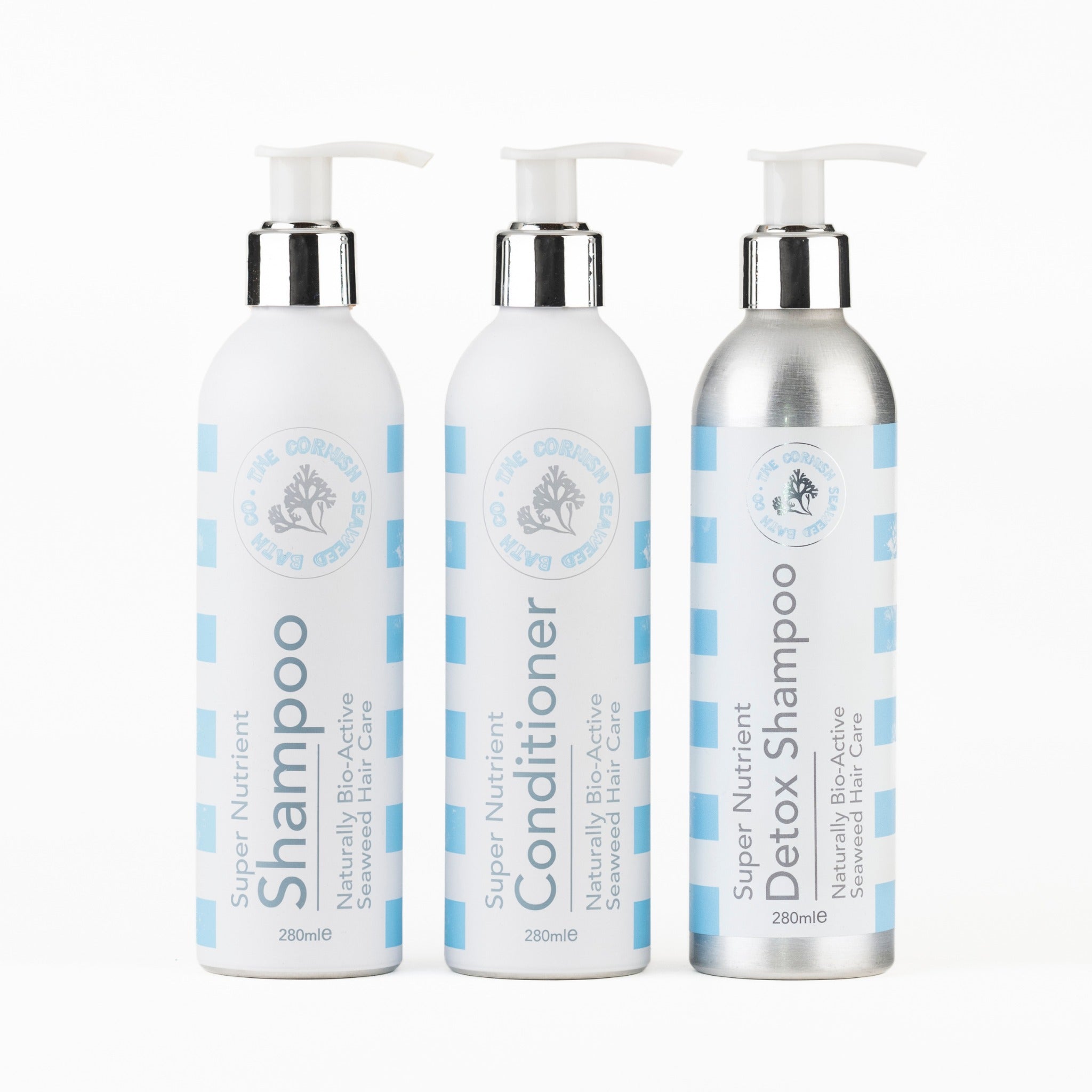
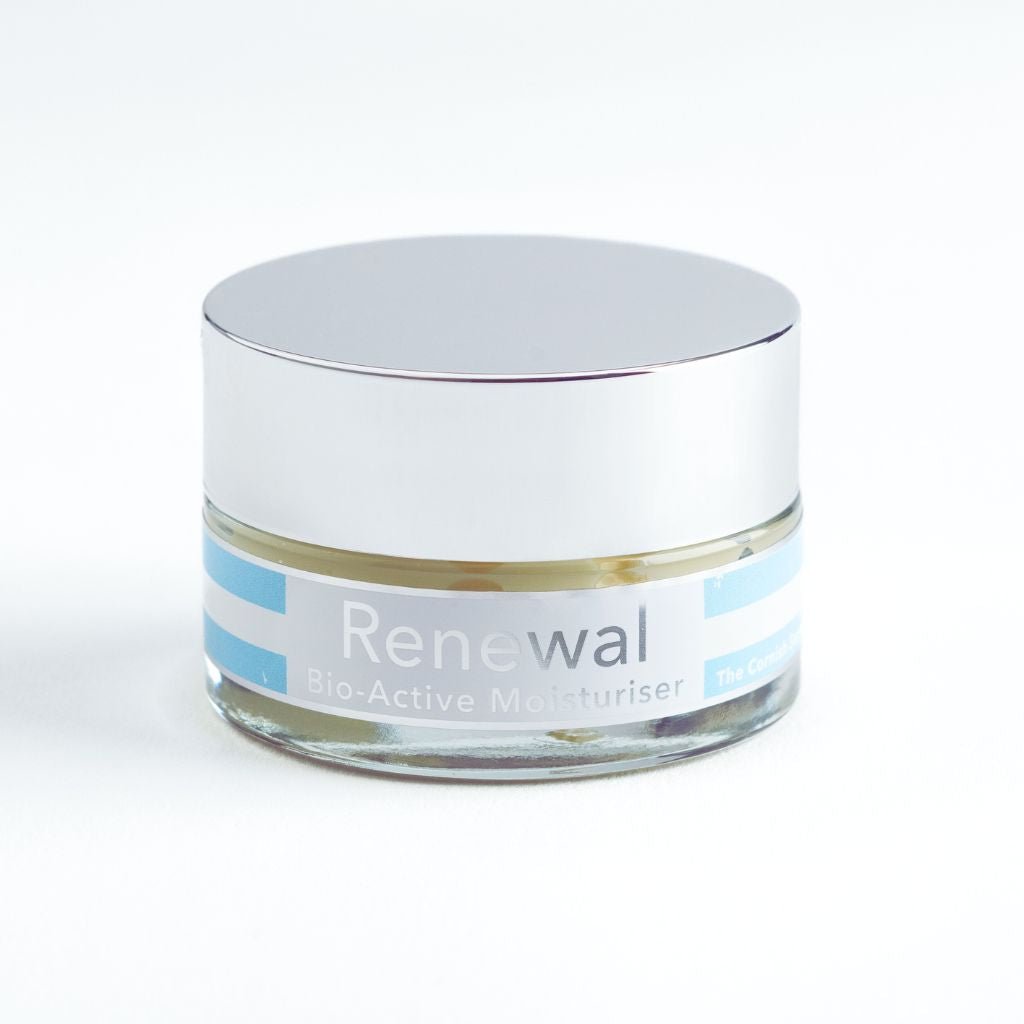
Our Renewal Bio-Active Moisturiser exemplifies this approach, combining Fucus Serratus with angelica sinensis and ling zhi mushroom to create a comprehensive facial treatment. For hair care, our Super Nutrient Shampoo pairs the same seaweed base with tuber fleeceflower root and oat kernel oil, demonstrating the versatility of seaweed as a foundational skincare ingredient. If you're curious about the unique properties of angelica sinensis, discover more in our article on female ginseng: the simple power of angelica sinensis.
Real-World Application, Techniques for Maximum Benefit
Effective seaweed skincare begins with proper dosing and technique. For facial moisturisers, use a pea-sized amount and massage gently into clean, slightly damp skin, the moisture helps distribute the mineral-rich formula evenly. When shampooing, a teaspoon-sized portion creates sufficient lather for thorough cleansing without overwashing, whilst our body wash requires only a quarter-sized amount on damp skin for full coverage.
Martha finds that applying our products to slightly damp skin enhances absorption and extends the nourishing benefits throughout her day. Sam has discovered that rinsing with cooler water after using our seaweed-based cleansers leaves his skin feeling refreshed without any tightness or irritation. If you struggle with oily hair, you may find our advice on why does my hair get greasy so fast helpful for adjusting your hair care routine.
Handling Common Challenges
The most common challenge with seaweed skincare involves finding the right washing frequency for your individual needs. Rather than following rigid schedules, observe how your scalp produces oil and adjust accordingly, some people benefit from daily cleansing, whilst others prefer every other day. If you experience product residue, ensure thorough rinsing and consider whether you're using too much product.
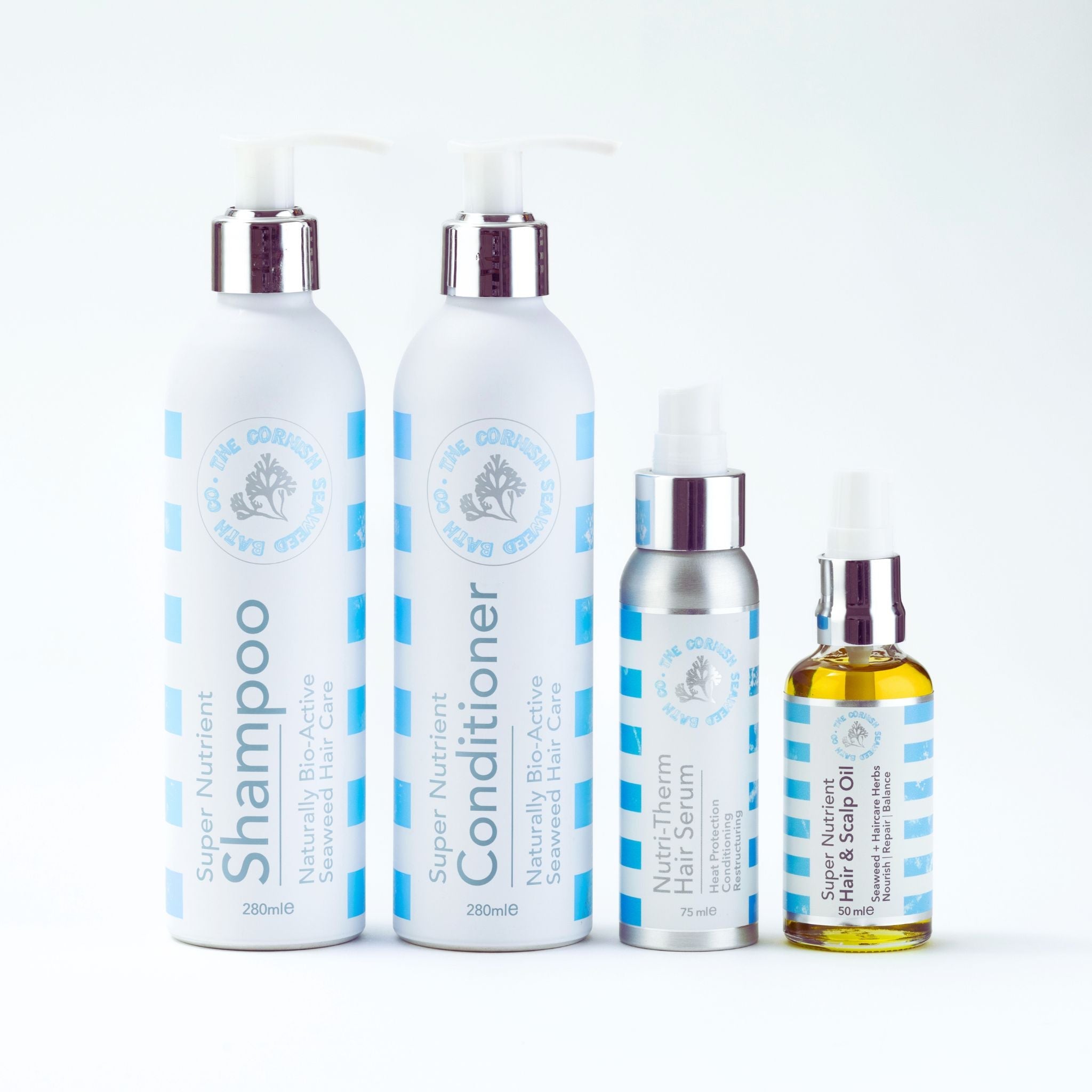
For mild scalp sensitivity, our Super Nutrient Hair & Scalp Oil provides overnight nourishment when massaged into the scalp before shampooing. The combination of oat kernel oil, jojoba oil, and Fucus Serratus helps maintain scalp comfort whilst delivering concentrated botanical benefits.
Essential Application Tips
- Facial care: Pea-sized moisturiser amount, massage into damp skin
- Hair cleansing: Teaspoon of shampoo, focus on scalp, rinse thoroughly
- Body care: Quarter-sized body wash portion
Gift-Giving, Customisation, and Group Rituals
Selecting seaweed skincare as a gift requires understanding the recipient's specific needs and preferences. For those new to natural skincare, our Pure Seaweed Soap provides an accessible introduction to the benefits of Fucus Serratus without overwhelming sensitive skin. Grace often chooses our Organic Super Nutrient Body Oil for loved ones seeking luxurious yet practical self-care, as the blend of jojoba oil, rosehip oil, and seaweed creates a versatile product suitable for daily use.
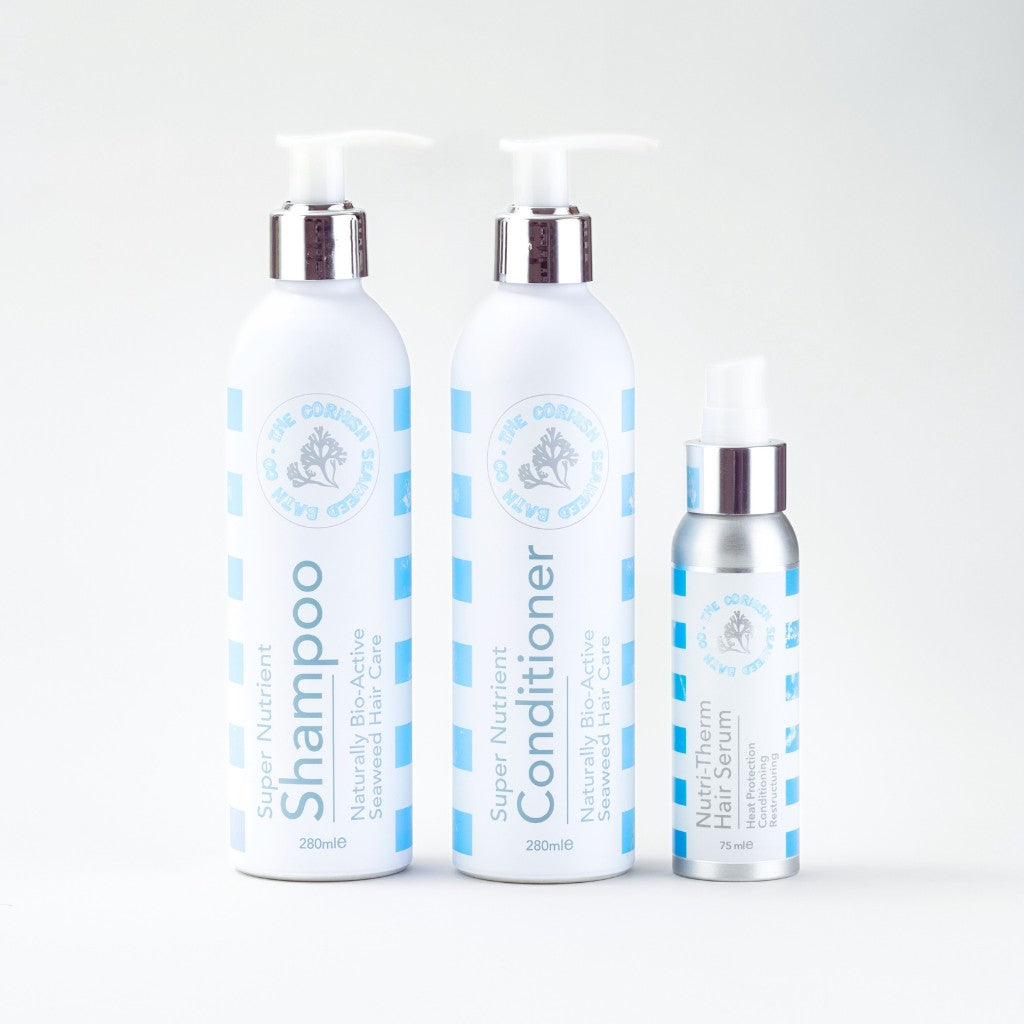
Introducing seaweed skincare to family routines works best when starting with one or two products rather than complete regimen changes. Our Fragrance Free Seaweed Soap accommodates multiple family members with varying sensitivities, whilst our Super Nutrient Shampoo and Conditioner pair effectively for shared hair care needs.
Safety and Sensitivities: What to Know
Seaweed skincare suits most skin types, including sensitive skin, though patch testing remains advisable for anyone trying marine-based ingredients for the first time. Apply a small amount of product to your inner wrist, wait 24 hours, and observe for any redness or irritation. Our products contain naturally derived ingredients and avoid synthetic fragrances that commonly trigger sensitivities.
| Skin Concern | Recommended Product | Key Benefits | Application Notes |
|---|---|---|---|
| Dry, sensitive skin | Sand Organic Facial Oil | Roman chamomile, virgin coconut oil | Use sparingly on damp skin |
| Oily, congested skin | Sea Organic Facial Oil | Citrus oils, tamanu oil | Apply to clean skin, morning or evening |
| Mature skin | Renewal Bio-Active Moisturiser | Angelica sinensis, frankincense | Massage gently, allow full absorption |
| Scalp sensitivity | Super Nutrient Hair & Scalp Oil | Oat kernel oil, tuber fleeceflower | Overnight treatment before shampooing |
Those with known allergies to marine ingredients should consult healthcare providers before using seaweed-based products. Our formulations use sustainably harvested Fucus Serratus from clean Cornish waters, tested for purity and free from common marine contaminants. For further scientific reading, see this external resource on the health and cosmetic applications of seaweed.
Seaweed in Context, Comparing Nutritional, Environmental, and Skincare Benefits

Seaweed vs. Land Vegetables, Nutritional Comparison
Understanding why seaweed is so important becomes evident when comparing its nutritional density to terrestrial plants. Marine algae concentrate minerals directly from seawater, resulting in significantly higher levels of essential nutrients than most land-based vegetables. This mineral richness translates directly into skincare efficacy, as topical application delivers these concentrated nutrients to skin and hair.
| Nutrient | Seaweed (per 100g) | Spinach (per 100g) | Kale (per 100g) | Skincare Benefit |
|---|---|---|---|---|
| Calcium | 150-1000mg | 99mg | 150mg | Supports skin barrier function |
| Magnesium | 121-170mg | 79mg | 47mg | Helps maintain skin hydration |
| Iron | 2.8-28mg | 2.7mg | 1.5mg | Promotes healthy circulation |
| Iodine | 16-2984μg | 1.4μg | 2.6μg | Natural antimicrobial properties |
Wild-Harvested vs. Farmed, Quality and Sustainability
We choose hand-harvested Fucus Serratus from Cornwall's coast because wild seaweed develops complex nutrient profiles through natural environmental stresses. Farmed seaweed, whilst consistent in supply, often lacks the mineral density and resilience compounds found in wild varieties. Our harvesting approach ensures each batch contains the full spectrum of bioactive compounds that make seaweed skincare effective.
As of 2025, we maintain that sustainable wild harvesting, when properly managed, provides superior ingredient quality whilst supporting natural ecosystem health. Our harvesters take only mature fronds, allowing root systems to regenerate and maintain biodiversity in harvesting areas. For more ways to incorporate seaweed into your skincare, check out our article on five ways to use seaweed to care for your skin health.
Frequently Asked Questions
What are the main environmental benefits of seaweed in ocean ecosystems?
Seaweed supports marine biodiversity by providing habitat and food for various ocean species. It also contributes to carbon sequestration, helping to reduce atmospheric carbon dioxide and mitigate climate change. Additionally, seaweed can aid in improving water quality by absorbing excess nutrients.
How does seaweed contribute to skincare and what makes it effective for sensitive skin?
Seaweed contains mineral-rich compounds that nourish and support the skin’s natural balance, making it suitable for gentle skincare routines. Its soothing properties help calm sensitive skin without irritation, which is why products like our natural seaweed soaps are appreciated for their mild yet effective care.
What are the differences between red, green, and brown seaweed in terms of their nutritional and practical uses?
Red, green, and brown seaweeds differ in their pigment and nutrient profiles, influencing their uses. Brown seaweed, such as Fucus Serratus, is rich in minerals and often used in skincare for its nourishing qualities. Green seaweed tends to be lighter and is valued for its vitamin content, while red seaweed is known for its unique polysaccharides and is often used in food and cosmetic applications.
Why is kelp considered a significant type of seaweed and how is it utilized in sustainable products?
Kelp is a large brown seaweed that forms dense underwater forests, playing a vital role in coastal ecosystems. Its robust growth and nutrient content make it a valuable ingredient in sustainable skincare and wellness products, where it supports skin nourishment and environmental responsibility.
A picture tells a thousand words: out of necessity, some images in this blog post have been created using artificial intelligence models. This is to help us bring to life & more comprehensively express the written content within this post. We only using artificially generated images when we don’t have a suitable image available to us.