 Spring Bank Holiday Sale!

 Bank Holiday Weekend = Free Skincare!





Key Takeaways
- The best blonde shampoo varies depending on your specific hair shade and condition.
- Choosing the right formula is essential for maintaining vibrant blonde colour.
- Different blonde shades require different toning needs to avoid brassiness.
- Understanding your hair's unique requirements leads to better colour results.
Table of Contents
- Start Here – What "Best Blonde Shampoo" Really Means for Your Hair
- The Science of Brassiness – Why Blonde Hair Turns Yellow, Orange or Dull
- Types of Blonde Shampoo (Purple, Blue, Silver, Gold-Enhancing) and When to Use Each
- Blonde Shampoo vs. Regular Shampoo, Conditioner and Masks
- How Blonde Shampoo Works – Pigments, pH and Ingredients (Without the Jargon)
- How to Choose the Best Blonde Shampoo for Your Shade, Hair Type and Scalp
Best Blonde Shampoo: A Calm, Complete Guide to Keeping Your Colour Clear and Soft
Start Here – What "Best Blonde Shampoo" Really Means for Your Hair
The best blonde shampoo isn't a single product, it's the right formula for your specific shade, hair condition, and toning needs. Whether you're maintaining salon-fresh platinum or managing brassy highlights, understanding your hair's particular requirements makes all the difference between vibrant colour and disappointing results.
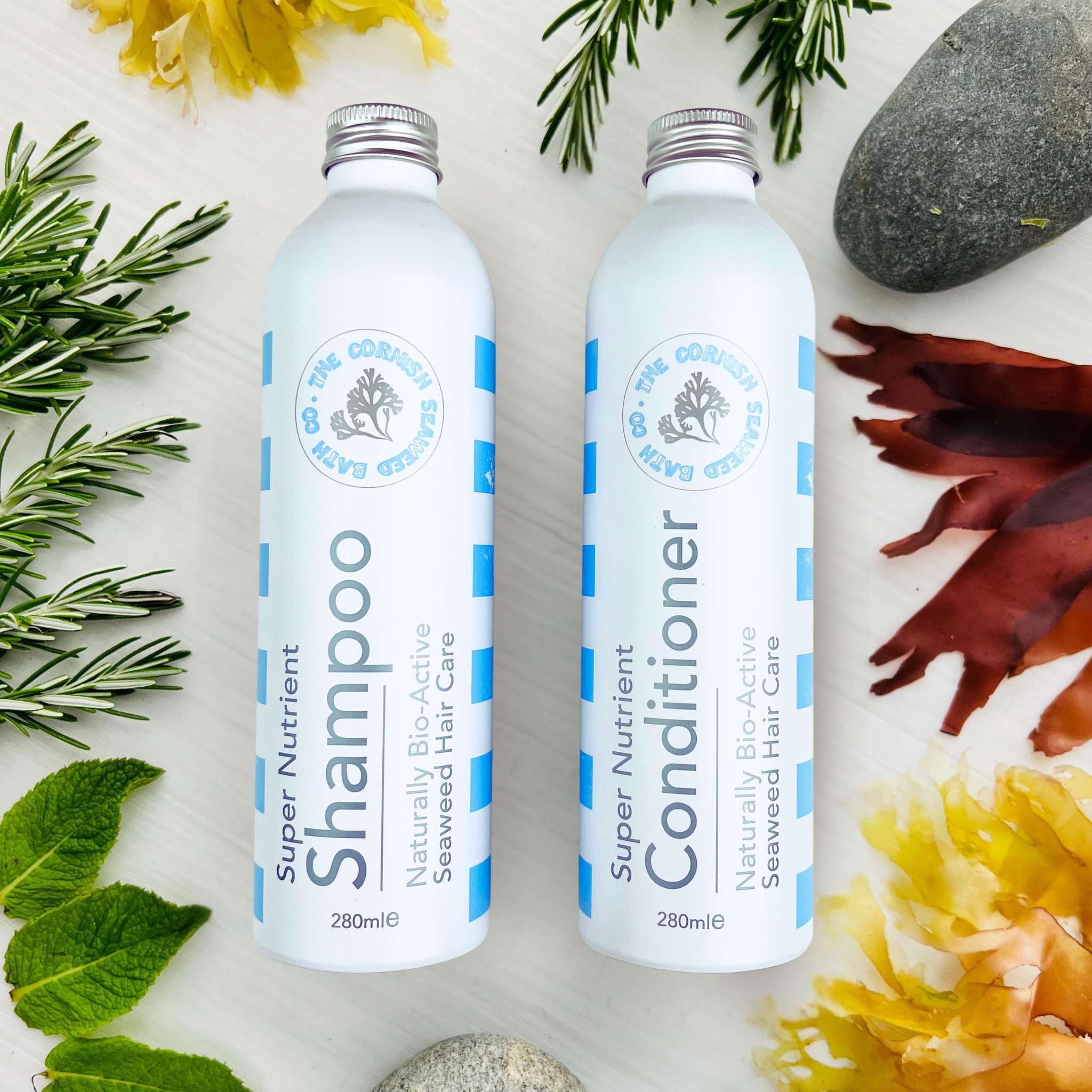
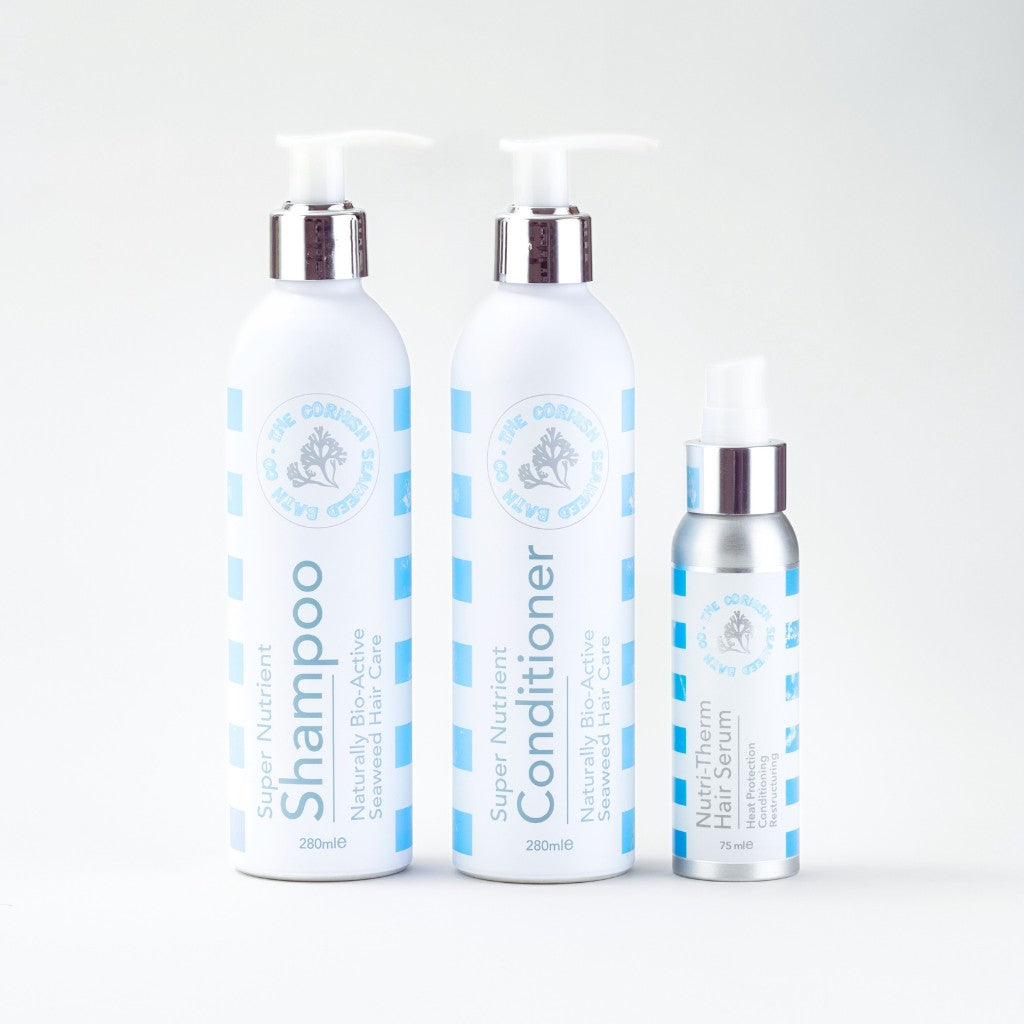
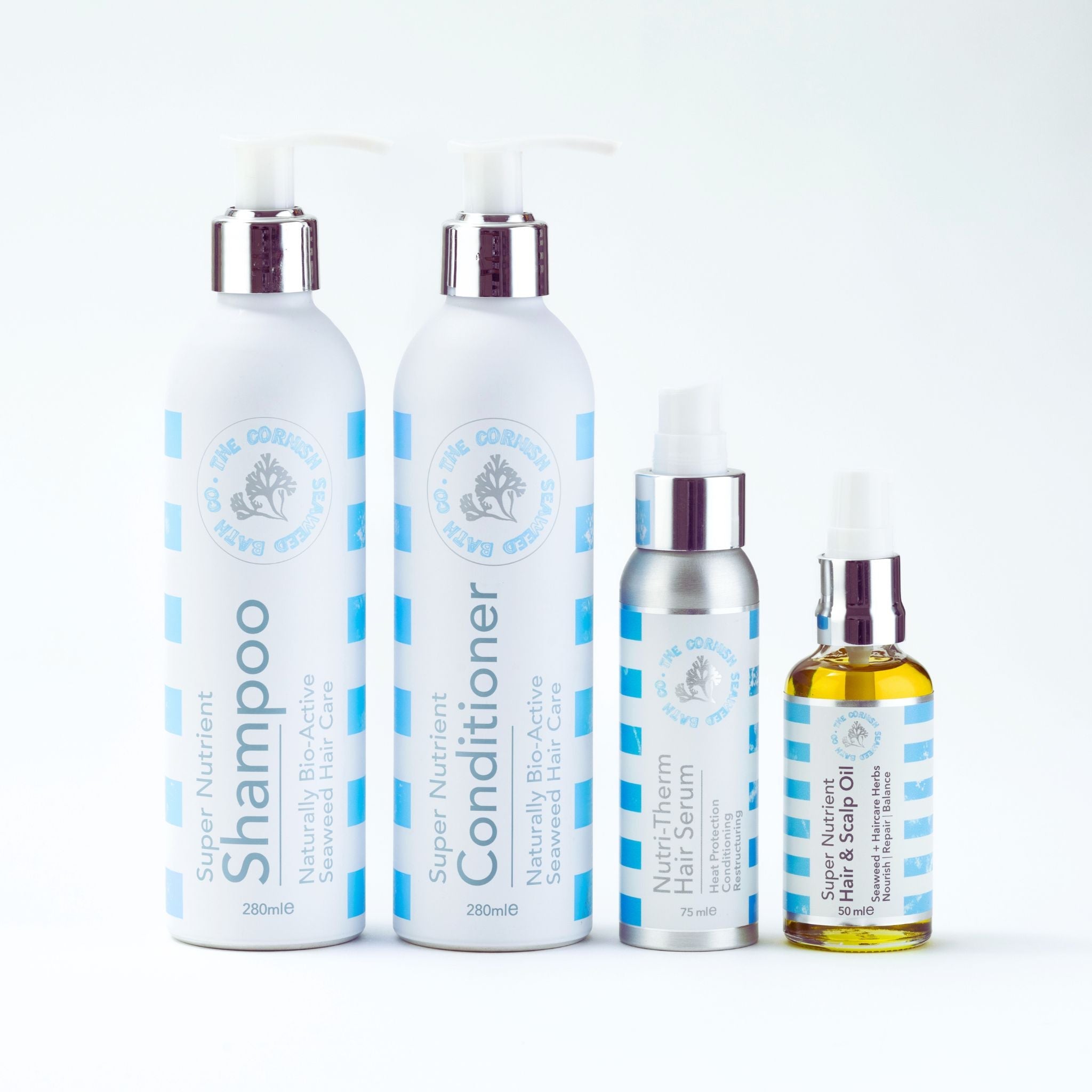
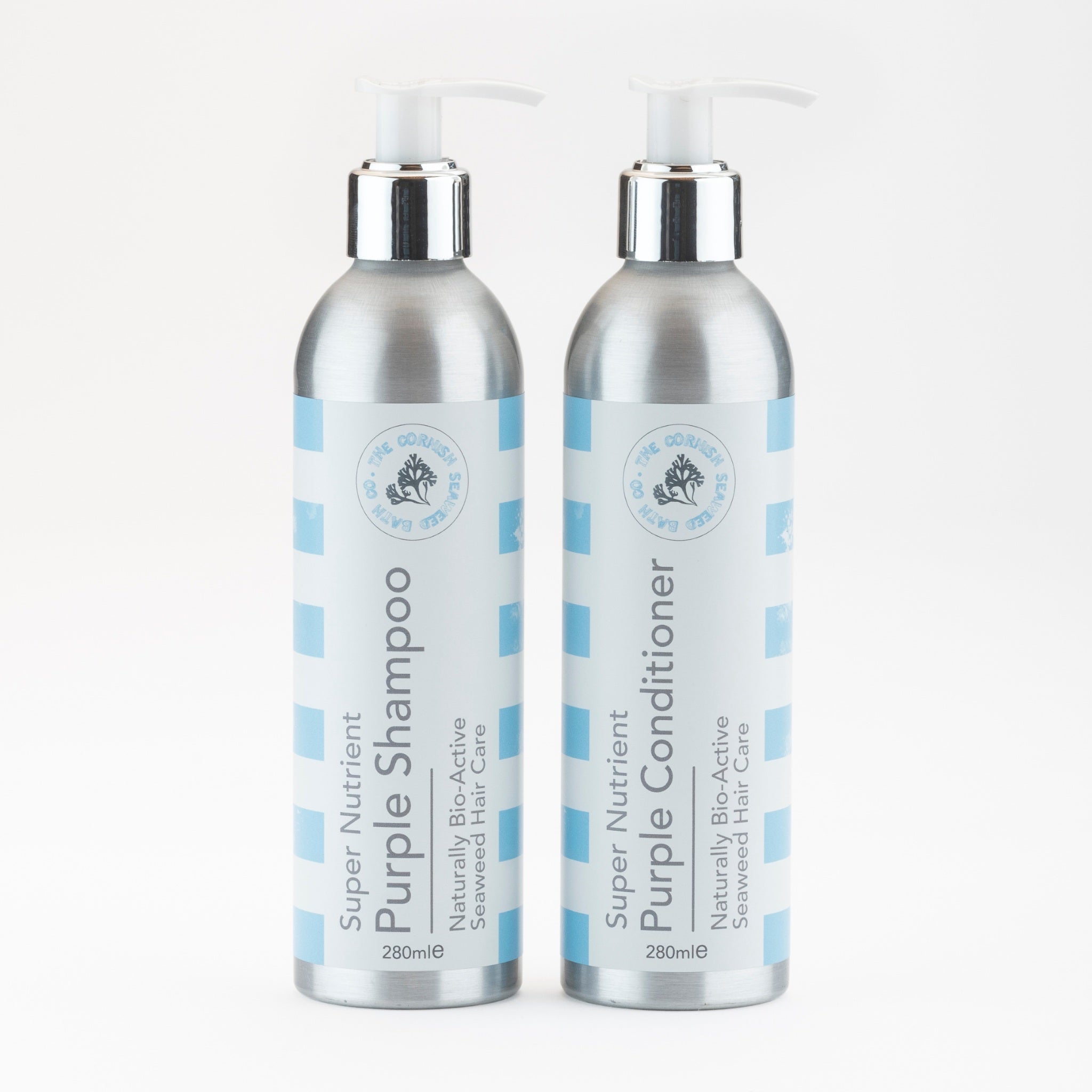
For those seeking a gentle yet effective solution, the Super Nutrient Purple Shampoo is formulated to target unwanted brassiness while nourishing your hair. If you prefer a complete routine, the 3 Step Super Nutrient Purple Haircare Set offers a comprehensive approach to maintaining your blonde shade.
What Counts as a "Blonde Shampoo"?
A blonde shampoo is any colour-toning cleanser designed for blonde, grey, or highlighted hair. This includes purple shampoos (for yellow tones), blue shampoos (for orange tones), silver shampoos (for gentle cooling), and gold-enhancing formulas (for warm glow). The key difference lies between blonde-safe everyday shampoos and pigmented, colour-correcting formulas.
Most people benefit from both: a gentle daily cleanser for regular washing and a separate toning step for colour maintenance. This approach prevents over-processing while keeping brass at bay.
care">Matching Your Intent: Maintenance vs. Rescue
Blonde shampoo serves two main purposes: maintenance (keeping salon-fresh tone for 4–8 weeks) and rescue (quickly calming strong yellow or orange brassiness). For maintenance, gentle weekly toning usually suffices. For rescue situations, stronger formulas or longer contact times may help, though severe brassiness often needs addressing through heat protection, water quality improvements, and UV protection rather than just stronger shampoo.
Consider your scenario: salon regulars with professional highlights typically need lighter maintenance, whilst those with DIY bleaching or very porous hair may require more intensive toning support alongside strengthening treatments. For extra nourishment, try the Super Nutrient Hair & Scalp Oil to help restore softness and shine.
The Science of Brassiness – Why Blonde Hair Turns Yellow, Orange or Dull

What We Mean by "Brassy" Blonde
Brassiness refers to unwanted warm tones: yellow, gold, copper, or rusty-orange that appear when toner fades or underlying pigment shows through. This happens because lightening hair reveals natural warm pigments beneath, whilst environmental factors and time cause artificial cool tones to fade faster than warm ones.
Colour Wheel Basics for Blonde Toning
Blonde toning relies on complementary colours: purple neutralises yellow, whilst blue softens orange. These opposite colours on the colour wheel cancel each other when layered, creating more neutral tones. Blonde shampoos add sheer, translucent colour rather than opaque coverage, working gradually to adjust tone without dramatically altering your base shade.
Everyday Causes of Brassiness
UV exposure breaks down toner molecules, allowing warm undertones to dominate. Heat styling at 180–230°C accelerates this process, whilst hard water minerals coat hair and interfere with colour reflection. Chlorine from swimming pools strips toner directly, and styling product build-up creates a barrier that makes hair appear dull and yellowed.
Practical prevention includes using lukewarm final rinses, applying heat protection before styling, and gentle cleansing to remove build-up without over-stripping. Consider a shower filter in hard water areas, though this isn't essential for everyone. For more tips on keeping your hair healthy, read our guide on best shampoos for healthy hair.
Types of Blonde Shampoo (Purple, Blue, Silver, Gold-Enhancing) and When to Use Each
Purple Shampoo – Best for Yellow Tones
Purple shampoo suits platinum, icy, ash, beige, and most highlighted blondes experiencing yellow brassiness. The violet pigment directly counteracts banana-yellow tones that appear when ash toners fade. Start with 1–3 minutes contact time, adjusting up to 5 minutes based on your hair's response and the brand's guidelines.
Ideal for balayage with pale ends, natural light blondes between salon visits, and anyone whose hair looks "banana yellow" in certain lighting. Very porous hair may need shorter contact times to avoid over-toning.
Blue Shampoo – Best for Orange and Copper Tones
Blue shampoos target darker blondes experiencing orange warmth, particularly effective for dark blonde, light brown balayage, and ombré styles. The blue pigment neutralises copper and orange undertones, helping to restore a cooler, more natural-looking blonde. Those with darker blonde or "bronde" shades often benefit most from blue-based formulas.
Silver Shampoo – Best for Grey and Silver Blondes
Silver shampoos are designed for grey, silver, or very light blonde hair that tends to develop dullness or yellowing. These formulas contain subtle violet and blue pigments to maintain a crisp, luminous finish without over-toning. They are ideal for those embracing natural greys or maintaining a bright, silvery blonde.
Gold-Enhancing Shampoo – Best for Warm and Honey Blondes
Gold-enhancing shampoos are formulated to boost warmth and shine in honey, caramel, or golden blonde hair. Rather than neutralising, these shampoos add soft golden tones to enhance vibrancy and prevent hair from looking flat or washed out. Use these if you prefer a sun-kissed, glowing finish.
Blonde Shampoo vs. Regular Shampoo, Conditioner and Masks
Toning shampoos serve a specific colour-correcting function but shouldn't replace your entire hair care routine. Understanding their role prevents unrealistic expectations and helps you build a balanced regimen.
How Toning Shampoos Differ from Everyday Cleansers
Toning shampoos contain colour pigments and often have adjusted pH levels to deposit tone effectively, which can make them more drying than regular shampoos if overused. Their primary function is colour correction rather than deep cleansing or intensive moisturising.
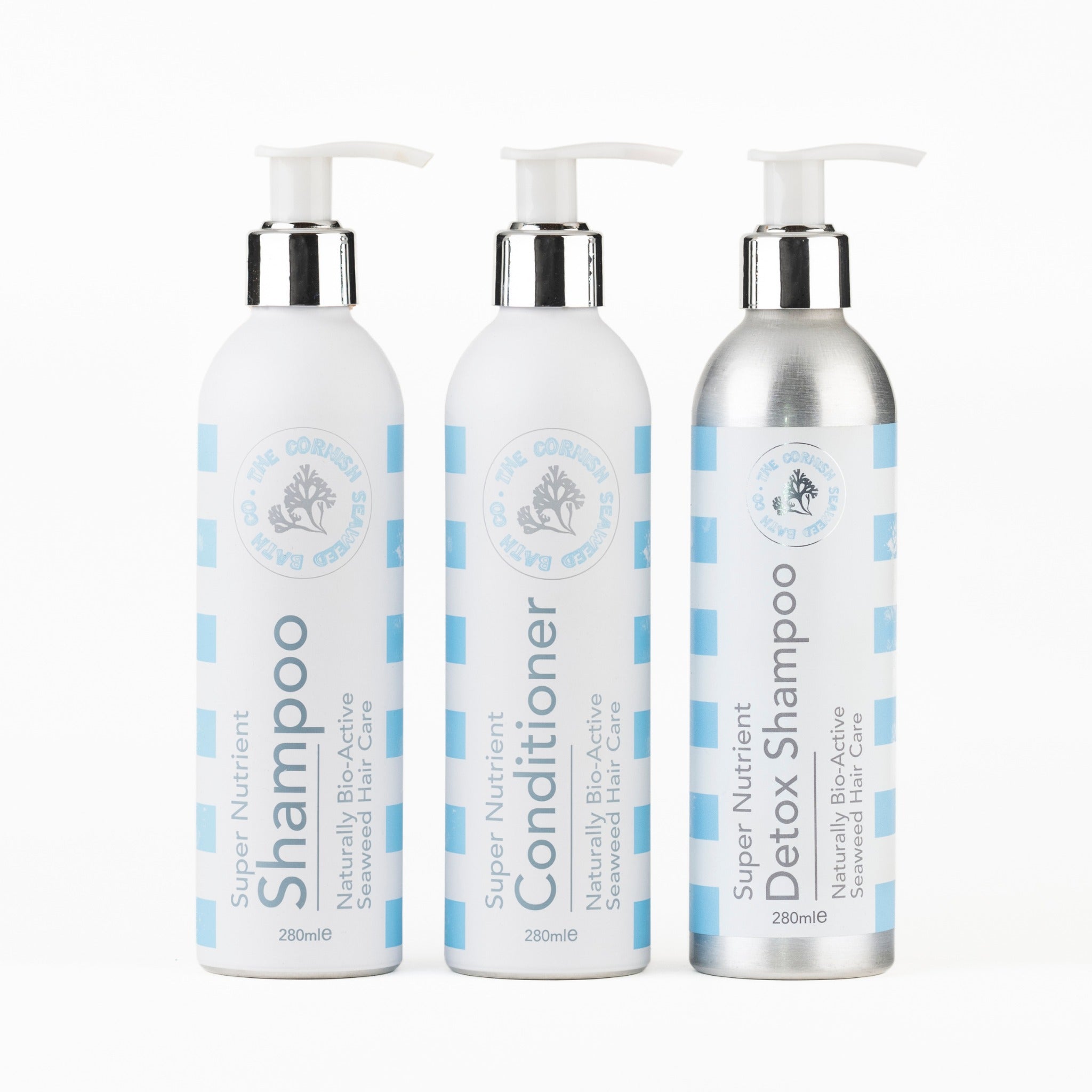
Many people find alternating between toning shampoos and gentle, everyday cleansers maintains both colour and hair condition better than using pigmented formulas exclusively. For a nourishing daily option, try the Super Nutrient Shampoo to keep your hair healthy between toning treatments.
Blonde Shampoo vs. Purple / Blue Conditioner
Purple and blue conditioners offer gentler, more hydrating colour correction than their shampoo counterparts. These formulas focus on moisturising while depositing subtle pigments, making them ideal for fragile or very porous hair that finds toning shampoos too drying.
Conditioners work well for gradual toning over several uses rather than immediate correction. They're particularly suitable for maintaining ash tones between stronger shampoo treatments or for those who wash frequently and need gentler colour maintenance. The Super Nutrient Purple Conditioner is a great choice for those seeking hydration and subtle toning in one step.
Blonde Shampoo vs. Salon Toner and Gloss Services
Salon toners provide intensive colour correction that typically lasts 3–6 weeks, depending on washing frequency, sun exposure, and heat styling. Blonde shampoos maintain and extend this professional work rather than replacing it entirely.
At-home toning shampoos can support salon colour from the first wash after treatment, helping preserve the investment in professional services. They bridge the gap between appointments but cannot replicate the depth of correction achieved with professional-strength formulas.
Blonde Shampoo vs. Clarifying Shampoo
Clarifying shampoos provide intensive cleansing to remove mineral build-up and styling product residue that can interfere with toning effectiveness. Using a clarifying treatment once every 2–4 weeks can improve how well blonde shampoos deposit colour.
However, clarifying formulas can be too harsh for very fragile or over-processed hair. Those with delicate blonde hair should choose gentle clarifying options and follow with intensive conditioning treatments. For more on the cleansing process, see our article on shampooing.
How Blonde Shampoo Works – Pigments, pH and Ingredients (Without the Jargon)

Understanding the science behind blonde shampoos helps you choose formulas that work with your hair's condition and achieve consistent results without guesswork. For a deeper dive into hair care science, see this peer-reviewed article on hair care.
Pigment Deposits: Sheer Veils, Not Paint
Blonde shampoos deposit translucent colour that sits on and near the hair cuticle, creating a subtle stain rather than opaque coverage. Porous, bleached hair absorbs pigments more readily and in less time than healthier, less damaged hair.
Standard timing ranges from 2–5 minutes for most formulas, with very porous hair sometimes needing only 1–2 minutes. Always strand test on a hidden section for 3–5 minutes before applying to your entire head to gauge your hair's response.
Why pH-Balanced Matters for Colour and Feel
Slightly acidic formulas around pH 4.5–5.5 help keep the hair cuticle smoother, which improves light reflection and reduces roughness. A smoother cuticle also helps colour appear more even and vibrant.
Well-formulated blonde shampoos balance effective pigment deposit with maintaining hair's natural pH range, preventing excessive dryness or tangling that can occur with poorly balanced products.
Key Supportive Ingredients to Look For
Gentle surfactants, particularly sulphate-free options, cleanse without stripping already-vulnerable blonde hair. Nourishing oils like jojoba and sunflower help counteract the potential drying effects of colour pigments while maintaining hair's flexibility.
Proteins and strengthening agents support lightened hair structure, whilst conditioning agents help maintain smoothness and manageability. These supportive ingredients work alongside the colour-correcting pigments to maintain hair health.
Ingredient Checklist for Blonde Hair
Look for: Gentle surfactants, nourishing oils (jojoba, sunflower, argan), proteins, conditioning agents, pH-balanced formulas
Use with care: Harsh sulphates, strong drying alcohols, very high fragrance levels (if you have sensitive skin)
Ingredients to Use with Care on Blonde Hair
Strong sulphates and drying alcohols can be too harsh for already-fragile blonde hair, potentially causing additional dryness or roughness. These aren't forbidden ingredients, but daily use on compromised hair can exacerbate existing damage.
High fragrance levels or strong essential oil blends may irritate sensitive scalps, particularly after chemical processing. Those with reactive skin should choose gentler, low-fragrance formulas and always patch test new products. For more information about transitioning to gentler formulas, read about transitioning to a natural shampoo.
How to Choose the Best Blonde Shampoo for Your Shade, Hair Type and Scalp
Selecting the right blonde shampoo requires considering your specific shade, hair condition, and scalp sensitivity rather than following generic recommendations. This systematic approach prevents disappointing results and helps you find your ideal formula. For a broader overview of hair care, see this summary on hair care.
Step 1 – Identify Your Blonde Shade and Undertone
Platinum and icy blondes typically show banana-yellow brassiness when fading. Ash and beige blondes develop golden warmth that looks muddy rather than sunny. Honey and golden blondes may experience orange or copper tones that appear harsh rather than luminous.
Dark blondes and "bronde" shades often pull orange in the mid-lengths where lightening was less intensive. Grey and silver blondes are more prone to yellowing and dullness, requiring gentle violet or silver shampoos to maintain clarity.
Step 2 – Consider Hair Condition and Porosity
Porous, bleached, or damaged hair absorbs pigment more quickly and may require shorter contact times with toning shampoos to avoid over-toning. Healthier, less-processed hair may need longer exposure for visible results. Always strand test to determine your ideal timing.
Step 3 – Factor in Scalp Sensitivity
If your scalp is sensitive or prone to dryness, opt for sulphate-free, low-fragrance formulas and avoid leaving toning shampoos on for extended periods. Our Super Nutrient Purple Shampoo is formulated with gentle cleansers and nourishing oils to support both scalp and hair comfort.
Step 4 – Adjust Frequency to Your Personal Needs
There is no universal rule for how often to use blonde shampoo. Your optimal routine depends on your hair's oiliness, sweat, product use, and personal preference. Some find weekly toning sufficient, while others may benefit from more frequent use. Listen to your hair and adjust as needed.
Frequently Asked Questions
How do I choose the best blonde shampoo for my specific hair shade and condition?
Choosing the best blonde shampoo depends on your hair’s particular shade and condition. Cooler blondes benefit from purple shampoos, while ash tones respond well to blue formulas. Considering your scalp sensitivity and hair health also guides whether a gentle, nourishing shampoo like our Super Nutrient Shampoo fits your needs.
What causes brassiness in blonde hair, and how do blonde shampoos help neutralize it?
Brassiness occurs when blonde hair develops unwanted yellow, orange, or dull tones due to environmental factors and colour fading. Blonde shampoos contain colour-correcting pigments that gently counteract these tones, helping to maintain a clearer, fresher shade without harsh cleansing.
What are the differences between purple, blue, silver, and gold-enhancing blonde shampoos, and when should each be used?
Purple shampoos neutralise yellow tones in cool blondes, blue shampoos target orange hues in ash blondes, silver shampoos offer gentle cooling for grey-blondes, and gold-enhancing shampoos enrich warm or honey shades. Selecting the right type depends on your hair’s undertone and desired effect to prevent brassiness effectively.
Can blonde shampoo be used daily, or should it be combined with regular shampoo and conditioner for optimal hair care?
Blonde shampoos are often more pigmented and best used as a weekly toning treatment rather than daily. Combining them with a gentle, nourishing shampoo and conditioner supports hair health and avoids over-processing, helping maintain your colour and scalp comfort over time.
A picture tells a thousand words: out of necessity, some images in this blog post have been created using artificial intelligence models. This is to help us bring to life & more comprehensively express the written content within this post. We only using artificially generated images when we don’t have a suitable image available to us.